How To Fix A Foot Massager That Won’t Heat: Quick Repair Guide
A foot massager that won’t heat usually has a loose connection, bad power supply, or failed heating element.
If you’ve ever settled in for a relaxing foot massage only to realize the heat never kicks on, you know how frustrating that can be. The good news is that most heating problems in a foot massager come from a small set of common issues, and many of them are fixable at home with a little patience and care. In this guide, I’ll walk you through how to fix a foot massager that won’t heat, based on practical troubleshooting steps, real-world repair experience, and the safety checks that matter most.
Why a foot massager stops heating
A foot massager is a simple comfort device, but the heat function depends on several parts working together. If even one part fails, the warming feature may stop while the rollers or vibration still work. That often makes the problem feel bigger than it is.
In my experience, the most common causes are surprisingly basic. I’ve seen units that were blamed for “dead heat” when the real issue was a loose plug, a tripped safety feature, or a heat setting that never got turned on in the first place. Other times, the heating pad, thermostat, fuse, or control board was the real problem.
Common reasons a foot massager won’t heat include:
• Power cord damage or a weak outlet
• Heat setting turned off or not engaged properly
• Internal thermal fuse blown
• Faulty heating element or heating pad
• Broken thermostat or temperature sensor
• Loose wiring inside the unit
• Control board failure
• Safety shutoff from overheating or improper use
Understanding these causes helps you avoid guessing. It also keeps you from replacing parts that were never the problem.

Safety first before you try any repair
Before you open or test anything, unplug the foot massager. Heat and electricity are not a good mix for casual repair work, and even a small device can hold unsafe voltage inside.
If the unit smells burnt, makes crackling sounds, or shows melted plastic, stop using it right away. Those are signs of a more serious electrical problem. In that case, the safest move is repair by a qualified technician or replacement of the unit.
Helpful safety steps:
• Unplug the device and let it cool completely
• Inspect the cord, plug, and outer shell for visible damage
• Do not use water or liquid cleaners near open electrical parts
• Avoid bypassing thermal fuses or safety switches
• Use the user manual if you have it, because some models have reset steps
I’ve learned the hard way that rushing into a repair usually creates a second problem. Slow, careful checks save time in the long run.
How to fix a foot massager that won't heat
Start with the simplest checks first. In many cases, the fix is not inside the machine at all. A step-by-step approach gives you the best chance of restoring heat without damaging the unit.
1. Check the power source
Plug the foot massager into a different wall outlet to rule out a bad socket. If it works in one outlet but not another, the issue is external, not internal.
Also check whether the outlet is part of a GFCI circuit or switched outlet. Some bathroom and living room outlets can be controlled by a wall switch or reset button, which can make the device seem broken when it is not.
2. Confirm the heat function is actually turned on
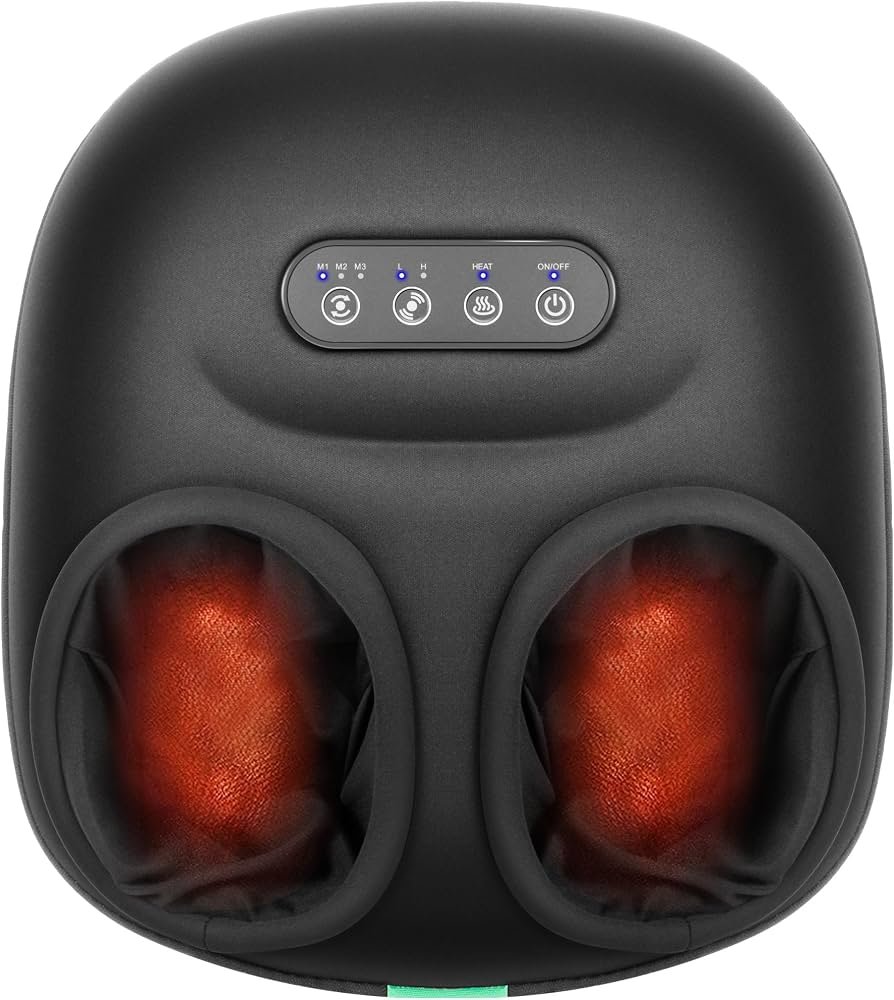
This sounds obvious, but it is one of the most missed steps. Some foot massagers have separate buttons for massage, vibration, heat, and timer settings.
Look for:
• A heat icon or LED indicator
• A separate temperature button
• A remote control setting
• A timer mode that disables heat after a set period
On a few models I’ve tested, the heat only turned on after pressing and holding the button for a few seconds. If the manual is missing, check the control panel carefully before assuming failure.
3. Inspect the cord and plug
A damaged cord can interrupt power to the heating system even if other parts still work. Look for fraying, cuts, bends, or a loose plug head.
Gently move the cord near the plug and near the unit while it is plugged in and switched on. If the heat flickers on and off, there may be an internal break in the wire. That usually means the cord should be replaced rather than repaired with tape.
4. Let the unit reset if it has overheating protection
Many modern foot massagers include a thermal cutoff or safety shutoff. If the device got too hot, ran too long, or was blocked by blankets or thick socks, the heating circuit may have shut down.
Try this:
• Turn the unit off
• Unplug it for 20 to 30 minutes
• Let it cool fully
• Plug it back in and test again
This is one of the easiest fixes, and it often works when the problem is a temporary safety lockout. I’ve seen it happen more than once after someone used a machine on a thick rug or covered the vents.
5. Clean vents and heating areas
Dust, lint, and debris can interfere with airflow and heat transfer. If vents are clogged, the unit may overheat and shut off the heating element as a safety measure.
Use a dry microfiber cloth, a soft brush, or compressed air if the manufacturer allows it. Avoid wet cleaning inside the device unless the manual clearly says it is safe.
6. Test the thermostat or temperature sensor
If the foot massager has heat but it stays lukewarm or shuts off too fast, the thermostat may be misreading the temperature. That sensor tells the unit when to warm up and when to stop.
A faulty thermostat can make the machine think it is hotter than it really is. That leads to weak heat, uneven heat, or no heat at all. This usually requires opening the device and testing with a multimeter, so only do it if you are comfortable with small appliance repair.
7. Check the thermal fuse
The thermal fuse is a safety part that breaks the circuit when the device gets too hot. Once it blows, the heater stops working until the fuse is replaced.
This is a common failure point in small heated appliances. A blown thermal fuse often means the foot massager either overheated or had a poor internal airflow problem. If you replace it, make sure the new fuse matches the original rating exactly.
8. Inspect the heating element or heating pad
If everything else looks fine, the heating element itself may be damaged. This part is what actually generates warmth, and if it fails, the device may still massage without heating.
Signs of a bad heating element include:
• No warmth at all
• Uneven heating
• Heating in one spot only
• Burning smell before failure
• Visible discoloration or damage inside the pad area
Replacing a heating element can be possible on some models, but not all. In many cases, the heating part is built into the frame, which makes repair more difficult.
9. Look for loose internal wiring
Vibration can slowly shake wires loose over time. If your foot massager still runs but won’t heat, a disconnected wire may be preventing power from reaching the heater.
This kind of issue often needs the casing opened and the wire path inspected. If you do this, take photos before touching anything so you can put it back together correctly. That small habit has saved me from a lot of repair mistakes.
10. Check the control board
If the buttons, timer, and heat settings are all electronic, the control board may be the problem. A faulty board can fail to send power to the heating system even when the rest of the machine seems normal.
Control board failure is more common in older units, units exposed to moisture, or devices that have had power surges. If the board is damaged, replacement is sometimes possible, but it may cost nearly as much as a new foot massager.
When a simple fix is enough
Not every heating issue means the machine is broken. Sometimes the fix is as simple as using the right setting, resetting the unit, or cleaning out dust buildup.
A simple fix is more likely when:
• The massager still powers on
• The massage rollers work normally
• The heat worked before and stopped suddenly
• There was a recent power outage or surge
• The unit was stored for a long time before use
These cases usually point to a reset issue, safety cutoff, or loose external connection. That is why I always recommend testing the easy stuff first before opening the machine.
When the repair is not worth it
Sometimes the most practical answer is replacement. If the foot massager is old, the heating part is buried inside the frame, or the control board is expensive, repair may cost too much for the value you get.
Replacement often makes more sense when:
• The unit is out of warranty and heavily worn
• Multiple parts have failed
• The cord, heater, and control board all seem suspect
• The repair requires special tools you do not have
• The device shows signs of melting, arcing, or severe damage
I know it can feel wasteful to replace a machine that almost works. But if a repair costs close to the price of a new unit, buying a safer, more reliable model is usually the smarter choice.
How to prevent heating problems in the future
A little care goes a long way with heated foot massagers. These devices last longer when they are used within their design limits and stored properly.
Good habits to follow:
• Use the massager on a flat, hard surface when possible
• Do not cover vents with blankets or pillows
• Avoid using it for longer than the recommended session time
• Unplug it after use instead of leaving it connected all day
• Keep it dry and away from moisture
• Clean it regularly to prevent dust buildup
• Avoid pulling the cord to unplug it
I’ve noticed that many heating problems happen because the unit is used like a space heater when it is really designed as a comfort accessory. Treat it gently, and it usually lasts longer.
FAQs about how to fix a foot massager that won't heat
Why does my foot massager massage but not heat?
This usually means the power system still works, but the heating circuit does not. The most common causes are a turned-off heat setting, a blown thermal fuse, a bad heating element, or a loose internal wire.
Can a foot massager heat stop working after overheating?
Yes, many models have a safety cutoff that disables heat if the unit gets too hot. Let it cool, unplug it for a while, and test it again before assuming the heater failed.
Is it safe to open a foot massager and repair it myself?
Only if you are comfortable working with small electronics and you always unplug the unit first. If you see melted parts, burnt smells, or damaged wiring, it is safer to use a professional or replace the device.
How do I know if the thermal fuse is blown?
A blown thermal fuse usually stops the heating function completely while other features may still work. A multimeter test can confirm it, but if you are not experienced with electrical testing, a repair shop can check it for you.
Should I replace the heating pad or buy a new foot massager?
If the heating pad is replaceable and the rest of the unit is in good shape, replacement can be worth it. If several parts are failing or the repair is expensive, buying a new foot massager is often the better value.
What if my foot massager heat works sometimes and not others?
That often points to a loose wire, weak cord connection, or a thermostat that is failing intermittently. Heat that comes and goes should be treated as a warning sign, because the problem usually gets worse over time.

Conclusion
Fixing a foot massager that won’t heat is often a matter of working through the basics with patience. Check the outlet, settings, cord, safety cutoff, and internal parts in that order, because the simplest cause is often the real one. When the problem is deeper, parts like the thermal fuse, thermostat, heating element, or control board may need repair or replacement.
The main thing I’ve learned from troubleshooting these devices is this: don’t guess, test. That one habit saves money, time, and a lot of frustration. If your foot massager still won’t heat after these steps, compare the repair cost with the price of a new unit, and make the choice that gives you the best safety and value. If this guide helped, share it, save it for later, or leave a comment with the issue you found.