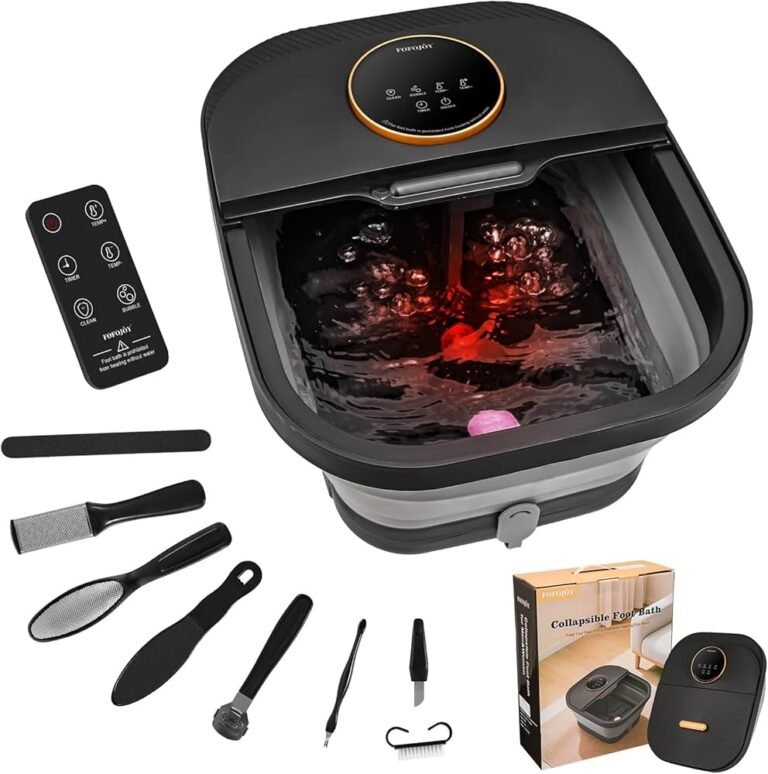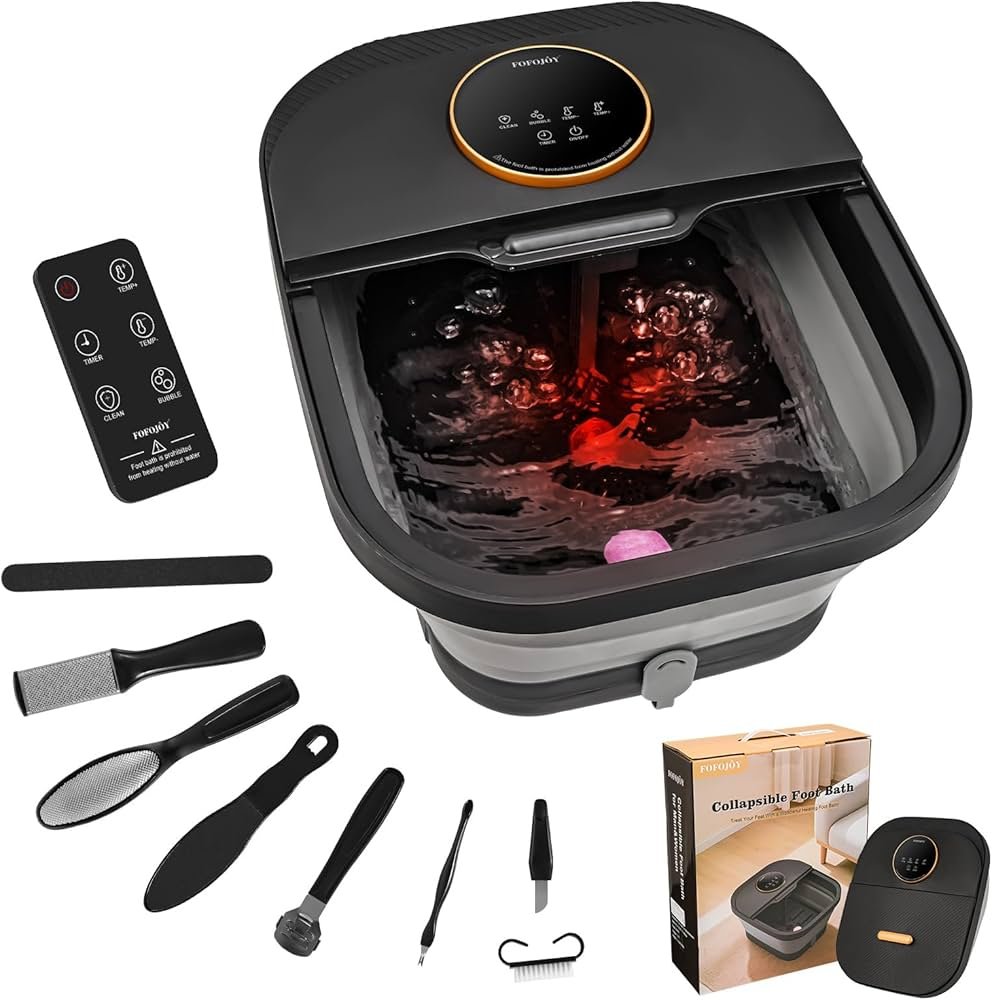
How To Descale A Foot Spa Massager: Easy Clean Guide
A simple vinegar rinse, warm water, and a soft brush remove most mineral buildup safely.
If your foot spa massager has started looking cloudy, smelling off, or losing steam, descaling is probably overdue. I’ve seen this happen a lot with foot spa units, especially in homes with hard water, and the fix is usually easier than people expect. In this guide, I’ll walk you through how to descale a foot spa massager the right way, what causes buildup, what to avoid, and how to keep the machine cleaner for longer.
Why a foot spa massager needs descaling
A foot spa massager sits in warm water, which makes it a magnet for mineral deposits. Over time, calcium and magnesium from hard water stick to the tub, jets, rollers, and internal lines. That buildup can make the unit look dirty, smell stale, and work less efficiently.
I’ve noticed that many people confuse mineral buildup with soap scum or mildew. They can look similar, but descaling targets the chalky white or dull crust left behind by minerals. If you ignore it, the machine may lose water flow, heat less evenly, or feel less relaxing than it should.

What you need before you start
Before you descale a foot spa massager, gather a few simple supplies. You usually do not need harsh chemicals, and in many cases a mild acidic cleaner works best.
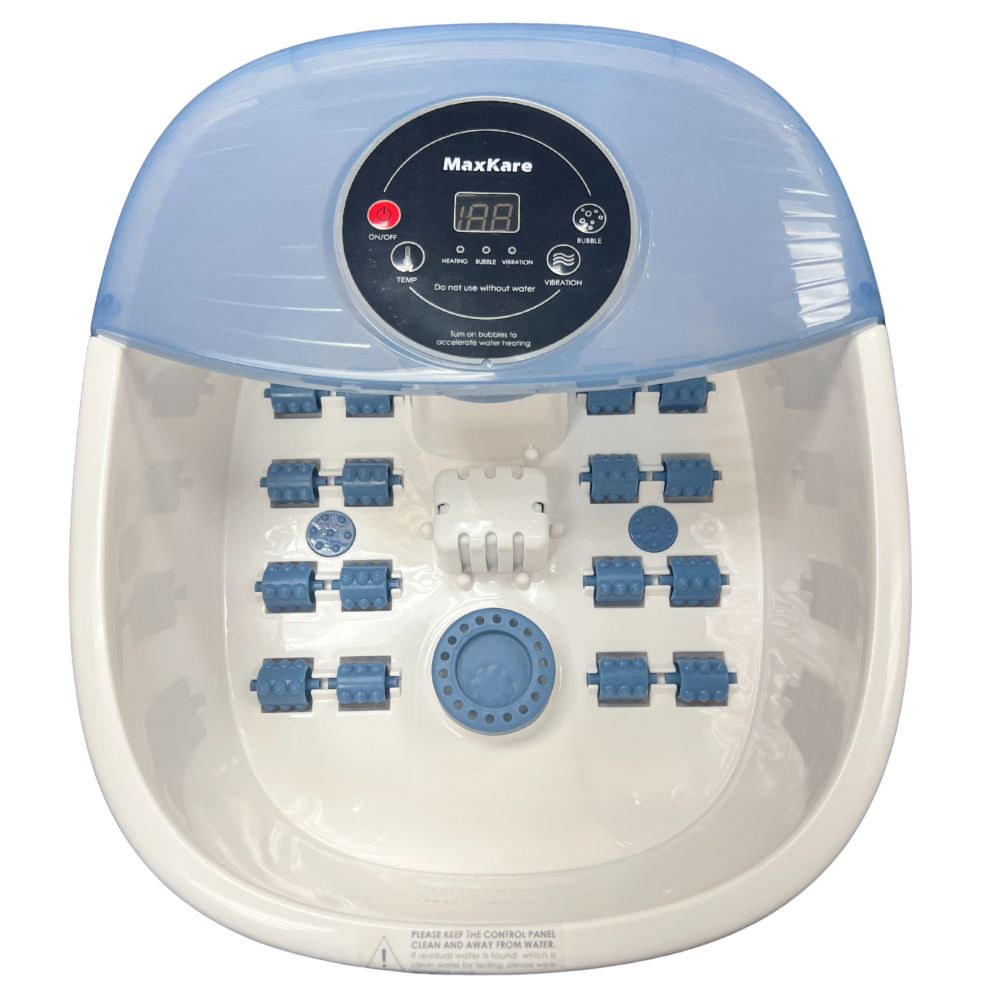
Here’s a basic setup:
- White vinegar or citric acid powder
- Warm water
- A soft cloth or sponge
- A soft toothbrush or detail brush
- A small bowl
- A dry towel
If your unit has a removable liner or detachable parts, check the manual first. Some models have sensitive electronics, heating plates, or massage mechanisms that should never be soaked fully. A quick look at the manufacturer’s instructions can save you from expensive damage.
How to descale a foot spa massager step by step
The safest way to descale a foot spa massager is to use a gentle acid like white vinegar or citric acid. These help break down mineral deposits without scratching the surface. I’ve used this method on several spa-style foot tubs, and it works well when buildup is mild to moderate.
Step 1: Unplug and empty the unit
Always unplug the foot spa massager first. Then pour out any remaining water and wipe away loose debris.
This sounds obvious, but it matters. A wet appliance and electricity are a bad mix, and skipping this step is one of the most common mistakes people make. Let the unit cool if it was recently used, especially if it has a heating function.
Step 2: Rinse out loose residue
Fill the basin with a little warm water and swish it around. Dump it out again. This helps remove soap, skin flakes, and loose mineral bits before you begin descaling.
If your unit has jets or small openings, gently tilt it so water reaches those areas. You do not need to scrub yet. Think of this as a prewash, like rinsing a pan before soaking it.
Step 3: Make a descaling solution
Mix one of these:
- 1 part white vinegar to 1 part warm water
- 1 to 2 tablespoons of citric acid per quart of warm water
For heavy buildup, you can use the vinegar mix and let it sit a little longer. I usually recommend starting mild first. Stronger is not always better, especially with plastic parts and seals.
Step 4: Fill the basin and let it soak
Pour the solution into the foot spa massager until the dirty areas are covered. Let it sit for 15 to 30 minutes. If the buildup is heavy, you can leave it for up to 45 minutes, but avoid long soaks unless your manual says it is safe.
During this time, the acid loosens the mineral layer so it comes off more easily. If you notice fizzing, that is a normal reaction when acid meets mineral deposits. It is a little like the cleaner doing the work for you.
Step 5: Scrub the problem areas gently
Use a soft cloth, sponge, or toothbrush to clean the sides, jets, rollers, and corners. Focus on any cloudy spots or chalky patches. Do not use steel wool or abrasive pads, because they can scratch plastic and make future buildup worse.
For tight spaces, a soft toothbrush is one of the best tools. I’ve found that a gentle circular motion works better than hard scrubbing. If the deposits do not come off right away, soak a bit longer instead of forcing it.
Step 6: Run the solution briefly if the manual allows it
Some foot spa massagers can circulate the cleaning solution for a short time. Others should not be run with vinegar at all. If your manual allows circulation, let it move for a few minutes, then shut it off.
This can help clean internal lines and jets that you cannot reach by hand. But if you are unsure, do not risk it. The safest rule is simple: when in doubt, keep the solution in the basin only.
Step 7: Drain and rinse thoroughly
Empty the basin completely. Then rinse it two or three times with clean warm water to remove any vinegar or citric acid smell.
This step is important because leftover cleaner can irritate skin. A foot spa should feel soothing, not like a kitchen sink after cleaning day. If the smell remains, keep rinsing until it fades.
Step 8: Dry all surfaces
Use a clean towel to dry the basin, jets, rollers, and outer shell. Leave the lid open or let the unit air dry fully before storing it.
Moisture left inside can encourage odor, mold, or fresh mineral spots. I always tell people to think of drying as part of cleaning, not an extra step. Skipping it is like washing dishes and leaving them wet on the counter.

Best cleaning solutions for descaling a foot spa massager
Not every cleaner is suitable for every unit. The safest options are usually mild and non-corrosive. When I’ve worked with different foot spa models, the gentlest cleaners gave the best long-term results.
White vinegar
White vinegar is the most common descaling option. It works well on mineral buildup and is easy to find at home.
Best for:
- Light to moderate scale
- Regular maintenance
- Budget-friendly cleaning
Limitations:
- Strong smell
- May not be ideal for delicate finishes if used too often
Citric acid
Citric acid is a great option if you want less odor. It is often used in appliance cleaning because it dissolves mineral deposits effectively.
Best for:
- Hard water buildup
- People sensitive to vinegar smell
- Regular descaling routines
Limitations:
- Must be measured carefully
- Can still be too strong if overused
Mild dish soap
Dish soap is good for general cleaning, but it does not really descale. It can be used after descaling to remove residue and freshen the unit.
Best for:
- Final wash
- Surface grime
- Light maintenance
Limitations:
- Not strong enough for mineral deposits
What not to use when descaling
Some products can damage the finish, seals, or heating parts of a foot spa massager. I’ve seen units ruined by people trying to “deep clean” with the wrong chemicals.
Avoid these:
- Bleach, unless the manufacturer specifically says it is safe
- Ammonia-based cleaners
- Abrasive powders
- Steel wool or rough scrub pads
- Very hot water on plastic parts
- Undiluted strong acids
Bleach can be especially risky because it may damage materials and leave harsh residue. Strong cleaners can also shorten the life of pumps and seals. The goal is to clean the machine, not punish it.
How often should you descale a foot spa massager
How often you descale a foot spa massager depends on your water quality and how often you use it. If you have hard water or use the spa several times a week, monthly cleaning is a smart starting point.
A simple schedule looks like this:
- After each use: empty, rinse, and dry
- Weekly: wash the basin with mild soap
- Every 2 to 4 weeks: descale with vinegar or citric acid
- More often if you see cloudy film, white crust, or weak jets
If your area has very hard water, you may need to clean it more often. I’ve seen some homes need descaling every two weeks, while others only need it once a month. Your water often decides the schedule for you.
Signs your foot spa massager needs descaling
You do not always have to wait for visible buildup. Your machine will often tell you it needs attention in small ways first.
Watch for these signs:
- White or cloudy film inside the basin
- Weak massage jets
- Slower heating
- Stale or mineral-like odor
- Rough or chalky patches on the bottom
- Water not flowing as smoothly as before
These are early warnings, not just cosmetic issues. Catching buildup early makes cleaning faster and safer. It also helps protect the pump and heating elements.
Mistakes to avoid
The biggest descaling mistakes are usually simple ones. I made one myself years ago by soaking a plastic unit too long in a strong vinegar mix, and the surface lost some of its shine. That lesson stuck with me.
Avoid these common errors:
- Leaving water in the unit after each use
- Using harsh chemicals too often
- Scrubbing with abrasive tools
- Ignoring the user manual
- Forgetting to rinse after descaling
- Storing the unit while damp
A foot spa massager is a bit like a coffee maker. If you keep it clean little by little, you avoid bigger problems later. Regular care is much easier than trying to rescue a neglected machine.
Extra care tips to keep buildup away
Once you descale a foot spa massager, a few habits can slow future buildup. These small steps make a big difference over time.
Try these tips:
- Use filtered water if your tap water is very hard
- Empty the basin right after each use
- Wipe the inside dry before storing
- Avoid using too much soap or bath oil
- Run a light vinegar rinse once in a while
- Clean removable parts separately when possible
If you like adding bath salts or soaking products, check whether your model can handle them. Some formulas leave behind more residue than people expect. A relaxing soak should not turn into a cleaning project every time.
Frequently Asked Questions
How do I descale a foot spa massager naturally?
You can descale it naturally with white vinegar or citric acid mixed with warm water. Let the solution sit for 15 to 30 minutes, then scrub gently and rinse well.
Can I use bleach to clean my foot spa massager?
Bleach is usually not the best choice unless the manufacturer clearly approves it. It can damage surfaces, seals, and internal parts, and it may leave a harsh residue.
Why does my foot spa massager get white buildup so fast?
White buildup usually comes from hard water minerals like calcium and magnesium. If your area has hard water, deposits can form quickly, especially when the machine is not dried after use.
How do I clean the jets in a foot spa massager?
Soak the jets with a vinegar or citric acid solution if the design allows it, then use a soft brush or toothbrush to clear deposits. If the jets are internal, check the manual before running any solution through the unit.
Is vinegar safe for all foot spa massagers?
Not always. Most units handle diluted vinegar well, but some materials and finishes may be sensitive, so it is best to check the product manual first. If you are unsure, use a gentler citric acid solution.
Conclusion
Keeping a foot spa massager clean does not have to be complicated. The best approach is simple: empty it after use, descale it regularly, rinse it well, and dry it completely. Once you build that habit, the machine lasts longer and feels much better every time you use it.
If you have hard water or use your spa often, make descaling part of your routine instead of waiting for buildup to get bad. A few minutes of care can save you from weak jets, odors, and wear over time. Try the steps above the next time your foot spa needs freshening up, and keep an eye on how much smoother it performs. If this guide helped, explore more home care tips and share your own cleaning routine in the comments.