How To Calibrate A Massage Chair: Easy Step-By-Step Guide
To calibrate a massage chair, reset its sensors, align its parts, and follow the maker’s setup steps.
Learning how to calibrate a massage chair can improve comfort, body scanning, roller accuracy, and safety. This guide explains the process in simple steps, with practical tips for common problems such as uneven rollers, poor body detection, noisy movement, and incorrect footrest positioning.

What Does It Mean to Calibrate a Massage Chair?
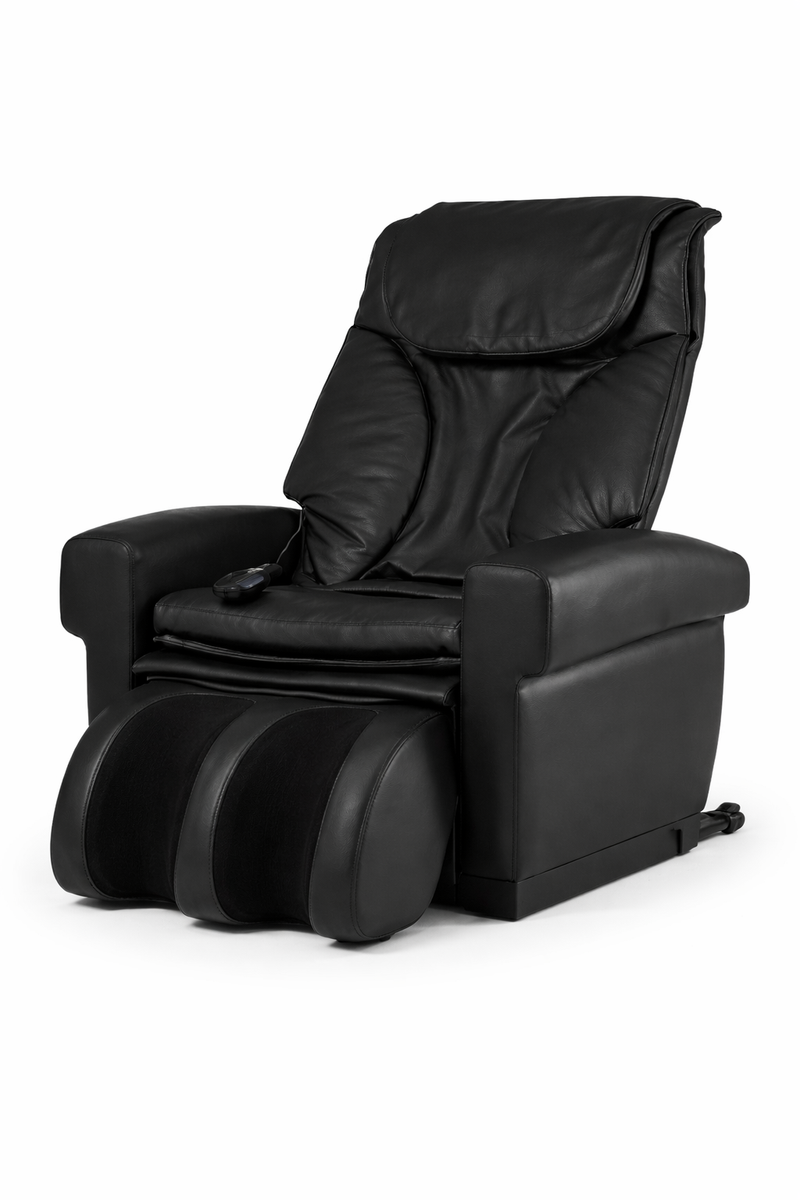
To calibrate a massage chair means setting its sensors, rollers, body scan system, footrest, and recline functions to their correct starting positions. Think of calibration as giving the chair a clean map of your body and its own moving parts.
Many modern chairs use sensors to estimate your height, shoulder position, spine length, and leg length. If those sensors lose their reference point, the massage may feel too high, too low, too strong, or uneven.
The exact process varies by brand and model. Some chairs calibrate themselves when they start. Others have a reset option in the remote, a hidden service menu, or a manual alignment process.
Common signs that your chair may need calibration include:
• The rollers stop above or below your shoulders.
• The chair detects your body size incorrectly.
• The foot rollers do not line up with your feet.
• The left and right sides feel uneven.
• The chair stops before reaching its normal reclined position.
• The footrest extends too far or does not retract fully.
• The chair makes unusual sounds during movement.
Calibration does not fix every fault. A worn gear, loose cable, damaged sensor, or broken motor may need professional repair.
When Should You Calibrate a Massage Chair?
You may need to calibrate a massage chair after moving it, unplugging it for a long time, replacing a part, or noticing a change in massage position. A power surge or interrupted movement can also cause the chair to lose its reference point.
It is wise to calibrate the chair in these situations:
• After delivery and assembly
• After moving the chair to another room
• After replacing the remote, control board, motor, or sensor
• When the body scan feels wrong
• When the rollers do not return to their normal home position
• When the footrest or recline system acts unevenly
• After a firmware update, if the manual recommends it
Do not calibrate the chair just because one massage program feels different. Different programs use different roller paths, speeds, and pressure levels. First test a basic manual massage to see whether the problem affects the whole chair.
In my experience reviewing setup instructions for complex home devices, the most common mistake is changing advanced settings too soon. A simple reset often solves the issue, while an incorrect service setting can create a larger problem.

What You Need Before You Start
Before you calibrate a massage chair, prepare the chair and its space. A smooth setup reduces the chance of false sensor readings or accidental damage.
Use this checklist:
• Place the chair on a firm, level floor.
• Leave enough space behind and in front of the chair.
• Remove pillows, blankets, toys, and other objects.
• Check that the power cord is fully connected.
• Keep the remote within reach.
• Read the calibration section in the owner’s manual.
• Make sure no person is sitting in the chair unless the manual says otherwise.
• Inspect the footrest, side panels, and moving parts for visible damage.
The chair should usually be empty during a reset. Some models need a person seated inside for a body scan, but that step comes after the mechanical reset. Never place your hands near rollers, hinges, foot wells, or recline joints while the chair is moving.
A useful safety rule is simple: if a moving part can pinch a finger, keep your hands away from it.

How to Calibrate a Massage Chair Step by Step
The following method works for many home massage chairs. Your model may use different button names, so treat the owner’s manual as the final authority.
1. Turn off the chair
Stop every massage program. Return the chair to its upright position if possible. Remove anything from the seat, backrest, arm wells, and footrest.
Wait until all movement stops. Do not unplug the chair while the rollers or recline motor are moving.
2. Unplug the power cord
Switch the chair off and unplug it from the wall. Wait about 60 seconds. This gives the control system time to clear temporary movement data.
Some manufacturers recommend a longer wait. Follow the manual if it gives a specific time.
3. Check the connections
Inspect the power cord, remote cable, air hoses, and visible connectors. A loose connection can look like a calibration problem.
Do not open the control box or remove panels unless you are qualified and the manufacturer allows it. Internal parts may contain stored electrical energy or may be damaged by static.
4. Restore power
Plug the chair directly into a suitable wall outlet. Avoid using a loose extension cord or an overloaded power strip.
Turn on the main switch. Many chairs will move the rollers to a home position and test the recline or footrest system. Keep the area clear during this process.
5. Run the automatic reset
Look for a button or menu labeled:
• Reset
• Roller reset
• Position reset
• System initialization
• Zero position
• Auto calibration
Select the correct option and wait until the chair stops. Do not press other buttons during the cycle.
6. Calibrate the body scan
Sit in the center of the chair with your back against the backrest. Keep your head in a natural position. Place your feet flat in the foot wells if the chair asks you to do so.
Start the body scan or automatic massage program. Stay still while the chair checks your shoulder and spine position.
If the chair has a manual shoulder adjustment, confirm the roller position before starting a strong massage. The rollers should contact the muscles beside your spine, not the spine itself.
7. Check the footrest
Place both feet fully into the foot compartments. Your heels should reach the heel pockets, and your toes should not be forced against the top.
If the foot rollers feel too high or too low, check whether the footrest length can be adjusted. Do not force it by pushing with your legs.
8. Test a gentle program
Choose a short manual or recovery program at low intensity. Check the shoulder, back, hip, arm, calf, and foot areas.
Stop the program if you feel sharp pain, strong pressure on a joint, numbness, or unusual heat. Calibration should improve position and control. It should not cause pain.
9. Save the settings if available
Some chairs allow you to save body size, shoulder height, footrest length, or user profiles. Save the settings only after the chair completes its scan.
Write down the preferred shoulder setting and intensity. This makes it easier to restore your setup after a reset.
How to Calibrate the Body Scan and Shoulder Position
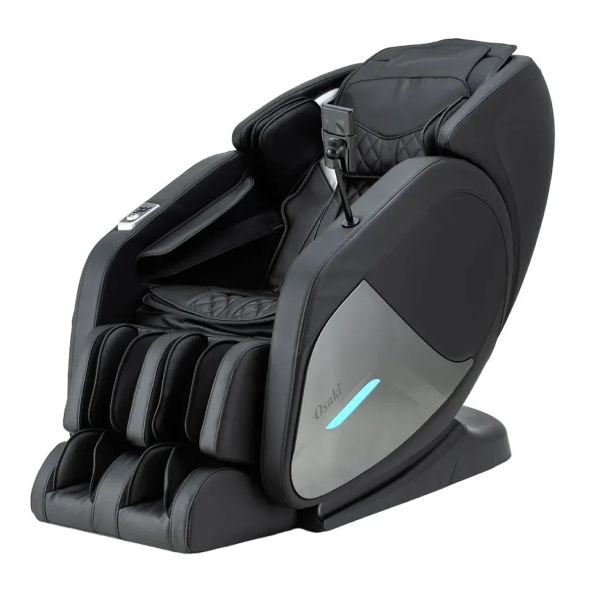
The body scan is one of the most important parts of massage chair calibration. It estimates where your shoulders and spine are located so the rollers can follow the right path.
Sit with your body centered. Do not lean to one side. Keep your shoulders relaxed, but do not slump. If you sit too far forward, the chair may read your back length incorrectly.
For better results:
• Place your hips near the deepest part of the seat.
• Keep your head against the headrest when instructed.
• Keep both shoulders at a similar height.
• Avoid wearing a thick coat during the scan.
• Remove large items from your pockets.
• Keep your feet in the foot wells.
• Stay still until the scan ends.
A thick shirt can slightly change how the rollers feel, but it should not create a major error. If the chair repeatedly places the rollers too high or too low, use the manual shoulder adjustment instead of repeating the scan many times.
Most chairs provide several shoulder height levels. Select the lowest setting if the rollers sit above your shoulders. Select a higher setting if they sit below your shoulders. Make small changes and test them with a low intensity.
Never use the roller path as a substitute for medical treatment. People with severe back pain, recent surgery, fractures, or nerve symptoms should ask a health professional before using a massage chair.
How to Calibrate the Rollers
Roller calibration helps the massage mechanism find its home position and move smoothly along the track. A reset may be needed if the rollers stop in the wrong place or make a repeated clicking sound.
Start with the chair empty and upright. Use the roller reset or system initialization option from the remote. Let the rollers complete the full return cycle.
After the reset, check these points:
• The rollers return to the same home position each time.
• The rollers move evenly on both sides.
• The rollers do not press hard when the chair starts.
• The track does not produce grinding or scraping sounds.
• The rollers stop when you press the stop button.
A soft motor sound is normal. Grinding, loud clicking, burning smells, or sudden stops are not normal. Unplug the chair and contact the manufacturer if these signs appear.
Do not apply oil or grease unless the manufacturer specifically recommends it. The wrong lubricant can damage belts, attract dust, or affect sensors. Some tracks are designed to remain dry.
A technician’s lesson that applies here is to avoid forcing a stuck roller. Manual force can damage the track or shift the mechanism farther out of alignment.
How to Calibrate the Footrest and Air Massage
Footrest calibration usually involves checking length, angle, foot sensors, and airbag pressure. The chair must know where your calves and feet are so it can inflate the airbags correctly.
Begin by retracting the footrest fully. Then extend it using the remote. Watch for smooth movement and listen for unusual sounds.
For a proper fit:
• Put your heels into the heel pockets.
• Keep your toes relaxed.
• Make sure your calves sit inside the calf wells.
• Do not place shoes inside the foot compartments.
• Adjust the leg extension in small steps.
• Stop if the footrest presses sharply against your knees.
The footrest should support your legs without pushing your knees upward. If your knees feel locked or strained, shorten the leg section or change the recline angle.
Air massage can feel uneven when one foot is not fully inside its compartment. It can also feel stronger when the chair is set to a high air pressure level. Test the air system at low or medium pressure after calibration.
If only one side inflates, inspect the visible air tubes for a loose connection. Do not remove internal covers unless the maker provides a safe repair method.

How to Calibrate a Massage Chair Without a Remote
You may still be able to reset a massage chair without its remote, but the method depends on the model. Some chairs have power and recline controls on the side panel. Others require the original remote or a replacement controller.
Try these safe options:
• Check for a side control panel.
• Look for a reset button near the power switch.
• Unplug the chair for one minute, then restore power.
• Check the manual for a button combination.
• Use the manufacturer’s approved replacement remote.
Avoid random button combinations found online. A hidden service menu may change motor limits, sensor values, or factory settings.
If the chair is stuck in a reclined position, use the emergency return feature if the model has one. Do not push the backrest or footrest by hand. Contact the manufacturer if the chair will not return to a safe position.
Common Massage Chair Calibration Problems
The chair does not detect your shoulders
Sit farther back and center your body. Remove thick clothing and run the body scan again. If the problem continues, the shoulder sensor may need service.
The rollers are too high or too low
Use the manual shoulder adjustment after the scan. A small change can make a large difference, so test one setting at a time.
The footrest does not match your height
Retract and extend the footrest fully. Then adjust the leg length with both feet placed correctly. If one side moves differently, stop using the chair until it is inspected.
The chair stops during calibration
Check for an object under the chair or inside the track area. Also check the power connection. Repeated stopping may indicate an overload, motor fault, or sensor issue.
The chair makes clicking sounds
A light click during normal movement may be harmless. Repeated loud clicking, grinding, or scraping suggests a mechanical problem rather than a calibration error.
The massage feels uneven
Confirm that you are sitting in the center. Check your shoulder setting and reduce intensity. Uneven pressure can also result from a worn roller, damaged airbag, or internal alignment issue.
The chair loses its settings
A weak control board, faulty memory system, or interrupted power supply may be involved. Record the model number and error code before contacting support.
Mistakes to Avoid When Calibrating a Massage Chair
Calibration is usually simple, but a few mistakes can create new problems.
• Do not calibrate while sitting in the chair unless the manual requires it.
• Do not hold the rollers or footrest during movement.
• Do not unplug the chair during an automatic cycle.
• Do not force the backrest, footrest, or massage track.
• Do not change service settings without clear instructions.
• Do not use high intensity during the first test.
• Do not ignore burning smells, smoke, exposed wires, or sharp noises.
• Do not assume a calibration error is always a software issue.
One common mistake is testing the chair with a strong deep tissue program right away. That program may feel uneven even when the chair is correctly calibrated. Start with a gentle manual mode so you can judge the basic position first.
Another mistake is adjusting several settings at once. Change the shoulder height, footrest length, or intensity separately. This helps you identify what actually improves the fit.
How Often Should You Calibrate a Massage Chair?
There is no universal calibration schedule. Most home users do not need to calibrate a massage chair on a fixed weekly or monthly basis.
A reset is usually enough when:
• The chair has been moved.
• The body scan becomes inaccurate.
• A replacement part has been installed.
• The chair displays a position error.
• The rollers fail to return home.
• The footrest behaves differently than before.
Avoid repeated resets when the chair works normally. Unnecessary changes can erase saved user settings and make troubleshooting harder.
Clean the chair according to the manual. Dust and debris can affect moving parts, while moisture can damage electrical systems. Regular inspection is often more useful than frequent calibration.
Safety and Health Considerations
A massage chair is a comfort device, not a diagnostic or medical treatment tool. It may help some people relax, but it should not replace care for an injury or medical condition.
Ask a qualified health professional before using a massage chair if you have:
• A recent operation
• A suspected fracture
• Severe osteoporosis
• A blood clot or history of clotting problems
• A pacemaker or other implanted device
• An uncontrolled heart condition
• Severe numbness or nerve problems
• Pregnancy-related concerns
• A condition affected by heat or pressure
Stop using the chair if you feel chest pain, dizziness, faintness, unusual weakness, sharp pain, or lasting numbness. Contact emergency services for serious or sudden symptoms.
Children should not operate a massage chair without close adult supervision. Keep pets away from the chair, especially during recline and footrest movement.
When to Contact the Manufacturer or a Technician
You should contact the manufacturer when basic calibration does not solve the problem. Support staff may ask for the model number, serial number, error code, and a short description of the movement issue.
Professional service is the safer choice when:
• The chair will not power on.
• A motor continues to run after stopping.
• The chair makes a grinding sound.
• The rollers become stuck.
• The frame looks bent.
• A cable is damaged.
• The chair smells like burning plastic.
• The system shows a repeated sensor error.
• The chair reclines without control.
Take a short video of the problem if it is safe to do so. A video can help support staff identify whether the issue involves the track, motor, air system, or control board.
Do not open the chair to save time if it is still under warranty. Unauthorized repairs may create safety risks and can affect warranty coverage.
Frequently Asked Questions About How to Calibrate a Massage Chair
How do I calibrate a massage chair at home?
Turn off the chair, unplug it briefly, check the connections, restore power, and run the reset or auto calibration function. Then complete the body scan and test the chair at low intensity.
Why is my massage chair not detecting my shoulders?
Sit upright and centered with your back against the backrest. Remove thick clothing, keep still during the scan, and use the manual shoulder adjustment if the automatic scan remains inaccurate.
How often should I calibrate a massage chair?
Most chairs do not need regular calibration when they work correctly. Calibrate after moving the chair, replacing parts, seeing position errors, or noticing poor body scanning.
Can I calibrate a massage chair without the remote?
Some models have side controls or a reset button, but many require the original remote or an approved replacement. Check the owner’s manual before trying any button combination.
Why does my massage chair stop during calibration?
An object may be blocking the track, the power connection may be loose, or the system may detect a motor overload. If the chair repeatedly stops, unplug it and contact the manufacturer.
Is it safe to use a massage chair after calibration?
It is generally safe when the chair passes its reset cycle, moves normally, and has no damaged parts or unusual sounds. Begin with a gentle program and stop if you feel pain, numbness, dizziness, or pressure on a joint.
Conclusion
To calibrate a massage chair, begin with a safe reset, check the power and moving parts, run the body scan, adjust the shoulders and footrest, and test the chair gently. Always follow the model’s manual because calibration controls differ between brands.
Small adjustments often improve the massage more than high intensity or long sessions. If the chair still stops, makes harsh sounds, or moves unevenly, treat the issue as a possible mechanical or electrical fault and seek professional help.
Try the steps above with patience, keep your manual nearby, and share your model or calibration experience in the comments.