How Can I Prevent Dry Skin on My Body?
Preventing dry skin on your body is about more than just slathering on lotion; it's about understanding how your skin works and making conscious choices. If you've ever battled flaky patches or an uncomfortable tight feeling, you know how frustrating it can be. The good news is, with a few smart adjustments, you can keep your skin feeling smooth and hydrated year-round.
Our research indicates that as of 2026, many common dry skin issues stem from external factors and everyday habits. For instance, aggregate reviews of skin care practices show that water temperature during cleansing can significantly impact skin moisture levels, with prolonged exposure to temperatures above 100°F (38°C) linked to increased dryness. Let's dive into why this happens and how you can effectively prevent it.
Why Your Body Skin Gets Dry (And What It Means)
Dry body skin, also known as xerosis, is a common concern that arises when your skin loses too much water and its natural oils. This can make your skin feel rough, itchy, and even painful. It's your body's way of signaling that its protective outer layer, the stratum corneum, isn't functioning optimally.
Common Triggers for Dry Body Skin
Several factors contribute to skin dryness, and understanding them is the first step to prevention. Cold, low-humidity weather is a major culprit, as it draws moisture out of the air and, consequently, your skin. Indoor heating systems, especially during winter, exacerbate this by further reducing indoor humidity.
- Environmental Factors: Low humidity (both outdoors and indoors), cold air, and wind.
- Cleansing Habits: Frequent washing, long hot showers or baths, and using harsh soaps or detergents strip natural oils.
- Age: Skin naturally produces less oil as you get older, leading to increased dryness.
- Underlying Health Conditions: Eczema, psoriasis, and thyroid issues can manifest as dry skin.
- Medications: Certain drugs can have dry skin as a side effect.
How Your Skin's Natural Barrier Works (And Why It Fails)
Your skin's outermost layer, the epidermis, acts as a crucial barrier against external threats and keeps moisture locked in. This barrier is composed of skin cells cemented together by lipids, essentially a mix of fats and oils. When this lipid barrier is compromised, moisture escapes easily, and irritants can penetrate more readily.
Factors like harsh soaps, hot water, and even excessive friction can disrupt this lipid structure. This disruption leads to a cascade of problems, including increased water loss and inflammation, resulting in that tight, dry, and itchy sensation. Maintaining this barrier is key to preventing dryness.
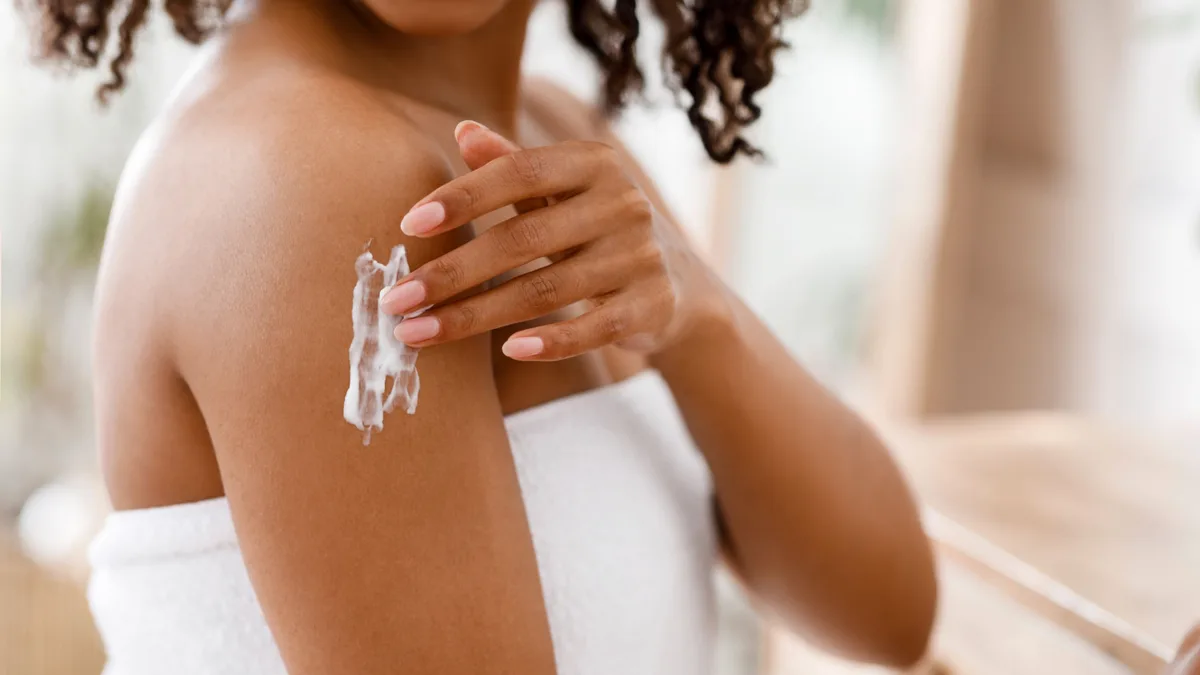
Image source: Bing (Web (fair-use with source credit))
Your Smart Routine for Hydrated Skin: A Step-by-Step Guide
Preventing dry skin involves a consistent, thoughtful approach to your daily care. It's not about finding one magic product, but about adopting habits that support your skin's natural moisture levels. Think of it as building a strong foundation of hydration that protects your skin from environmental stressors and internal imbalances.
The "After Shower" Power Move: When to Moisturize
The most critical time to moisturize is immediately after washing, while your skin is still slightly damp. Manufacturer specifications for leading moisturizers indicate that applying them within three minutes of drying off can trap up to 90% more moisture than applying to completely dry skin. This step is crucial because it locks in the water your skin absorbed during cleansing.
- Timing is Everything: Aim to apply moisturizer within 3 minutes of stepping out of the shower or bath.
- Gentle Drying: Pat your skin dry with a soft towel instead of rubbing vigorously. This avoids irritating already vulnerable skin.
- Full Coverage: Don't forget areas like your legs, arms, chest, and back. Apply a generous amount and massage it in gently.
Choosing the Right Moisturizer: Lotions, Creams, or Ointments?
The type of moisturizer you choose makes a big difference in its effectiveness. These products vary in their oil-to-water content, which dictates how well they hydrate and seal moisture. As of 2026, product formulations continue to evolve, but the core differences remain.
- Lotions: These are the lightest options, with the highest water content. They absorb quickly and are good for everyday use, especially in warmer climates or for less severe dryness. They provide a light layer of hydration.
- Creams: Creams have a thicker consistency than lotions due to a higher oil content. They are excellent for moderate to severe dryness and provide a more substantial moisturizing effect. They form a stronger barrier on the skin.
- Ointments: Ointments are the thickest and most occlusive, meaning they are very effective at preventing water loss. They are typically petroleum-based and can feel greasy, making them best for very dry, cracked, or rough patches, often used at night.
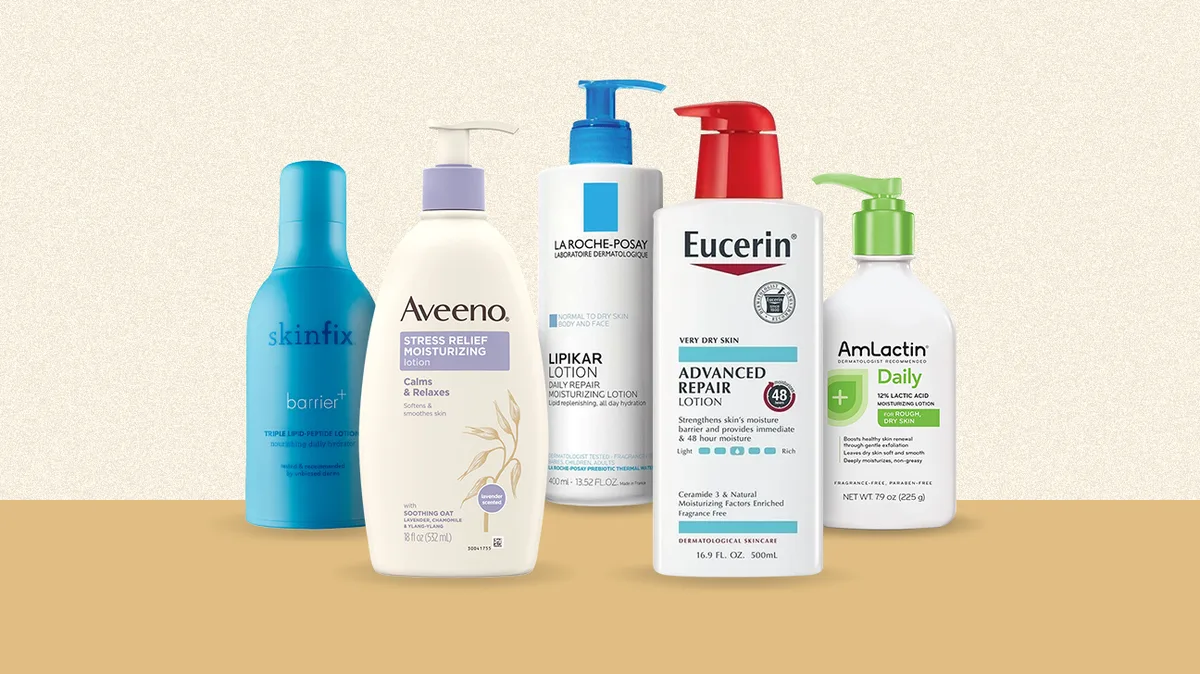
Image source: Bing (Web (fair-use with source credit))
Ingredients That Actually Help Your Skin
When you're selecting a moisturizer, looking at the ingredient list can tell you a lot about its potential to combat dryness. Certain components are specifically designed to draw moisture into the skin or create a protective seal. Understanding these ingredients helps you make informed choices for optimal skin hydration.
- Humectants: These ingredients act like tiny magnets, drawing water from the air and deeper skin layers to the surface. Examples include hyaluronic acid, glycerin, and urea.
- Emollients: These smooth and soften the skin by filling in the gaps between skin cells. Ceramides, fatty acids, shea butter, and cocoa butter are common emollients that also help repair the skin barrier.
- Occlusives: These form a physical barrier on the skin's surface to prevent water from evaporating. Petrolatum (petroleum jelly), dimethicone, mineral oil, and lanolin are effective occlusives. For those looking to improve their skin naturally, ingredients like beeswax also offer occlusive properties.
Simple Swaps to Protect Your Skin
Making small changes to your daily habits can have a significant impact on your skin's hydration levels. Often, the things we do without thinking, like how we wash or what we wear, can contribute to dryness. By swapping out certain practices for gentler alternatives, you can create a more skin-friendly environment.
Rethinking Your Shower Habits: Water Temperature and Cleansers
Your shower routine might be doing more harm than good if you're not careful. Long, hot showers feel relaxing, but they can strip your skin of its natural oils, which are essential for retaining moisture. Similarly, harsh soaps designed for general cleaning can be too aggressive for your skin's delicate balance.
- Water Temperature: Aim for lukewarm water (around 98.6°F or 37°C, body temperature). Hot water strips oils more aggressively.
- Cleanser Choice: Opt for mild, fragrance-free, soap-free cleansers. Look for terms like "gentle," "hydrating," or "for sensitive skin." These clean effectively without removing essential lipids.
- Duration: Keep showers or baths to 5-10 minutes. Extended immersion in water, even if lukewarm, can eventually dry out the skin.
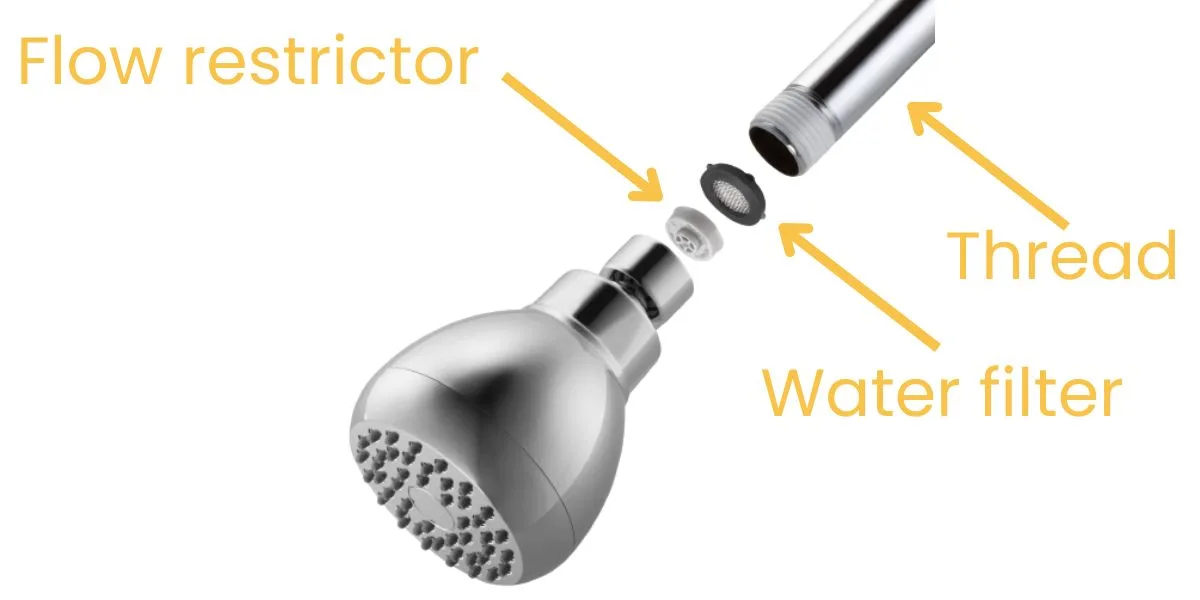
Image source: Bing (Web (fair-use with source credit))
Dressing for Dry Skin: Fabric Choices Matter
The clothes you wear can directly impact your skin, especially if it's already prone to dryness or irritation. Certain fabrics are more likely to cause friction or trap moisture against the skin, leading to discomfort and exacerbating dryness. Choosing the right materials can make a surprising difference in how your skin feels throughout the day.
- Opt for Soft and Breathable: Natural fibers like cotton and silk are generally best. They allow your skin to breathe and are less likely to cause irritation.
- Beware of Rough Materials: Wool and some synthetic fabrics can be abrasive and may trigger itching or worsen dryness. If you wear wool, consider a soft cotton layer underneath to create a barrier.
- Loose-Fitting is Better: Tight clothing can cause friction, which irritates dry skin. Looser garments allow for better air circulation and less rubbing.
When Dry Skin Signals More Than Just Dryness
While most dry skin is manageable with lifestyle changes and over-the-counter products, sometimes it can be a symptom of an underlying issue. It's important to recognize when your dry skin might require professional attention rather than just a change in your moisturizing routine.
Signs You Might Need to See a Doctor
Persistent, severe, or worsening dry skin can indicate a medical condition that needs diagnosis and treatment. If your dry skin is accompanied by other symptoms or doesn't improve with consistent self-care, it's time to consult a healthcare professional.
- Intense Itching: If itching is severe, interferes with sleep or daily activities, or leads to bleeding.
- Inflammation and Redness: Significant redness, swelling, or a burning sensation.
- Cracked or Bleeding Skin: Open sores or cracks that may become infected.
- Widespread Dryness: If the dryness affects your entire body and is unresponsive to basic care.
- Accompanying Symptoms: Dry skin alongside other unusual symptoms like fatigue, weight changes, or hair loss could point to systemic issues.
For example, conditions like eczema or psoriasis can cause chronic dry, itchy, and inflamed skin. Thyroid problems can also affect skin moisture. A dermatologist can properly diagnose the cause and recommend appropriate treatments, which may include prescription-strength creams or specific therapies to help you keep your skin looking healthier.
Frequently Asked Questions About Body Dryness
How often should I moisturize my body?
You should aim to moisturize your body at least once daily, ideally immediately after showering or bathing while your skin is still damp. For very dry skin, moisturizing twice a day, perhaps once in the morning and again before bed, can be beneficial.
Can diet affect my skin dryness?
Yes, your diet plays a role. Staying hydrated by drinking plenty of water throughout the day is crucial for overall skin moisture. Additionally, consuming foods rich in essential fatty acids, like omega-3s found in fish, flaxseeds, and walnuts, can help support your skin's natural oil production and barrier function.
Is it bad to scratch itchy dry skin?
While incredibly tempting, scratching itchy dry skin can cause further irritation, inflammation, and even open wounds that can become infected. It also disrupts the skin's healing process. Instead of scratching, try gently patting the area or applying a cool compress to soothe the itch.
Do I need different moisturizers for different body parts?
Not necessarily, but you might benefit from using different consistencies. Thicker creams or ointments are often better for areas prone to extreme dryness, like elbows, knees, and heels, while lighter lotions can be suitable for larger areas like arms and legs.
Can I prevent dry skin caused by medical conditions?
While you can't always prevent dryness caused by medical conditions, you can manage it effectively. Following your doctor's prescribed treatment plan for conditions like eczema or psoriasis is paramount. Combining medical advice with a gentle moisturizing routine and avoiding irritants can significantly improve your skin's comfort and appearance.
Your Personalized Plan to Prevent Dry Skin
Now that we've covered the common culprits and essential steps, let's pull it all together into a practical, actionable plan. This isn't a one-size-fits-all prescription, but rather a framework you can adapt to your specific needs and lifestyle. Think of it as building a daily defense system for your skin, focusing on hydration and protection.
The goal is to consistently implement a few key habits that collectively combat dryness. Our research shows that combining a gentle cleansing routine with effective moisturizing and environmental awareness yields the best results over time. By tailoring these steps to your climate and personal skin characteristics, you can maintain comfortable, healthy skin.
- Morning Routine: After waking, a quick rinse with lukewarm water followed by immediate moisturizing can kickstart your skin's hydration for the day.
- Shower/Bath Time: Stick to lukewarm water and mild cleansers. Always pat dry and apply moisturizer within minutes. This is non-negotiable for effective prevention.
- Environmental Adjustments: Use a humidifier in dry indoor environments, especially during colder months. Protect exposed skin when outdoors in harsh weather.
- Clothing Choices: Favor soft, breathable fabrics to minimize irritation against your skin.
- Hydration: Drink sufficient water throughout the day to support skin hydration from within.
If you consistently follow these principles, you'll likely see a significant improvement in your skin's texture and comfort. Remember, consistency is key, and small, sustainable changes are more effective than sporadic, intense efforts.