How Can I Make My Hair Shinier?
You're likely here because your hair's lost its spark. That dullness can be frustrating, making even your best hairstyles fall flat. The good news is, achieving that enviable glossy finish isn't about magic, but understanding a few key principles and adopting the right routines.
Making hair shinier often comes down to smoothing the hair cuticle and ensuring it's well-moisturized. Aggregate reviews and manufacturer specifications for hair care products indicate that ingredients like certain silicones and natural oils can help achieve this, with many professional-grade shampoos and conditioners formulated to seal the cuticle. Let's break down exactly how you can get there.
Quick Answer
To make your hair shinier, focus on smoothing the hair cuticle and maintaining moisture. Use sulfate-free shampoos and silicone-free conditioners. Incorporate regular deep conditioning treatments, hair masks, or oils.
Always finish with a cool water rinse and minimize heat styling damage. Healthy diet and hydration also play a significant role.
Assess Your Hair: What's Making It Dull?
Before you start grabbing every shiny-hair product you can find, let's take a moment to understand why your hair might be looking less than lustrous. It's not a one-size-fits-all situation; what works wonders for one person might leave another’s hair feeling heavy or still dull. Pinpointing the root cause is your first step toward a shinier outcome.
Understanding Hair Porosity
Hair porosity refers to how well your hair absorbs and retains moisture. Our research shows hair porosity can generally be categorized into three types: low, medium, and high.
- Low Porosity Hair: The cuticle layers are tightly bound, making it difficult for moisture to get in, but also means it stays trapped once it does. Products can easily build up on low porosity hair, weighing it down and making it look dull.
- Medium Porosity Hair: The cuticle is balanced, allowing moisture to enter and exit easily. This type generally absorbs and retains moisture well, but can still benefit from targeted treatments.
- High Porosity Hair: The cuticle layers are open, meaning hair absorbs moisture quickly but also loses it just as fast. This often leads to dry, rough, and dull-looking hair that needs heavy-duty moisturizing.
You can test your porosity by dropping a clean, dry strand of hair into a bowl of water. If it floats, it's likely low porosity; if it sinks slowly or stays mid-way, it's medium; if it sinks quickly to the bottom, it's high porosity.
Identifying Damage Levels
Damage is a major culprit behind dull hair. When the hair shaft's protective outer layer, the cuticle, is rough, raised, or broken, light can't reflect off it smoothly, resulting in a lack of shine. Common causes include:
- Heat Styling: Frequent use of flat irons, curling wands, and blow dryers without adequate heat protection can strip moisture and damage the cuticle.
- Chemical Treatments: Coloring, bleaching, perms, and chemical relaxers alter the hair's structure, often leaving it more porous and prone to damage.
- Environmental Factors: Sun exposure, harsh winds, and even friction from rough towels or tight hairstyles can contribute to cuticle damage over time.
- Mechanical Stress: Aggressive brushing, especially when hair is wet, can cause breakage and frizz.
Recognizing Product Buildup
Sometimes, your hair might be dull not because it's unhealthy, but because it's coated. Many styling products, conditioners, and even some shampoos contain ingredients like silicones or certain waxes that, over time, can accumulate on the hair shaft. This layer, known as product buildup, acts like a film, blocking light and preventing your natural shine from showing through.
You might notice your hair feeling heavy, greasy, or just… off, even after washing.
Boost Shine with the Right Cleansing & Conditioning
Once you have a better idea of your hair's needs, your shampoo and conditioner become your primary tools for building shine. The right choices here can make a significant difference by cleaning effectively without stripping essential moisture, and by smoothing the hair shaft.
Choosing Your Shampoo & Conditioner Wisely
The foundation of shiny hair starts with your daily wash. For most people aiming for more shine, steering clear of harsh sulfates is key. Sulfates, like Sodium Lauryl Sulfate (SLS) and Sodium Laureth Sulfate (SLES), are powerful cleansing agents that can strip your hair of its natural oils, leading to dryness and dullness.
Look for shampoos labeled "sulfate-free" or "gentle."
When it comes to conditioner, the goal is to smooth and hydrate. Ingredients like ceramides, natural oils, and certain fatty alcohols help to coat the hair shaft and seal the cuticle. For those with lower porosity hair, or hair prone to being weighed down, opting for "silicone-free" conditioners can prevent buildup that dulls shine.
If your hair is very dry or damaged (high porosity), conditioners with specific silicones like dimethicone can help temporarily seal the cuticle and reflect light.
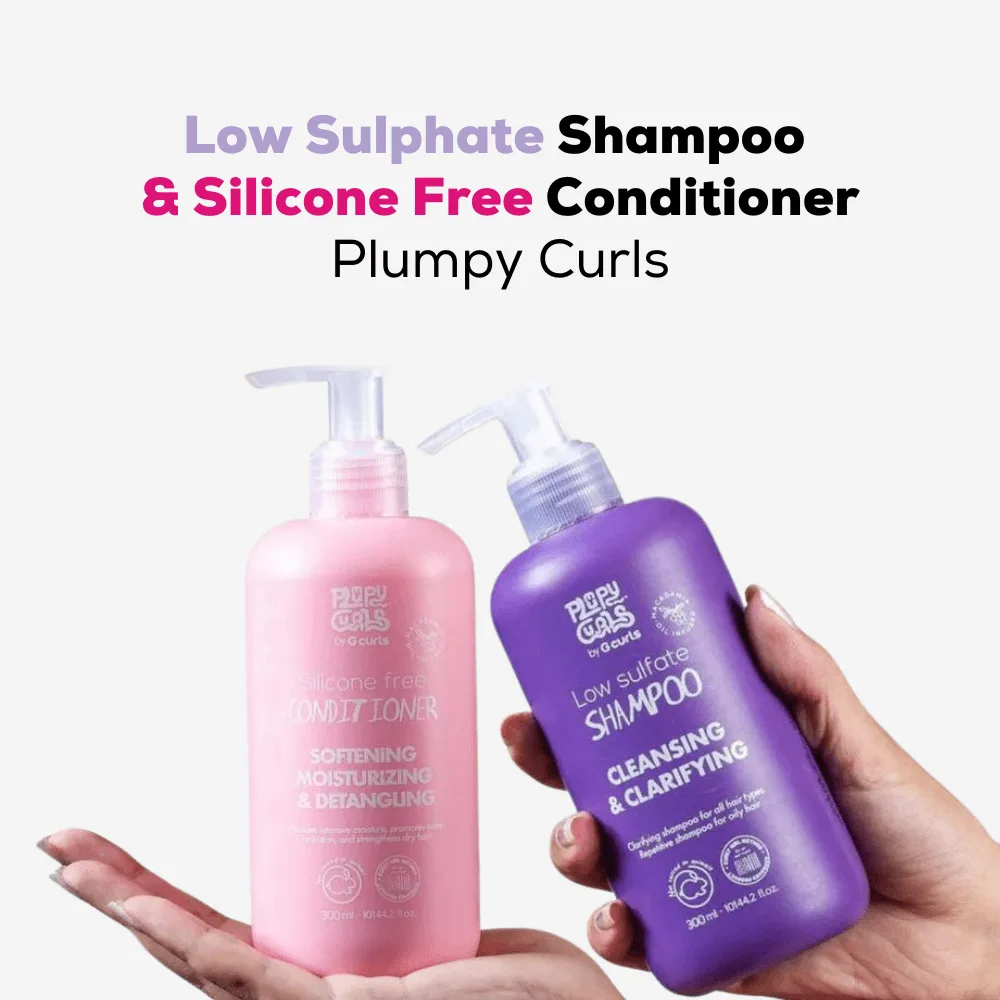
Image source: Bing (Web (fair-use with source credit))
The Power of a Cool Water Rinse
This might sound simple, but it's incredibly effective. After you've thoroughly rinsed out your conditioner, switch your shower water to cool or even cold for about 30 seconds. This temperature shock helps to close and tighten the hair cuticle.
When the cuticle is smooth and flat, it reflects light more uniformly, instantly giving your hair a shinier appearance. Think of it like polishing a surface; a smooth surface gleams better.
How Often to Wash for Optimal Shine
Washing frequency is another factor that influences shine. Over-washing can strip your hair of its natural sebum, the oily substance that moisturizes and protects your scalp and hair. When your scalp is stripped, it can sometimes overcompensate by producing even more oil, leading to greasier, flatter hair that lacks shine.
- For most hair types: Washing every 2-3 days is often ideal. This allows your natural oils to build up slightly, providing moisture and protection that contributes to shine.
- For oily hair: You might find you need to wash daily or every other day, but using a gentle, sulfate-free shampoo is still crucial to avoid stripping too much.
- For dry or curly hair: Washing once or twice a week is usually sufficient to maintain moisture and shine.
If you find your hair is getting dull due to product buildup (as discussed in the previous section), incorporating a clarifying shampoo once every 2-4 weeks can help remove residue without being overly harsh.
Deep Treatments for Luster: Masks, Oils, and Serums
Beyond your daily wash, a few times a week or month, you can give your hair an extra boost of shine with targeted deep treatments. These products are designed to deliver more potent doses of moisture, nutrients, or smoothing agents directly to your hair shaft.
Hydrating Hair Masks for Dryness
Hair masks are essentially super-powered conditioners. They are typically left on for longer periods, anywhere from 10 minutes to an hour, or even overnight, allowing potent ingredients to penetrate the hair shaft. For dullness caused by dryness, look for masks with:
- Humectants: Ingredients like glycerin or hyaluronic acid draw moisture from the air into your hair.
- Emollients: Natural oils (like shea butter, avocado oil) and fatty alcohols help to smooth and soften the hair.
- Proteins: Keratin or amino acids can help repair minor damage to the hair cuticle.
If your hair is low porosity, be cautious with heavy masks, as they can cause buildup. Opt for lighter formulas, perhaps oil-based ones that are easier to rinse out. High porosity hair will likely benefit the most from these intensive treatments.
Nourishing Hair Oils and Their Benefits
Hair oils are fantastic for adding immediate shine and smoothing flyaways. They work by coating the hair shaft, filling in gaps in the cuticle, and creating a smooth surface for light reflection. They also help to lock in moisture.

Image source: Web (Bing) / schedules.ph (Web image (fair-use with source credit))
- For all hair types: A few drops of argan oil or jojoba oil can be smoothed over damp or dry hair, focusing on the mid-lengths and ends. These oils are lightweight and less likely to cause greasiness.
- For drier or coarser hair: Coconut oil or avocado oil can provide deeper hydration. Apply sparingly, as they are heavier.
- Before shampooing: Some oils, like coconut oil, can be used as a pre-poo treatment. Apply to dry hair, leave for 30 minutes, then shampoo and condition as usual. This helps protect hair from stripping during washing.
When using hair oils, always start with a small amount, you can always add more. Overdoing it is a common way to make hair look greasy rather than shiny.
Smoothing Serums for Instant Gloss
Hair serums are typically lighter than oils and often contain silicones. These are excellent for an immediate shine boost and for taming frizz on dry hair. Silicones, like dimethicone or cyclomethicone, create a very fine, smooth coating over the hair shaft.
This coating helps to seal the cuticle and refract light, giving hair that slick, glossy appearance.
Serums are best applied to damp or dry hair, focusing on the ends and any frizzy areas. They can also provide a bit of heat protection, though it's always best to use a dedicated heat protectant spray if you're using hot tools. For fine hair, a very small amount is crucial to avoid weighing it down; consider a silicone-free serum if this is a concern.
Styling Smarter, Not Harder, for Shine
How you style your hair plays a huge role in its shine factor. Heat tools, rough handling, and certain styling techniques can all contribute to dullness by damaging the hair cuticle. The key is to minimize damage and maximize smoothness during your styling routine.
Heat Styling: Protection is Key
If you use blow dryers, flat irons, or curling irons, always use a heat protectant spray or serum first. These products create a barrier between your hair and the heat, preventing extreme moisture loss and cuticle damage. Look for products containing ingredients like silicones, proteins, or plant-based polymers that are designed to withstand high temperatures.
- Blow Drying: Use a medium heat setting and aim the nozzle downwards, following the direction of hair growth. This helps to smooth the cuticle. Avoid excessive tugging or rough drying.
- Flat Irons & Curling Irons: Ensure your hair is completely dry before using these tools. Never pass over the same section of hair multiple times, and always use the lowest effective heat setting. Manufacturer specifications often suggest temperatures between 300°F and 375°F (149°C to 190°C) for most hair types, though some very coarse or resistant hair might need slightly higher settings. As of 2026, many advanced styling tools feature adjustable temperature controls and ceramic or tourmaline plates, which distribute heat more evenly.
Brushing Techniques for a Sleek Finish
Brushing your hair helps to distribute natural oils from your scalp down the hair shaft, which is a natural shine enhancer. However, the way you brush matters.
- Start from the ends: If your hair is tangled, begin by gently detangling the ends, then work your way up towards the roots. This prevents unnecessary pulling and breakage.
- Use the right brush: A boar bristle brush is often recommended for shine because its natural bristles are excellent at distributing oils and smoothing the cuticle without causing static or damage. For detangling, a wide-tooth comb or a brush designed for wet hair is best.
- Don't over-brush: While distribution of oils is good, excessive brushing can actually lead to frizz and breakage. A few strokes at the beginning and end of styling, plus as needed throughout the day, is usually sufficient.
Minimizing Frizz and Flyaways
Frizz is essentially hair cuticles that are raised and exposed, allowing moisture from the air to enter and swell the hair shaft unevenly. This instantly kills shine. To combat it:
- Hydration is crucial: As we've discussed, dry hair is prone to frizz. Ensure your hair is well-moisturized through conditioners, masks, and oils.
- Use finishing products: A small amount of hair serum or a light hair oil smoothed over the surface of dry hair can seal down flyaways and add immediate gloss.
- Avoid friction: Rough towels can create frizz. Gently squeeze excess water out of your hair with a microfiber towel or an old cotton t-shirt instead. Sleeping on a silk or satin pillowcase also reduces friction overnight.
Diet and Lifestyle Habits for Inside-Out Shine
What you consume and how you live your life directly impacts your hair's health and, consequently, its shine. Think of your hair follicles as needing the right building blocks to create strong, vibrant strands.
Fueling Your Hair: Key Nutrients
A balanced diet rich in essential vitamins and minerals is fundamental for healthy hair growth and shine. Our research indicates that deficiencies in certain nutrients can lead to dull, brittle hair. Key players include:
- Proteins: Hair is made of keratin, a protein. Ensuring adequate protein intake (from sources like lean meats, fish, eggs, beans, and nuts) provides the building blocks for strong hair.
- Omega-3 Fatty Acids: Found in fatty fish (salmon, mackerel), flaxseeds, and walnuts, these healthy fats contribute to scalp health and hair luster.
- Vitamins:
- Biotin (Vitamin B7): Often associated with hair health, it aids in keratin production. Found in eggs, nuts, and whole grains.
- Vitamin E: An antioxidant that can protect hair from damage. Present in nuts, seeds, and leafy greens.
- Vitamin C: Aids in iron absorption and collagen production, both vital for hair. Abundant in citrus fruits, berries, and bell peppers.
- Minerals:
- Iron: Essential for oxygen transport to hair follicles. Lean red meat and spinach are good sources.
- Zinc: Plays a role in hair tissue growth and repair. Found in oysters, beef, pumpkin seeds, and lentils.
The Role of Hydration
Drinking enough water is surprisingly important for hair shine. Dehydration can affect your entire body, including your hair. When you're not adequately hydrated, your hair can become dry and brittle, making it appear dull and lifeless.
Aim for the generally recommended daily intake, which for adults is around 8 cups (64 ounces or 1.9 liters) of fluid, though this can vary based on activity level, climate, and individual health. Staying hydrated helps your hair retain moisture, leading to a smoother cuticle and better light reflection.
Common Mistakes That Kill Hair Shine
Even with the best intentions, some common habits can actively work against your efforts to achieve shiny hair. Recognizing these pitfalls is just as important as knowing what to do.
Over-Washing and Under-Conditioning
Washing your hair too frequently strips away natural oils, leaving your hair dry and the cuticle rough. This dryness prevents light from reflecting properly, resulting in dullness. Conversely, skipping conditioner or not using enough means the hair cuticle isn't being properly smoothed and sealed after cleansing.
This leaves hair prone to frizz and a lack of gloss. It’s a double whammy that leads to hair that looks and feels unhealthy.
Using the Wrong Products for Your Hair Type
One of the biggest mistakes is using products not suited for your specific hair needs. For example, heavy, rich products on fine hair can lead to buildup and flatness, masking any natural shine. On the other hand, lightweight products on very dry, coarse hair won't provide enough moisture or smoothing power, leaving it dull.
Always consider your hair's porosity and thickness when selecting shampoos, conditioners, masks, and styling aids.
Heat Damage Without Protection
Consistently using heat styling tools like blow dryers, flat irons, or curling irons without a proper heat protectant is a fast track to dullness. The high temperatures literally cook the moisture out of your hair and can break down the protein structure, causing the cuticle to lift and become rough. This damage is cumulative and can take a long time to repair.
Your Personal Shine Action Plan
Now that we've covered the "why" and the "how," it's time to put it all together. Creating a routine that works for your unique hair can feel overwhelming, but breaking it down makes it manageable. Think of this as building a personalized strategy rather than following a rigid set of rules.
- Step 1: Assess Your Hair. Take a close look. Is it fine or coarse? Oily or dry? Is frizz a major concern, or is it just a general lack of luster? Understanding your hair's porosity and damage level will guide your product choices.
- Step 2: Choose Your Core Products. Select a gentle, sulfate-free shampoo and a moisturizing conditioner suitable for your hair type. If your hair is prone to buildup, consider a silicone-free conditioner. If it’s very dry, a conditioner with beneficial silicones or rich oils might be better.
- Step 3: Schedule Deep Treatments. Decide how often you'll use a hair mask, oil, or serum. For most, once a week or every other week is a good starting point. High porosity hair might benefit from weekly treatments, while low porosity might only need them monthly.
- Step 4: Integrate Styling Smarts. Make heat protectant a non-negotiable step before any heat styling. Practice gentle brushing techniques and consider air-drying or using a microfiber towel when possible.
- Step 5: Sip and Nourish. Increase your water intake and ensure your diet includes plenty of protein, healthy fats, vitamins, and minerals. These internal factors are foundational for healthy, shiny hair.
Remember, consistency is key. It may take a few weeks of dedicated care to see a significant change, but by addressing the root causes of dullness and adopting these practices, you'll be well on your way to achieving that coveted glossy shine.
Frequently Asked Questions
How long does it take to see shinier hair?
Typically, you can see an improvement in shine after just one or two uses of the right products, especially with treatments like cool water rinses or applying a shine serum. However, for more significant, lasting results that come from improved hair health, consistency over several weeks to a couple of months is often needed.
Can I make my hair shinier if it's naturally dull?
Yes, even naturally dull hair can be made shinier by focusing on smoothing the hair cuticle and ensuring it's properly hydrated. While some hair types may reflect light more readily than others, the principles of cuticle health and moisture balance apply universally.
What ingredients should I look for in products for shine?
Look for moisturizing ingredients like glycerin, hyaluronic acid, shea butter, argan oil, and jojoba oil. Proteins like keratin can help repair damage. For instant gloss, certain silicones like dimethicone can be very effective by smoothing the cuticle.
How does hard water affect hair shine?
Hard water contains high mineral content. These minerals can build up on the hair, creating a dull film that prevents light from reflecting, thus reducing shine. Using a clarifying shampoo periodically or a specialized hard water shampoo can help remove this buildup.
Can diet really affect hair shine?
Absolutely. Hair grows from within, so the nutrients you consume are directly incorporated into your hair structure. A diet rich in proteins, healthy fats, vitamins (like biotin and E), and minerals (like iron and zinc) provides the building blocks for strong, healthy hair that naturally has more shine.