Should I Condition My Hair Every Time I Wash It?
So, should you condition your hair every time you wash it? For many, the answer is a clear yes, but for others, it can lead to less-than-ideal results. It really boils down to understanding your unique hair type and what it needs to thrive.
Our research indicates that hair porosity, which is how well your hair absorbs and holds moisture, plays a significant role, alongside factors like hair thickness and scalp oil production. As of 2026, manufacturer specifications for hair conditioners often highlight moisturizing agents and protein structures designed to coat and smooth the hair shaft. Let's break down what that means for you.
Quick Answer
Conditioning every wash is often beneficial for dry, damaged, or curly hair. However, fine or oily hair may become weighed down and appear greasy. Assess your hair's texture, oiliness, and goals to decide if daily conditioning is right for you.
When Does Conditioning Every Wash Make Sense?
Most of us reach for conditioner after shampooing, viewing it as a necessary step. But is it always needed? In our research, we've found that the effectiveness and necessity of conditioning with every wash depend heavily on individual hair characteristics.
For instance, if your hair feels rough, tangles easily, or looks dull after shampooing, that's a strong signal that it’s craving the moisture and slip a conditioner provides.
Consider hair porosity: hair with high porosity absorbs moisture easily but also loses it quickly. This type often benefits from frequent conditioning to seal the cuticle. Conversely, low porosity hair can be easily overwhelmed by too much product, leading to build-up.
Aggregating user feedback across various hair types often shows that hair that has undergone chemical treatments, heat styling, or is naturally very dry sees the most consistent improvement from conditioning at every wash.
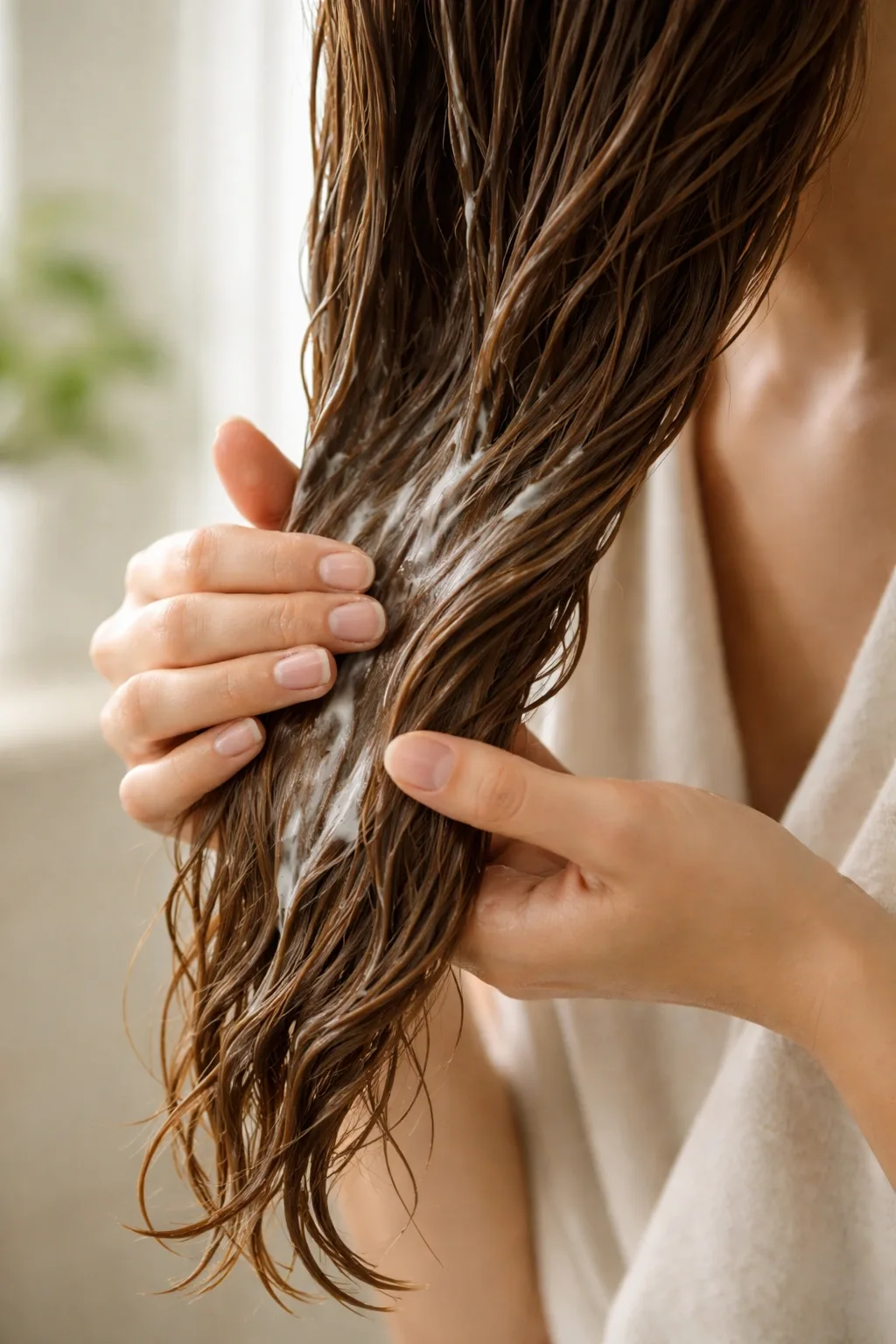
Image source: Bing (Web (fair-use with source credit))
What's Your Hair Type Telling You?
Your hair's fundamental characteristics are the biggest clues in deciding your conditioning frequency. What works for one person can actively harm another's hair if the types are too different. Understanding these distinctions is key.
Fine Hair's Needs
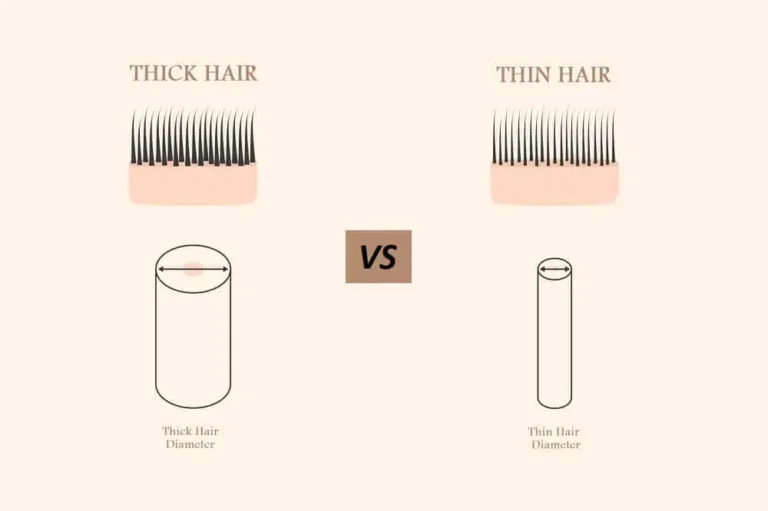
Fine hair has a smaller diameter than thicker hair types, and it can get weighed down very easily. If you have fine hair, conditioning every single wash might make it look flat, limp, and even greasy, almost as if you haven't washed it at all. This is because the lighter structure of fine strands can't handle the same amount of moisturizing ingredients that coarser hair can.
Aggregated user reviews often report that fine-haired individuals find relief by conditioning only a few times a week, or by using a very lightweight conditioner specifically formulated for volume. Some might only apply conditioner to the very ends of their hair, avoiding the scalp and roots entirely. This targeted approach helps retain some moisture where it's needed most without sacrificing body.
Image source: Bing (Web (fair-use with source credit))
Thick & Coarse Hair's Needs
Thick or coarse hair often has a natural tendency towards dryness because its structure makes it harder for the scalp's natural oils to travel down the entire hair shaft. This means these hair types generally welcome the extra hydration and slip that conditioner offers. Regular conditioning helps to smooth the hair cuticle, reduce friction between strands, and improve manageability.
Manufacturer specifications for conditioners targeting coarse hair often list ingredients like shea butter, argan oil, or ceramides, which are known for their deep moisturizing and smoothing properties. If your thick hair feels rough, prone to static, or difficult to comb through after washing, increasing your conditioning frequency is likely to yield positive results. As of 2026, many professional stylist recommendations emphasize consistent hydration for maintaining the health and appearance of thicker hair.
Curly & Wavy Hair's Needs
Curly and wavy hair patterns present unique challenges, primarily related to moisture retention. The twists and turns of curls mean that natural sebum from the scalp has a harder time lubricating the entire strand. This often results in dryness, frizz, and a lack of definition, especially for tighter curl patterns.
Our research indicates that for many with curly or wavy hair, conditioner is not just an optional add-on but a crucial component of their wash day routine. Skipping conditioner can lead to increased tangles, breakage, and a compromised curl pattern. Many in the curly hair community even practice co-washing, which involves washing hair primarily with conditioner and only occasionally using shampoo, highlighting the importance of this product.
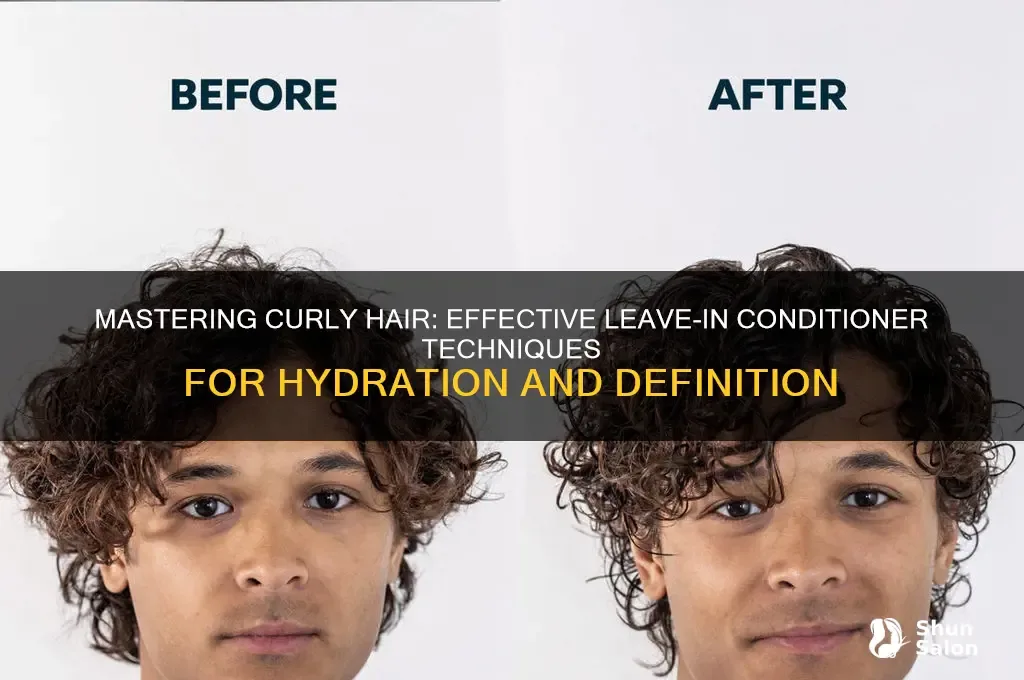
Image source: Bing (Web (fair-use with source credit))
Dry & Damaged Hair's Needs
When hair is dry or damaged, whether from heat styling, chemical treatments like coloring or perms, or environmental factors, its natural protective outer layer, the cuticle, can become compromised. This damage leads to moisture loss and increased fragility. For these hair types, conditioning with every wash is typically not just recommended, but essential for recovery and maintenance.
Formulas designed for dry or damaged hair often contain ingredients such as hydrolyzed proteins, amino acids, and humectants, which work to repair and replenish the hair shaft. Per industry standards, these ingredients help to smooth the cuticle, reduce split ends, and improve the hair's overall elasticity and strength. If your hair feels brittle, breaks easily, or lacks shine, consistently using conditioner after each wash is a key step toward restoring its health.
How Often You Wash Impacts Conditioning
Your hair washing frequency directly influences whether you should condition every time you shampoo. If you're someone who washes their hair daily, conditioning daily might indeed be too much, especially if your hair isn't extremely dry or damaged. Daily shampooing can strip natural oils, and while conditioner helps replenish them, over-application can lead to build-up.
On the flip side, if you only wash your hair once or twice a week, then conditioning on those wash days is generally a good practice. Your hair is exposed to shampoo less often, meaning it might need that extra boost of moisture and smoothing from conditioner more regularly. Aggregate reviews suggest that infrequent washers often find their hair maintains a better balance when they ensure it gets adequate conditioning support on the days it is washed.
What's Your Hair Goals? (Shine, Frizz, Repair)
The results you're aiming for with your hair care routine can also guide your conditioning habits. If your primary concern is achieving maximum shine and smoothness, a conditioner is likely your best bet to use frequently. Conditioners work by smoothing down the hair's cuticle, which reflects light better, making your hair appear shinier and feel softer.
For those battling frizz, particularly during humid weather or with naturally textured hair, conditioner is a powerful ally. By hydrating the hair and sealing the cuticle, it minimizes the hair's ability to absorb excess moisture from the air, a common cause of frizz. If your goal is to repair damage from heat styling, coloring, or environmental stressors, then consistent conditioning is crucial.
Formulas with proteins and deep conditioning agents can help rebuild the hair's structure and resilience, making them a valuable part of a repair routine.
Common Conditioning Mistakes to Avoid
Even with the best intentions, some common slip-ups can prevent conditioner from working its magic, or even cause problems. One big one is applying too much product, especially if you have fine hair. Overdoing it can lead to that dreaded heavy, greasy feeling, making your hair look flat and dull.
Remember, a little often goes a long way, particularly when you're just starting to figure out your hair's needs.
Another frequent mistake is applying conditioner directly to your scalp if you're prone to oily roots, as this can clog pores and lead to build-up. Focus the application of conditioner on the mid-lengths and ends, where hair tends to be driest and most in need of moisture. Also, ensure you're rinsing thoroughly.
If you rinse all the conditioner out, you might be washing away all the smoothing and moisturizing benefits. Conversely, leaving too much residue can make your hair feel heavy and look greasy.
How to Tell if Your Hair Likes Regular Conditioning
Your hair will often give you clear signals about whether it benefits from conditioning every time you wash. One of the most common indicators is how it feels immediately after rinsing. If your hair feels noticeably softer, smoother, and easier to detangle in the shower after conditioning, that's a positive sign.
This increased slip is the conditioner working to smooth the cuticle.
Pay attention to how your hair behaves once it's dry. If, after conditioning with each wash, your hair feels hydrated, looks shinier, and has less frizz, then you're likely on the right track. Conversely, if your hair feels heavy, looks greasy even after a thorough rinse, or seems to lack volume and bounce, it might be a sign that conditioning every wash is too much for your specific hair type.
You could try reducing conditioning to every other wash to see if that makes a difference.
When to Skip Conditioner on Wash Day
There are definitely times when skipping conditioner makes sense. If you have naturally oily hair and a scalp that produces a lot of sebum, shampooing might be enough to cleanse and balance your hair. Over-conditioning in this scenario can lead to product build-up, making your hair look greasy and weighed down, negating the cleansing effect of the shampoo.
Another scenario where skipping conditioner is wise is if you've recently used a very rich, deep conditioning treatment or mask. Using a regular conditioner immediately after such an intensive treatment might be excessive and lead to your hair feeling overloaded with product. For these times, a simple rinse with water after shampooing can suffice, allowing your hair to benefit from the deep treatment without added weight.
Frequently Asked Questions About Hair Conditioning
How long does it take to see results from changing conditioning habits?
You can often feel a difference in your hair's texture and manageability immediately after rinsing when you use the right conditioner. However, for more significant improvements in hair health, such as reduced breakage or increased shine, it might take anywhere from a few washes to a couple of weeks of consistent routine. Aggregate user feedback suggests that noticeable changes typically appear within 2-4 weeks.
Can using conditioner too much damage my hair?
While conditioner itself is generally not damaging, using too much or using a formula that's too heavy for your hair type can lead to issues like product build-up, greasiness, and a lack of volume. For very fine or oily hair, this can make it appear unhealthy and weighed down. This isn't true 'damage' in the sense of breakage, but it certainly impacts the hair's appearance and feel.
Should I always condition my ends, even if my roots are oily?
Yes, absolutely. The ends of your hair are the oldest and often the driest, most damaged parts. Even if your scalp is oily, your ends usually benefit from conditioning to keep them smooth and prevent split ends.
Focus the application of conditioner on the mid-lengths and ends of your hair, avoiding direct application to your scalp.
What's the difference between a daily conditioner and a deep conditioner?
A daily conditioner is formulated for regular use to provide light hydration, detangle, and smooth the hair's cuticle. Deep conditioners, on the other hand, are richer and more intensive, designed for weekly or bi-weekly use to provide significant moisture, repair, and nourishment to dry or damaged hair. Manufacturer specifications for deep conditioners often highlight higher concentrations of moisturizing oils and proteins.