What Is the Best Shampoo for Oily Hair?
Finding the right shampoo for oily hair can feel like a quest. You're probably looking for that magical product that cleanses without stripping, leaving your hair feeling fresh and manageable all day long. But what works wonders for one person might leave another feeling greasier.
Our research shows that the answer to "What is the best shampoo for oily hair?" depends heavily on your specific hair type and scalp needs, not just a universal recommendation. For example, manufacturer specifications for many shampoos designed for oily hair aim for a pH balance between 4.5 and 6.5 to effectively cleanse without irritating the scalp.
Understanding Your Oily Hair: The Sebum Situation
Your scalp naturally produces an oil called sebum. This oil is essential; it lubricates your scalp and hair, keeping them moisturized and healthy. However, when your scalp produces an excess of sebum, your hair can quickly look greasy, feel weighed down, and appear flat.
This overproduction can stem from a variety of factors, including genetics, hormonal changes, stress, diet, and even environmental conditions. The goal of a good shampoo for oily hair is to manage this excess sebum without completely stripping your hair of its natural moisture, which can paradoxically lead to even more oil production.
What Causes Oily Hair?
Oily hair is primarily caused by overactive sebaceous glands on your scalp. These glands produce sebum, the natural oil that conditions your hair and skin. When these glands work overtime, you end up with hair that looks and feels greasy, often within hours of washing.
Factors that can influence sebaceous gland activity include genetics, which plays a significant role in how much oil your scalp produces. Hormonal fluctuations, common during puberty, menstruation, pregnancy, or menopause, can also ramp up sebum production. Stress is another major trigger; higher stress levels often correlate with increased oiliness.
Your diet can play a part too, with some research suggesting that foods high in refined carbohydrates and unhealthy fats might contribute to oilier skin and scalps.
How Sebum Affects Your Hair
Excess sebum coats the hair shaft, starting from the roots. This coating can make individual strands clump together, giving your hair a greasy, slick appearance. It also weighs down the hair, causing it to lose volume and appear limp.
For those with fine hair, this effect is often more pronounced. Beyond just appearance, excessive sebum can also create an environment on the scalp that may encourage the growth of certain microorganisms, potentially leading to scalp issues like dandruff. This is why effective cleansing is crucial, but it needs to be balanced to avoid damaging the scalp's natural barrier function.
Shampoos That Tackle Oily Hair: Your Options
When you're navigating the hair care aisle, you'll find a range of shampoos designed specifically for oily hair. These products aim to cleanse effectively while respecting your scalp's natural balance. Understanding the different types available will help you pinpoint the one that best suits your hair's daily needs.
Each type offers a unique approach to managing excess oil and improving hair appearance and feel.
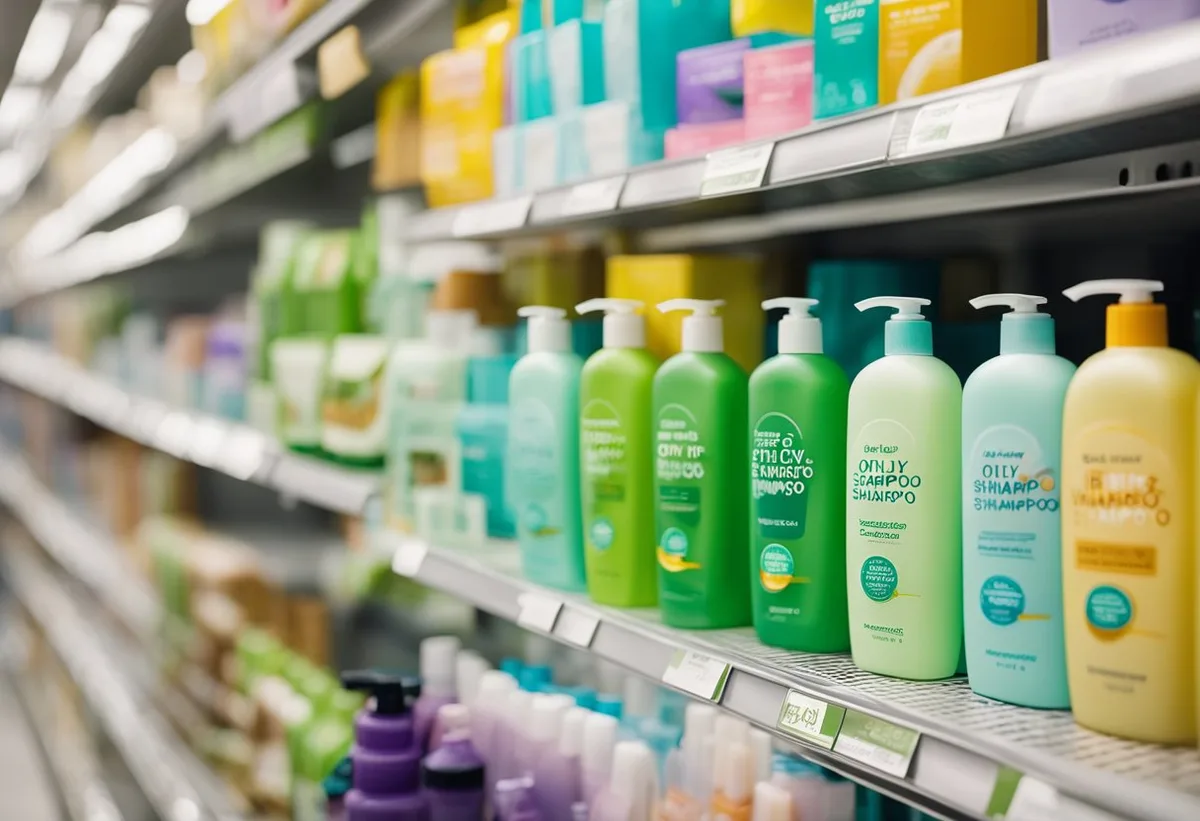
Image source: Bing (Web (fair-use with source credit))
Clarifying Shampoos: The Deep Cleaners
Clarifying shampoos are your heavy-duty option for serious oil and buildup removal. They contain stronger cleansing agents, often sulfates, designed to cut through grease, product residue, hard water minerals, and other impurities that can weigh hair down. Think of them as a reset button for your hair.
Their purpose is to completely strip away accumulated grime, leaving your hair feeling exceptionally clean and "squeaky." For this reason, they are typically recommended for weekly or bi-weekly use, rather than as a daily driver, as frequent use can be too drying for most scalps and hair types.

Image source: Web (Bing) / pixabay.com (Web image (fair-use with source credit))
Balancing Shampoos: Your Daily Allies
Balancing shampoos are often the go-to for daily or near-daily washing of oily hair. Their formulation strikes a chord between effective cleansing and gentle conditioning. They use milder cleansing agents than clarifying shampoos to remove excess sebum and impurities without completely stripping the scalp of its natural oils.
This helps maintain a healthier scalp environment and prevents the "rebound effect," where over-stripping can trigger even more oil production. These shampoos aim to keep your hair feeling clean and fresh without that tight, dry sensation that can occur with harsher formulas.
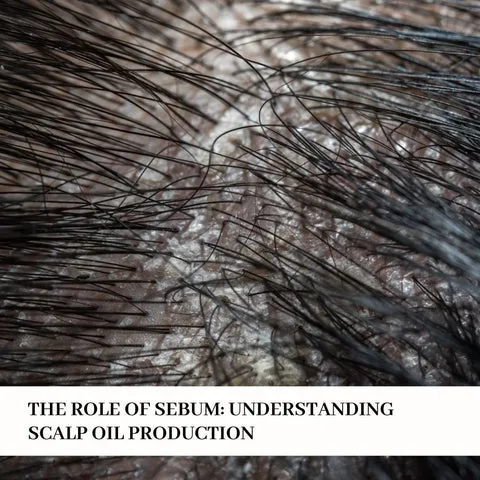
Image source: Bing (Web (fair-use with source credit))
Volumizing Shampoos: Adding Lift Without Weight
While not specifically formulated to combat oil production directly, volumizing shampoos can be excellent allies for those with oily hair. These shampoos are designed with lightweight ingredients and formulas that avoid heavy moisturizers or conditioning agents that can weigh hair down. By lifting the hair from the roots and creating a fuller appearance, they can effectively mask the look of greasy roots, making your hair seem fresher and more vibrant.
They often contain ingredients that provide a slight texture or grip, further contributing to a fuller look and feel, making them a good choice for fine or limp oily hair.
Sulfate-Free Shampoos: Gentler Cleansing
For individuals with oily hair who also have a sensitive scalp, or those who prefer to avoid sulfates, sulfate-free shampoos offer a gentler cleansing experience. Sulfates, such as Sodium Lauryl Sulfate (SLS) and Sodium Laureth Sulfate (SLES), are powerful detergents known for their excellent lathering and grease-cutting abilities. However, they can sometimes be too harsh, leading to dryness, irritation, or stripping the scalp of too much natural oil.
Sulfate-free options utilize alternative, milder cleansing agents that still effectively remove oil and impurities but are less likely to cause irritation or dryness, making them a good choice for everyday use.
Key Ingredients for Oily Hair Shampoos
When you're scrutinizing shampoo bottles, certain ingredients are worth seeking out for their oil-controlling and scalp-balancing properties. Conversely, some ingredients, while beneficial in other contexts, can exacerbate oiliness or buildup on an already prone scalp. Understanding these key components can significantly improve your shampoo selection process, ensuring you choose a product that genuinely addresses your hair's needs.
As of 2026, cosmetic ingredient databases confirm the efficacy of these agents.
What to Look For (and Why)
- Salicylic Acid: This is a beta-hydroxy acid (BHA) that's fantastic for oily scalps. It exfoliates the scalp's surface, helping to break down and remove dead skin cells and excess sebum that can clog hair follicles. This unclogs pores and can lead to a less oily appearance.
- Tea Tree Oil: Known for its natural antimicrobial and anti-inflammatory properties, tea tree oil can help soothe an irritated scalp and combat impurities that might contribute to oiliness. It also imparts a refreshing sensation.
- Clays (like Kaolin or Bentonite): These natural minerals are excellent at absorbing excess oil and impurities from the scalp and hair, providing a deep-cleansing effect without being overly harsh.
- Menthol/Peppermint Extract: These ingredients provide a cooling, tingling sensation that can feel incredibly refreshing on the scalp. They can also help to invigorate the scalp and potentially assist in managing oil production.
- Nettle Extract / Rosemary Extract: These botanical extracts are often included for their potential to help balance the scalp and hair, sometimes cited for their properties that may influence sebum regulation over time.
Ingredients to Be Wary Of
- Heavy Silicones: Ingredients ending in "-cone," "-conol," or "-xane," like Dimethicone or Cyclomethicone, can build up on the hair shaft. While they can provide slip and shine, they can also weigh down oily hair, making it appear greasy and dull faster. Look for "water-soluble" silicones if you use products containing them, or opt for silicone-free formulas.
- Rich Oils and Butters (in high concentrations): While some natural oils can be beneficial, ingredients like Shea Butter, Coconut Oil, or Mineral Oil, if present in high concentrations, can be too heavy for oily hair. They may leave a residue that contributes to greasiness and makes hair feel coated rather than clean.
Choosing the Right Shampoo for Your Needs
Selecting the ideal shampoo for oily hair involves looking beyond just the "oily hair" label. You need to consider how your hair behaves on a day-to-day basis and what your scalp's specific needs are. For instance, if your hair feels slick and heavy by midday, you likely need a stronger cleansing action than someone whose hair just gets a slight sheen by the end of the day.
Pay attention to your scalp's condition too; if it's prone to dryness or sensitivity, a gentler formula is essential.
Matching Shampoo Type to Your Oilyness Level
Here's a quick guide to help you match shampoo types to your specific oiliness:
- If your hair gets oily within 12-24 hours: A Balancing Shampoo is usually your best bet for daily use. It cleanses without stripping, maintaining a healthy scalp.
- If your hair feels heavy, dull, or has product buildup: Incorporate a Clarifying Shampoo once a week or every two weeks. This will deeply cleanse and reset your hair.
- If your hair is fine and tends to look flat: Volumizing Shampoos can help lift roots and create body, making oiliness less noticeable.
- If your scalp is sensitive or easily irritated: Opt for Sulfate-Free Shampoos, even if they are balancing or volumizing formulas.
Considering Scalp Sensitivity and Other Concerns
Beyond just oiliness, your scalp might have other sensitivities or conditions that influence your shampoo choice. If you experience flakiness or irritation, harsh sulfates in some clarifying or even balancing shampoos could exacerbate the problem. In such cases, a gentler, sulfate-free formula is a priority, even if it means sacrificing a bit of the "squeaky clean" feeling you might get from stronger cleansers.
Always patch-test new products if you have a history of scalp issues, as even ingredients marketed as beneficial can sometimes cause reactions in individuals.
How to Properly Use and Condition Oily Hair
The way you apply shampoo and conditioner makes a big difference. When shampooing, focus on massaging the product into your scalp where the oil originates, rather than scrubbing the lengths of your hair. Rinse thoroughly with lukewarm water; hot water can stimulate oil glands.
For conditioner, apply it only from the mid-lengths to the ends of your hair. Avoid the scalp altogether, as this is where excess oil is already present. Choose lightweight, "oil-free," or "volumizing" conditioners to prevent weighing down your hair.
Common Mistakes When Washing Oily Hair
Many people with oily hair fall into common traps that can actually make the problem worse. One of the most frequent mistakes is overwashing. While it seems logical to wash oily hair daily, doing so too aggressively can strip the scalp of its natural oils.
This prompts the scalp to produce even more sebum to compensate, creating a cycle of increased oiliness. Another error is using water that's too hot; hot water stimulates the sebaceous glands.
Another mistake is using conditioners on the scalp. Conditioner is designed to moisturize the hair shaft, not the scalp. Applying it near the roots adds unnecessary moisture and can contribute to a greasy appearance, defeating the purpose of using an oil-controlling shampoo.
Finally, not rinsing thoroughly is a common oversight. Shampoo and conditioner residue left on the scalp can clog pores and make hair look flat and oily much faster.
Expert Tips for Managing Oily Hair Between Washes
Managing oily hair isn't just about the shampoo you use; it's also about your habits between washes. Touching your hair frequently can transfer oils from your hands and also stimulate the scalp. Keep your hair tools clean too; dirty brushes and combs can redistribute oil and product residue.
For a quick refresh on non-wash days, dry shampoo is your best friend. Spray it at the roots, let it sit for a minute or two to absorb oil, then brush through. You can also try tying your hair up in a loose bun or ponytail to keep it off your face and scalp.
Frequently Asked Questions About Oily Hair Shampoos
How often should I wash my oily hair?
Most people with oily hair benefit from washing every day or every other day. However, this can vary. If you find your scalp is getting irritated or feels stripped from daily washing, try every other day with a gentle balancing shampoo.
Pay attention to how your hair feels and looks.
Can I use a regular shampoo if my hair is oily?
Regular shampoos might not have enough cleansing power to tackle significant oiliness. They often contain richer moisturizing ingredients that can weigh down oily hair. Shampoos specifically formulated for oily hair contain ingredients designed to cut through excess sebum more effectively.
Will a clarifying shampoo damage my hair?
Clarifying shampoos are potent cleansers. While they don't typically cause damage in the way chemical treatments might, overusing them can strip your hair and scalp of natural moisture. This can lead to dryness, breakage, or trigger increased oil production.
Use them as directed, typically once every week or two.
How do I know if a shampoo is working?
A shampoo that's working for oily hair will leave your scalp feeling clean and refreshed without being tight or irritated. Your hair should look less greasy and have more volume, and it should stay cleaner for longer than it did before you switched. If your hair feels squeaky clean but dry and brittle, the shampoo might be too harsh.
If it still feels greasy shortly after washing, it might not be strong enough.