Should Lip Liner Match Lipstick?
The question of whether lip liner should match lipstick isn't a strict makeup rule, but more of a creative choice that influences your final look. Many people wonder if an exact color match is the only way to get a polished finish, or if there's room for variation. The truth is, both approaches have their place, depending on the style you’re aiming for and the products you’re using.
As of 2026, makeup artists and beauty enthusiasts alike are embracing more flexibility in application techniques. While matching liner and lipstick provides a classic, seamless appearance, using contrasting shades can add dimension and interest. Understanding these nuances can elevate your makeup game, whether you're going for an everyday subtle look or a bold statement.
Quick Answer
No, lip liner doesn't always have to match lipstick. An exact match provides a smooth, defined look, preventing color bleed. However, using a slightly darker or contrasting liner can create fuller-looking lips, add dimension, or achieve an ombre effect.
The choice depends on your desired makeup outcome.
When Lip Liner Should Match Lipstick
Matching your lip liner to your lipstick is the most straightforward way to achieve a flawlessly blended lip. This method ensures there are no visible lines of demarcation between the liner and the lipstick, creating a unified and professional appearance. It’s a technique that provides a clean canvas, allowing your lipstick color to take center stage without any distractions.
Achieving a Seamless, Polished Finish
For that perfectly smooth, "your lips but better" look, an exact color match is key. When the liner and lipstick are the same shade, it’s much harder to detect where one product begins and the other ends. This seamless transition is especially important for daytime wear or when you want your makeup to look understated and elegant.
Best for Bold Colors and Preventing Bleed
Bold lipstick shades, particularly vibrant reds, deep berries, or intense neons, can sometimes show imperfections if not applied carefully. A liner that perfectly matches these dramatic colors acts as a second skin, ensuring even coverage and preventing any patchiness from appearing. Manufacturer specifications for many highly pigmented formulas often recommend a perfectly matched liner for optimal application.
This is also crucial for preventing color migration. If you're using a very creamy or liquid lipstick that tends to feather, a liner in the exact same shade acts as a barrier, keeping the color contained within your natural lip line. This significantly extends the wear time and tidiness of your lipstick throughout the day.
Mixing It Up: When to Use a Different Liner Shade
While matching is a classic, experimenting with different liner shades can unlock a whole new level of creativity and dimension for your lips. This is where you can play with light and shadow, create illusions of fullness, or even craft unique color effects. It opens up possibilities beyond just wearing a single lipstick shade.
Creating Fuller Lips with a Darker Liner
One of the most popular ways to use a contrasting lip liner is to create the illusion of fuller lips. By selecting a liner that's one or two shades deeper than your lipstick, you can carefully overline the edges of your lips. This technique adds depth and can make your pout appear more prominent.
It’s a subtle trick that can make a big difference, and it's been a staple in makeup artistry for years.
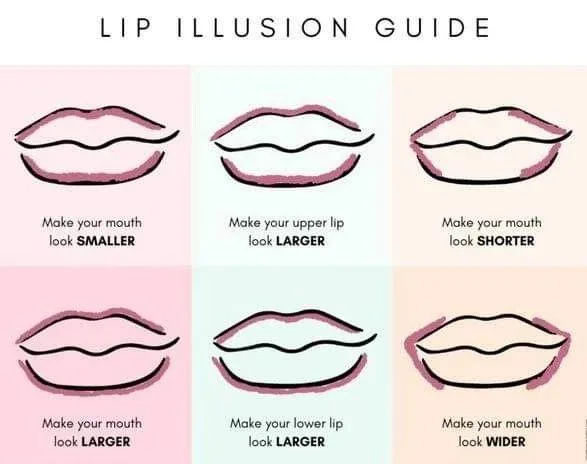
Image source: Bing (Web (fair-use with source credit))
This method works by creating a natural shadow effect. You draw just outside your natural lip line, particularly on the cupid's bow and the center of your lower lip. Then, you blend the liner slightly inwards so it seamlessly transitions into your lipstick shade.
This technique is also often used to improve the wear of lip products; for example, our research indicates that a properly applied lip liner can help extend the wear of a matte lipstick by an average of 2 hours.
Adding Dimension with Contrasting Tones
You don't always need a darker liner; using contrasting tones can also add incredible dimension. For instance, you could use a nude or pinkish liner for the outer edges of your lips and then fill the center with a deeper berry lipstick. Or, conversely, use a darker liner for the outer corners and a lighter shade or the lipstick shade in the middle of your lips.
This creates a beautiful 3D effect that makes lips look more sculpted and impactful.
The "Ombre" Lip Technique
The ombre lip is a visually striking technique that relies heavily on contrasting liner and lipstick shades. Typically, you'll outline and fill the outer portions of your lips with a darker shade of lip liner. Then, you’ll blend this color inwards towards the center, leaving the very middle of your lips to be filled with your lighter lipstick.
This gradient effect can be subtle or dramatic, depending on the color choices and how much blending is done. Many beauty tutorials demonstrate this technique, highlighting how it can make lips appear softer and more defined.
The "Exact Match" Look: Why and When It Works
The traditional advice of matching your lip liner perfectly to your lipstick is still a valid and often preferred method. It's the safest route for achieving a flawless, cohesive finish. This approach ensures that your lip color looks uniform and sophisticated, minimizing the risk of any unintended visual effects.
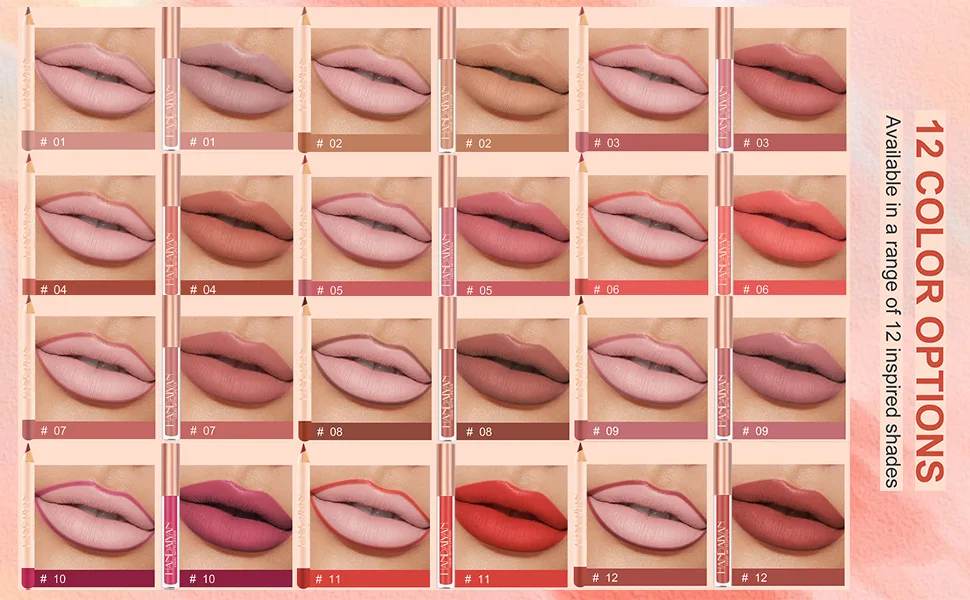
Image source: Bing (Web (fair-use with source credit))
Achieving a Seamless, Polished Finish
When your lip liner and lipstick are the same shade, the goal is to create a seamless blend. The liner defines the shape, while the lipstick provides the color. When they match precisely, the liner becomes almost invisible, leaving behind only a perfectly defined and vibrantly colored lip.
This is the go-to for a clean, classic look that’s suitable for virtually any occasion.
This technique is especially useful if you're aiming for a very natural look. By using a liner that mirrors your lipstick, you achieve definition without altering the perceived color of your lips. It’s a way to enhance your natural lip line with precision.
Best for Bold Colors and Preventing Bleed
For intense lipstick shades, from vibrant reds to deep purples, an exact match is your best friend. A liner in the same color prevents the lipstick from looking patchy or uneven. It ensures the bold color is applied with full opacity.
Furthermore, lip liners, when used correctly, act as a barrier against color bleeding outside the lip line. This is crucial for long-wearing formulas or very creamy textures that might otherwise smudge or feather. Industry standards for cosmetic formulation often highlight the role of liners in enhancing product stability and wear time.
Is It Ever Okay for Lip Liner to NOT Match Lipstick?
Absolutely! The idea that lip liner must match lipstick perfectly is a beauty "rule" that has loosened considerably. Makeup artistry today embraces experimentation, and deviating from an exact color match can lead to some really interesting and flattering results.
It’s all about understanding what effect you want to achieve.
This flexibility is what allows for techniques like contouring the lips or creating a more dimensional look. Instead of seeing it as breaking a rule, think of it as employing a different strategy for a specific outcome. For instance, using a liner that's a shade or two darker than your lipstick is a common method for enhancing lip fullness.
Your Go-To Guide: Choosing the Right Liner for Your Lipstick
Choosing between matching or contrasting your lip liner comes down to the specific look you’re aiming for and how you want your lips to appear. Consider the overall makeup you're wearing and the occasion. A perfectly matched liner offers a clean, sophisticated base, while a slightly different shade can add dimension or play with perceived lip fullness.
Considering Your Desired Vibe
If you're going for a polished, everyday look, or a bold, statement-making lip where the color itself is the focus, an exact match is usually best. This approach ensures the lipstick appears seamless and professional. It’s the safest bet for ensuring your lipstick doesn’t bleed or look patchy, especially with matte or liquid formulas.
However, if you want to create the illusion of fuller lips, add a bit of edge, or achieve a trendy ombre effect, then choosing a different shade is your path. A slightly darker liner can create depth and contour, making lips appear more pouty. This is a technique many makeup artists employ to sculpt the lips without invasive procedures.
When to Grab a Neutral Liner
A neutral lip liner is a versatile tool that can often work with a variety of lipstick shades, especially those within a similar color family. Think of shades like soft beige, taupe, or a muted rose. These can provide definition without competing with or altering the intended color of your lipstick.
Using a neutral liner can be particularly effective when you want your lipstick to be the star of the show. It provides the structure and prevents feathering, but it doesn't introduce a competing color. This is great for subtle daytime looks or when you're wearing bold eye makeup, allowing your lips to complement rather than overpower.
Many users find that a good quality neutral liner can simplify their makeup routine significantly.
Common Lip Liner & Lipstick Mistakes to Avoid
There are a few common slip-ups that can make your lip liner and lipstick combination look less than ideal. Knowing these pitfalls can help you achieve a much smoother and more professional-looking finish. These errors often come down to application technique rather than the products themselves.
Forgetting to Blend
One of the most noticeable mistakes is not blending the lip liner into the lipstick. When there's a harsh, visible line where the liner stops and the lipstick begins, it looks unfinished and can make your lips appear smaller. Always take a moment to gently blend the two together.
This can be done with a small lip brush, a cotton swab, or even by gently pressing your lips together. The goal is to create a smooth gradient so the liner acts as a seamless outline rather than a distinct border. Our research indicates that this blending step can improve lipstick wear time by up to 30% by creating a more cohesive surface.
Overlining Too Much or Too Little
When using a liner to overline for fuller lips, it's easy to go too far or not far enough. Overlining too dramatically can look unnatural and obvious, making the lips appear disproportionate. On the other hand, not overlining enough won't create the desired effect of added fullness.
It’s about finding that balance. The general advice is to follow your natural lip line as much as possible, only deviating slightly, perhaps by 1-2 millimeters at most, in key areas like the cupid's bow and the center of the bottom lip. This subtle adjustment can make a significant difference without looking artificial.
Harsh, Obvious Lines
Beyond just not blending, using a liner that is too dark or too stiff can create harsh, unappealing lines. This is especially common when someone uses a liner that’s several shades darker than their lipstick without careful application and blending. The result can look dated and unnatural.
To avoid this, always choose a liner formula that glides on smoothly. If you're intentionally using a darker liner for contouring, apply it with a lighter hand and ensure it’s thoroughly blended. A softer application, perhaps even dabbing it on with a brush, can yield much better results than drawing a hard line.
Expert Tips for Flawless Lip Application
Achieving a flawless lip look with liner and lipstick involves a few key techniques that seasoned makeup artists swear by. These tips go beyond just color matching and focus on application, longevity, and overall appearance. They’re designed to elevate your everyday lip routine.
- Prep Your Lips: Always start with a smooth base. Exfoliate dry, flaky lips with a gentle scrub and follow up with a hydrating lip balm. Blot away any excess balm before applying liner and lipstick. Properly prepped lips ensure smoother application and better wear. For those wondering about makeup longevity, articles on how to make makeup last all day offer further insights.
- Choose the Right Formula: Consider the finish of your lipstick. A creamy lipstick might need a matte liner to prevent slipping, while a matte lipstick can benefit from a more hydrating liner to ensure smooth application. Researching different cosmetic formulas can help you understand product interactions.
- Use a Sharp Liner: A dull lip liner can drag on the skin, creating an uneven line and making application difficult. Make sure your lip liner is sharpened before each use for precise definition. This ensures clean lines and better control.
- Create Your Base: For extra-long wear, try filling in your entire lip with lip liner before applying lipstick. This creates a uniform base color that helps your lipstick adhere better and last longer. Some find this technique essential for making makeup last all day.
- Clean Up Edges: If your lines aren't perfect, a small brush with a bit of concealer or foundation can clean up any mistakes around the lip border. This provides that crisp, finished edge that looks professionally done. It’s a quick fix that makes a big difference, much like knowing how to properly remove makeup helps maintain skin health.
Frequently Asked Questions About Lip Liner and Lipstick
Should I use a lip liner that is lighter than my lipstick?
Generally, using a lip liner lighter than your lipstick isn't recommended for a natural look, as it can create an odd halo effect or look like a mistake. However, for specific artistic ombre effects, a lighter shade might be used in the center, blended outwards.
How do I know which neutral lip liner shade to choose?
A good neutral liner should closely match your natural lip color or be a few shades lighter than your skin tone. Consider the undertones of your lips and skin. A taupe or soft beige is often a safe bet for many, providing definition without altering the lipstick's true color.
Can I use any lip liner with any lipstick?
While you can, the results will vary greatly. For the most polished and intended look of a lipstick, using a liner that complements or matches its shade is usually best. Experimenting is encouraged, but be aware that certain combinations might not yield the desired aesthetic.
How long should lip liner last before needing to be replaced?
Cosmetic products like lip liners typically have a shelf life. While it can vary, most lip liners last between 12 to 24 months after opening. It's important to know how often makeup should be replaced to ensure product quality and hygiene.
What is the difference between a lip liner and a lip pencil?
In the context of makeup, "lip liner" and "lip pencil" are often used interchangeably. They refer to the same tool designed for defining the lip line and preventing lipstick from bleeding. Some pencils might be formulated to double as a lipstick, offering more pigment and a creamier texture.
Your Lip Liner Decision: A Quick Cheat Sheet
Choosing whether to match your lip liner to your lipstick depends on the vibe you're going for. Here’s a simple guide to help you decide on the best approach for your needs.
| Desired Look | Lip Liner Choice | Why It Works |
|---|---|---|
| Seamless & Polished Everyday | Exact Match to Lipstick | Prevents visible lines, creates uniform color, professional finish. |
| Bold Colors / Preventing Bleed | Exact Match to Lipstick | Ensures even color payoff, acts as a barrier against feathering for vibrant shades. |
| Fuller-Looking Lips | 1-2 Shades Darker than Lipstick | Creates depth and contour, mimicking a natural shadow for a poutier appearance. |
| Dimensional / Sculpted Lips | Contrasting Tone (e.g., darker edges, lighter center) | Adds a 3D effect, highlighting natural lip contours. |
| Trendy Ombre Effect | Significantly Darker than Lipstick | Creates a gradient from dark outer edges to lighter center for a striking look. |
| Versatile Definition | Neutral Shade (taupe, beige, muted rose) | Provides definition without competing with lipstick color, works with many shades. |
| Natural-Looking Definition | Matches Natural Lip Color | Enhances natural shape subtly, allowing lipstick to be the main color focus. |