Should Concealer Go Before or After Foundation?
Deciding whether concealer goes before or after foundation can feel like a makeup mystery, but the answer isn't one-size-fits-all. It truly depends on the look you're aiming for and the products you're working with. Understanding the nuances can transform your base makeup from just okay to absolutely flawless.
In our research, we found that professional makeup artists often adapt their technique based on the coverage and finish of both their foundation and concealer. For instance, manufacturer specifications for most liquid foundations suggest they create a smooth canvas, with coverage levels typically ranging from light to full, as determined by pigment concentration. Let's break down the best approach for you.
The Big Question: Do You Conceal First or Last?
This is the million-dollar question in makeup application, and honestly, there's no single rule that applies to everyone, all the time. It’s less about a strict order and more about understanding why you’d choose one over the other. Think of it like painting: sometimes you lay down a base coat, and other times you add highlights and touch-ups afterward.
Both can yield amazing results, but the method changes depending on your canvas and your desired final artwork.
Foundation First: Why It's Often The Go-To
Most of the time, applying foundation before concealer is the standard approach for a reason. It helps even out your overall skin tone and creates a uniform base. This way, you're not applying concealer over bare skin and then potentially smudging it with foundation later.
It’s like building the walls of a house before you add the final decorative touches.
For a Smoother Base
When you apply foundation first, you're essentially creating a blank canvas. This even base makes it easier to see exactly where you actually need concealer. You can spot areas that foundation didn't quite cover, like stubborn blemishes or dark circles, with greater clarity.
This prevents you from over-applying concealer and looking cakey.
When Your Foundation Needs Help
If your foundation provides decent coverage but needs a little boost in certain areas, applying it first is key. You can then use concealer strategically to cover up anything the foundation missed. This approach ensures you’re only using the amount of concealer needed, where it's needed, leading to a more natural and less heavy finish.
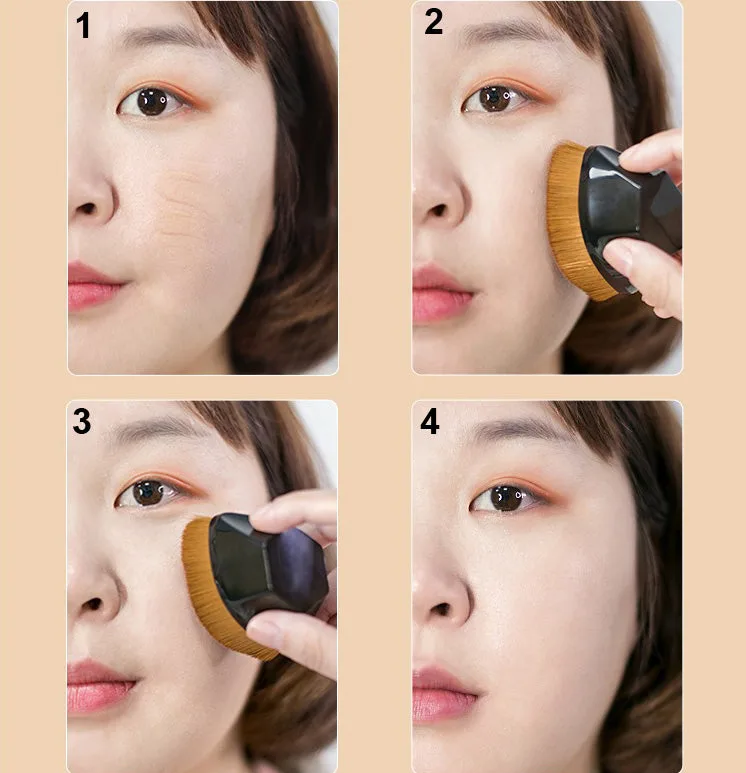
Image source: Bing (Web (fair-use with source credit))
Concealer First: When This Technique Shines
While foundation first is common, applying concealer before foundation can be a game-changer, especially for targeted correction. This method works best when you have specific areas you need to address with heavier coverage or brightening. It allows the concealer to really sink in and set without being disturbed by the sweeping motion of foundation application.
For Targeted Correction
Have a breakout that needs serious camouflage? Applying concealer directly onto the blemish before foundation can offer superior coverage. The foundation can then be blended around the blemish, helping to seamlessly integrate the concealed spot without completely moving the concentrated product.
This technique is particularly effective for acne or noticeable hyperpigmentation.
For Brightening Undereyes
If you're looking to really brighten your under-eye area, applying concealer first can make a big difference. It allows the brightening pigments in your concealer to sit directly on the skin, creating a lifted and illuminated effect. You can then go over it with a lighter layer of foundation, allowing the brightness to show through without looking muddy or diluted.

Image source: Web (Bing) / pxhere.com (Web image (fair-use with source credit))
How Your Product Formulas Matter
The type of foundation and concealer you're using plays a massive role in deciding the best order. Think about their textures, coverage levels, and finishes. A thick, full-coverage concealer might behave differently than a sheer, liquid one, just as a dewy foundation will work differently than a matte one.
As of 2026, product innovations continue to offer more versatility, but formula still dictates technique.
Liquid vs. Cream vs. Stick Concealer
- Liquid Concealers: These are generally the most versatile. They can often be applied before or after foundation with good results, but they tend to blend more seamlessly when applied after foundation for targeted touch-ups. If used first, they might dilute a bit during foundation application.
- Cream Concealers: Cream formulas often have more pigment and can be thicker. Applying these before foundation can provide a strong base of coverage, especially for darker spots or undereye circles. You then layer foundation over them.
- Stick Concealers: Stick concealers are usually the most opaque and can be quite dry. They excel at precise application, making them ideal for spot concealing before foundation. Applying foundation over them requires careful blending to avoid disturbing the stick product.
Foundation Type: Full Coverage vs. Light
- Full Coverage Foundations: If you're using a full-coverage foundation, you might find you need less concealer overall, or that you can comfortably apply it afterward. The strong base means you're only concealing residual imperfections.
- Light Coverage or Tinted Moisturizers: With lighter bases, applying concealer first becomes more advantageous. These sheerer formulas won't cover much on their own, so pre-concealing ensures your problem areas are addressed before the light veil of foundation goes on. This is why many turn to liquid blush for a sheer look, as detailed in our guide on best liquid blush.
The Decision Guide: What's Your Goal?
So, how do you make the call? It really boils down to the look you're trying to achieve and what specific concerns you're addressing on your skin. There's a strategy for almost every situation.
For Everyday Natural Looks
If your goal is a "no-makeup makeup" look or just a generally fresh and even complexion, applying foundation first is usually your best bet. Start with a light-to-medium coverage foundation to even out your skin tone. Then, use a concealer that matches your skin tone precisely to cover any remaining redness, minor blemishes, or slight darkness under the eyes.
Blend thoroughly for a seamless finish that looks like your skin, only better. This approach prevents over-application of product.
For Full Coverage & Flawless Finish
Want that airbrushed, completely perfected look? For maximum coverage, many experts suggest applying concealer first. This allows you to build up coverage precisely where needed, like on blemishes, dark spots, or deep under-eye circles, before laying down a full-coverage foundation.
The foundation then acts as a unifying layer that blends everything together, making the heavy-duty concealer look more natural. This is especially helpful if you're looking for a completely even canvas, perhaps before applying bold eye makeup or a vibrant lip. If you prefer powders, our guide to best powder blush can offer insights into achieving a matte finish with blush.
For Hiding Stubborn Blemishes
Stubborn blemishes, especially those that are red or raised, often benefit from the concealer-first method. Apply a high-coverage concealer directly to the blemish after your skincare but before foundation. Gently tap to blend the edges without moving the product from the center of the spot.
Then, apply your foundation, blending carefully around the blemish so it doesn't get completely wiped away. This "spot-conceal-then-cover" technique ensures maximum camouflage for those tricky imperfections.
Common Mistakes and How to Fix Them
Even with the right approach, makeup application can sometimes go awry. Understanding common pitfalls with concealer and foundation can help you troubleshoot and refine your technique. These issues often stem from product choice, application method, or simply not letting products do their job.
Creasing and Settling
This happens when concealer, especially under the eyes, gathers in the fine lines and creases of your skin. It can make you look older and your makeup appear heavy. It’s often caused by applying too much product, not setting it properly, or using a formula that’s too emollient and doesn't lock into place.
The Fix:
- Use Less Product: A thin layer is often all you need.
- Pat, Don't Rub: Apply concealer with a small brush or your fingertip, gently patting it into the skin.
- Set It: Lightly dust a fine translucent powder over the concealed area with a small brush to lock it in place. Baking, a technique where you pack on a generous amount of powder and let it sit for a few minutes before dusting off the excess, can also help.
- Consider Formula: Look for long-wearing or crease-resistant formulas.
Patchy Application
Patchiness occurs when your concealer or foundation doesn't blend smoothly into the skin, leaving visible lines or uneven texture. This can happen if products are too dry, if you're trying to blend over a product that has already dried down too much, or if your skin isn't properly prepped. Using a sponge that's too dry can also contribute to this.
The Fix:
- Prep Your Skin: Ensure your skin is well-moisturized and any primer has had a moment to set. Hydrated skin allows products to blend more easily.
- Work in Sections: Apply and blend your foundation and concealer in small areas at a time, rather than applying to your whole face at once.
- Use the Right Tools: A damp makeup sponge can help create a seamless, airbrushed finish. A stippling brush can also be effective for building coverage without dragging.
- Don't Over-Blend: Once a product is blended, resist the urge to keep going over it, as this can lift the product and cause patchiness.
The Wrong Shade Match
This is a classic mistake that immediately compromises your entire base. If your concealer or foundation is too light, too dark, or has the wrong undertone, it will look obvious and unnatural, no matter how perfectly you apply it. It defeats the purpose of creating a smooth, even complexion.
The Fix:
- Test in Natural Light: Always swatch shades on your jawline or neck in natural daylight before purchasing. What looks good under store lighting can be totally different outside.
- Consider Undertones: Most foundations and concealers come in cool, warm, or neutral undertones. Understanding your own skin's undertones (e.g., do you look better in gold or silver jewelry?) is crucial.
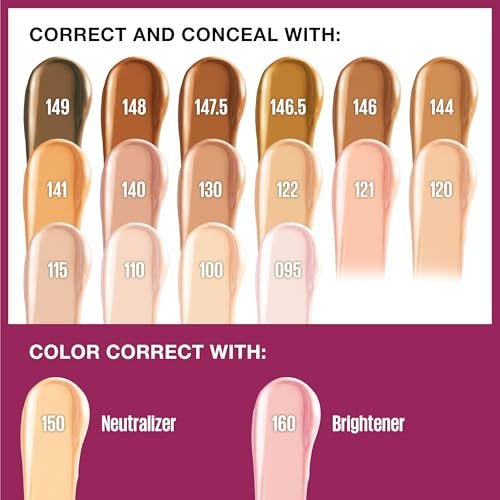
- Mix and Match: If you have a shade that's slightly off, you can often mix it with another shade or a color corrector to get your perfect match. For example, a slightly too-light concealer can be deepened with a drop of darker foundation.
Pro Tips for Perfect Concealer & Foundation
Want to take your base makeup from good to absolutely stunning? Here are a few insider tips that make a real difference. These are the little things that elevate your application from just covering up to creating a truly beautiful canvas.
- Skin Prep is Non-Negotiable: Before you even think about foundation or concealer, ensure your skin is clean, hydrated, and any serum or moisturizer has fully absorbed. A smooth, plump base is key for flawless application. Consider a hydrating serum if your skin tends to be dry.
- Use a Primer: Depending on your skin type and concerns, a primer can make a world of difference. A pore-filling primer can smooth texture, a mattifying primer can control oil, and a hydrating primer can add an extra layer of moisture. This step helps your makeup last longer and apply more evenly.
- Let Products Meld: If you apply concealer before foundation, give it a minute to settle into the skin before blending in your foundation. If you apply foundation first, let it set for a minute or two before going in with concealer. This allows the products to adhere better and prevents them from simply sliding around.
- Color Correct First: For persistent discoloration like dark circles, redness, or hyperpigmentation, a color corrector applied before concealer can be a miracle worker. A peach or orange corrector cancels out blue/purple tones, while a green corrector neutralizes redness. Then, apply your concealer over the corrector.
- Blend with the Right Tool: Experiment with different tools. A damp makeup sponge can provide a sheer to medium finish with a natural glow. A dense brush can offer more coverage. Sometimes, your ring finger is the best tool because its lower body temperature can help melt the product into the skin for a seamless blend.
- Less is More: It's always easier to add more product than to take it away. Start with a minimal amount of both foundation and concealer, and build coverage only where you truly need it. This prevents a heavy, cakey look.
- Set Strategically: If you tend to get oily or crease, a light dusting of translucent powder can set your makeup. Focus on the T-zone and under the eyes. However, if you prefer a dewy finish, you might skip powder altogether or only use it in very specific areas.
FAQs: Your Concealer Timing Questions Answered
Should concealer go before or after foundation?
The best order depends on your goals. Applying foundation first is common for an even base, allowing you to see where concealer is truly needed. Applying concealer first works well for targeted correction or brightening, especially for stubborn blemishes or deep under-eye circles, before foundation is blended over.
When is it better to use concealer before foundation?
It's better to use concealer before foundation when you need to heavily camouflage specific areas like a prominent blemish, deep dark circles, or significant redness. This allows the concealer to provide maximum coverage without being disrupted by the foundation application.
When is it better to use foundation before concealer?
Using foundation before concealer is ideal for everyday makeup or when you want a natural finish. It creates an even canvas, showing you exactly where minor touch-ups with concealer are needed, thus preventing over-application and ensuring a seamless look.
Can I use concealer and foundation at the same time?
While you can't apply them in the exact same moment, you can layer them strategically. The order is what matters for the best outcome. Some people might apply a bit of foundation, then concealer, then more foundation, but it’s generally more efficient to pick one order and stick to it based on your needs.
Does the type of concealer affect the order?
Yes, the formula significantly impacts the order. Thicker, more opaque concealers (like sticks or creams) often work best applied before foundation for maximum coverage of specific spots. Lighter, more blendable liquid concealers can often be applied effectively after foundation.
How do I avoid creasing when applying concealer?
To avoid creasing, use a small amount of product, pat it into the skin gently, and set it with a fine translucent powder. Consider a baking technique if creasing is a major concern. Ensuring your under-eye area is well-hydrated but not overly greasy also helps.