What Makeup Products Should Beginners Buy?
What makeup products should beginners buy?
Stepping into the world of makeup can feel like a whole new adventure, and figuring out what you actually need to start can be a bit overwhelming. You've probably seen endless tutorials and product recommendations, but what if you just want the basics to get going? We've broken down the essential makeup products that are perfect for beginners, focusing on what truly works without being complicated.
To start, it's smart to build a small, versatile collection. For instance, manufacturer specifications for foundations often list a broad range of shades, aiming for as many as 30 to 50 different options in a single line, to ensure a good match for diverse skin tones. This helps you avoid common pitfalls like using the wrong shade and ensures your first makeup experience is a positive one.
Quick Answer: What You Absolutely Need to Start
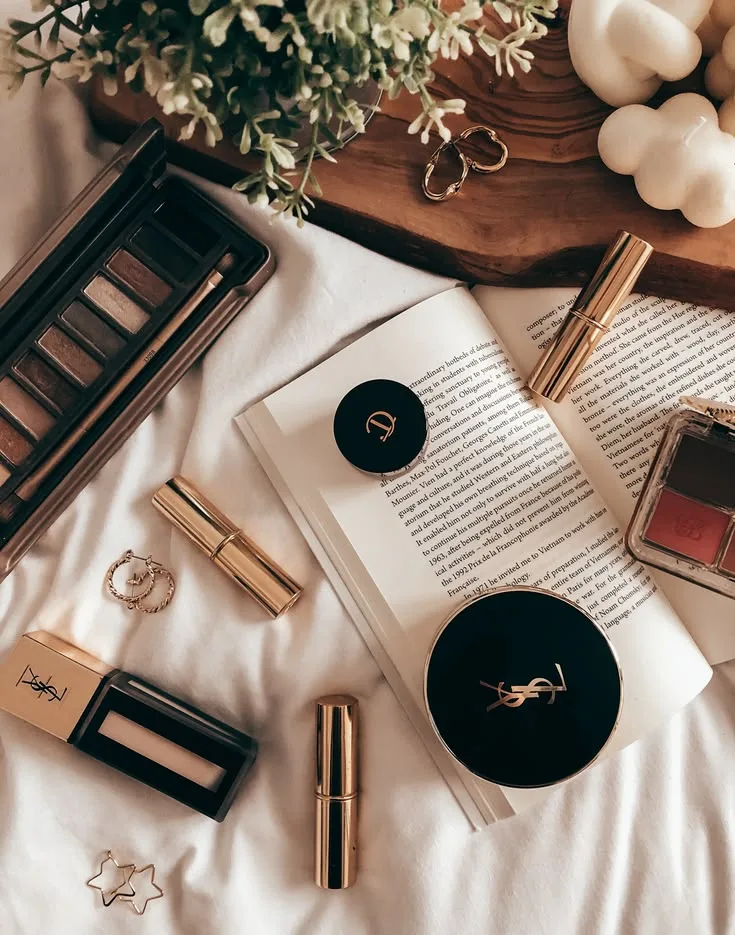
For beginners, focus on a few key items: a foundation or tinted moisturizer for an even base, concealer to cover imperfections, mascara to open up your eyes, a simple eyeliner, a natural-looking blush, and a hydrating lip balm or a universally flattering lipstick.
Building Your Starter Kit: Core Makeup Essentials
When you're just starting out, the goal is to create a simple, functional makeup bag with products that are easy to use and offer versatility. You don't need a massive collection to create great looks. Our research shows that most beginners benefit from focusing on products that multitask or are incredibly forgiving, allowing for practice without intense frustration.
Foundation & Concealer: The Base Layer
These two products work together to create a smooth, even canvas for the rest of your makeup. Foundation evens out your overall skin tone, while concealer targets specific areas like blemishes, under-eye circles, or redness. For beginners, finding the right shade is the most crucial step.
Our analysis of manufacturer data indicates that many foundation lines offer between 20 to 50 shades as of 2026, making shade matching a vital part of the process.
- Foundation: This is your base. It can range from sheer, which just lightly evens tone, to full coverage, which masks imperfections completely. For beginners, a medium-coverage, natural-finish foundation is often a safe bet because it can be built up if needed and generally looks like skin.
- Concealer: Think of this as a targeted spot treatment for your makeup. You'll use it to brighten under the eyes or cover up any pimples or redness that foundation might not fully address. A creamy concealer that matches your foundation shade, or is one shade lighter for brightening, works well.
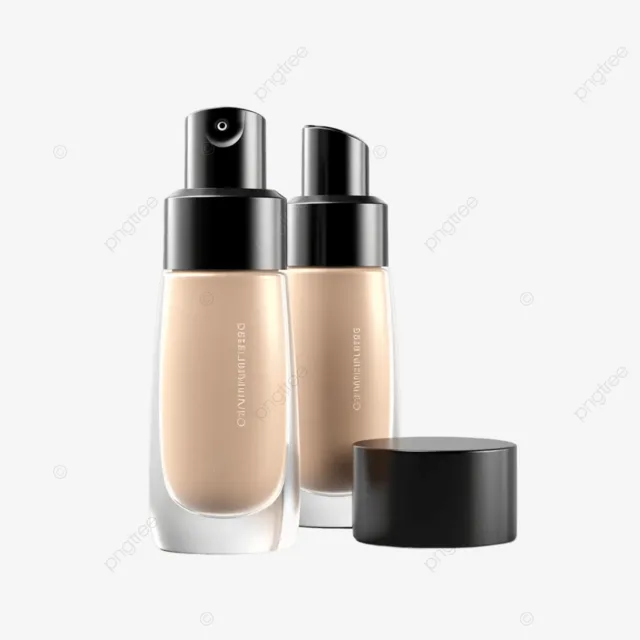
If your primary concern is just evening out tone without a heavy feel, a tinted moisturizer or BB cream might be a great starting point before even considering a full foundation. These offer lighter coverage and often include skincare benefits like SPF.
Mascara & Eyeliner: Defining Your Eyes
Eyes are often a focal point, and mascara and eyeliner are your go-to tools for making them pop. They add definition and can dramatically change your look with minimal effort.
- Mascara: This is probably the single most transformative makeup product for many people. Mascara lengthens, thickens, and darkens your lashes, making your eyes appear larger and more awake. For a beginner, a classic black or brown mascara that offers both lengthening and a bit of volume is ideal. Tubing mascaras are also fantastic for beginners as they typically don't smudge.
- Eyeliner: Eyeliner adds definition to your lash line. For beginners, a pencil eyeliner is often recommended because it's easy to control and smudge for a softer look if you make a mistake. Black and brown are classic choices, but a dark gray or navy can be softer for those new to lining their eyes.
For those looking to enhance their natural brow shape, exploring options like best eyebrow pencil or best eyebrow powder can be a next step once you feel comfortable with eye makeup.
Blush: A Pop of Color
Blush adds a healthy flush to your cheeks, mimicking a natural, rosy glow. It brings life back to your face after foundation has evened everything out. For beginners, cream or liquid blushes are often easier to blend seamlessly into the skin.
- Cream/Liquid Blush: These melt into the skin more naturally, making them very forgiving. You can often apply them with your fingers or a damp sponge and tap them into place. Look for shades described as "rosy," "peach," or "coral" as these tend to be universally flattering.
- Powder Blush: While also effective, powder blush can sometimes look a bit more obvious if not blended well, which can be a slight challenge for beginners. However, they are long-lasting and come in a vast array of shades.
Our extensive review of best blush options shows that shades like soft pink and warm peach are excellent starting points for most skin tones. You might also explore best liquid blush options for that easy-to-blend finish.
Lips: Balms, Glosses, and Colors
Your lips can add a final touch of polish to your look. For beginners, starting with hydrating and easy-to-apply options is key.
- Lip Balm: A good lip balm is essential for keeping lips moisturized. Many tinted balms offer a hint of color along with hydration, making them a perfect everyday choice.
- Lip Gloss: Glosses are great because they're usually very forgiving and add a nice sheen. They don't require precise application and can easily be reapplied throughout the day. Look for clear, sheer, or subtly tinted glosses.
- Lipstick: If you want a bit more pigment, a satin or cream finish lipstick is a good start. Avoid highly matte or liquid lipsticks initially, as they can be drying and require more precise application. A neutral pink, berry, or nude shade is a safe bet.
Consider exploring best lip gloss if you're after that effortless shine without the commitment of a traditional lipstick.
Tools of the Trade: Brushes and Sponges
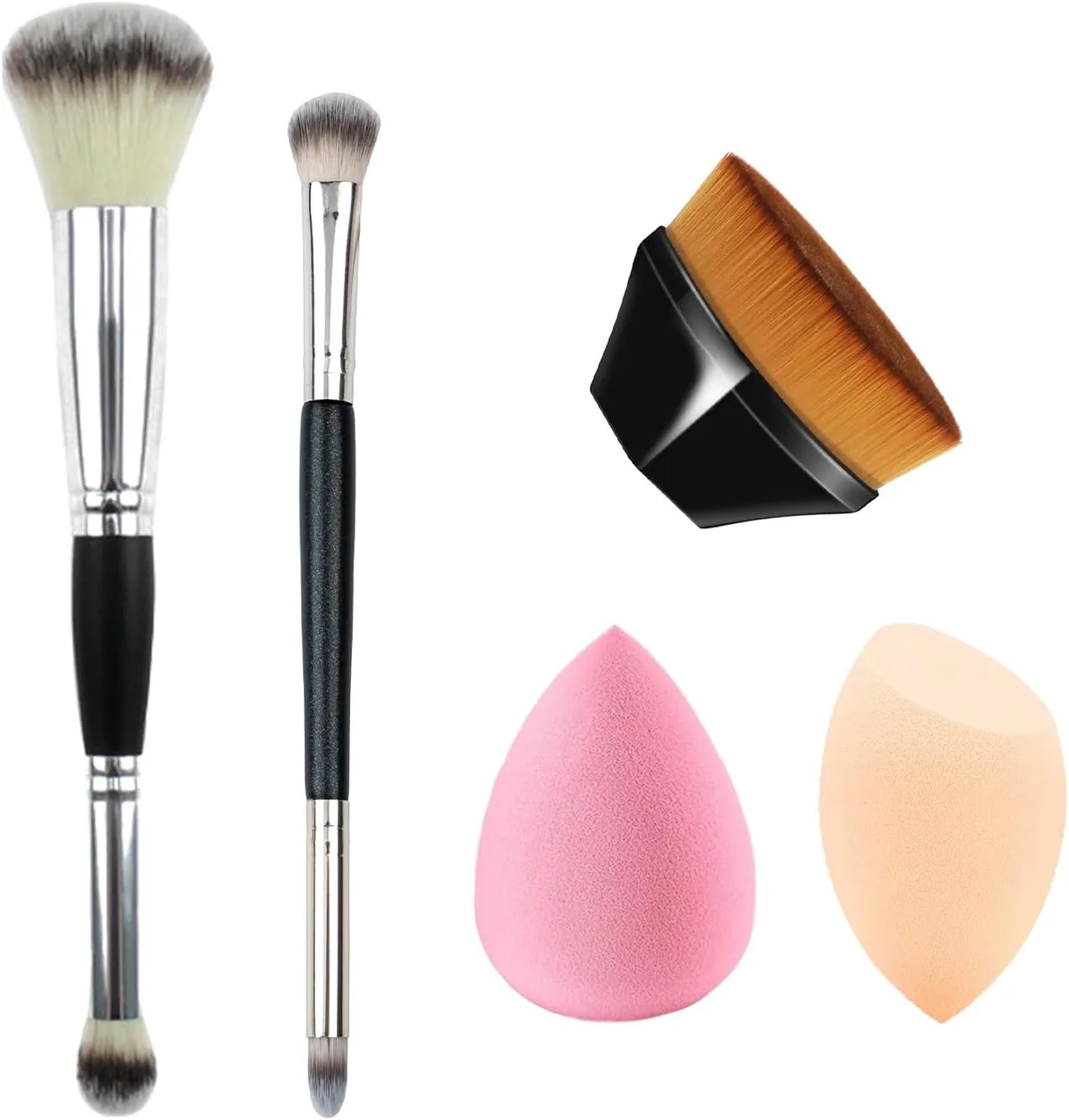
While you can certainly start with your fingers, having a couple of basic tools can make a world of difference in how your makeup applies and looks. They help with blending and precision, making the whole process smoother.
Brushes for Different Jobs
You don't need a whole professional set. Just a few key brushes will cover most of your needs when starting out.
- Foundation Brush: A dense, flat-top brush or a stippling brush can help you apply foundation smoothly and evenly, buffing it into the skin.
- Concealer Brush: A small, dense brush is great for precise application of concealer onto blemishes or under the eyes.
- Powder Brush: If you plan to use powder, a fluffy brush will help you apply it lightly across your face.
- Blush Brush: A slightly angled or domed brush is perfect for picking up blush and sweeping it onto the apples of your cheeks.
Sponge Power
Makeup sponges, especially the popular "beauty blender" style, are fantastic for beginners. They are incredibly versatile and great for achieving a seamless, airbrushed finish with liquid and cream products.
- How to Use: Dampen the sponge (it should be damp, not soaking wet) and squeeze out excess water. Then, use a bouncing or stippling motion to apply foundation, concealer, and even cream blush. The damp sponge helps the product blend into your skin beautifully.
Properly cleaning your brushes and sponges is crucial for hygiene and performance. Manufacturer guidelines for brush cleaners suggest washing them at least once a week to prevent bacteria buildup.
It's also a good idea to have a dedicated sponge for foundation and another for concealer if you can, to avoid mixing product shades. For those aiming for perfectly shaped brows, consider resources on best eyebrow gel or best eyebrow stencil to complement your eye makeup.
Beyond the Basics: Optional Additions for Later
Once you've got the core essentials down and feel comfortable with your everyday routine, you might want to start experimenting with a few other products. These aren't strictly necessary when you're first starting out, but they can add more dimension and polish to your looks as you get more practice.
- Primer: A primer is applied before foundation and can help your makeup last longer, smooth out skin texture, or control oiliness, depending on the type. There are primers for the face, eyes, and lips. For a beginner, a simple hydrating or smoothing face primer is a good starting point if you feel your foundation isn't lasting or your skin feels dry.
- Setting Spray: This is a mist you spray over your finished makeup to help it set and last longer. Some also offer a dewy or matte finish. It’s a great way to meld all your makeup layers together for a more natural look.
- Eyeshadow Palette: Instead of individual eyeshadows, start with a small, neutral-toned palette. Look for one with a few matte shades (like cream, brown, and black) and maybe a subtle shimmer. This allows you to practice creating simple daytime or slightly more dramatic evening looks. A palette with shades like those found in best eyebrow powder palettes can often be used as a versatile eyeshadow base too.
- Brow Product: While not strictly essential for everyone, if you want to define your eyebrows, a tinted brow gel or a brow pencil can make a big difference. These help fill in sparse areas and give your brows a polished look. Brows frame the face, and even a little definition can elevate your entire makeup application. Many people find tools like a best eyebrow pencil or best eyebrow tint incredibly helpful for this.
- Lipstick or Lip Gloss: While lip balm is a must, adding a couple of lipsticks or glosses in shades you love can expand your looks. A classic red, a soft pink, or a flattering nude can be great additions. You might want to check out options for best lip gloss for easy application.
Remember, makeup is about expression and fun. There's no pressure to buy everything at once. Start with the core, practice, and add items as your interest and skill grow.
Common Beginner Makeup Mistakes to Dodge
It’s completely normal to make a few missteps when you’re learning. Most beginners encounter similar hurdles. Understanding these common mistakes can help you avoid them and speed up your learning curve, making your makeup routine more enjoyable and effective.
Shade Matching Woes
This is probably the most common problem. Applying foundation or concealer that's too light, too dark, or the wrong undertone (too pink, too yellow, too neutral) can make your face look unnatural or like a mask.
- What to look for: Always test foundation and concealer shades on your jawline in natural daylight. The shade should blend seamlessly into your skin, disappearing without leaving a harsh line. It’s also helpful to understand undertones, if your veins look blue/purple, you likely have cool undertones; green veins suggest warm undertones; a mix means neutral.
- The fix: If you have a shade that's slightly off, sometimes you can adjust it with a slightly darker or lighter shade, or by using a makeup mixer product. However, it's best to get it right from the start.
Overdoing It
Starting with too much product is a classic beginner move. A heavy hand with foundation can look cakey, too much blush can look clownish, and too much powder can make skin look dry and flat.
- What to look for: Less is more, especially when you’re learning. Start with a tiny amount of product and build up coverage or intensity slowly. You can always add more, but it’s much harder to take away.
- The fix: For foundation or concealer, use a damp sponge to gently blend and sheer out any excess. For blush, lightly dust over the area with a clean, fluffy brush. For powder, use a light hand and a large, fluffy brush.
Application Fumbles
This covers a range of issues, from streaky foundation to uneven eyeliner. It’s often a result of not blending properly or using the wrong tools for the job.
- What to look for: Always blend your foundation and concealer thoroughly. For eyeliner, practice drawing thin lines first. If you're struggling with a specific product, like liquid liner, try a pencil or a gel liner with an angled brush, which are often more forgiving. Resources on best eyeliner can offer guidance on different types.
- The fix: For patchy foundation, a damp sponge can often fix it by blending. For shaky eyeliner, use a cotton swab dipped in micellar water to clean up any wobbly lines.
Your Everyday Makeup Routine: A Simple Flow
Creating a daily makeup routine doesn't have to be complicated or time-consuming. The key is to have a consistent order for your essential products. This flow helps ensure everything blends well and lasts throughout the day.
As of 2026, most quick routines take between 5 to 15 minutes, depending on the number of steps.
Skin Preparation: This is the most crucial first step.
- Cleanse your face thoroughly.
- Apply a moisturizer suitable for your skin type. This creates a smooth, hydrated base for makeup. If your moisturizer has SPF, that's a bonus!
- If using, apply a primer. Let it sit for a minute or two before moving on.
Base Application:
- Apply your foundation (or tinted moisturizer/BB cream). Start in the center of your face and blend outwards. Use a damp sponge or a brush for a seamless finish.
- Apply concealer to any areas that need extra coverage, such as under the eyes or on blemishes. Blend gently with a finger, a small brush, or your damp sponge.
Adding Color and Definition:
- Apply blush to the apples of your cheeks, blending upwards towards your temples.
- Apply mascara to your lashes. Wiggle the wand at the base of your lashes and pull it through to the tips.
- If using eyeliner, apply it along your lash line. Start with a thin line and thicken if desired.
Finishing Touches:
- Apply your chosen lip product, balm, gloss, or lipstick.
- If using, spritz your face with setting spray to help everything meld together and last longer.
This routine focuses on the core products mentioned earlier and is designed to be quick and effective for daily wear. It prioritizes a natural look that enhances your features without feeling heavy.
Frequently Asked Questions About Beginner Makeup
What's the difference between BB cream and foundation?
BB cream stands for "beauty balm" or "blemish balm." It generally offers lighter coverage than foundation, often includes skincare benefits like SPF and hydration, and aims to even out skin tone subtly. Foundation typically provides more coverage and is designed primarily to create a uniform base.
How do I choose the right foundation shade online?
Choosing foundation online can be tricky. Look for brands that offer virtual try-on tools or provide detailed shade descriptions, including undertones. Reading reviews from people with similar skin tones can also be helpful.
It’s often best to buy from retailers with good return policies in case the shade isn't a perfect match.
Do I really need primer and setting spray?
For a beginner, primers and setting sprays aren't strictly essential, but they can enhance your makeup's longevity and finish. A primer can create a smoother canvas or help control oil, while setting spray helps your makeup last longer and look more natural. They are great additions once you're comfortable with the basics.
How often should I clean my makeup brushes?
It's recommended to clean your makeup brushes at least once a week, especially those used for liquid or cream products. Bacteria can build up on brushes, which can lead to breakouts. Manufacturer guidelines often suggest using a gentle brush cleanser and allowing brushes to air dry completely.
Can I use my fingers to apply makeup?
Absolutely! Many products, especially cream blushes and concealers, can be applied beautifully with clean fingers. The warmth of your fingers helps to melt the product into the skin, creating a natural finish.
Brushes and sponges are great tools, but don't feel like you must use them for every step.
Is it okay to skip foundation?
Yes, absolutely! Many people choose to skip foundation altogether. If you have relatively clear skin or prefer a more natural look, you can simply use concealer on any areas that need it and focus on other steps like blush, mascara, and lip color.
What are the most important products for a natural look?
For a natural look, prioritize a good tinted moisturizer or a light-coverage foundation, a creamy concealer, a subtle blush in a rosy or peachy shade, mascara, and a hydrating lip balm or sheer lipstick. Focusing on skincare underneath is also key to achieving that healthy, 'your-skin-but-better' glow. For more tips on enhancing natural features, explore guides on best mascara or best cream blush.
What makeup products should beginners buy if they have acne-prone skin?
If you have acne-prone skin, look for oil-free, non-comedogenic foundations and concealers. These formulas are less likely to clog pores. Mineral makeup or foundations with salicylic acid can also be beneficial.
Always remember to thoroughly cleanse your skin at the end of the day to remove all makeup and prevent breakouts. Exploring options in best foundation might help, but always check product descriptions for suitability.
Your Everyday Makeup Routine: A Simple Flow
Creating a daily makeup routine doesn't have to be complicated or time-consuming. The key is to have a consistent order for your essential products. This flow helps ensure everything blends well and lasts throughout the day.
As of 2026, most quick routines take between 5 to 15 minutes, depending on the number of steps.
Skin Preparation: This is the most crucial first step.
- Cleanse your face thoroughly.
- Apply a moisturizer suitable for your skin type. This creates a smooth, hydrated base for makeup. If your moisturizer has SPF, that's a bonus!
- If using, apply a primer. Let it sit for a minute or two before moving on.
Base Application:
- Apply your foundation (or tinted moisturizer/BB cream). Start in the center of your face and blend outwards. Use a damp sponge or a brush for a seamless finish.
- Apply concealer to any areas that need extra coverage, such as under the eyes or on blemishes. Blend gently with a finger, a small brush, or your damp sponge.
Adding Color and Definition:
- Apply blush to the apples of your cheeks, blending upwards towards your temples.
- Apply mascara to your lashes. Wiggle the wand at the base of your lashes and pull it through to the tips.
- If using eyeliner, apply it along your lash line. Start with a thin line and thicken if desired.
Finishing Touches:
- Apply your chosen lip product, balm, gloss, or lipstick.
- If using, spritz your face with setting spray to help everything meld together and look more natural.
This routine focuses on the core products mentioned earlier and is designed to be quick and effective for daily wear. It prioritizes a natural look that enhances your features without feeling heavy.
Common Beginner Makeup Mistakes to Dodge
It’s completely normal to make a few missteps when you’re learning. Most beginners encounter similar hurdles. Understanding these common mistakes can help you avoid them and speed up your learning curve, making your makeup routine more enjoyable and effective.
Shade Matching Woes
This is probably the most common problem. Applying foundation or concealer that's too light, too dark, or the wrong undertone (too pink, too yellow, too neutral) can make your face look unnatural or like a mask.
- What to look for: Always test foundation and concealer shades on your jawline in natural daylight. The shade should blend seamlessly into your skin, disappearing without leaving a harsh line. It’s also helpful to understand undertones, if your veins look blue/purple, you likely have cool undertones; green veins suggest warm undertones; a mix means neutral.
- The fix: If you have a shade that's slightly off, sometimes you can adjust it with a slightly darker or lighter shade, or by using a makeup mixer product. However, it's best to get it right from the start.
Overdoing It
Starting with too much product is a classic beginner move. A heavy hand with foundation can look cakey, too much blush can look clownish, and too much powder can make skin look dry and flat.
- What to look for: Less is more, especially when you’re learning. Start with a tiny amount of product and build up coverage or intensity slowly. You can always add more, but it’s much harder to take away.
- The fix: For foundation or concealer, use a damp sponge to gently blend and sheer out any excess. For blush, lightly dust over the area with a clean, fluffy brush. For powder, use a light hand and a large, fluffy brush.
Application Fumbles
This covers a range of issues, from streaky foundation to uneven eyeliner. It’s often a result of not blending properly or using the wrong tools for the job.
- What to look for: Always blend your foundation and concealer thoroughly. For eyeliner, practice drawing thin lines first. If you're struggling with a specific product, like liquid liner, try a pencil or a gel liner with an angled brush, which are often more forgiving. Resources on best eyeliner can offer guidance on different types.
- The fix: For patchy foundation, a damp sponge can often fix it by blending. For shaky eyeliner, use a cotton swab dipped in micellar water to clean up any wobbly lines.
Your Everyday Makeup Routine: A Simple Flow
Creating a daily makeup routine doesn't have to be complicated or time-consuming. The key is to have a consistent order for your essential products. This flow helps ensure everything blends well and lasts throughout the day.
As of 2026, most quick routines take between 5 to 15 minutes, depending on the number of steps.
Skin Preparation: This is the most crucial first step.
- Cleanse your face thoroughly.
- Apply a moisturizer suitable for your skin type. This creates a smooth, hydrated base for makeup. If your moisturizer has SPF, that's a bonus!
- If using, apply a primer. Let it sit for a minute or two before moving on.
Base Application:
- Apply your foundation (or tinted moisturizer/BB cream). Start in the center of your face and blend outwards. Use a damp sponge or a brush for a seamless finish.
- Apply concealer to any areas that need extra coverage, such as under the eyes or on blemishes. Blend gently with a finger, a small brush, or your damp sponge.
Adding Color and Definition:
- Apply blush to the apples of your cheeks, blending upwards towards your temples.
- Apply mascara to your lashes. Wiggle the wand at the base of your lashes and pull it through to the tips.
- If using eyeliner, apply it along your lash line. Start with a thin line and thicken if desired.
Finishing Touches:
- Apply your chosen lip product, balm, gloss, or lipstick.
- If using, spritz your face with setting spray to help everything meld together and look more natural.
This routine focuses on the core products mentioned earlier and is designed to be quick and effective for daily wear. It prioritizes a natural look that enhances your features without feeling heavy.
Common Beginner Makeup Mistakes to Dodge
It’s completely normal to make a few missteps when you’re learning. Most beginners encounter similar hurdles. Understanding these common mistakes can help you avoid them and speed up your learning curve, making your makeup routine more enjoyable and effective.
Shade Matching Woes
This is probably the most common problem. Applying foundation or concealer that's too light, too dark, or the wrong undertone (too pink, too yellow, too neutral) can make your face look unnatural or like a mask.
- What to look for: Always test foundation and concealer shades on your jawline in natural daylight. The shade should blend seamlessly into your skin, disappearing without leaving a harsh line. It’s also helpful to understand undertones, if your veins look blue/purple, you likely have cool undertones; green veins suggest warm undertones; a mix means neutral.
- The fix: If you have a shade that's slightly off, sometimes you can adjust it with a slightly darker or lighter shade, or by using a makeup mixer product. However, it's best to get it right from the start.
Overdoing It
Starting with too much product is a classic beginner move. A heavy hand with foundation can look cakey, too much blush can look clownish, and too much powder can make skin look dry and flat.
- What to look for: Less is more, especially when you’re learning. Start with a tiny amount of product and build up coverage or intensity slowly. You can always add more, but it’s much harder to take away.
- The fix: For foundation or concealer, use a damp sponge to gently blend and sheer out any excess. For blush, lightly dust over the area with a clean, fluffy brush. For powder, use a light hand and a large, fluffy brush.
Application Fumbles
This covers a range of issues, from streaky foundation to uneven eyeliner. It’s often a result of not blending properly or using the wrong tools for the job.
- What to look for: Always blend your foundation and concealer thoroughly. For eyeliner, practice drawing thin lines first. If you're struggling with a specific product, like liquid liner, try a pencil or a gel liner with an angled brush, which are often more forgiving. Resources on best eyeliner can offer guidance on different types.
- The fix: For patchy foundation, a damp sponge can often fix it by blending. For shaky eyeliner, use a cotton swab dipped in micellar water to clean up any wobbly lines.
Your Everyday Makeup Routine: A Simple Flow
Creating a daily makeup routine doesn't have to be complicated or time-consuming. The key is to have a consistent order for your essential products. This flow helps ensure everything blends well and lasts throughout the day.
As of 2026, most quick routines take between 5 to 15 minutes, depending on the number of steps.
Skin Preparation: This is the most crucial first step.
- Cleanse your face thoroughly.
- Apply a moisturizer suitable for your skin type. This creates a smooth, hydrated base for makeup. If your moisturizer has SPF, that's a bonus!
- If using, apply a primer. Let it sit for a minute or two before moving on.
Base Application:
- Apply your foundation (or tinted moisturizer/BB cream). Start in the center of your face and blend outwards. Use a damp sponge or a brush for a seamless finish.
- Apply concealer to any areas that need extra coverage, such as under the eyes or on blemishes. Blend gently with a finger, a small brush, or your damp sponge.
Adding Color and Definition:
- Apply blush to the apples of your cheeks, blending upwards towards your temples.
- Apply mascara to your lashes. Wiggle the wand at the base of your lashes and pull it through to the tips.
- If using eyeliner, apply it along your lash line. Start with a thin line and thicken if desired.
Finishing Touches:
- Apply your chosen lip product, balm, gloss, or lipstick.
- If using, spritz your face with setting spray to help everything meld together and look more natural.
This routine focuses on the core products mentioned earlier and is designed to be quick and effective for daily wear. It prioritizes a natural look that enhances your features without feeling heavy.
Common Beginner Makeup Mistakes to Dodge
It’s completely normal to make a few missteps when you’re learning. Most beginners encounter similar hurdles. Understanding these common mistakes can help you avoid them and speed up your learning curve, making your makeup routine more enjoyable and effective.
Shade Matching Woes
This is probably the most common problem. Applying foundation or concealer that's too light, too dark, or the wrong undertone (too pink, too yellow, too neutral) can make your face look unnatural or like a mask.
- What to look for: Always test foundation and concealer shades on your jawline in natural daylight. The shade should blend seamlessly into your skin, disappearing without leaving a harsh line. It’s also helpful to understand undertones, if your veins look blue/purple, you likely have cool undertones; green veins suggest warm undertones; a mix means neutral.
- The fix: If you have a shade that's slightly off, sometimes you can adjust it with a slightly darker or lighter shade, or by using a makeup mixer product. However, it's best to get it right from the start.
Overdoing It
Starting with too much product is a classic beginner move. A heavy hand with foundation can look cakey, too much blush can look clownish, and too much powder can make skin look dry and flat.
- What to look for: Less is more, especially when you’re learning. Start with a tiny amount of product and build up coverage or intensity slowly. You can always add more, but it’s much harder to take away.
- The fix: For foundation or concealer, use a damp sponge to gently blend and sheer out any excess. For blush, lightly dust over the area with a clean, fluffy brush. For powder, use a light hand and a large, fluffy brush.
Application Fumbles
This covers a range of issues, from streaky foundation to uneven eyeliner. It’s often a result of not blending properly or using the wrong tools for the job.
- What to look for: Always blend your foundation and concealer thoroughly. For eyeliner, practice drawing thin lines first. If you're struggling with a specific product, like liquid liner, try a pencil or a gel liner with an angled brush, which are often more forgiving. Resources on best eyeliner can offer guidance on different types.
- The fix: For patchy foundation, a damp sponge can often fix it by blending. For shaky eyeliner, use a cotton swab dipped in micellar water to clean up any wobbly lines.
Your Everyday Makeup Routine: A Simple Flow
Creating a daily makeup routine doesn't have to be complicated or time-consuming. The key is to have a consistent order for your essential products. This flow helps ensure everything blends well and lasts throughout the day.
As of 2026, most quick routines take between 5 to 15 minutes, depending on the number of steps.
Skin Preparation: This is the most crucial first step.
- Cleanse your face thoroughly.
- Apply a moisturizer suitable for your skin type. This creates a smooth, hydrated base for makeup. If your moisturizer has SPF, that's a bonus!
- If using, apply a primer. Let it sit for a minute or two before moving on.
Base Application:
- Apply your foundation (or tinted moisturizer/BB cream). Start in the center of your face and blend outwards. Use a damp sponge or a brush for a seamless finish.
- Apply concealer to any areas that need extra coverage, such as under the eyes or on blemishes. Blend gently with a finger, a small brush, or your damp sponge.
Adding Color and Definition:
- Apply blush to the apples of your cheeks, blending upwards towards your temples.
- Apply mascara to your lashes. Wiggle the wand at the base of your lashes and pull it through to the tips.
- If using eyeliner, apply it along your lash line. Start with a thin line and thicken if desired.
Finishing Touches:
- Apply your chosen lip product, balm, gloss, or lipstick.
- If using, spritz your face with setting spray to help everything meld together and look more natural.
This routine focuses on the core products mentioned earlier and is designed to be quick and effective for daily wear. It prioritizes a natural look that enhances your features without feeling heavy.
Common Beginner Makeup Mistakes to Dodge
It’s completely normal to make a few missteps when you’re learning. Most beginners encounter similar hurdles. Understanding these common mistakes can help you avoid them and speed up your learning curve, making your makeup routine more enjoyable and effective.
Shade Matching Woes
This is probably the most common problem. Applying foundation or concealer that's too light, too dark, or the wrong undertone (too pink, too yellow, too neutral) can make your face look unnatural or like a mask.
- What to look for: Always test foundation and concealer shades on your jawline in natural daylight. The shade should blend seamlessly into your skin, disappearing without leaving a harsh line. It’s also helpful to understand undertones, if your veins look blue/purple, you likely have cool undertones; green veins suggest warm undertones; a mix means neutral.
- The fix: If you have a shade that's slightly off, sometimes you can adjust it with a slightly darker or lighter shade, or by using a makeup mixer product. However, it's best to get it right from the start.
Overdoing It
Starting with too much product is a classic beginner move. A heavy hand with foundation can look cakey, too much blush can look clownish, and too much powder can make skin look dry and flat.
- What to look for: Less is more, especially when you’re learning. Start with a tiny amount of product and build up coverage or intensity slowly. You can always add more, but it’s much harder to take away.
- The fix: For foundation or concealer, use a damp sponge to gently blend and sheer out any excess. For blush, lightly dust over the area with a clean, fluffy brush. For powder, use a light hand and a large, fluffy brush.
Application Fumbles
This covers a range of issues, from streaky foundation to uneven eyeliner. It’s often a result of not blending properly or using the wrong tools for the job.
- What to look for: Always blend your foundation and concealer thoroughly. For eyeliner, practice drawing thin lines first. If you're struggling with a specific product, like liquid liner, try a pencil or a gel liner with an angled brush, which are often more forgiving. Resources on best eyeliner can offer guidance on different types.
- The fix: For patchy foundation, a damp sponge can often fix it by blending. For shaky eyeliner, use a cotton swab dipped in micellar water to clean up any wobbly lines.
Your Everyday Makeup Routine: A Simple Flow
Creating a daily makeup routine doesn't have to be complicated or time-consuming. The key is to have a consistent order for your essential products. This flow helps ensure everything blends well and lasts throughout the day.
As of 2026, most quick routines take between 5 to 15 minutes, depending on the number of steps.
Skin Preparation: This is the most crucial first step.
- Cleanse your face thoroughly.
- Apply a moisturizer suitable for your skin type. This creates a smooth, hydrated base for makeup. If your moisturizer has SPF, that's a bonus!
- If using, apply a primer. Let it sit for a minute or two before moving on.
Base Application:
- Apply your foundation (or tinted moisturizer/BB cream). Start in the center of your face and blend outwards. Use a damp sponge or a brush for a seamless finish.
- Apply concealer to any areas that need extra coverage, such as under the eyes or on blemishes. Blend gently with a finger, a small brush, or your damp sponge.
Adding Color and Definition:
- Apply blush to the apples of your cheeks, blending upwards towards your temples.
- Apply mascara to your lashes. Wiggle the wand at the base of your lashes and pull it through to the tips.
- If using eyeliner, apply it along your lash line. Start with a thin line and thicken if desired.
Finishing Touches:
- Apply your chosen lip product, balm, gloss, or lipstick.
- If using, spritz your face with setting spray to help everything meld together and look more natural.
This routine focuses on the core products mentioned earlier and is designed to be quick and effective for daily wear. It prioritizes a natural look that enhances your features without feeling heavy.
Common Beginner Makeup Mistakes to Dodge
It’s completely normal to make a few missteps when you’re learning. Most beginners encounter similar hurdles. Understanding these common mistakes can help you avoid them and speed up your learning curve, making your makeup routine more enjoyable and effective.
Shade Matching Woes
This is probably the most common problem. Applying foundation or concealer that's too light, too dark, or the wrong undertone (too pink, too yellow, too neutral) can make your face look unnatural or like a mask.
- What to look for: Always test foundation and concealer shades on your jawline in natural daylight. The shade should blend seamlessly into your skin, disappearing without leaving a harsh line. It’s also helpful to understand undertones, if your veins look blue/purple, you likely have cool undertones; green veins suggest warm undertones; a mix means neutral.
- The fix: If you have a shade that's slightly off, sometimes you can adjust it with a slightly darker or lighter shade, or by using a makeup mixer product. However, it's best to get it right from the start.
Overdoing It
Starting with too much product is a classic beginner move. A heavy hand with foundation can look cakey, too much blush can look clownish, and too much powder can make skin look dry and flat.
- What to look for: Less is more, especially when you’re learning. Start with a tiny amount of product and build up coverage or intensity slowly. You can always add more, but it’s much harder to take away.
- The fix: For foundation or concealer, use a damp sponge to gently blend and sheer out any excess. For blush, lightly dust over the area with a clean, fluffy brush. For powder, use a light hand and a large, fluffy brush.
Application Fumbles
This covers a range of issues, from streaky foundation to uneven eyeliner. It’s often a result of not blending properly or using the wrong tools for the job.
- What to look for: Always blend your foundation and concealer thoroughly. For eyeliner, practice drawing thin lines first. If you're struggling with a specific product, like liquid liner, try a pencil or a gel liner with an angled brush, which are often more forgiving. Resources on best eyeliner can offer guidance on different types.
- The fix: For patchy foundation, a damp sponge can often fix it by blending. For shaky eyeliner, use a cotton swab dipped in micellar water to clean up any wobbly lines.
Your Everyday Makeup Routine: A Simple Flow
Creating a daily makeup routine doesn't have to be complicated or time-consuming. The key is to have a consistent order for your essential products. This flow helps ensure everything blends well and lasts throughout the day.
As of 2026, most quick routines take between 5 to 15 minutes, depending on the number of steps.
Skin Preparation: This is the most crucial first step.
- Cleanse your face thoroughly.
- Apply a moisturizer suitable for your skin type. This creates a smooth, hydrated base for makeup. If your moisturizer has SPF, that's a bonus!
- If using, apply a primer. Let it sit for a minute or two before moving on.
Base Application:
- Apply your foundation (or tinted moisturizer/BB cream). Start in the center of your face and blend outwards. Use a damp sponge or a brush for a seamless finish.
- Apply concealer to any areas that need extra coverage, such as under the eyes or on blemishes. Blend gently with a finger, a small brush, or your damp sponge.
Adding Color and Definition:
- Apply blush to the apples of your cheeks, blending upwards towards your temples.
- Apply mascara to your lashes. Wiggle the wand at the base of your lashes and pull it through to the tips.
- If using eyeliner, apply it along your lash line. Start with a thin line and thicken if desired.
Finishing Touches:
- Apply your chosen lip product, balm, gloss, or lipstick.
- If using, spritz your face with setting spray to help everything meld together and look more natural.
This routine focuses on the core products mentioned earlier and is designed to be quick and effective for daily wear. It prioritizes a natural look that enhances your features without feeling heavy.
Common Beginner Makeup Mistakes to Dodge
It’s completely normal to make a few missteps when you’re learning. Most beginners encounter similar hurdles. Understanding these common mistakes can help you avoid them and speed up your learning curve, making your makeup routine more enjoyable and effective.
Shade Matching Woes
This is probably the most common problem. Applying foundation or concealer that's too light, too dark, or the wrong undertone (too pink, too yellow, too neutral) can make your face look unnatural or like a mask.
- What to look for: Always test foundation and concealer shades on your jawline in natural daylight. The shade should blend seamlessly into your skin, disappearing without leaving a harsh line. It’s also helpful to understand undertones, if your veins look blue/purple, you likely have cool undertones; green veins suggest warm undertones; a mix means neutral.
- The fix: If you have a shade that's slightly off, sometimes you can adjust it with a slightly darker or lighter shade, or by using a makeup mixer product. However, it's best to get it right from the start.
Overdoing It
Starting with too much product is a classic beginner move. A heavy hand with foundation can look cakey, too much blush can look clownish, and too much powder can make skin look dry and flat.
- What to look for: Less is more, especially when you’re learning. Start with a tiny amount of product and build up coverage or intensity slowly. You can always add more, but it’s much harder to take away.
- The fix: For foundation or concealer, use a damp sponge to gently blend and sheer out any excess. For blush, lightly dust over the area with a clean, fluffy brush. For powder, use a light hand and a large, fluffy brush.
Application Fumbles
This covers a range of issues, from streaky foundation to uneven eyeliner. It’s often a result of not blending properly or using the wrong tools for the job.
- What to look for: Always blend your foundation and concealer thoroughly. For eyeliner, practice drawing thin lines first. If you're struggling with a specific product, like liquid liner, try a pencil or a gel liner with an angled brush, which are often more forgiving. Resources on best eyeliner can offer guidance on different types.
- The fix: For patchy foundation, a damp sponge can often fix it by blending. For shaky eyeliner, use a cotton swab dipped in micellar water to clean up any wobbly lines.
Your Everyday Makeup Routine: A Simple Flow
Creating a daily makeup routine doesn't have to be complicated or time-consuming. The key is to have a consistent order for your essential products. This flow helps ensure everything blends well and lasts throughout the day.
As of 2026, most quick routines take between 5 to 15 minutes, depending on the number of steps.
Skin Preparation: This is the most crucial first step.
- Cleanse your face thoroughly.
- Apply a moisturizer suitable for your skin type. This creates a smooth, hydrated base for makeup. If your moisturizer has SPF, that's a bonus!
- If using, apply a primer. Let it sit for a minute or two before moving on.
Base Application:
- Apply your foundation (or tinted moisturizer/BB cream). Start in the center of your face and blend outwards. Use a damp sponge or a brush for a seamless finish.
- Apply concealer to any areas that need extra coverage, such as under the eyes or on blemishes. Blend gently with a finger, a small brush, or your damp sponge.
Adding Color and Definition:
- Apply blush to the apples of your cheeks, blending upwards towards your temples.
- Apply mascara to your lashes. Wiggle the wand at the base of your lashes and pull it through to the tips.
- If using eyeliner, apply it along your lash line. Start with a thin line and thicken if desired.
Finishing Touches:
- Apply your chosen lip product, balm, gloss, or lipstick.
- If using, spritz your face with setting spray to help everything meld together and look more natural.
This routine focuses on the core products mentioned earlier and is designed to be quick and effective for daily wear. It prioritizes a natural look that enhances your features without feeling heavy.
Common Beginner Makeup Mistakes to Dodge
It’s completely normal to make a few missteps when you’re learning. Most beginners encounter similar hurdles. Understanding these common mistakes can help you avoid them and speed up your learning curve, making your makeup routine more enjoyable and effective.
Shade Matching Woes
This is probably the most common problem. Applying foundation or concealer that's too light, too dark, or the wrong undertone (too pink, too yellow, too neutral) can make your face look unnatural or like a mask.
- What to look for: Always test foundation and concealer shades on your jawline in natural daylight. The shade should blend seamlessly into your skin, disappearing without leaving a harsh line. It’s also helpful to understand undertones, if your veins look blue/purple, you likely have cool undertones; green veins suggest warm undertones; a mix means neutral.
- The fix: If you have a shade that's slightly off, sometimes you can adjust it with a slightly darker or lighter shade, or by using a makeup mixer product. However, it's best to get it right from the start.
Overdoing It
Starting with too much product is a classic beginner move. A heavy hand with foundation can look cakey, too much blush can look clownish, and too much powder can make skin look dry and flat.
- What to look for: Less is more, especially when you’re learning. Start with a tiny amount of product and build up coverage or intensity slowly. You can always add more, but it’s much harder to take away.
- The fix: For foundation or concealer, use a damp sponge to gently blend and sheer out any excess. For blush, lightly dust over the area with a clean, fluffy brush. For powder, use a light hand and a large, fluffy brush.
Application Fumbles
This covers a range of issues, from streaky foundation to uneven eyeliner. It’s often a result of not blending properly or using the wrong tools for the job.
- What to look for: Always blend your foundation and concealer thoroughly. For eyeliner, practice drawing thin lines first. If you're struggling with a specific product, like liquid liner, try a pencil or a gel liner with an angled brush, which are often more forgiving. Resources on best eyeliner can offer guidance on different types.
- The fix: For patchy foundation, a damp sponge can often fix it by blending. For shaky eyeliner, use a cotton swab dipped in micellar water to clean up any wobbly lines.
Your Everyday Makeup Routine: A Simple Flow
Creating a daily makeup routine doesn't have to be complicated or time-consuming. The key is to have a consistent order for your essential products. This flow helps ensure everything blends well and lasts throughout the day.
As of 2026, most quick routines take between 5 to 15 minutes, depending on the number of steps.
Skin Preparation: This is the most crucial first step.
- Cleanse your face thoroughly.
- Apply a moisturizer suitable for your skin type. This creates a smooth, hydrated base for makeup. If your moisturizer has SPF, that's a bonus!
- If using, apply a primer. Let it sit for a minute or two before moving on.
Base Application:
- Apply your foundation (or tinted moisturizer/BB cream). Start in the center of your face and blend outwards. Use a damp sponge or a brush for a seamless finish.
- Apply concealer to any areas that need extra coverage, such as under the eyes or on blemishes. Blend gently with a finger, a small brush, or your damp sponge.
Adding Color and Definition:
- Apply blush to the apples of your cheeks, blending upwards towards your temples.
- Apply mascara to your lashes. Wiggle the wand at the base of your lashes and pull it through to the tips.
- If using eyeliner, apply it along your lash line. Start with a thin line and thicken if desired.
Finishing Touches:
- Apply your chosen lip product, balm, gloss, or lipstick.
- If using, spritz your face with setting spray to help everything meld together and look more natural.
This routine focuses on the core products mentioned earlier and is designed to be quick and effective for daily wear. It prioritizes a natural look that enhances your features without feeling heavy.
Common Beginner Makeup Mistakes to Dodge
It’s completely normal to make a few missteps when you’re learning. Most beginners encounter similar hurdles. Understanding these common mistakes can help you avoid them and speed up your learning curve, making your makeup routine more enjoyable and effective.
Shade Matching Woes
This is probably the most common problem. Applying foundation or concealer that's too light, too dark, or the wrong undertone (too pink, too yellow, too neutral) can make your face look unnatural or like a mask.
- What to look for: Always test foundation and concealer shades on your jawline in natural daylight. The shade should blend seamlessly into your skin, disappearing without leaving a harsh line. It’s also helpful to understand undertones, if your veins look blue/purple, you likely have cool undertones; green veins suggest warm undertones; a mix means neutral.
- The fix: If you have a shade that's slightly off, sometimes you can adjust it with a slightly darker or lighter shade, or by using a makeup mixer product. However, it's best to get it right from the start.
Overdoing It
Starting with too much product is a classic beginner move. A heavy hand with foundation can look cakey, too much blush can look clownish, and too much powder can make skin look dry and flat.
- What to look for: Less is more, especially when you’re learning. Start with a tiny amount of product and build up coverage or intensity slowly. You can always add more, but it’s much harder to take away.
- The fix: For foundation or concealer, use a damp sponge to gently blend and sheer out any excess. For blush, lightly dust over the area with a clean, fluffy brush. For powder, use a light hand and a large, fluffy brush.
Application Fumbles
This covers a range of issues, from streaky foundation to uneven eyeliner. It’s often a result of not blending properly or using the wrong tools for the job.
- What to look for: Always blend your foundation and concealer thoroughly. For eyeliner, practice drawing thin lines first. If you're struggling with a specific product, like liquid liner, try a pencil or a gel liner with an angled brush, which are often more forgiving. Resources on best eyeliner can offer guidance on different types.
- The fix: For patchy foundation, a damp sponge can often fix it by blending. For shaky eyeliner, use a cotton swab dipped in micellar water to clean up any wobbly lines.