Why Does Sunscreen Leave a White Cast?
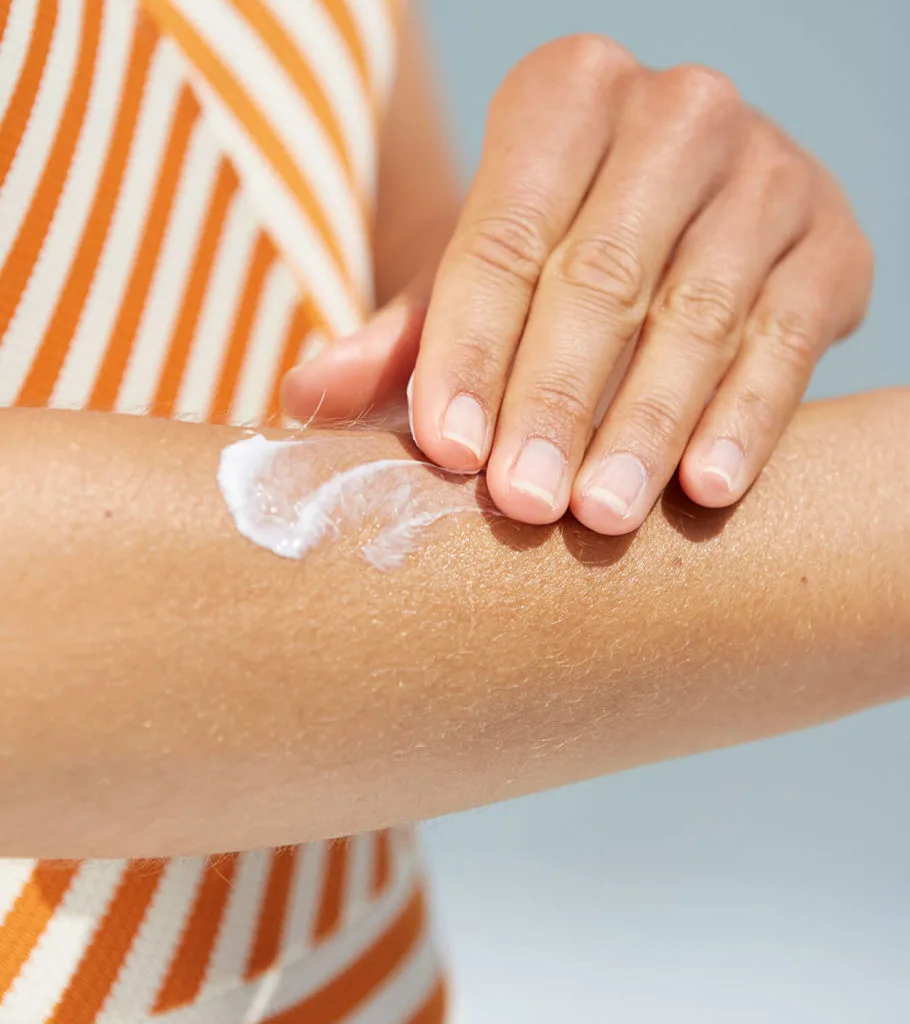
Image source: Bing (Web (fair-use with source credit))
When you reach for your sunscreen, you want protection, not a ghost impression. So, why does sunscreen leave a white cast, turning your skincare routine into a makeup moment? It boils down to the ingredients and how they interact with light.
The culprits are typically mineral sunscreens, which use physical blockers like zinc oxide and titanium dioxide. These minerals sit on your skin's surface, deflecting UV rays, but their particle size can influence how much visible light they scatter, leading to that telltale white hue. As of 2026, formulations continue to evolve, but understanding the basics helps you choose better.
Quick Answer
Mineral sunscreens often leave a white cast because their active ingredients, zinc oxide and titanium dioxide, physically scatter light. The size of these particles dictates their opacity. Smaller particles create less visible light scattering, resulting in a more transparent finish.
The Science Behind the White Cast: Mineral Magic (and the Catch)
Mineral sunscreens are a powerhouse for sun protection, and for good reason. Their primary active ingredients, zinc oxide and titanium dioxide, work by creating a physical barrier on the skin. This barrier doesn't absorb UV rays; instead, it reflects and scatters them away, effectively blocking both UVA and UVB radiation from reaching your skin.
This physical blocking action is what makes mineral sunscreens a fantastic choice for many, especially those with sensitive skin or conditions like rosacea, as they are less likely to cause irritation.
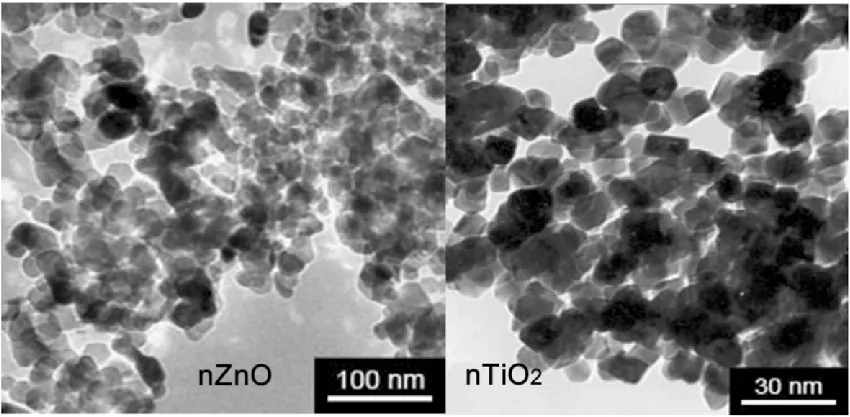
Image source: Bing (Web (fair-use with source credit))
The catch, however, lies in how these physical blockers interact with visible light. Because they are solid particles, they can scatter light in all directions. When you apply them, especially in higher concentrations or larger particle sizes, this light scattering can cause the product to appear opaque and white on the skin.
It's not that the sunscreen is "bad," but rather a consequence of its physical nature and particle properties. This opacity is exactly what leads to that often undesirable white cast.
How Particle Size Makes or Breaks Your Sunscreen's Finish
The biggest factor determining whether a mineral sunscreen leaves a white cast is the particle size of the zinc oxide and titanium dioxide. Think of it like this: if you have large pebbles, they'll block more light and look more opaque. If you have very fine sand, it will be much more translucent.
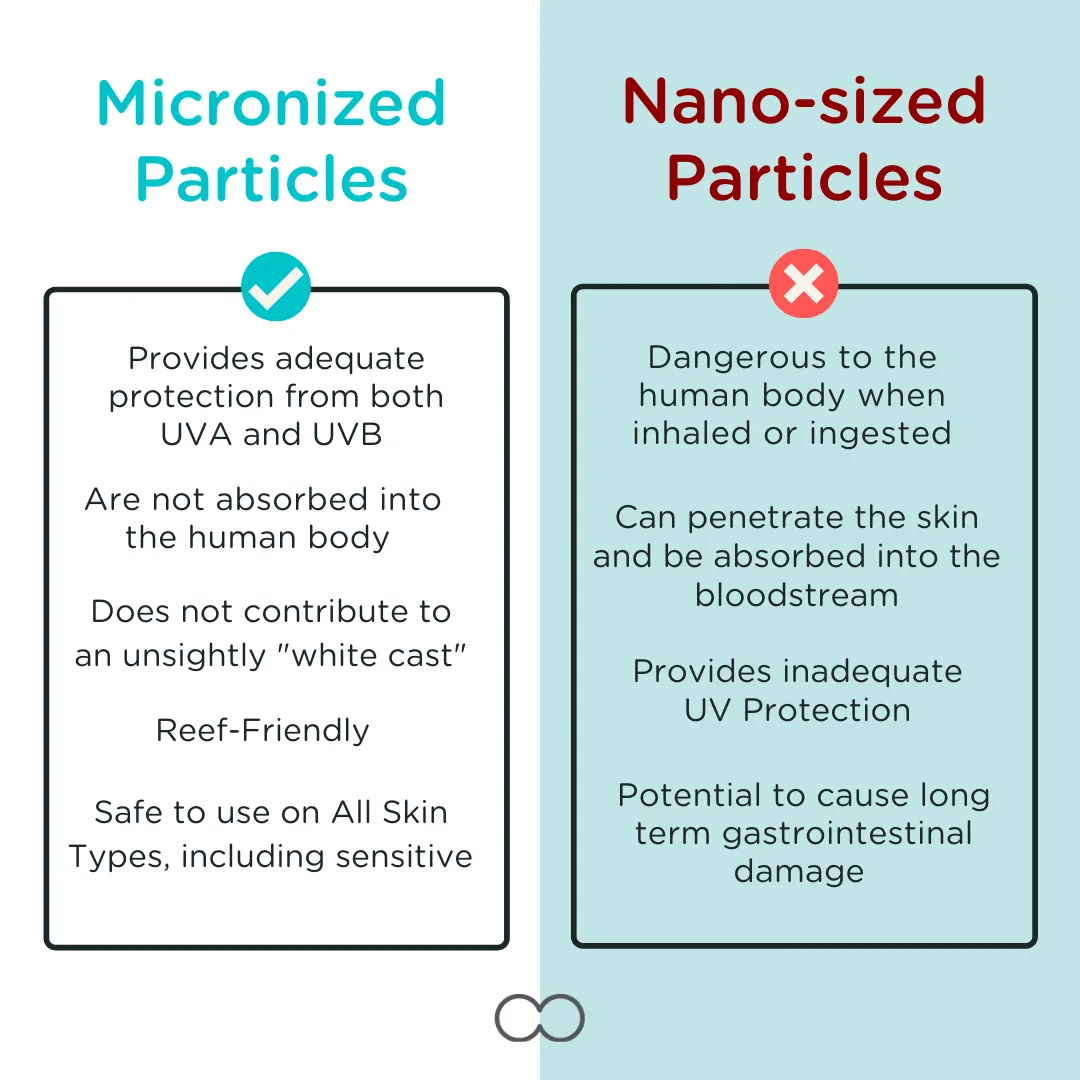
Image source: Bing (Web (fair-use with source credit))
For a long time, mineral sunscreens used larger, non-micronized particles. These were highly effective sun blockers but were notoriously chalky and difficult to blend in without leaving a significant white residue. You'd often see this issue with older formulations or very high SPF products that relied on sheer particle density.
Today, cosmetic science has made huge strides. Manufacturers now utilize micronized and even nano-sized particles of zinc oxide and titanium dioxide. Micronized particles are incredibly small, typically ranging from 1 to 100 micrometers (µm).
Nano-sized particles are even smaller, generally less than 100 nanometers (nm). Because these particles are so tiny, they scatter less visible light, allowing more light to pass through. This makes them appear much more transparent on the skin, significantly reducing or even eliminating the white cast.
However, it's worth noting that even with nano-sized particles, some very slight whiteness might still be perceptible depending on the formulation and application, especially on darker skin tones.
Spotting the White Cast: What to Look For
So, how do you know if your sunscreen is about to leave you looking like a mime? It often comes down to observation during and immediately after application. The most obvious sign is that residual white or grayish film that remains on the skin after you've tried to rub it in.
You might notice it most prominently on areas where the product hasn't fully blended: along the hairline, eyebrows, around the nose, or on areas with more texture. Sometimes, the white cast isn't uniform; it can appear patchy, especially if you haven't applied an even layer across your face or body.
Another clue can be the way the sunscreen feels and looks as you're applying it. If it feels thick, pasty, or requires a lot of effort to blend, that's a strong indicator it might settle into a white cast. Manufacturer specifications on packaging can also offer hints.
Products labeled "sheer," "transparent," "invisible," or "for all skin tones" are specifically formulated to minimize or eliminate this chalky appearance. Conversely, if a product doesn't mention these attributes, it's more likely to fall into the category of sunscreens that leave a noticeable white cast.
Your Sunscreen Isn't Rubbing In: Common Mistakes and How to Fix Them
One of the most common reasons for a noticeable white cast isn't the sunscreen itself, but how it's applied. We've all been guilty of a quick swipe and a few hurried rubs, but this is where mineral sunscreens often show their limitations if not treated with a little care.
- Not Applying Enough: You need a sufficient amount of sunscreen to create that protective barrier. For the face and neck, a general guideline is about a nickel-sized dollop, or the equivalent of two finger-lengths of product. Too little, and you won't get full coverage, leading to patchy protection and potentially visible streaks.
- Rubbing Too Aggressively or Not Long Enough: Mineral sunscreens often require a bit more patience. Instead of just smearing it on, try patting or gently massaging the product into your skin. This helps to distribute the particles more evenly. You'll know you're done when the initial white residue fades into your skin tone. This often takes 1-2 minutes of thorough blending.
- Applying to Dry Skin: While it sounds counterintuitive, applying sunscreen to slightly damp skin can sometimes help it glide on more smoothly and blend better. After cleansing or moisturizing (if your moisturizer is light and absorbs well), gently pat your skin dry with a towel, leaving it slightly dewy. Then, apply your sunscreen. However, if you've just moisturized with a heavier cream, let that sink in first to avoid creating a barrier that prevents sunscreen absorption.
- Using Too Much Product at Once: If you're applying a very thick layer, it can overwhelm the skin's ability to absorb the product quickly. Try applying in thinner layers, allowing each layer to partially sink in before adding more.
To fix a sunscreen that's already left a white cast, try gently tapping or pressing the product into your skin with your fingertips rather than rubbing. This can help break up the visible residue. For stubborn white patches, a damp cloth or a makeup sponge can sometimes help buff away the excess.
Beyond White: Better Options for a Clearer Finish
If you're consistently battling the white cast and it's hindering your willingness to wear sunscreen daily, you're in luck. The market offers several excellent alternatives that provide robust UV protection without the chalky aftermath. These options are specifically designed to be more cosmetically elegant and blend seamlessly with various skin tones.
Chemical Sunscreens: A Different Approach to UV Protection
Instead of physically blocking UV rays like mineral sunscreens, chemical sunscreens work by absorbing them. Active ingredients like avobenzone, oxybenzone, octinoxate, and octisalate penetrate the skin's surface. Once absorbed, these chemicals convert UV rays into heat, which is then released from the skin.
This mechanism means they are typically much more sheer and transparent upon application, as they don't rely on light-scattering particles. This makes them a popular choice for those who prioritize a completely invisible finish. Many products designed for daily wear, including those in makeup bases or moisturizers with SPF, utilize chemical filters.
Tinted Mineral Sunscreens: The Best of Both Worlds?
For those who love the gentle nature of mineral sunscreens but dislike the white cast, tinted mineral sunscreens offer a fantastic compromise. These formulas contain the same mineral active ingredients, zinc oxide and titanium dioxide, but with the addition of iron oxides or other pigments. These pigments are carefully chosen to mimic natural skin tones.
When you apply a tinted mineral sunscreen, the pigments help to counteract the inherent whiteness of the mineral particles, allowing the sunscreen to blend more naturally with your complexion. This effectively masks the white cast while still providing the reliable, broad-spectrum protection associated with mineral filters. They can also offer a subtle blurring or color-correcting effect, making them a multi-tasking favorite for many.
Step-by-Step Process: Applying Sunscreen for a Clear Finish
Getting the best protection without the white cast often comes down to technique. Applying sunscreen correctly ensures the active ingredients are evenly distributed and can properly do their job, while also minimizing that opaque residue. It's less about a complicated ritual and more about mindful application.
First, always start with clean, dry skin. If you use a moisturizer, allow it to absorb completely before sunscreen. This prevents pilling and ensures the sunscreen adheres directly to your skin.
Then, dispense the recommended amount, usually a generous nickel-sized dollop for the face and neck. Using less won't give you adequate protection, and might even make the product seem thicker as you try to spread it too thinly.
Next, apply the sunscreen in dots all over the application area. Then, gently massage it in using circular motions or a light patting motion. Don't be afraid to take a minute or two to really work it into your skin.
The initial whiteness you see should gradually disappear as the product blends. If you're using a mineral formula, especially one with larger particles, you might need to gently tap or press it in with your fingertips rather than rubbing vigorously. This helps the particles settle and scatter light more evenly, reducing their visible impact.
FAQs: Your White Cast Questions Answered
### Why do some mineral sunscreens leave a white cast and others don't?
It largely depends on the particle size of the mineral ingredients, zinc oxide and titanium dioxide. Smaller, micronized or nano-sized particles scatter less visible light and are more transparent on the skin compared to larger, non-micronized particles which appear more opaque and white.
### Is a white cast a sign that the sunscreen isn't working?
No, a white cast does not mean the sunscreen is ineffective. It's primarily an aesthetic issue related to how the mineral particles scatter light. The sun protection factor (SPF) and broad-spectrum protection remain intact regardless of the visible cast.
### Can I use makeup to cover up a white cast from sunscreen?
Yes, makeup can help. Tinted moisturizers, BB creams, or foundations can be applied over a sunscreen that has left a white cast to even out your skin tone. However, it's best to apply the sunscreen first and let it set for a minute or two before applying makeup.
### Are chemical sunscreens always white-cast-free?
Generally, yes. Chemical sunscreens absorb UV rays rather than reflecting them physically. Their active ingredients are typically dissolved into the formula, making them transparent and less likely to leave a white residue on the skin.
### Does sunscreen leave a white cast on darker skin tones more noticeably?
Yes, white casts are often more apparent on darker skin tones because the contrast between the white residue and the natural skin color is much higher. This is why formulation technology, like micronization or tinting, is particularly beneficial for a wider range of users.