How Often Should I Reapply Sunscreen?

Image source: Bing (Web (fair-use with source credit))
The sun’s rays feel great, but unprotected exposure can cause real damage. Understanding how often to reapply sunscreen is key to staying safe. You might think slathering it on once is enough, but that’s often not the case.
Protecting your skin from harmful UV radiation requires a diligent approach. According to the U.S. Food and Drug Administration (FDA), sunscreen needs regular reapplication to maintain its effectiveness, especially when you're spending extended time outdoors.
Let’s break down exactly when and why you need to top up.
Quick Answer: How Often Do You Really Need to Reapply Sunscreen?
You should reapply sunscreen every two hours. Reapply after swimming or sweating for 40 minutes or 80 minutes, depending on water resistance. Don't forget to apply generously initially.
Key Factors That Change Your Reapplication Needs
Your sunscreen application isn't a one-and-done deal. Several factors can drastically alter how often you need to reapply to ensure you’re getting the full protection promised by your SPF. Thinking about these elements before you head out the door can save you from a nasty sunburn later.
When Activity Levels Matter Most
If you’re just sitting indoors by a window, your sunscreen might last longer. But the moment you step outside for any significant period, especially if you're moving, the clock starts ticking. Our research shows that physical activity can wear away sunscreen faster than you might think.
When you’re engaged in activities like hiking, playing sports, or gardening, your body temperature rises and you’ll likely sweat. This friction and moisture break down the protective barrier the sunscreen creates on your skin. Even light sweating can reduce the SPF.
Water and Sweat: The Sunscreen Wash-Off Factor
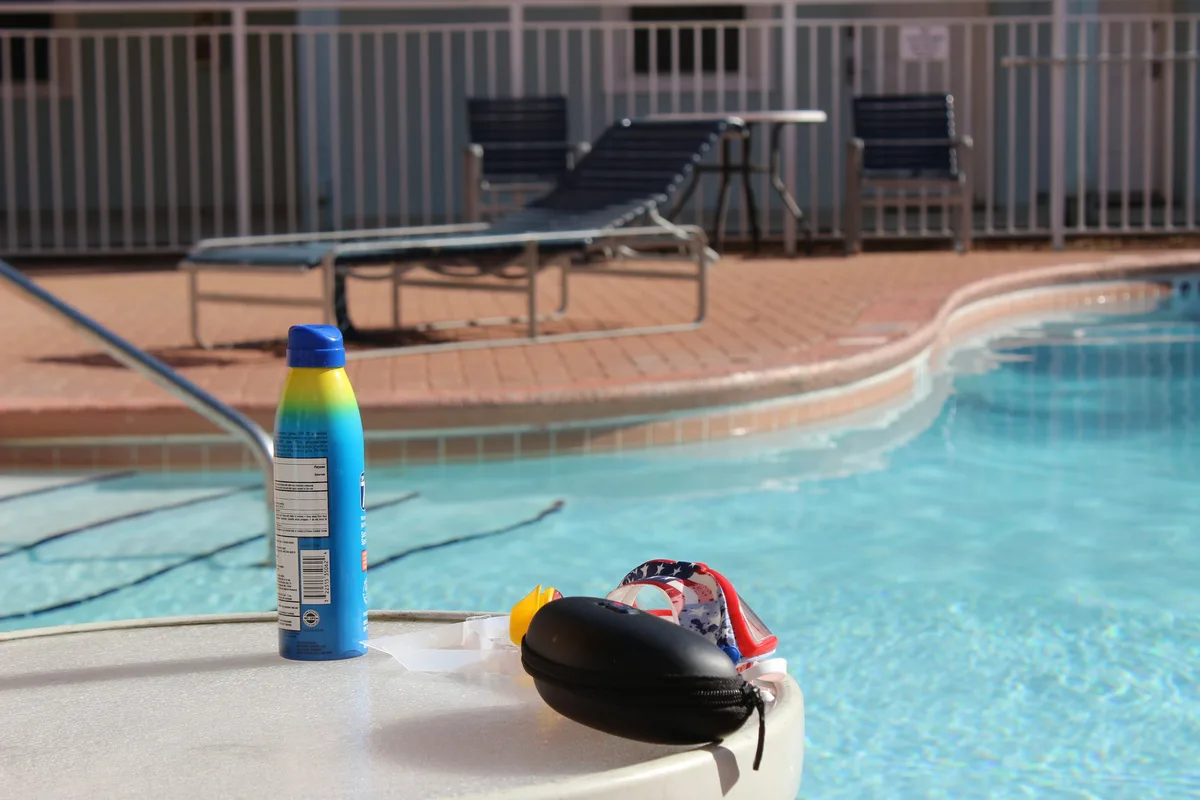
Image source: Bing (Web (fair-use with source credit))
This is where many people get it wrong. If you're swimming, sweating profusely, or toweling off, your sunscreen isn't magically staying put. Manufacturer specifications for water-resistant sunscreens indicate they are effective for either 40 minutes or 80 minutes while swimming or sweating.
After this designated time, the sunscreen's ability to protect you is significantly reduced. This means that even if you applied it just an hour ago, a dip in the pool or a vigorous workout requires an immediate reapplication. Don't wait until you're drying off or getting out of the water to think about it.
Environmental Extras: Altitude and Reflection
Did you know that the higher you go, the stronger the UV radiation gets? At higher altitudes, the Earth's atmosphere is thinner, offering less protection from the sun's rays. This means sunburn can happen much faster, and you’ll need to be more vigilant with your sunscreen.
Furthermore, surfaces like water, sand, snow, and even concrete can reflect UV rays, increasing your total exposure. For instance, skiing or playing on a beach means you're getting hit by the sun from above and from these reflective surfaces. This amplified exposure means reapplication becomes even more crucial.
The "Every Two Hours" Rule: When It Applies (and When It Doesn't)
That common advice to reapply sunscreen every two hours is a solid baseline, but it's not a hard and fast rule for every single situation. It's the average guideline for continuous, moderate sun exposure without intense sweating or water immersion. Think of it as a general reminder to check in with your sun protection.
If you’re simply sitting at a desk or taking a short walk in mild conditions, you might get away with longer intervals between applications. However, for anything more active or prolonged, the two-hour mark is a critical checkpoint. It ensures you’re not allowing the protective layer to degrade too much.
Sunscreen Application: The Foundation of Protection

Image source: Web (Bing) / worksheets.printable.uk.com (Web image (fair-use with source credit))
Before you even think about reapplying, you need to get the initial application right. Aggregated user reviews and editorial analysis consistently report that people often don't use enough sunscreen. For adequate protection, you should aim to cover all exposed skin generously.
For an adult, this typically means about one ounce (a shot glass full) to cover your entire body. For your face, a nickel-sized dollop is usually sufficient. When reapplying, the same generous application is necessary to build back the full SPF protection.
This initial layer sets the stage for effective ongoing defense.
The Biggest Mistakes People Make with Reapplication
Many of us think we're being diligent about sun protection, but small, common errors can seriously undermine our efforts. Understanding these mistakes is half the battle in ensuring your sunscreen is actually working for you.
"Set It and Forget It" Mentality
The most common mistake is applying sunscreen once in the morning and assuming that's it for the day. This approach only works if you're spending the entire day indoors, away from any UV exposure. As soon as you step outside, especially for an extended period, the protective barrier on your skin begins to break down.
This is true even for high SPF products.
Not Applying Enough (Again!)
It’s not just about the initial application; reapplying with a thin, wispy layer won't give you the stated SPF. If you’re trying to conserve product or just doing a quick swipe, you're likely not getting adequate protection. Remember the guideline: a generous application is key.
This means using a substantial amount each time, just as you did with the initial coat.
Using the Wrong Type for the Job
Not all sunscreens are created equal when it comes to different activities. If you're heading for a swim or a strenuous hike, a regular lotion might not cut it. You need a sunscreen specifically labeled as water-resistant (40 or 80 minutes) to withstand sweat and submersion.
Using a spray sunscreen, while convenient, also presents challenges; ensuring even coverage can be tricky, and wind can carry it away before it settles on your skin.
Making the Smart Reapplication Choice: A Decision Guide
Deciding when to reapply sunscreen isn't always straightforward, but thinking of it as a series of quick choices can simplify things. You don't need a complex flowchart; just a few key questions to ask yourself throughout the day.
If you're planning on any prolonged outdoor activity, start by applying sunscreen generously at least 15-20 minutes before you go outside. This allows the sunscreen to bind effectively to your skin. Then, use the following guidelines to determine your reapplication schedule.
- Are you indoors or in shade for most of the day? If yes, you might only need to reapply once or twice, ideally after about 4 hours of consistent wear, especially if you have sensitive skin or are in a particularly sunny region.
- Are you sweating or getting wet? If you’ve been swimming, even for a short while, or have been sweating significantly, reapply immediately after you dry off. If your sunscreen is labeled water-resistant for 40 minutes, reapply after that time in the water. If it’s 80 minutes, reapply after 80 minutes.
- Are you consistently in direct sunlight? If you're spending hours outdoors without significant breaks indoors or in shade, aim to reapply every two hours, regardless of sweating. This ensures continuous protection as the sunscreen’s efficacy naturally decreases over time.
- Have you been rubbing against things? Friction from clothing, towels, or bags can also remove sunscreen. If you notice wear marks or feel like you've rubbed a lot of product off, it’s a good cue to reapply.
FAQs: Your Burning Sunscreen Questions Answered
Does SPF 100 last longer than SPF 30?
No, the SPF number primarily indicates how well a sunscreen protects against UVB rays, not how long that protection lasts. All sunscreens, regardless of SPF, need to be reapplied regularly. The FDA limits water-resistance claims to 40 or 80 minutes, so always reapply after swimming or sweating.
Can I wear makeup over sunscreen and not reapply?
While makeup can offer a slight additional barrier, it doesn't replace the need for reapplication. Many makeup formulations don't contain enough SPF to provide true protection, and reapplying makeup over existing layers can lead to uneven application and insufficient coverage. For adequate protection, it’s best to use a dedicated sunscreen and reapply it as needed, even if you’re wearing makeup.
What does "broad-spectrum" sunscreen mean?
Broad-spectrum sunscreen protects your skin from both UVA and UVB rays. UVA rays contribute to premature aging and skin cancer, while UVB rays are the primary cause of sunburn. Ensuring your sunscreen is broad-spectrum provides more comprehensive protection against sun damage.
Does sunscreen expire?
Yes, sunscreens do expire. The active ingredients that protect your skin lose their effectiveness over time. Check the expiration date on the product.
If there isn't one, as a general rule, most sunscreens are effective for about three years. If the texture, color, or smell changes, it’s time to discard it, even if it hasn't expired.
Is it possible to get a sunburn on a cloudy day?
Absolutely. Up to 80% of UV rays can penetrate clouds, meaning you can still get a sunburn even when it doesn't feel sunny. This is why it's crucial to wear sunscreen year-round, not just during hot, sunny weather.