Can Facial Oil Replace Moisturizer?
Can facial oil replace moisturizer? It’s a question many of us ponder while staring at our skincare bottles, wondering if we can streamline our routine. The short answer is that for some skin types and in certain conditions, yes, facial oil can indeed step in for your usual moisturizer.
However, it’s not a universal solution and depends heavily on your skin’s individual needs.
Our research indicates that the effectiveness of this substitution hinges on understanding your skin's unique requirements for both hydration (water content) and occlusion (sealing in moisture). Manufacturer specifications often highlight the different roles these products play, with moisturizers typically offering a blend of humectants and emollients, while oils primarily focus on occlusion and nourishment. As of 2026, the dialogue around simplifying skincare routines continues, with many users exploring these kinds of product swaps.
Quick Answer
Facial oil can replace moisturizer for some, especially those with oily or combination skin. Oils provide occlusion to seal moisture, but often lack the humectants found in moisturizers that actively draw water into the skin. Dry or dehydrated skin types will likely need the extra hydration a dedicated moisturizer offers.
What's Your Skin Type Telling You About This Swap?
This is the absolute starting point for figuring out if a facial oil can do the job of your moisturizer. Your skin’s natural sebum production and its ability to hold onto water are like a personal blueprint for what it needs. If your skin feels comfortable and balanced with just a few drops of oil, that’s a huge clue.
On the other hand, if you’re left feeling tight or flaky, it’s a strong signal that you’re missing a key ingredient.
Oily or Combination Skin: The Potential Win
If your skin tends to get shiny a few hours after cleansing, and you don’t often experience that tight, uncomfortable feeling, you’re a prime candidate to try using facial oil as your sole hydrator. Your skin already produces a good amount of oil, so adding more can help regulate that production and create a protective seal. This helps prevent moisture loss without feeling heavy or contributing to breakouts, as long as you pick the right kind of oil.
Dry or Dehydrated Skin: The Cautionary Tale
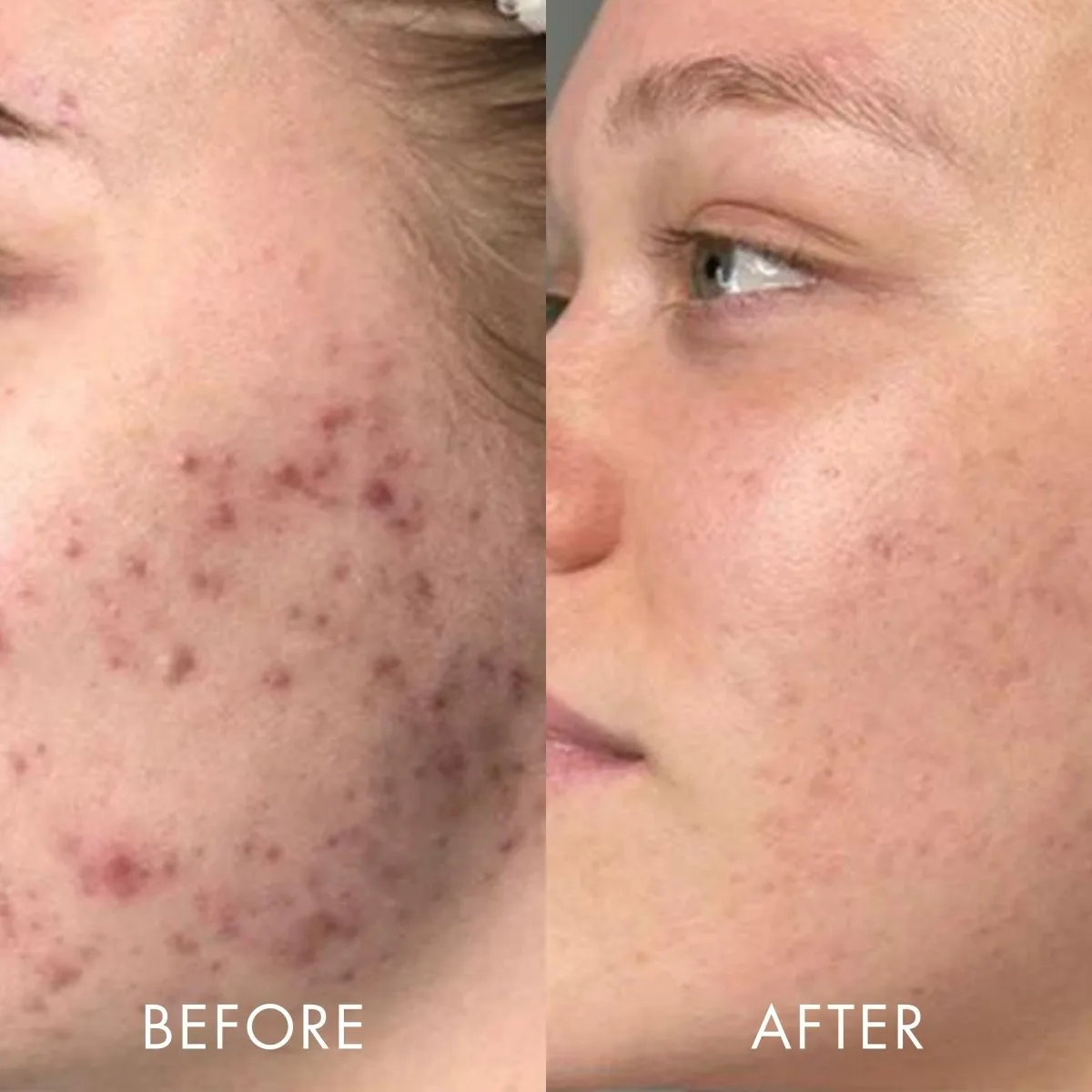
If your skin consistently feels tight, looks flaky, or seems to soak up products instantly without much lasting hydration, you probably need more than just an oil. Dry and dehydrated skin types often require humectants, which are ingredients that actively draw moisture from the air and deeper layers of your skin to the surface. Oils are primarily occlusive, meaning they seal in moisture rather than adding it, and on their own, they might not be enough to quench thirsty skin.
A dedicated moisturizer, which often contains a blend of humectants and occlusives, is usually a safer bet here. For instance, many high-quality moisturizers incorporate ingredients like hyaluronic acid, which can hold up to 1,000 times its weight in water.

Normal Skin: Your Experimentation Zone
Folks with normal skin often have the most flexibility. You might find that in the summer, a light facial oil is all you need to keep your skin happy and balanced. Then, as the weather cools and air becomes drier in the winter, you might switch back to a traditional moisturizer for that extra comfort and protection.
This is where carefully observing how your skin feels day-to-day becomes your best guide. You can experiment with different oils and see how your complexion reacts.
Sensitive Skin: Proceed with Care
When your skin is easily irritated or prone to redness, approaching any new product, including facial oils, with caution is key. Some oils, depending on their source and formulation, can contain ingredients that trigger sensitivity or clog pores for certain individuals. If you have sensitive skin and want to try using an oil instead of a moisturizer, selecting a gentle, fragrance-free option is crucial.
Always perform a patch test on a small, inconspicuous area of your skin before applying it to your entire face.
What Kind of Facial Oil Are We Really Talking About?
Not all oils are created equal when it comes to skincare. Their chemical makeup dictates how they interact with your skin, and this is a big factor in whether one can successfully replace your moisturizer. Understanding the main types of oils will help you make a more informed decision for your skin’s needs.
Occlusive vs. Emollient Oils: Know the Difference
Occlusive oils create a physical barrier on your skin. They sit on the surface and are excellent at preventing trans-epidermal water loss (TEWL). Think of them as a protective shield that locks in the hydration already present.
Emollient oils, on the other hand, are fantastic at softening and smoothing the skin’s texture. They fill in the tiny gaps between skin cells, making your complexion feel supple. Some oils are primarily occlusive, some primarily emollient, and many offer a blend of both properties.
Lighter Oils for Everyday
For those with oilier skin or who are just starting out, lighter oils are often a better choice. These tend to have a less greasy feel and absorb more quickly into the skin. Examples include grapeseed oil, rosehip seed oil, and squalane oil.
Squalane, in particular, is a favorite because it’s chemically very similar to sebum, your skin’s natural oil, making it easily accepted and less likely to cause issues. Manufacturer specifications often list absorption rates and fatty acid profiles, which can guide you to a lighter option.
How Climate Changes the Equation
The environment you live in plays a surprisingly large role in whether a facial oil can fully replace your moisturizer. Think about it: your skin is constantly interacting with the air around it, and that air’s moisture content can significantly impact your skin’s hydration levels. This is why what works in one place might not work in another.
Humid vs. Dry Air: Your Skin's Environment
In humid climates, the air is already saturated with moisture. This means your skin has more ambient water available to it, and it might not need the extra help from a water-based humectant in a moisturizer. In these conditions, a facial oil can be quite effective at sealing in that available moisture and providing a smooth finish without feeling heavy.
Conversely, in dry climates, the air is actively pulling moisture from your skin. When you're in a dry environment, especially during winter months or if you live in arid regions, your skin needs a more robust defense. This is where a moisturizer with both humectants (to draw in moisture) and occlusives (to seal it) is typically more beneficial.
A good moisturizer often contains ingredients like glycerin, which is a humectant that can hold up to 90% of its weight in water, making it invaluable in dry conditions.
The Smart Way to Test if Oil Can Replace Moisturizer
Figuring out if facial oil can replace your moisturizer isn't about guesswork; it’s about observation and a bit of gentle experimentation. You need to become a detective for your own skin and see how it truly responds to the substitution. This process allows you to make an informed decision based on your unique complexion, rather than a generic recommendation.
Step-by-Step Skin Trial
Start by selecting a facial oil that you know is compatible with your skin type, ideally one that is non-comedogenic if you're prone to breakouts. Cleanse your face thoroughly as you normally would, and apply any hydrating toners or essences you use while your skin is still slightly damp. Then, instead of reaching for your moisturizer, apply just a few drops of the facial oil.
Gently press the oil into your skin, avoiding any harsh rubbing.
Observing Your Skin's Response
After applying the oil, give your skin time to settle, at least an hour, but ideally longer, even up to a full day if possible. Pay close attention to how your skin feels. Does it feel comfortable, supple, and hydrated throughout this period?
Or do you start to notice a feeling of tightness, dryness, or even increased oiliness as your skin tries to compensate? If your skin feels good, it’s a positive sign that the oil might be sufficient. If it feels dry or uncomfortable, it's a strong indicator that your skin still needs the added hydration a traditional moisturizer provides.
This observational phase is crucial for determining if the facial oil is adequately fulfilling the role of your moisturizer.
When You Probably Still Need That Dedicated Moisturizer
Sometimes, even with the best intentions, a facial oil just won't cut it on its own. Your skin might be sending out distress signals that only a well-formulated moisturizer can answer. It’s not a failure if you need both; it’s simply listening to what your complexion is telling you it needs to be healthy and happy.
Recognizing Signs of Thirst
The most obvious clue that you need more than just oil is persistent dryness. If your skin feels tight, especially after cleansing, or if you’re seeing flaky patches that don’t disappear after a few hours, your skin is likely dehydrated. This means it lacks sufficient water content.
Oils are great at preventing water from escaping, but they don't actively add water to your skin. If you're not getting that plumping, hydrated feeling, a moisturizer is probably your next step.
The Role of Humectants in Moisturizers
This is where the magic of a good moisturizer truly shines. While oils excel at occlusion, many moisturizers are packed with humectants. Ingredients like hyaluronic acid, glycerin, urea, and panthenol are designed to attract water molecules from the environment and bind them to your skin.
This process not only hydrates the surface layers but can also plump up the skin, making fine lines less noticeable. A moisturizer containing 2% hyaluronic acid, for example, can significantly boost skin hydration levels by drawing moisture from the air into the epidermis.
Barrier Repair Needs
Your skin's barrier is its first line of defense against environmental stressors, irritants, and moisture loss. When this barrier is compromised, perhaps due to over-exfoliation, harsh weather, or underlying conditions, it becomes more permeable. Oils can help support a weakened barrier by providing lipids, but a comprehensive moisturizer often contains a broader spectrum of ingredients like ceramides, fatty acids, and cholesterol.
These components work synergistically to reinforce the skin's natural structure and restore its protective functions more effectively than oil alone. If you’re experiencing redness, irritation, or increased sensitivity, a dedicated moisturizer designed for barrier repair is usually the better choice.
Mistakes to Avoid When Swapping Oil for Moisturizer
Making the switch from a traditional moisturizer to just facial oil can seem like a simple hack, but there are a few common missteps that can leave your skin feeling worse than before. Understanding these pitfalls can help you navigate this change more successfully and avoid common frustrations. It's all about being mindful of your skin's specific needs.
Over-Reliance on Oil
One of the biggest mistakes is assuming that more oil is always better, or that any oil will provide the same benefits as a moisturizer. While oils are fantastic at sealing in moisture, they often lack the humectants that actively draw water into the skin. If your skin is truly dehydrated, relying solely on an oil might lead to a cycle of dry, tight skin because the fundamental need for water isn't being met.
This can be particularly problematic in arid climates where the air itself is moisture-depleted.
Choosing the Wrong Oil
Not all facial oils are created equal, and picking one that's not suited for your skin type can cause more problems than it solves. For example, using a heavy, highly occlusive oil like mineral oil or petroleum jelly on acne-prone skin could lead to clogged pores and breakouts. Conversely, a very light oil might not provide enough emollience or barrier support for someone with very dry skin.
Researching the fatty acid profile and potential comedogenicity of an oil is important. Oils rich in linoleic acid are often lighter and better tolerated by acne-prone individuals.
Ignoring Skin's Signals
The most critical mistake is not listening to your skin. If you've made the switch to facial oil and your skin feels tight, looks dull, or is becoming increasingly sensitive, it's a clear sign that the substitution isn't working for you. Pushing through these signals can lead to a compromised skin barrier and exacerbate existing issues.
Your skin will tell you what it needs through its texture, comfort, and overall appearance, so pay attention to these cues rather than sticking to a trend that isn't beneficial for you.
How to Choose the Right Facial Oil
If you've decided to experiment with facial oils, either as a replacement for moisturizer or as an addition to your routine, selecting the right one is key. The world of oils can seem vast, but focusing on a few key characteristics will help you find a formula that suits your skin. Consider the oil's origin, its fatty acid profile, and its intended benefits.
Understanding Oil Properties
Oils are often categorized by their primary function: occlusive, emollient, or both. Occlusive oils create a barrier to prevent moisture loss, while emollient oils smooth and soften the skin. For instance, shea butter, a common emollient, is rich in fatty acids that help repair the skin barrier.
Squalane, a lighter, more easily absorbed oil, is considered both emollient and occlusive, making it a versatile choice for many skin types. Manufacturer specifications will often detail these properties.
Matching Oils to Your Skin Concerns
- For Oily/Acne-Prone Skin: Look for lighter, non-comedogenic oils like grapeseed oil, rosehip seed oil, or jojoba oil. These are rich in linoleic acid, which can help balance sebum production.
- For Dry/Mature Skin: Consider richer oils like argan oil, avocado oil, or marula oil. These are often higher in oleic acid and antioxidants, providing deep nourishment and improving skin elasticity.
- For Sensitive Skin: Opt for gentle, minimally processed oils such as sunflower seed oil or even pure squalane. Avoid oils with added fragrances or essential oils that could cause irritation.
When to Layer Oil and Moisturizer
For many people, the ideal solution isn't an either/or scenario between facial oil and moisturizer. Instead, combining them can offer the most comprehensive skincare benefits. This approach allows you to leverage the strengths of both product types, creating a robust routine that addresses multiple skin needs.
The "Sandwich" Method Explained
One popular technique is the "sandwich" method. Here, you apply your hydrating serum or toner first, then your moisturizer, and finally, a few drops of facial oil on top. This locks in all the beneficial ingredients from your previous steps.
The oil acts as the final seal, preventing moisture from escaping throughout the day or night. This method is particularly effective for dry or dehydrated skin types, or during colder months when the air is harsh. If you're exploring best moisturizing body wash options, remember that similar principles apply to body care.
When to Apply Oil Before Moisturizer
Alternatively, you can apply your facial oil first, and then follow with your moisturizer. This approach is often preferred by those with oily or combination skin. The oil can help prime the skin and provide nourishment, while the moisturizer adds an extra layer of hydration and protection without feeling too heavy.
It’s about finding the sequence that feels best and yields the most comfortable results for your unique complexion. As of 2026, this layering technique remains a popular topic in advanced skincare discussions. You might also find this helpful if you're considering a best body oil for overall hydration.
What Are the Key Differences Between Oils and Moisturizers?
Understanding the fundamental differences between facial oils and traditional moisturizers is crucial for making informed decisions about your skincare. While both aim to hydrate and protect the skin, they achieve this through distinct mechanisms and ingredient profiles. Knowing these differences helps you determine which product, or combination, is right for you.
Ingredient Focus: Oils vs. Moisturizers
Facial oils are essentially lipids, fats and fatty acids, derived from plants, minerals, or sometimes animals. Their primary function is to create an occlusive barrier that prevents water loss from the skin. Think of them as sealants.
Moisturizers are typically emulsions containing water, humectants (like glycerin or hyaluronic acid), emollients, and occlusives. Humectants draw water into the skin, emollients smooth the skin's surface, and occlusives seal it all in. A good moisturizer offers a multi-pronged approach to hydration.
Hydration vs. Occlusion
The core difference lies in their primary action: moisturizers often focus on adding hydration via humectants, while oils primarily focus on preventing loss of existing hydration through occlusion. Some very rich moisturizers may act as both humectant and occlusive. However, a pure facial oil typically lacks significant humectant properties.
This means if your skin is fundamentally dehydrated (lacking water), an oil alone might not be enough to solve the problem, even if it feels smooth on the surface. For a visual comparison, imagine a moisturizer as a sponge that soaks up water and then holds it, while an oil is like a plastic wrap that keeps whatever is inside from escaping. This is similar to how a best moisturizing body wash aims to hydrate, while a best body oil focuses on sealing it in.
How to Properly Apply Facial Oil
Applying facial oil correctly ensures you get the maximum benefit without feeling overly greasy. It's a simple process, but a few key steps can make a big difference in how the oil performs on your skin. The goal is absorption and a comfortable, protected feel, not a slick surface.
The Patting Technique
Once your skin is clean and, if you use them, prepped with toner or serum, dispense 2-4 drops of facial oil into your palm. Warm the oil slightly by rubbing your palms together. Then, gently press or pat the oil into your skin all over your face and neck.
Avoid rubbing vigorously, as this can break down the oil and lead to a greasier feel. Patting helps the oil absorb more evenly and effectively, supporting its barrier-forming properties. This technique is also beneficial when using other topical treatments, such as those applied with a best skin spatula.
When to Incorporate Oil into Your Routine
You can use facial oil morning and night. If using it in the morning, ensure you apply sunscreen afterward, as some oils can increase photosensitivity. At night, it can be the last step in your routine after your moisturizer, or it can be used in place of your moisturizer if your skin tolerates it well.
If you're using it in conjunction with other treatments, ensure the oil is applied after any water-based serums or treatments have been absorbed. For a broader understanding of skin hydration, you might look into best body butter and best body cream options.
FAQs: Your Top Questions Answered
Can I use a body oil on my face instead of moisturizer?
Generally, it's best to use facial oils formulated specifically for the face. Body oils can sometimes be heavier or contain ingredients that might be too potent or pore-clogging for delicate facial skin. While some ingredients overlap, facial oils are typically designed with a lighter touch.
Is it okay to mix facial oil with my moisturizer?
Absolutely. Many people find that layering a few drops of facial oil over their moisturizer provides an extra boost of hydration and seals everything in, especially during dry seasons. This combination can offer the benefits of both product types.
How much facial oil should I use if I'm replacing my moisturizer?
Start with just 2-3 drops. You can always add more if your skin feels like it needs it, but it's easier to add than to remove excess oil. Gently press the oil into your skin after cleansing and toning.
Can facial oil help with acne?
Some facial oils, like those rich in linoleic acid (such as rosehip or grapeseed oil), can actually be beneficial for acne-prone skin. They can help balance oil production and reduce inflammation. However, it's crucial to choose non-comedogenic oils and patch-test first, as some oils can worsen breakouts.
How do I know if my facial oil is too heavy?
If your skin feels greasy, shiny, or you notice new breakouts appearing a few days after using the oil, it might be too heavy for your skin type. Another sign is if the oil doesn't seem to absorb at all, just sitting on top of your skin.