What Is the Difference Between Chemical and Physical Exfoliation?
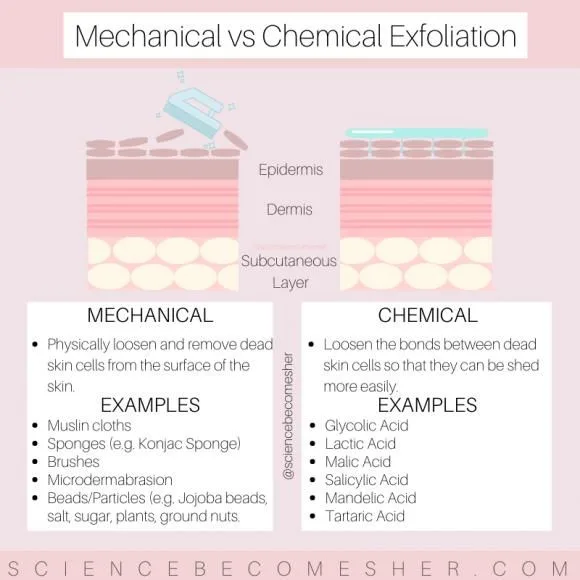
Image source: Bing (Web (fair-use with source credit))
You're curious about what makes chemical and physical exfoliation different, and that's a smart question to ask. Understanding these distinct approaches is key to choosing the right method for your skin's needs and helping it look its best. Both aim to reveal fresher skin, but they achieve this in fundamentally different ways, impacting your skin's immediate feel and long-term health.
Our research shows that exfoliation, whether chemical or physical, works by removing dead skin cells. According to guidance from the American Academy of Dermatology, exfoliation can improve skin tone and texture. The choice between chemical and physical methods often comes down to skin type, sensitivity, and desired results, so let's break down how each works and what you can expect.
Quick Answer
The core difference lies in how dead skin cells are removed. Physical exfoliation uses friction from scrubs or tools to manually slough off cells. Chemical exfoliation employs acids or enzymes to dissolve the bonds holding dead cells together.
Physical is immediate; chemical is often more gradual.
Physical Exfoliation: The "Scrub Away" Method
Physical exfoliation is like giving your skin a gentle polish using something tangible. It's the method most people first learn about, often involving a scrub or a textured tool. The idea is straightforward: apply friction to manually lift and sweep away those dull, dead skin cells that are clinging to your skin's surface.
It's a direct, mechanical process that can often give you an immediate sensation of smoothness.
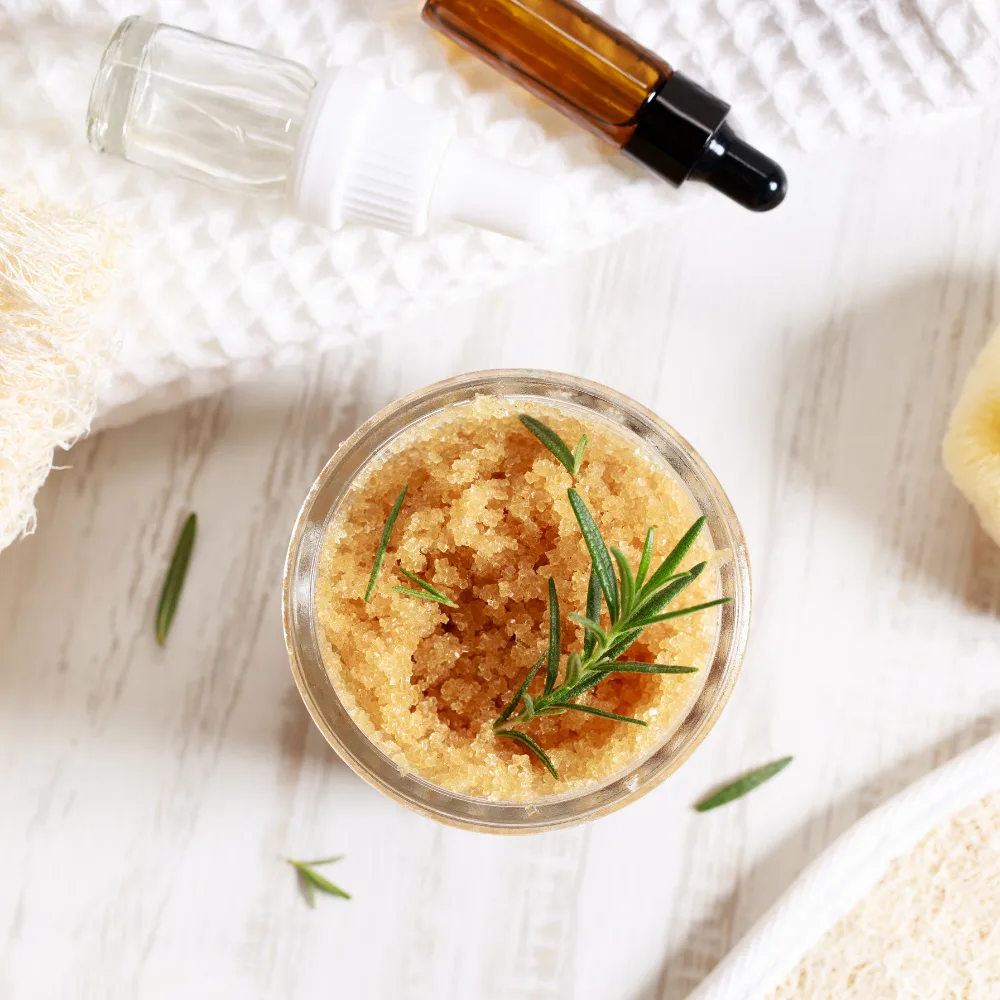
Image source: Bing (Web (fair-use with source credit))
How Physical Exfoliation Works
This method relies on physical abrasion. You apply a product or use a tool that has texture, and then you move it across your skin. The particles or the surface of the tool create friction, which physically dislodges and removes the outermost layer of dead skin cells.
It’s important to remember that the effectiveness and gentleness depend heavily on the coarseness of the particles or the tool, as well as the pressure you apply.
Aggregate reviews report that users often feel an instant "clean" or "smooth" sensation immediately after using a physical exfoliant, which can be quite satisfying. However, this immediate result also comes with a higher risk of overdoing it if not careful.
Tools and Ingredients for Physical Exfoliation
When we talk about physical exfoliants, the options range widely. You'll find products with finely milled grains like sugar or salt, or even more substantial particles derived from seeds or nuts. Beyond scrubs, there are also dedicated tools.
These include:
- Washcloths and loofahs: Everyday items that provide gentle to moderate friction.
- Facial cleansing brushes: These can be manual or electric, with bristles designed to buff the skin. You can explore options like those found in articles discussing best facial massager tools.
- Dry brushes: Often used on the body to stimulate circulation and slough skin. Some find a best dry brush to be an effective part of their routine.
- Body brushes and scrubs: For larger areas, dedicated best body brush options and best body scrub products are available.
The key with all of these is to use them with a light hand. The goal is to remove dead cells, not to scrub your skin raw.
Chemical Exfoliation: The "Dissolve Away" Method
Chemical exfoliation sounds more intense than it often is; it doesn't involve harsh chemicals in the way you might imagine. Instead, it uses specific ingredients, typically acids or enzymes, that work by dissolving the intercellular "glue" holding dead skin cells together. This allows the dead cells to shed naturally and more efficiently, often leading to smoother and brighter skin over time without the need for manual scrubbing.
Manufacturer specifications for various skincare products confirm that these ingredients are designed to work on a molecular level. As of 2026, research continues to refine the effectiveness and safety of these agents, with many dermatologists recommending them for a range of skin concerns. The process is generally less about immediate physical sensation and more about the cumulative effects of consistent, gentle cell turnover.

Image source: Web (Bing) / msn.com (Web image (fair-use with source credit))
How Chemical Exfoliation Works
The magic of chemical exfoliation lies in its active ingredients. These substances work by breaking the bonds between dead skin cells. Think of it like carefully dissolving the mortar between bricks instead of trying to chip each brick away individually.
This process encourages the skin’s natural shedding cycle, which can sometimes become sluggish with age or due to environmental factors.
The effectiveness is often described as more uniform than physical methods, as the product can reach and dissolve cells across the entire treated area. While you might not feel an immediate physical removal of skin, the results are often a more refined texture and a brighter complexion as the process continues.
Key Chemical Exfoliant Ingredients: AHAs, BHAs, and Enzymes
There are several main types of chemical exfoliants, each with slightly different properties and benefits. Understanding these will help you choose the right one for your skin.
AHAs (Alpha Hydroxy Acids): These are water-soluble and work primarily on the skin's surface. They are excellent for addressing issues like dullness, uneven tone, and fine lines. Common AHAs include:
- Glycolic Acid: Derived from sugar cane, it has a small molecular size, allowing it to penetrate effectively for significant exfoliation. It’s a powerhouse for improving skin texture and brightness.
- Lactic Acid: Found in dairy products, it's known for being gentler than glycolic acid and also has hydrating properties, making it a good choice for drier or more sensitive skin types.
BHAs (Beta Hydroxy Acids): The most well-known BHA is salicylic acid. Unlike AHAs, BHAs are oil-soluble. This is a huge advantage because it means salicylic acid can penetrate deep into pores, dissolving the mixture of oil and dead skin cells that often leads to blackheads and acne. If you're struggling with breakouts, a product with salicylic acid is often recommended, similar to how you might look for guidance on best skin spatula tools for pore clearing.
Enzymes: Often derived from fruits like papaya (papain) or pineapple (bromelain), enzymes work by breaking down the protein component of dead skin cells. They are generally considered the mildest form of chemical exfoliation, making them a great option for very sensitive skin or those new to chemical exfoliants.
When to Use Which: Matching Exfoliation to Your Skin
Choosing between chemical and physical exfoliation isn't about one being universally "better." It's about matching the method to your specific skin type, concerns, and how your skin reacts. For instance, if you’re dealing with oily, acne-prone skin, you might lean towards one type, while someone with very sensitive skin might prefer another. Our research indicates that consistency and the right formulation are more crucial than the method alone for achieving optimal results.
Best For Oily and Acne-Prone Skin
For those who battle with excess oil and frequent breakouts, chemical exfoliants, particularly salicylic acid (a BHA), often take center stage. Because salicylic acid is oil-soluble, it can dive deep into your pores. There, it works to break down the sebum and dead skin cell buildup that can trap bacteria and lead to pimples, blackheads, and whiteheads.
Its anti-inflammatory properties can also help calm existing breakouts. While physical scrubs can sometimes help dislodge surface debris, they can also potentially spread bacteria or cause micro-tears in inflamed skin, making them a riskier choice for active acne. Some users explore options for pore clearing with tools like those found in discussions about best ultrasonic skin scrubber devices.
Best For Dry and Sensitive Skin
If your skin tends to get red, irritated, or feels tight and uncomfortable easily, you’ll want to approach exfoliation with extra care. Lactic acid, a gentler AHA, is often a good starting point because it exfoliates while also providing hydration. Enzyme-based exfoliants are another excellent choice for sensitive types, as they are very mild and work by dissolving dead cells without harsh abrasion or strong acids. Many find that using a product designed for sensitive complexions, similar to selecting a gentle best moisturizing body wash for daily use, is key.
Over-vigorous scrubbing with physical exfoliants can easily compromise the delicate skin barrier in these individuals, leading to increased sensitivity and potential reactions.
Best For Dullness and Texture Issues
When your main goal is to reveal brighter, smoother skin and improve overall texture, both methods can be effective, but often with slightly different impacts. Glycolic acid (an AHA) is a star player here due to its small molecular size and potent ability to resurface the skin, fading minor discoloration and smoothing rough patches. Physical exfoliants, especially those with finely milled particles or a gentle cleansing brush, can also provide immediate buffing for a smoother feel. However, the key for texture and dullness is consistent, controlled cell turnover, which chemical exfoliants can reliably provide over time.
For body care, consider the benefits of a dedicated best body scrub or exploring products that enhance glow.
Common Exfoliation Mistakes to Avoid
Even with the best intentions, it's easy to fall into common traps when exfoliating. These mistakes can undermine your results, cause irritation, or even damage your skin barrier. Understanding what not to do is just as crucial as knowing how to exfoliate properly.
Often, people overestimate how often or how aggressively they can exfoliate, leading to problems rather than improvements.
The Dangers of Over-Exfoliation
Over-exfoliation is probably the most common pitfall, whether you're using a scrub or a chemical treatment. When you exfoliate too often or too forcefully, you strip away the skin's natural protective barrier faster than it can replenish itself. This leaves your skin vulnerable, leading to a cascade of issues.
- Redness and irritation: Your skin might look flushed, feel hot to the touch, or develop a burning or stinging sensation.
- Increased sensitivity: Products you normally tolerate might suddenly cause a reaction.
- Dryness and flakiness: Despite trying to remove dullness, your skin can become excessively dry and peel.
- Breakouts: Ironically, damaging your skin barrier can sometimes trigger more acne as the skin becomes compromised.
- Long-term damage: In severe cases, persistent over-exfoliation can lead to thinning of the skin or hyperpigmentation.
If you notice any of these signs, it's time to scale back significantly or take a complete break from exfoliating for a week or two to allow your skin to recover.
Choosing the Right Strength and Frequency
The strength of your exfoliant and how often you use it need to be carefully balanced. A high-concentration glycolic acid serum used daily will likely cause problems, just as a harsh, gritty scrub used twice a day will.
- Start low and slow: If you're new to chemical exfoliants, begin with a lower concentration (e.g., 5% lactic acid) and use it only once or twice a week. You can gradually increase frequency or strength as your skin builds tolerance.
- Read product labels: Formulations vary widely. A gentle cleanser with salicylic acid is very different from a potent leave-on BHA serum.
- Listen to your skin: This is the golden rule. If your skin feels comfortable and looks clear, you're likely on the right track. If it feels tight, stings, or looks red, you're probably pushing it too hard.
- Consider your other actives: If you're using other potent ingredients like retinoids, you'll need to be extra cautious with exfoliation. Combining too many strong treatments can easily lead to overdoing it.
Benefits and Drawbacks: Weighing Your Options
Both chemical and physical exfoliation offer pathways to smoother, brighter skin, but each comes with its own set of advantages and potential downsides. Making an informed choice means understanding these trade-offs to select the method that best aligns with your skin's needs and your personal preferences. Our analysis of user feedback and product data indicates that consistent, appropriate use is paramount for realizing benefits.
Pros and Cons of Physical Exfoliation
Pros:
- Immediate Results: You can often feel and see a difference in skin smoothness right after use.
- Sensory Feedback: The physical act of scrubbing can feel satisfying and thoroughly cleansing to many.
- Accessible: Many physical exfoliants are readily available as scrubs or can be achieved with simple tools like washcloths.
- Good for Surface Issues: Effective for quickly sloughing off visible flakes or dry patches.
Cons:
- Risk of Over-Abrasion: Too much pressure or using harsh particles can cause micro-tears and damage the skin barrier.
- Can Spread Bacteria: If used on active breakouts, the scrubbing motion can potentially spread bacteria, worsening inflammation.
- Particle Irregularities: Some scrub particles are irregularly shaped and can cause microscopic cuts on the skin.
- Less Effective for Deep Issues: Primarily works on the surface, less effective for deeply clogged pores or subsurface concerns.
Pros and Cons of Chemical Exfoliation
Pros:
- Targets Specific Concerns: AHAs and BHAs can effectively address acne, hyperpigmentation, fine lines, and texture.
- Gentler When Formulated Correctly: Can be less irritating than physical scrubs for sensitive or compromised skin.
- Pore Penetration (BHAs): Salicylic acid (BHA) is excellent for clearing pores from within.
- Consistent Results: With regular use, chemical exfoliants promote ongoing cell turnover for sustained improvement.
- Can Hydrate (Lactic Acid): Certain AHAs offer both exfoliation and moisturizing benefits.
Cons:
- Increased Sun Sensitivity: AHAs and BHAs make skin more vulnerable to UV damage, requiring diligent SPF use.
- Slower Results: Effects are often more gradual, building over time rather than providing an immediate "wow" factor.
- Potential for Irritation: Overuse or using too strong a concentration can still lead to redness, stinging, and barrier disruption.
- Requires Careful Selection: Choosing the right type and concentration for your skin type is essential.
Frequently Asked Questions About Exfoliation
How often should I exfoliate?
The frequency depends heavily on your skin type and the product you're using. For most people, exfoliating 1-3 times per week is sufficient. Sensitive skin might only tolerate it once a week, while some oilier, more resilient skin types might handle it more often.
Always start slow and monitor your skin's reaction.
Can I use both chemical and physical exfoliants?
Yes, but with extreme caution. Using both on the same day is generally not recommended as it significantly increases the risk of over-exfoliation. Some people alternate them on different days of the week, for example, using a physical scrub once and a chemical exfoliant twice.
This requires careful monitoring of your skin's tolerance.
Is it okay to exfoliate if I have active acne?
For active acne, chemical exfoliants, especially salicylic acid (BHA), are generally preferred. They can help to clear pores and reduce inflammation without the harsh friction that can aggravate pimples and potentially spread bacteria. Physical scrubs should be used very gently, if at all, on acne-prone skin.
Do I need to exfoliate if I use retinoids?
Retinoids also increase cell turnover, so you need to be careful when combining them with exfoliants. Using both can lead to over-exfoliation and significant irritation. It's often best to choose one primary method of exfoliation or to use them on alternate nights, carefully watching for any signs of redness or sensitivity.
Should I exfoliate my lips?
Yes, gently exfoliating your lips can help remove dryness and flakiness, making them smoother for lip products like balm or lipstick. There are specific best lip scrub products designed for this delicate area. Avoid harsh physical scrubs and opt for finer exfoliants or lip masks that gently loosen dead skin.
Your Next Steps: Choosing the Right Exfoliation for You
Deciding between chemical and physical exfoliation ultimately comes down to understanding your unique skin profile and your desired outcomes. If you have sensitive or reactive skin, starting with gentler chemical exfoliants like lactic acid or enzymes is often the safest bet. For those struggling with oily skin and clogged pores, salicylic acid (BHA) is typically the go-to chemical option.
Physical exfoliation, used with care and the right texture, can provide immediate smoothness and is suitable for many skin types when not overdone.
Remember that consistency is key, and always patch-test new products. Pay close attention to how your skin feels and looks, and adjust your routine accordingly. Over-exfoliation is a common pitfall that can undo your progress, so always err on the side of caution.
If you're unsure or experiencing persistent issues, consulting a dermatologist is always a wise step to get personalized advice.