How Can I Prevent Clogged Pores?
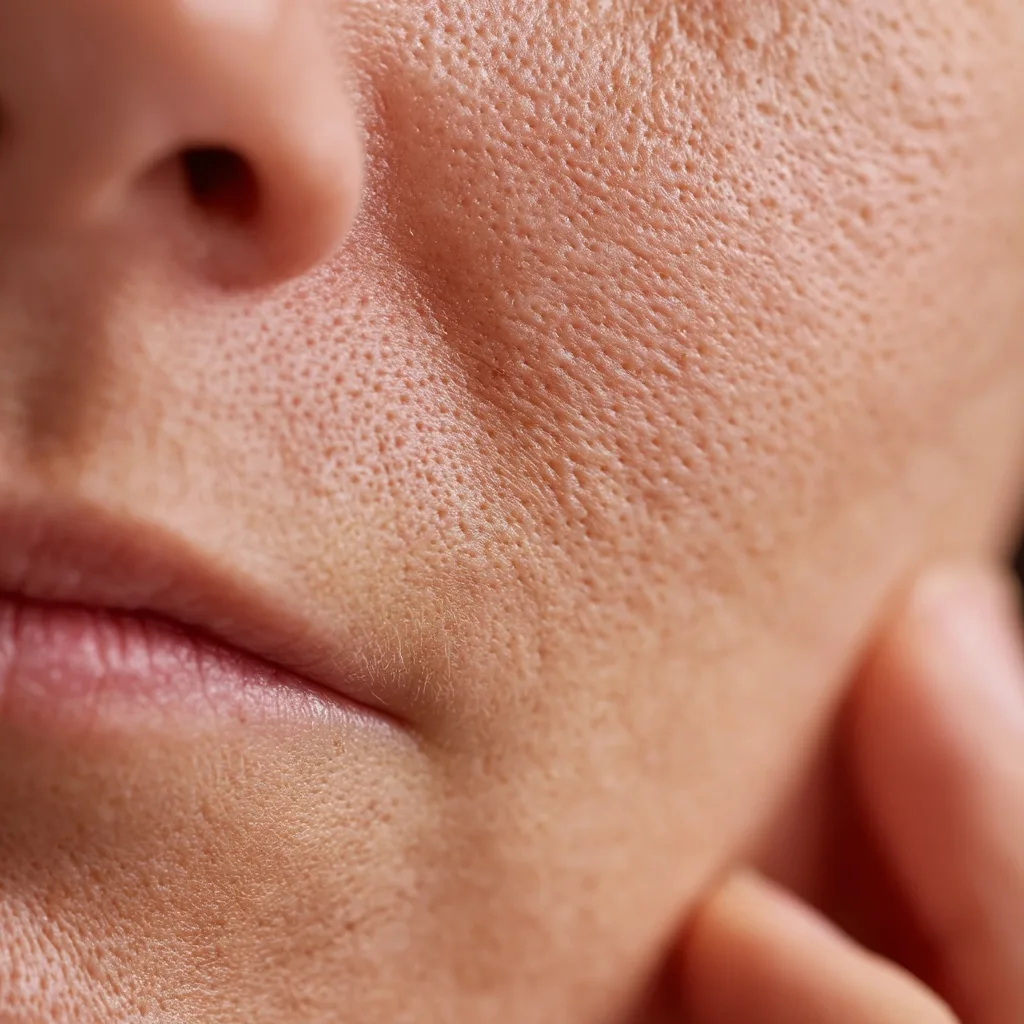
Image source: Bing (Web (fair-use with source credit))
How Can I Prevent Clogged Pores?
It’s frustrating when your skin looks dull and breakouts keep popping up, often starting with those tiny bumps that signal a clogged pore. You’re looking for real answers on how to prevent this common skin issue from happening in the first place. We'll break down exactly what causes pores to get blocked and how to keep them clear for a smoother complexion.
Understanding the root cause is key, and it often comes down to a combination of excess sebum, dead skin cells, and sometimes, external factors. As of 2026, research from the National Institutes of Health (NIAMS) indicates that maintaining a consistent and appropriate skincare routine is the cornerstone of pore clarity. Let's get into the specifics.
Quick Answer
Prevent clogged pores by cleansing twice daily and exfoliating regularly. Always choose non-comedogenic skincare products. Regularly remove makeup.
Use targeted treatments.
Why Are My Pores Clogging Up? The Real Culprits
Pores are those tiny openings on your skin where hair grows and oil glands release sebum. When these openings get blocked, that's when you end up with clogged pores. The main players behind this are usually a mix of excess sebum, also known as skin oil, and dead skin cells.
Think of it like a drainpipe getting gunked up. Sebum is your skin's natural moisturizer, but if your skin produces too much, it can mix with shed dead skin cells. This mixture can create a plug inside the pore.
If this plug becomes exposed to air, it oxidizes and turns into a blackhead. If it stays under the skin's surface, it forms a whitehead. Bacteria, specifically Cutibacterium acnes, can then thrive in these clogged pores, leading to inflammation and acne.
The rate at which your skin sheds dead cells, known as cell turnover, also plays a role. If this process slows down, more dead cells can accumulate. Additionally, certain ingredients in makeup or skincare products, called comedogenic ingredients, can be more likely to block pores for some people.
Your Skin Type: The Starting Point for Pore Prevention
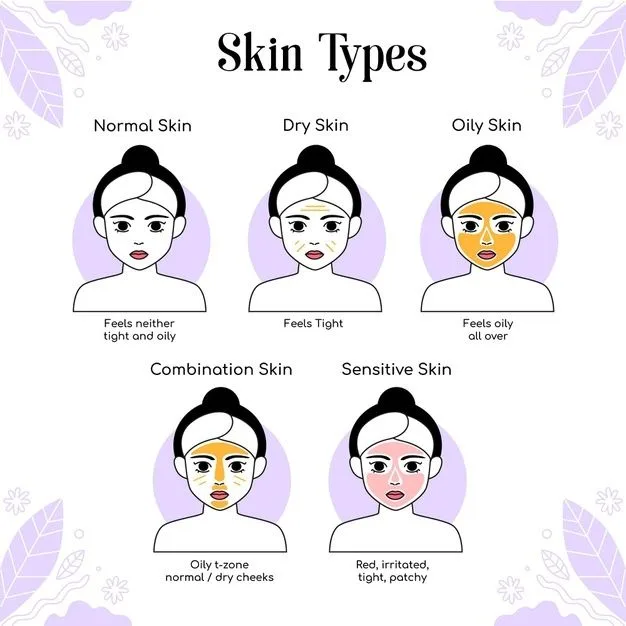
Before you dive into any new skincare routine, it's super important to know your skin type. What works wonders for one person might cause more problems for another, especially when it comes to preventing clogged pores. Identifying whether your skin is oily, dry, combination, or normal sets the foundation for choosing the right products and practices.
- Oily Skin: If your skin tends to look shiny, especially in the T-zone (forehead, nose, chin), and you’re prone to breakouts, you likely have oily skin. This skin type produces more sebum, making it more susceptible to clogged pores. You'll want to focus on lightweight, oil-free products that help control shine without stripping your skin dry.
- Dry Skin: Dry skin often feels tight, may look flaky, and doesn't usually produce a lot of excess oil. While less prone to the type of clogging that comes with excess oil, dry skin can still get congested if dead skin cells aren't removed effectively, or if heavier products are used that don't suit your skin's needs. Hydration is key here.
- Combination Skin: This is pretty common. You might have an oily T-zone but normal or dry cheeks. It means you might need to tailor your routine, using different products or techniques for different areas of your face.
- Normal Skin: If your skin is balanced, not too oily, not too dry, and generally free from major issues, you're in a good spot. Your focus will be on maintaining this balance and preventing problems from starting.
Understanding your skin type allows you to pick cleansers, exfoliants, and moisturizers that will actually help, rather than hinder, your goal of clear, unclogged pores. For instance, aggressive scrubbing that might be okay for someone with very oily skin could severely irritate and damage dry or sensitive skin.
The Daily Double: Cleansing Strategies for Clearer Pores
Cleansing is non-negotiable when it comes to preventing clogged pores. It’s your first line of defense against the daily buildup of oil, dirt, makeup, and dead skin cells. Doing it twice a day, consistently, makes a huge difference.
Gentle Cleansing Techniques
When we talk about cleansing, we don't mean scrubbing your face raw. Harsh scrubbing can actually irritate your skin, making it produce more oil in the long run, and can even push blockages deeper into the pore. The goal is to gently lift away impurities without stripping your skin’s natural moisture barrier.
- Use Lukewarm Water: Hot water can strip your skin of its natural oils, leading to dryness and potential overproduction of sebum. Cold water isn't as effective at dissolving oil and debris. Lukewarm water is the sweet spot.
- Massage, Don't Scrub: Apply your cleanser to damp skin and use your fingertips to gently massage it in a circular motion. Focus on areas prone to congestion like your nose and forehead.
- Rinse Thoroughly: Make sure all cleanser residue is washed away. Leftover cleanser can sometimes contribute to pore blockages.
- Pat Dry: Instead of rubbing your face with a towel, gently pat it dry with a clean, soft towel. This prevents unnecessary friction.
Makeup Removal: Don't Skip This Step!
This is a big one, especially if you wear makeup regularly. Going to bed without thoroughly removing all traces of makeup is a fast track to clogged pores. Makeup can trap oil and dead skin cells, creating a perfect environment for blackheads and breakouts.
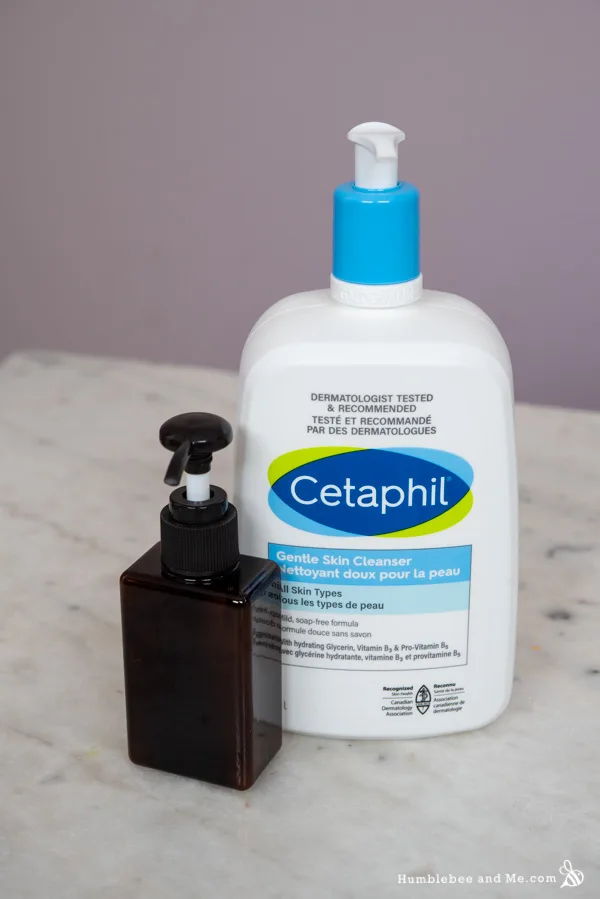
The double cleansing method is highly recommended here. This involves starting with an oil-based cleanser or micellar water to break down makeup, sunscreen, and excess sebum. Follow this with a water-based cleanser to wash away any remaining impurities and ensure your skin is truly clean.
- Oil-Based Cleansers/Balms: These are excellent for dissolving makeup, including waterproof formulas. They emulsify with water, lifting everything away without leaving a greasy residue.
- Micellar Water: Tiny oil molecules (micelles) suspended in water effectively attract and lift away dirt and makeup without harsh rubbing.
- Gentle Water-Based Cleanser: After the first cleanse, a gentle gel, foam, or cream cleanser will remove any remaining traces and ensure your skin is squeaky clean.
Skipping this crucial step means you’re essentially leaving a cocktail of pore-clogging culprits to sit on your skin all night.
Unlocking Your Pores: Smart Exfoliation Habits
After cleansing, exfoliation is your next most powerful tool for keeping pores clear. Exfoliation involves removing dead skin cells that can otherwise accumulate and mix with sebum to block pores. The key is to do it correctly and consistently, without overdoing it.
Chemical vs. Physical Exfoliation: Which is Right for You?
There are two main ways to exfoliate: physical and chemical. Both have their pros and cons, and what’s best often depends on your skin type and sensitivity.
- Physical Exfoliation: This involves using a scrub with small particles (like jojoba beads, finely ground oats, or sugar) or a cleansing brush to manually slough off dead skin cells. It gives you immediate smoothness.
- Pros: Instant results, can be very effective for some.
- Cons: Can be too harsh for sensitive or acne-prone skin if used aggressively, leading to micro-tears or inflammation.
- Chemical Exfoliation: This uses acids to dissolve the bonds between dead skin cells, allowing them to shed more easily. The most common types are Alpha Hydroxy Acids (AHAs) and Beta Hydroxy Acids (BHAs).
- AHAs (like Glycolic Acid and Lactic Acid): These work on the skin's surface. They're great for improving skin texture and tone and can help with hyperpigmentation. Glycolic acid, for example, is a popular choice.
- BHAs (like Salicylic Acid): These are oil-soluble, meaning they can penetrate deeper into the pore to break down blockages. Salicylic acid is a go-to for anyone prone to blackheads and acne.
- Pros: Can be more effective and less irritating than harsh physical scrubs when used properly. BHAs are particularly good for unclogging pores from within.
- Cons: Can cause initial redness or tingling. Sun sensitivity increases with AHA use, so sunscreen is essential.
For preventing clogged pores, BHAs like salicylic acid are often recommended because of their ability to get inside the pore.
How Often Should You Really Exfoliate?
This is where many people go wrong. Exfoliating too often can damage your skin barrier, leading to increased sensitivity, redness, and even more breakouts. The general recommendation, based on aggregate user feedback and dermatological advice, is to exfoliate 1-3 times per week, depending on your skin type and the strength of the product.
- Beginners: Start with once a week. See how your skin reacts.
- Oily/Resilient Skin: You might be able to handle 2-3 times a week, especially with a gentle BHA.
- Dry/Sensitive Skin: Stick to once a week, or even less, and opt for gentler formulas like lactic acid.
Always introduce a new exfoliant slowly and watch your skin’s reaction. If you experience persistent redness, stinging, or increased breakouts, you’re likely overdoing it. It’s better to under-exfoliate than over-exfoliate.
Beyond Cleansing & Exfoliating: Supporting Ingredients & Products
Cleansing and exfoliation are your heavy hitters, but what you apply to your skin afterward is also crucial for keeping pores happy and clear. Choosing the right types of moisturizers and treatments can make a significant difference in preventing future clogs.
Choosing Non-Comedogenic Essentials
The term "non-comedogenic" is a key phrase here. This means a product has been formulated in a way that's less likely to clog your pores. Many skincare brands test their products to ensure they don't block pores.
When shopping for moisturizers, serums, and even makeup, look for this label. It's not a 100% guarantee for everyone, as individual reactions can vary, but it’s a strong indicator that the product is formulated with pore-friendliness in mind. You’ll want to be mindful of ingredients that are known to be pore-clogging for many people, such as certain heavy oils or waxes.
Topical Treatments That Make a Difference
Beyond daily cleansing and moisturizing, certain topical treatments can actively work to keep pores clear.
- Salicylic Acid (BHA): As mentioned earlier, this is a star ingredient for a reason. It's oil-soluble and can penetrate pores to dissolve blockages. You can find it in cleansers, toners, and spot treatments. Per manufacturer specifications, concentrations typically range from 0.5% to 2% for over-the-counter products.
- Retinoids (e.g., Retinol, Tretinoin): These vitamin A derivatives are powerful multitaskers. They help speed up cell turnover, preventing dead skin cells from accumulating, and can also help regulate oil production. Prescription-strength retinoids like tretinoin are very effective, but over-the-counter retinol is also beneficial. Start with a low concentration and use it sparingly, as retinoids can cause initial dryness and irritation. Sunscreen is absolutely mandatory when using retinoids, as they increase sun sensitivity.
- Clay Masks: Masks containing ingredients like kaolin or bentonite clay can help absorb excess oil and draw impurities out of pores. Using a clay mask once or twice a week can be a great addition to your routine, especially if you have oily or combination skin.
When introducing new active ingredients like salicylic acid or retinoids, it's wise to patch-test them on a small area of your skin first. This helps you gauge your skin's reaction before applying them all over your face.
Are You Making These Pore-Clogging Mistakes?
Even with the best intentions, it’s easy to fall into habits that actually contribute to clogged pores. Being aware of common pitfalls can save your skin a lot of trouble.
- Over-Cleansing or Harsh Scrubbing: Stripping your skin’s natural oils can send your sebaceous glands into overdrive, leading to more oil production. Aggressive physical scrubs can cause micro-tears and inflammation, making pore congestion worse.
- Using Comedogenic Products: Many makeup items, especially heavier foundations, concealers, and even some sunscreens, can contain ingredients that clog pores for sensitive individuals. Always check product labels for "non-comedogenic" claims and be wary of ingredients like isopropyl myristate, lanolin, or certain mineral oils if you're prone to breakouts.
- Not Removing Makeup Thoroughly: If you don't remove makeup completely, it traps everything else underneath, oil, sweat, dead skin cells, creating a perfect breeding ground for blockages. This is why the double cleanse is so often recommended.
- Picking or Squeezing Pimples: Resist the urge! When you pick at a clogged pore or a pimple, you risk pushing bacteria deeper into the skin, increasing inflammation, and potentially causing scarring. This can make the problem much worse and harder to treat.
- Infrequent Exfoliation: Not exfoliating enough allows dead skin cells to build up. If your skin feels rough or dull, it’s likely a sign that your cell turnover needs a little help. Find a balance that works for you.
- Touching Your Face: Our hands touch countless surfaces throughout the day, picking up dirt, oil, and bacteria. Constantly touching your face transfers these impurities to your skin, potentially leading to clogged pores and breakouts.
Being mindful of these common mistakes is just as important as adopting good habits. It’s about consistent, gentle care.
When to Call in the Pros: Expert Help for Stubborn Clogs
Sometimes, despite your best efforts with at-home care, clogged pores and acne persist. If you’re struggling with persistent blackheads, whiteheads, or inflammatory acne, it's a good idea to consult a professional. A dermatologist can offer personalized advice and treatments tailored to your specific skin concerns.
Dermatologists can identify underlying causes for your breakouts, such as hormonal imbalances or sensitivities you might not be aware of. They can also prescribe stronger treatments that aren't available over-the-counter. These can include prescription-strength retinoids (like tretinoin), topical antibiotics, or even oral medications for more severe cases.
Additionally, a licensed esthetician can provide professional treatments like deep pore cleansing facials or chemical peels. These procedures can be very effective at clearing out stubborn congestion. Professional extractions performed by a trained esthetician are done in a sterile environment and are less likely to cause damage or scarring compared to trying to extract blemishes yourself.
You might also consider devices like an ultrasonic skin scrubber if you're curious about at-home tools that aim for deep cleansing, but always ensure you follow manufacturer instructions precisely to avoid irritation.
Don't hesitate to seek expert help if you feel stuck. A professional can help you get back on track to clearer, healthier skin.
Frequently Asked Questions About Preventing Clogged Pores
How long does it take to see results from a new routine?
Results vary based on individual skin and the routine's intensity. Typically, you might start noticing improvements in skin texture and fewer clogged pores within 4 to 8 weeks of consistent application.
Can diet affect clogged pores?
Yes, while not the sole cause, some studies suggest a link between high-glycemic diets and increased acne. Limiting processed sugars and dairy may help some individuals, but it's not a universal solution.
Are pore strips effective for prevention?
Pore strips can temporarily remove some surface debris and blackheads. However, they don't address the underlying causes of pore congestion and can sometimes irritate the skin, potentially worsening the issue.
Is it safe to use DIY pore masks?
While some natural ingredients can be beneficial, DIY masks lack standardization. Incorrect ingredient ratios or application can lead to irritation or ineffective results. It’s often safer to use commercially formulated products.
Can stress cause clogged pores?
Stress can influence hormone levels, potentially increasing oil production. This hormonal shift can, in turn, contribute to clogged pores and breakouts in susceptible individuals.
What's the difference between a blackhead and a pimple?
A blackhead is an open pore filled with sebum and dead skin cells that oxidizes when exposed to air, turning black. A pimple is a pore that has become inflamed, often due to bacterial infection, resulting in redness and swelling.