What Is the Best Skincare Routine for Sensitive Skin?
What is the best skincare routine for sensitive skin? It's a question that sparks confusion because "sensitive" means different things to different people, leading to personalized needs. A routine that calms one person's reactive skin might irritate another's.
Our research focused on understanding these nuances, identifying common triggers, and building a framework for a consistently gentle approach. For example, product formulations often aim for a pH balance between 4.5 and 5.5, aligning with the skin's natural acidity, as recommended by dermatological standards. This foundation helps us build a routine that truly soothes.
Quick Answer
The best skincare routine for sensitive skin prioritizes gentle, minimal steps. It involves using fragrance-free, hypoallergenic cleansers and moisturizers. Always patch test new products before full application.
Sunscreen is crucial daily.
Is Your Skin Sensitive? Understanding the Signs
Sensitive skin isn't a formal diagnosis but rather a condition where the skin reacts easily to stimuli that wouldn't bother others. You'll likely recognize it by specific reactions you get. It's less about what the skin is and more about how it behaves.
Problem / Pain Point: What Sensitive Skin Feels Like
If your skin frequently feels tight, itchy, hot, or stings, especially after applying products or being exposed to certain elements, it’s a strong signal. Redness that appears without a clear cause, or a stinging sensation after washing your face, are common complaints. Even weather changes can trigger discomfort.
Quick Insight: Spotting Sensitive Skin Triggers
Identifying what sets your skin off is key to managing sensitivity. Common culprits include harsh ingredients like alcohol or sulfates, fragrances in products, and even environmental factors like sun or wind. Pinpointing these allows you to build a protective routine.
Building Blocks of a Gentle Routine: Your Must-Have Products
When you have sensitive skin, the philosophy is simple: less is often more. You want to focus on foundational products that cleanse effectively without stripping your skin’s natural oils and moisturize to support its protective barrier.
Core Explanation: Why Minimal is Best for Sensitive Skin
The fewer ingredients a product has, the lower the chance of irritation. Sensitive skin often reacts to complex formulations, artificial fragrances, dyes, or certain preservatives. Sticking to a basic routine with few, carefully chosen products reduces the potential for adverse reactions.

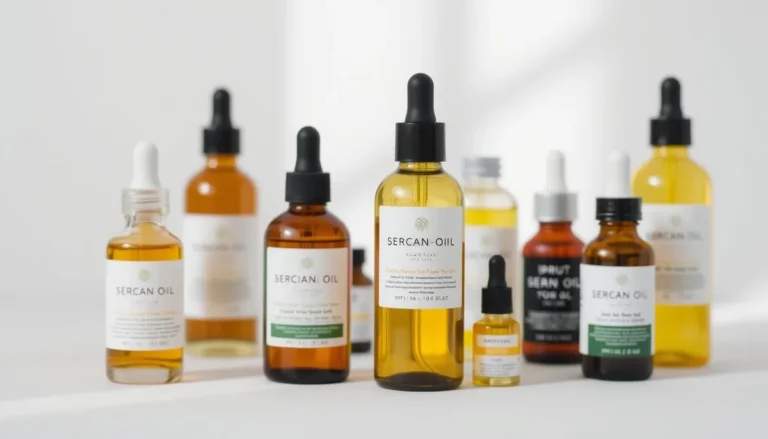
Image source: Bing (Web (fair-use with source credit))
Features / Components / What's Inside: Key Ingredients to Look For (and Avoid)
Look for products labeled "hypoallergenic," "fragrance-free," and "for sensitive skin." Ceramides and hyaluronic acid are fantastic for supporting your skin barrier and hydration. Avoid ingredients like denatured alcohol, sulfates (like SLS/SLES), synthetic fragrances, and harsh exfoliants.
Benefits & Drawbacks / Pros and Cons: Product Categories for Sensitive Skin
| Product Category | Pros for Sensitive Skin | Cons for Sensitive Skin |
|---|---|---|
| Cleansers | Gentle, hydrating, pH-balanced formulas that don't strip skin. | Foaming agents, strong surfactants, and added fragrances can irritate. |
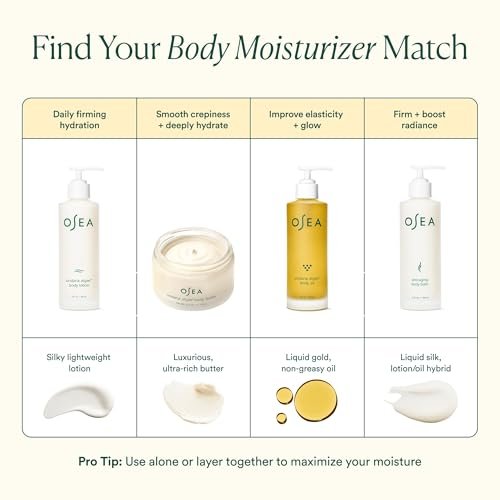
| Moisturizers | Rich in emollients and humectants, support barrier repair. | Heavy occlusives might clog pores for some; fragrances are a risk. |
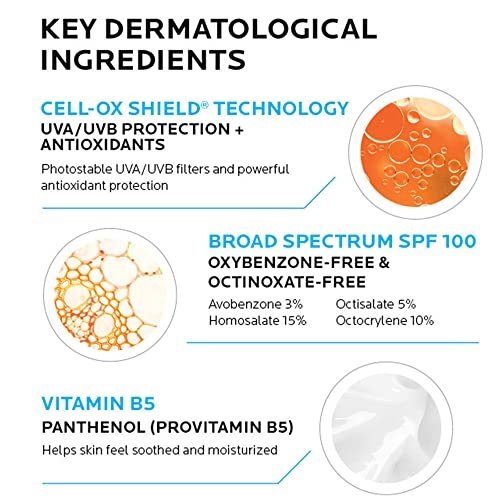
| Sunscreens | Mineral sunscreens (zinc oxide, titanium dioxide) are generally well-tolerated. | Chemical filters can sometimes cause stinging or redness. |
| Serums | Soothing ingredients like niacinamide or centella asiatica can help. | Can add extra ingredients; choose water-based, minimal formulas. |
Your Step-by-Step Sensitive Skin Workflow
Creating a consistent routine is more important than the number of products you use. The goal is to cleanse gently, hydrate effectively, and protect your skin without causing further irritation. This structured approach helps your skin heal and thrive.
Step-by-Step Process: Building Your Daily Routine
Establishing a predictable routine minimizes guesswork and allows you to see how your skin responds over time. Consistency is your best friend here.
Morning Steps
- Gentle Cleansing: Use lukewarm water or a mild, fragrance-free cleanser. Pat your face dry with a clean, soft towel.
- Soothing Serum (Optional): If you use one, apply a few drops of a serum with ingredients like niacinamide or hyaluronic acid.
- Moisturize: Apply a fragrance-free, barrier-repairing moisturizer to lock in hydration.
- Sun Protection: This is non-negotiable. Apply a broad-spectrum mineral sunscreen with SPF 30 or higher.
Evening Steps
- Gentle Cleansing: Again, use lukewarm water or your mild cleanser to remove impurities and any sunscreen from the day.
- Treatment/Serum (If Applicable): If you use a specific treatment, apply it now. For sensitive skin, this might be a very gentle exfoliant used only a few times a week, or a hydrating serum.
- Moisturize: Apply your fragrance-free moisturizer generously to aid skin repair overnight.
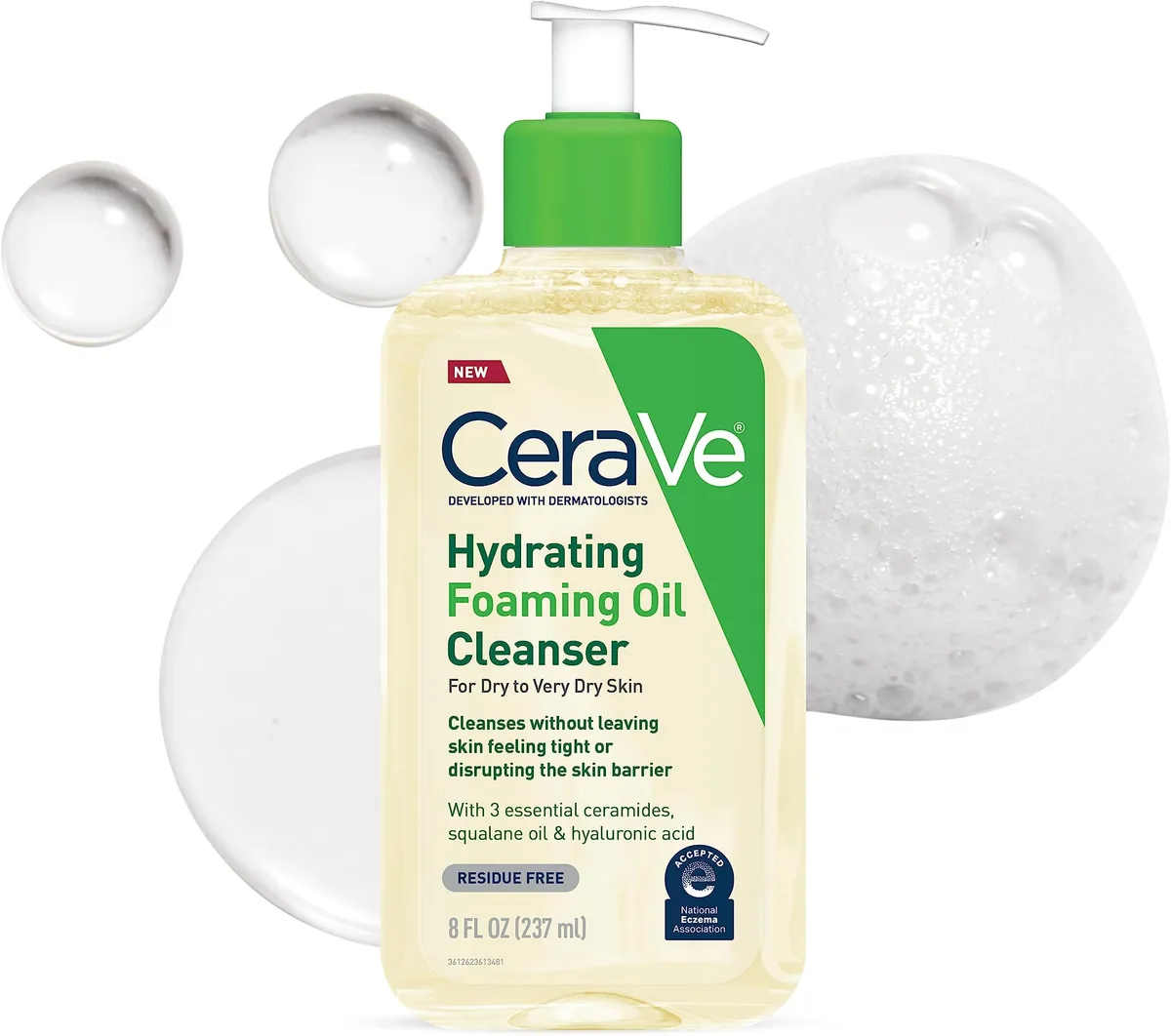
Image source: Bing (Web (fair-use with source credit))
Mistakes to Avoid: Common Errors in Sensitive Skincare
Many people with sensitive skin inadvertently make their issues worse. Over-washing, using hot water, and scrubbing too hard are frequent missteps. Introducing too many new products at once also increases the risk of a negative reaction.
Navigating Product Choices: Finding What Works for YOU
Choosing the right products can feel overwhelming, but focusing on key criteria makes it simpler. The aim is to find formulas that nourish and protect without triggering sensitivity.
Comparison / Alternatives / Options: Cleansers, Moisturizers, Sunscreens
When selecting products, you'll find a spectrum. For cleansers, opt for cream, lotion, or micellar water formulas over harsh foaming agents. Moisturizers should be rich in barrier-supporting ingredients like ceramides and fatty acids, and generally avoid fragrances.
Mineral sunscreens, using zinc oxide and titanium dioxide as active ingredients, are typically a safer bet for sensitive skin than their chemical counterparts, as they sit on top of the skin rather than being absorbed.
Use Cases / Best For: Different Types of Sensitive Skin Concerns
- Rosacea-Prone Skin: Focus on redness-reducing ingredients like niacinamide and avoid alcohol and strong exfoliants.
- Eczema-Prone Skin: Prioritize very gentle, fragrance-free, and moisturizing products that support the skin barrier. Look for creams with ceramides.
- Post-Procedure Skin: After treatments like chemical peels or lasers, skin is extra vulnerable. Stick to the most basic, soothing, and hydrating products.
- Generally Reactive Skin: If your skin just flares up easily, a minimal routine with fragrance-free, dye-free, and alcohol-free products is your best approach.
Expert Tips: Patch Testing and Introducing New Products
Always patch test new products. Apply a small amount to an inconspicuous area, like behind your ear or on your inner forearm, and wait 24-48 hours. If there's no redness, itching, or burning, you can try it on your face.

Image source: Bing (Web (fair-use with source credit))
When introducing new items into your routine, do it one at a time, waiting at least a week between each new product. This way, if a reaction occurs, you can easily identify the offending product.
When to Call in the Pros
While a consistent, gentle routine can manage most sensitive skin concerns, some issues warrant professional advice. If your sensitivity is severe, persistent, or accompanied by other symptoms, it's time to consult a dermatologist. They can help diagnose underlying conditions and recommend prescription-strength treatments or specialized products.
Safety / Legal / Compliance / Warnings: When to See a Dermatologist
Persistent redness, excessive itching, peeling, or a burning sensation that doesn't subside with gentle care are red flags. Conditions like severe eczema, rosacea flare-ups, or allergic contact dermatitis require a medical professional’s diagnosis and treatment plan. The American Academy of Dermatology Association offers resources for finding a board-certified dermatologist.
Sensitive Skincare FAQs
What is the difference between sensitive skin and allergic skin?
Sensitive skin tends to react to a broad range of triggers with general irritation like redness or stinging. Allergic skin, however, has a specific immune response to a particular ingredient, which can lead to hives, eczema flare-ups, or more severe reactions.
Can I use active ingredients like retinol or vitamin C with sensitive skin?
It’s possible, but you need extreme caution. Start with a very low concentration and use it only once or twice a week, applied after moisturizer. Always patch test first and monitor your skin closely for any signs of irritation.
Many dermatologists recommend waiting until your skin is less reactive before introducing strong actives.
How often should I exfoliate if I have sensitive skin?
Generally, exfoliation should be minimal for sensitive skin, perhaps once a week or even less. Opt for very gentle chemical exfoliants like those containing lactic acid or polyhydroxy acids (PHAs) rather than harsh physical scrubs. Over-exfoliation is a common mistake that damages the skin barrier.
What does "fragrance-free" really mean for sensitive skin products?
Fragrance-free means absolutely no added scent ingredients. This is crucial for sensitive skin, as even "natural" or essential oils can be highly irritating. "Unscented" products may simply have masking fragrances added to hide natural odors, which is not ideal for reactive skin.
How long does it typically take to see improvements in sensitive skin?
With a consistent, gentle routine, you might notice a reduction in redness and irritation within a few weeks. However, rebuilding a damaged skin barrier and achieving long-term calm can take several months. Patience and consistency are key.