How Do I Choose a Facial Cleanser?

Image source: Bing (Web (fair-use with source credit))
How Do I Choose a Facial Cleanser?
Figuring out how to choose a facial cleanser can feel overwhelming with so many options on the shelves. Your skin's needs are unique, and picking the right cleanser is the first, crucial step in any effective skincare routine. It's about more than just washing your face; it's about supporting your skin's natural balance and health.
The wrong cleanser can strip your skin, leading to dryness, irritation, or even increased oiliness. Our research indicates that cleansers should ideally maintain a skin-friendly pH, typically between 4.5 and 6.0, to avoid disrupting the skin's acid mantle. Let's break down what makes a good facial cleanser for you.
Quick Answer
Choose a facial cleanser based on your skin type. For oily skin, opt for gel or foaming cleansers. Dry or sensitive skin benefits from cream or oil-based formulas.
Always check ingredient lists for potential irritants.
What's Your Skin Type? The Starting Point for Cleanser Choice
Your skin type isn't just a label; it's the most important clue for finding a cleanser that actually helps, rather than hinders, your complexion. Think of it like choosing the right tool for a specific job, the wrong one just won't cut it. Understanding if your skin leans oily, dry, sensitive, combination, or normal guides you toward formulations that will work in harmony with your skin's natural tendencies.

Understanding Your Skin's Needs
When we talk about skin types, we're referring to how your skin typically behaves throughout the day. Is it shiny and prone to breakouts by lunchtime? Or does it feel tight and flaky soon after washing?
Identifying these characteristics is key.
Oily, Dry, Sensitive, or Combination: What to Look For
- Oily Skin: This skin type often looks shiny, especially in the T-zone (forehead, nose, chin), and is more prone to blackheads and breakouts. You'll want a cleanser that effectively removes excess sebum (skin oil) without stripping the skin completely, which can paradoxically signal your skin to produce even more oil. Look for gel, foaming, or even clay-based cleansers.
- Dry Skin: Dry skin often feels tight, looks dull, and might be flaky or rough. The goal here is to cleanse gently while adding moisture back into the skin. Cream, lotion, or oil-based cleansers are usually the best bet. They cleanse without stripping away natural lipids.
- Sensitive Skin: Sensitive skin can easily become red, itchy, or irritated by certain ingredients or even harsh cleansing. Fragrance-free, alcohol-free, and minimalist formulas are your friends. Gentle, hydrating cleansers with soothing ingredients like aloe vera or ceramides are ideal.
- Combination Skin: This is super common, where you have oily areas (often the T-zone) and dry or normal areas elsewhere. You might need a cleanser that balances these needs, or you could even consider using different cleansers for different parts of your face. A gentle gel or a mild foaming cleanser often works well here.
- Normal Skin: If your skin is generally balanced, not too oily, not too dry, and not prone to frequent irritation, you have a bit more flexibility. You can often use a variety of cleanser types, from gentle foaming to mild cream formulations.
Decoding Facial Cleanser Formulations
Once you've got a handle on your skin type, it's time to look at the actual kind of cleanser. Formulations vary widely, and each type offers a different cleansing experience and set of benefits. Understanding these differences helps you zero in on what will feel best and work best for your skin.

Cream & Lotion Cleansers: For Dry, Mature Skin
These are typically rich, emollient formulas. They feel gentle and hydrating on the skin. Cream cleansers often contain moisturizing ingredients like shea butter, hyaluronic acid, or various plant oils.
They cleanse by emulsifying oils and dirt without creating a lot of lather, which helps preserve the skin's natural moisture barrier. This makes them excellent choices for those with dry, mature, or normal skin that tends towards dryness.
Gel & Foaming Cleansers: For Oily, Acne-Prone Skin
Gel cleansers are often clear and have a light texture, while foaming cleansers create a rich, airy lather. Both are effective at cutting through excess oil and impurities. They typically contain surfactants that create this cleansing action.
These formulations are particularly good for individuals with oily or acne-prone skin because they provide a deep clean. However, some foaming cleansers can be too harsh if they contain strong sulfates, potentially leading to over-stripping.
Oil Cleansers & Balms: For Makeup Removal and Dry Skin
Don't let the name fool you, oil cleansers work on the principle of "like dissolves like." They are fantastic at breaking down oil-based impurities, including makeup (even waterproof kinds), sunscreen, and excess sebum. Cleansing balms are solid at room temperature but melt into an oil upon contact with the skin. They offer a luxurious cleansing experience and are generally very moisturizing, making them a great option for dry skin or as a first step in a double-cleansing routine.
Micellar Water: Gentle Cleansing for All Types
Micellar water is a skincare marvel for gentle, no-rinse cleansing. It contains tiny oil molecules called micelles suspended in soft water. These micelles attract dirt, oil, and makeup like magnets, lifting them away from the skin without the need for harsh rubbing or rinsing.
It's incredibly convenient and suitable for most skin types, especially for a quick cleanse or when you're on the go.
Key Ingredients to Seek (and Skip)
The ingredient list on your cleanser bottle is a treasure trove of information. While it can seem intimidating, understanding a few key components can make all the difference in choosing a product that’s right for your skin. We're looking for ingredients that clean effectively without causing irritation or stripping your skin's natural defenses.
What Gentle Surfactants Do
Surfactants are the workhorses in most cleansers; they're what create lather and help lift away dirt and oil. The type of surfactant matters. For sensitive or dry skin, look for milder options like coco-glucoside, decyl glucoside, or sodium cocoyl glutamate.
These are derived from natural sources and are much gentler than traditional sulfates like Sodium Lauryl Sulfate (SLS) or Sodium Laureth Sulfate (SLES), which can be too drying or irritating for many.
Actives for Specific Concerns: AHAs, BHAs, and More
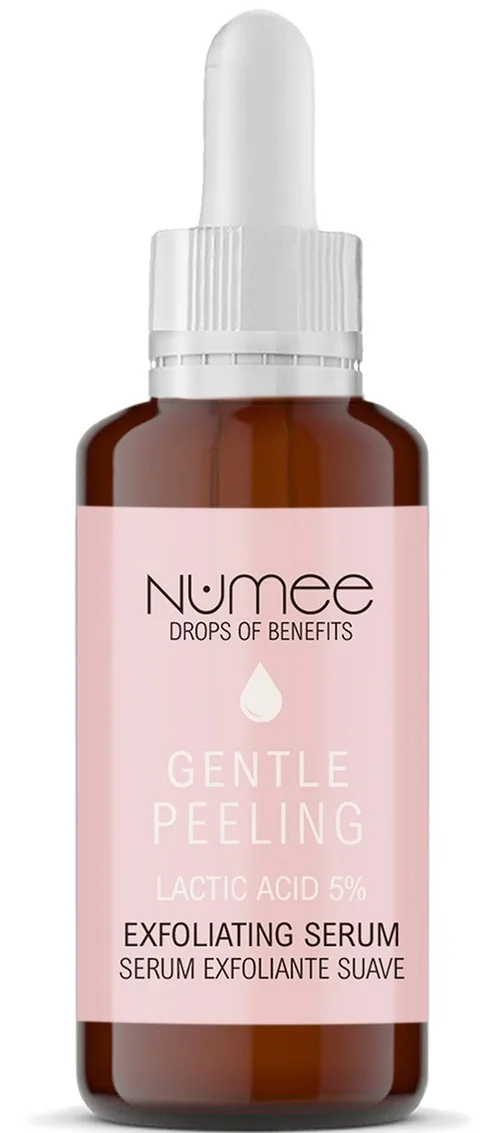
Some cleansers are formulated with active ingredients designed to address specific skin issues. Alpha Hydroxy Acids (AHAs) like glycolic acid and lactic acid can help gently exfoliate the skin's surface, improving texture and brightness. Beta Hydroxy Acids (BHAs), most commonly salicylic acid, are oil-soluble and can penetrate pores to help clear them out, making them excellent for acne-prone skin.
When using cleansers with these actives, monitor your skin for any signs of over-exfoliation.
Soothing Ingredients to Calm Irritation
If your skin is easily irritated, seek out cleansers that contain calming and hydrating ingredients. Ceramides are naturally found in your skin's barrier and help retain moisture. Aloe vera is known for its anti-inflammatory and soothing properties.
Glycerin and hyaluronic acid are humectants, meaning they attract water to the skin, helping to keep it hydrated even after cleansing.
Ingredients to Watch Out For
For many, certain ingredients can trigger reactions. Fragrances, whether synthetic or natural essential oils, are common culprits for redness and irritation, especially for sensitive skin. Alcohol (denatured alcohol, ethanol) can be very drying and strip the skin's natural oils.
Parabens and phthalates are preservatives that some people prefer to avoid due to potential health concerns, though their presence in rinse-off products like cleansers is generally considered less of a risk by many dermatological associations.
How to Evaluate Cleanser Effectiveness
Knowing what to look for in a cleanser is one thing, but how do you actually tell if it's doing a good job for your skin? It's not just about the squeaky-clean feeling; that can actually be a sign of over-stripping. True effectiveness means removing impurities without compromising your skin’s health.
Beyond Just "Clean": What Good Cleansing Achieves
A good facial cleanser should leave your skin feeling comfortable, balanced, and ready for the next steps in your skincare routine. This means it should effectively remove surface dirt, makeup, sunscreen, and excess oil without leaving a residue that could clog pores or feel greasy. The ideal outcome is skin that feels refreshed, soft, and calm, not tight or stripped.
Signs of a Cleanser That's Too Harsh
Pay close attention to how your skin feels immediately after cleansing and for the next hour or so. If your skin feels tight, squeaky, or even a bit burned or itchy, your cleanser is likely too harsh. This indicates that it has stripped away not just dirt but also your skin's natural oils and moisture barrier.
Over time, this can lead to increased sensitivity, dryness, redness, and even trigger your skin to produce more oil to compensate.
Identifying a Cleanser That Works for You
The best cleanser for you is one you enjoy using and that consistently leaves your skin feeling good. You should notice improved clarity, a reduction in breakouts (if that's a concern), and a general sense of balance. Your skin shouldn't feel dehydrated or overly oily after use.
It's a process of trial and error, but by understanding your skin type and ingredient functions, you can make more informed choices.
Making the Final Choice: Your Cleanser Decision Guide
With all this information on skin types, formulations, and ingredients, you're probably ready to make a decision. The goal is to synthesize what we've covered into a clear path forward. It's about finding that sweet spot where a cleanser effectively cleanses without causing problems.
Matching Cleansers to Skin Concerns
Let's summarize with some direct matches. If you have oily or acne-prone skin, a gel or foaming cleanser with salicylic acid is often a good starting point. For dry or mature skin, a creamy or oil-based cleanser rich in emollients and humectants will likely be your best bet.
If your skin is sensitive, look for fragrance-free, minimalist formulas with soothing ingredients. Combination skin might benefit from a balanced gentle cleanser, or even a specific approach for different facial zones.
Patch Testing: Your Safety Net
Before slathering a new cleanser all over your face, always perform a patch test. Apply a small amount to an inconspicuous area, like behind your ear or on your inner forearm. Leave it on for the recommended time (usually a full cleansing cycle, then observe for 24-48 hours).
If you don't experience any redness, itching, or irritation, it's likely safe to use on your face. This step is especially crucial if you have sensitive skin or known allergies.
When to Re-evaluate Your Cleanser
Your skin isn't static; it can change due to seasons, hormones, diet, or stress. If your go-to cleanser suddenly starts causing issues, like making your skin feel tighter in the winter or causing more breakouts in the summer, it might be time to re-evaluate. Don't be afraid to switch formulas if your skin's needs change.
What worked perfectly last year might not be the best choice today.
Common Cleanser Mistakes to Avoid
Even with the best intentions, it's easy to fall into common traps when choosing and using facial cleansers. Avoiding these pitfalls can save your skin a lot of unnecessary trouble and help you achieve clearer, healthier-looking skin much faster.
The "One-Size-Fits-All" Trap
Many people assume one cleanser works for everyone, or even for their skin all year round. But as we've discussed, skin types vary, and so do their needs. What works for oily skin can be disastrous for dry skin.
Also, your skin's oil production can fluctuate with the seasons, it might be oilier in the summer and drier in the winter. A cleanser that was perfect in July might be too drying in January.
Over-Washing or Under-Washing
Cleansing too often, or using a cleanser that's too strong, can strip your skin's natural protective barrier. This can lead to dryness, irritation, and even trigger an overproduction of oil. Conversely, not cleansing thoroughly enough, especially at the end of the day, can leave behind makeup, dirt, and pollutants that can clog pores and lead to breakouts.
Most people benefit from cleansing twice a day: once in the morning to refresh the skin and once at night to remove the day's accumulation.
Ignoring Ingredient Lists
It’s tempting to grab a cleanser based on packaging or a quick glance at the front label. However, the ingredient list tells the real story. Ingredients like alcohol, strong fragrances, or harsh sulfates can cause irritation, dryness, or allergic reactions.
Learning to recognize these and opting for gentler alternatives or ingredients that address your specific skin concerns (like salicylic acid for acne or hyaluronic acid for hydration) will lead you to better choices.
Your Cleanser FAQs Answered
Can I use my body wash on my face?
Generally, it's best to avoid using body wash on your face. Body washes are often formulated with stronger detergents and fragrances designed for the tougher skin on your body. They can be too harsh for the delicate facial skin, leading to dryness, irritation, or breakouts.
Facial cleansers are specifically balanced for the face's needs.
How often should I wash my face?
For most people, washing your face twice a day is ideal. A gentle cleanse in the morning helps remove any oil or residue accumulated overnight. A more thorough cleanse in the evening is essential to remove makeup, sunscreen, dirt, and pollutants from the day.
Over-washing can strip your skin's natural oils.
What does "non-comedogenic" mean on a cleanser?
"Non-comedogenic" means the product is formulated not to clog pores. Ingredients that can clog pores are referred to as comedogenic. If you are prone to blackheads, whiteheads, or acne, choosing non-comedogenic cleansers can help prevent breakouts.
This is a common claim for cleansers aimed at oily or acne-prone skin types.
Is it okay to use a cleanser with alcohol?
For most people, it's best to avoid cleansers with high concentrations of alcohol (like denatured alcohol or ethanol). Alcohol can be very drying and strip the skin of its natural oils, which can lead to irritation, redness, and even trigger your skin to produce more oil. Some cosmetic alcohols are less drying, but it’s wise to check the ingredient list and be cautious.
When should I see a dermatologist about my cleanser choice?
If you've tried several cleansers based on your skin type and are still experiencing significant issues like persistent acne, severe dryness, redness, or allergic reactions, it's time to consult a dermatologist. They can help identify underlying issues and recommend specific ingredients or prescription-strength options tailored to your skin's unique needs. They can also diagnose conditions that might mimic simple skin reactions.