How Can I Make My Beauty Routine More Effective?

Image source: Bing (Web (fair-use with source credit))
Making your beauty routine more effective isn't about using more products; it's about using the right products, in the right order, for your unique skin. If you've ever felt overwhelmed by choices or wondered why your current regimen isn't giving you the results you want, you're in the right place. We'll break down how to build a routine that truly works for you.
Achieving healthier, clearer skin often comes down to understanding your skin's fundamental needs and matching them with scientifically sound ingredients and practices. For instance, the U.S. Food and Drug Administration (FDA) regulates cosmetics to ensure they are safe and properly labeled, but it's up to you to understand how these products interact with your skin.
Let’s get started by understanding the foundation: your skin itself.
Quick Answer
To make your beauty routine more effective, identify your specific skin type and concerns. Then, focus on a core routine of cleansing, moisturizing, and sun protection, layering in targeted treatments like serums with proven active ingredients such as retinoids or Vitamin C. Proper product order and consistent application are key.
Understanding Your Skin: The First Step to an Effective Routine
Before you even think about buying another serum or mask, the most crucial step to an effective beauty routine is understanding what's happening on your own face. Your skin is a living, dynamic organ, and what works for one person might not work for another. Think of it like choosing clothes; you wouldn't wear a heavy wool sweater in the summer, right?
The same logic applies to skincare.
What's Your Skin Type Telling You?
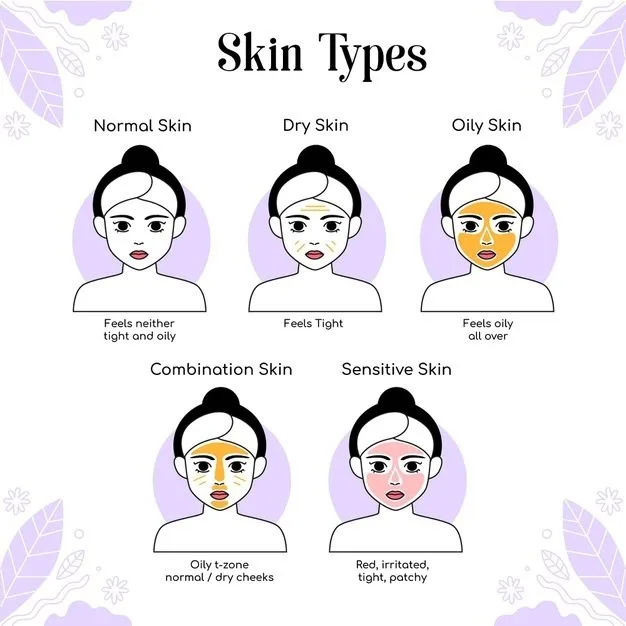
Knowing your skin type is the bedrock of an effective routine. It dictates how your skin will react to different ingredients and formulations. Generally, skin types fall into a few main categories: oily, dry, combination, normal, and sensitive.
Each has distinct characteristics that influence product choice and application. For example, someone with oily skin might experience a shiny complexion and enlarged pores, while someone with dry skin might feel tightness and see flaky patches.

Image source: Web (Bing) / promptden.com (Web image (fair-use with source credit))
- Oily Skin: Produces excess sebum, often leading to shine and breakouts. Pores may appear larger.
- Dry Skin: Lacks moisture and sebum, feeling tight and appearing dull or flaky. Fine lines can be more noticeable.
- Combination Skin: Features a mix of oily and dry areas. Often, the T-zone (forehead, nose, chin) is oily, while the cheeks are dry or normal.
- Normal Skin: Balanced, with no significant oiliness or dryness. It's generally smooth with small pores.
- Sensitive Skin: Easily irritated by products or environmental factors, showing redness, itching, or burning sensations.
Identifying Your Main Skin Concerns
Beyond your basic skin type, you likely have specific concerns you want to address. These could be anything from acne and hyperpigmentation to fine lines and redness. Identifying these helps you zero in on the most effective ingredients and products.
You might have multiple concerns, and that's perfectly normal. The goal is to address them strategically within your routine.
- Acne: This can range from occasional blemishes to persistent cystic breakouts. It often involves clogged pores, inflammation, and bacteria.
- Aging: Signs include fine lines, wrinkles, loss of elasticity, and thinning skin. These are influenced by genetics, sun exposure, and lifestyle.
- Hyperpigmentation: This refers to dark spots, melasma, or post-inflammatory marks that create an uneven skin tone.
- Redness: Persistent flushing or visible blood vessels, often associated with conditions like rosacea or general skin sensitivity.
- Dullness: A lack of radiance and a tired-looking complexion, which can be caused by dead skin cell buildup or dehydration.
- Dehydration: Even oily skin can be dehydrated, meaning it lacks water. This can make skin look dull and feel tight, and can even worsen the appearance of fine lines.
The Building Blocks: Essential Skincare Steps & What They Do
Once you know your skin type and primary concerns, you can start building the foundational steps of your routine. These are the non-negotiable elements that set the stage for everything else. Think of these as the essential framework upon which you'll layer more targeted treatments.
Getting these basics right is paramount to seeing real improvements.
Cleansing: More Than Just Washing Your Face
Cleansing removes dirt, oil, makeup, and pollutants that accumulate on your skin throughout the day. Doing this effectively prevents clogged pores, which can lead to breakouts and dullness. The right cleanser for you depends on your skin type; a harsh soap can strip dry skin, while a rich cream might be too heavy for oily skin.
Generally, a gentle cleanser is best for morning use, followed by a more thorough cleanse in the evening to remove the day's buildup.
- Morning: A gentle rinse with water or a mild cleanser is usually sufficient to remove overnight residue.
- Evening: Use a cleanser designed to effectively remove makeup and impurities without stripping your skin's natural moisture barrier.
Toning: Balancing Your Skin's pH
Toners are often misunderstood. Historically, they were harsh astringents meant to remove any leftover cleanser. Modern toners, however, are designed to rebalance your skin's pH level after cleansing, which can be disrupted by alkaline soaps.
They can also help prep your skin to better absorb subsequent products and can offer light hydration or specific benefits depending on their ingredients.
A toner’s pH level is crucial; most healthy skin sits around a pH of 4.7 to 5.75. Cleansing can temporarily raise this, and a good toner helps bring it back down. Products like reusable cotton rounds are great for applying toners evenly without waste.
Serums: Targeted Treatment Powerhouses
Serums are concentrated treatments designed to deliver potent active ingredients deep into the skin. Because they typically have a lighter molecular structure than moisturizers, they can penetrate more effectively. This is where you target your specific concerns, whether it's fine lines, dark spots, or dehydration.
When layering serums, it’s generally best to apply them from thinnest to thickest consistency. This ensures that lighter formulas aren't blocked from absorbing by thicker ones. For example, a water-based hyaluronic acid serum would come before a thicker oil-based Vitamin C serum.
Moisturizing: Sealing in Hydration
Moisturizer is essential for all skin types, even oily ones. Its primary function is to hydrate the skin and, crucially, to create a protective barrier that prevents moisture loss. This barrier function is vital for maintaining overall skin health and preventing issues like dryness, irritation, and sensitivity.
The type of moisturizer you choose should align with your skin type. Lighter lotions or gels are often preferred by those with oily or combination skin, while richer creams provide more emollience for dry or mature skin.
Sun Protection: Non-Negotiable Daily Defense
This is arguably the most critical step for long-term skin health and appearance. Sunscreen protects your skin from harmful UV radiation, which is a primary cause of premature aging (wrinkles, sun spots), increased risk of skin cancer, and exacerbation of hyperpigmentation. It should be applied daily, rain or shine, as UV rays can penetrate clouds and windows.
Look for sunscreens labeled "broad-spectrum," indicating protection against both UVA (aging rays) and UVB (burning rays). As of 2026, recommendations generally suggest an SPF of 30 or higher. Wearing sunscreen every day is one of the most effective ways to make your entire beauty routine pay off in the long run.
Ingredient Smarts: What Actually Works for Your Skin
Once you have the foundational steps down, understanding key active ingredients is your next step to supercharging your routine. These are the ingredients that do the heavy lifting, addressing specific concerns like wrinkles, dark spots, or acne. Not all ingredients are created equal, and knowing which ones target what can save you time, money, and frustration.
Powerhouse Actives: Retinoids, Vitamin C, and More
Active ingredients are the stars of the show when it comes to treating specific skin concerns. They are compounds that have a demonstrable biological effect on the skin. Using them correctly, and understanding their potential interactions, is key to effectiveness.

Image source: Web (Bing) / midcountyderm.com (Web image (fair-use with source credit))
- Retinoids (like Retinol, Retinal, Tretinoin): Vitamin A derivatives that are gold-standard for anti-aging and acne treatment. They speed up cell turnover, boost collagen production, and can improve skin texture and tone. They are potent and often require a gradual introduction to avoid irritation.
- Vitamin C (L-Ascorbic Acid): A powerful antioxidant that brightens the complexion, fades dark spots, and protects against environmental damage. It also plays a role in collagen synthesis. Stability is key, so look for well-formulated products.
- Niacinamide (Vitamin B3): A versatile ingredient that helps improve skin barrier function, reduce inflammation and redness, minimize pore appearance, and regulate oil production. It's generally well-tolerated by most skin types.
- Hyaluronic Acid: A humectant that draws moisture from the air into the skin, providing intense hydration and plumping effects. It’s crucial for combating dehydration, even in oily skin.
Understanding Hydrators: Hyaluronic Acid and Beyond
Hydration is foundational to healthy skin. While moisturizers seal in hydration, humectants actively attract water to the skin's surface. Hyaluronic acid is the most well-known humectant, but others like glycerin, sodium PCA, and panthenol (Vitamin B5) also play vital roles in keeping skin plump and supple.
Dehydrated skin, regardless of type, can appear dull, show fine lines more prominently, and even produce more oil in an attempt to compensate for the lack of moisture. Ensuring your routine includes effective humectants, often found in serums and moisturizers, is essential for a healthy skin barrier.
Exfoliation Explained: AHAs vs. BHAs
Exfoliation removes dead skin cells from the skin's surface, revealing brighter, smoother skin underneath. This process can improve skin texture, unclog pores, and enhance the absorption of other skincare products. There are two main types of chemical exfoliants: Alpha Hydroxy Acids (AHAs) and Beta Hydroxy Acids (BHAs).
- AHAs (e.g., Glycolic Acid, Lactic Acid): Water-soluble and work on the skin's surface. They are excellent for addressing dullness, uneven tone, and mild texture issues. Glycolic acid is a smaller molecule and can penetrate more deeply than lactic acid.
- BHAs (e.g., Salicylic Acid): Oil-soluble, meaning they can penetrate into pores. This makes them particularly effective for oily, acne-prone skin, as they can help dissolve sebum and clear out congestion.
It's important not to over-exfoliate, as this can damage the skin barrier, leading to increased sensitivity and irritation. Typically, exfoliating 1-3 times per week is sufficient, depending on the product's strength and your skin's tolerance.
Crafting Your Personalized Workflow: A Decision Guide
Now that you understand your skin and the core components of a routine, let's put it all together. Building an effective routine is like creating a personalized recipe, it requires knowing your ingredients and following the right steps. This workflow is designed to help you make informed decisions based on your specific needs.
Step 1: Assess Your Skin Type & Concerns
This is your starting point. Are you oily, dry, combination, or sensitive? What are your primary concerns, acne, aging, hyperpigmentation, redness, or dullness?
Be honest and detailed. For example, you might be oily on your forehead and chin but dry on your cheeks, classifying you as combination skin. Your main concern might be persistent acne scars and the first signs of fine lines around your eyes.
Step 2: Choose Your Core Products
Every routine needs a solid foundation. Select a gentle cleanser suitable for your skin type (e.g., a foaming cleanser for oily skin, a cream cleanser for dry skin) and a daily moisturizer that provides adequate hydration without causing breakouts. Don't forget a broad-spectrum SPF 30+ sunscreen for daytime.
These three products form the essential triad for healthy skin.
- Cleanser: Gentle, effective removal of impurities.
- Moisturizer: Hydrates and supports the skin barrier.
- Sunscreen (AM): Protects against UV damage.
Step 3: Integrate Targeted Treatments
This is where you address your specific concerns. Based on your assessment in Step 1, choose serums or treatments containing ingredients like retinoids for anti-aging and acne, Vitamin C for brightening and antioxidant protection, or salicylic acid for pore congestion. Remember to start with one or two key treatments and introduce them slowly to gauge your skin's reaction.
Using too many actives at once can overwhelm your skin.
Step 4: Sequence Your Products Correctly
The order in which you apply products matters for optimal absorption and efficacy. A common guideline is to apply products from thinnest to thickest consistency. This typically looks like: Cleanser → Toner → Serum(s) → Eye Cream (if used) → Moisturizer → Sunscreen (AM).
This layering ensures that lighter, more active formulas can penetrate effectively before being sealed in by thicker creams or lotions.
Step 5: Consider Lifestyle Factors
Your routine isn't just about what you put on your skin; it's also about what you do. Factors like diet, sleep quality, stress levels, and hydration all significantly impact your skin's health. Ensuring you're getting enough sleep, managing stress, and drinking plenty of water can amplify the results of your skincare routine.
For example, consistent lack of sleep can make skin appear duller and increase inflammation, undermining the benefits of your best serums.
Troubleshooting Your Routine: Common Mistakes & How to Fix Them
Even with the best intentions, it's easy to make missteps that hinder your progress. Recognizing common mistakes is just as important as knowing what to do. These errors can lead to irritation, breakouts, or simply a lack of results, making you feel like your routine isn't working.
Let’s identify these pitfalls and how to correct them.
The Dangers of Product Overload
More isn't always better when it comes to skincare. Applying too many products, especially those with potent active ingredients, can overwhelm your skin. This can lead to a compromised skin barrier, causing redness, flakiness, increased sensitivity, and even more breakouts.
It’s a phenomenon often referred to as "skin confusion."
- The Fix: Simplify your routine. Stick to the core steps (cleanser, moisturizer, SPF) and introduce only one or two targeted treatments at a time. Give your skin a chance to adjust before adding anything new.
Ingredient Sensitivities and Allergic Reactions
Your skin might react negatively to specific ingredients, leading to redness, itching, burning, or breakouts. This can be due to an allergy, irritation, or simply a formulation that doesn't agree with your skin type. Products like reusable makeup remover pads can help ensure you're not spreading a reactive product.
- The Fix: Patch test new products. Apply a small amount to an inconspicuous area (like behind your ear or on your inner arm) for 24-48 hours. This allows you to check for any signs of irritation, redness, or allergic response. If no reaction occurs, proceed to test on your face. If irritation occurs, discontinue use and identify the potential culprit ingredient.
When Your Routine Isn't Working: Signs to Watch For
If you've been consistently following a routine for several weeks (give or take, as skin cell turnover takes time) and aren't seeing improvements, or if your skin is getting worse, it's a sign something needs adjustment. This could be due to the wrong product types, incorrect usage, or underlying issues not being addressed.
- Signs: Persistent breakouts, increased redness or irritation, continued dryness or oiliness, no change in tone or texture, or developing new sensitivities.
- The Fix: Re-evaluate your steps. Are you using the right products for your skin type and concerns? Is your product order logical? Are you applying them consistently? Sometimes, less is more, and focusing on the fundamentals with a few well-chosen actives can be more effective than a multi-step routine filled with products that don't work synergistically.
Expert Tips for Long-Term Skin Health
Making your beauty routine effective isn't a one-time fix; it's an ongoing practice of listening to your skin and adapting. Consistent, mindful application and a focus on quality over quantity will yield the best results. Here are some expert insights to ensure your routine supports your skin's health over the long haul.
The Importance of Patch Testing
Before slathering a new product all over your face, always perform a patch test. This simple step can save you from a full-blown skin reaction. Apply a small amount of the product to a discreet area, such as behind your ear or on your inner wrist, and wait 24 to 48 hours.
This allows you to check for any signs of irritation, redness, or allergic response.
If you experience any adverse reaction, it's a clear indicator that the product is not suitable for your skin. This is especially critical for products containing active ingredients or those formulated for sensitive skin. Even natural ingredients can cause reactions in some individuals.
When to Introduce New Products
Patience is key when introducing new products, especially those with active ingredients like retinoids or exfoliating acids. Rapidly adding multiple new items to your routine can confuse your skin and make it difficult to pinpoint what's causing any potential issues.
- One at a time: Introduce new products one by one, waiting at least one to two weeks before adding another. This allows your skin to adjust and lets you observe its reaction to each new addition.
- Morning vs. Night: If you're adding multiple treatments, consider staggering them. For example, use a Vitamin C serum in the morning and a retinoid at night. This can help minimize potential irritation from combining too many potent ingredients.
Listening to Your Skin's Signals
Your skin is constantly communicating its needs. Pay attention to how it feels and looks after you cleanse, apply products, or even after a night’s sleep. Is it tight, oily, itchy, or comfortable?
These signals are your best guide to understanding whether your routine is working or needs adjustment. For instance, if your skin feels tight after cleansing, your cleanser might be too stripping. If a serum causes a persistent tingle that turns into redness, it's time to reconsider its use.
Frequently Asked Questions About Effective Beauty Routines
How often should I change my skincare routine?
You generally shouldn't need to change your routine drastically unless your skin's needs change, such as due to seasonal shifts, hormonal fluctuations, or new concerns like acne or aging. Focus on consistency with effective products and make small adjustments as needed rather than overhauling everything frequently.
What's the difference between a serum and a moisturizer?
Serums are concentrated treatments with smaller molecules designed to penetrate deeper and deliver potent active ingredients to target specific concerns like fine lines or dark spots. Moisturizers are typically thicker, designed to hydrate the skin's surface and create a barrier to prevent moisture loss, locking in the benefits of serums.
Can I use all active ingredients at once?
No, it's generally not recommended to use all active ingredients at once. Combining potent actives like retinoids and exfoliating acids without proper tolerance can lead to irritation, redness, and a compromised skin barrier. Introduce them gradually, understand their functions, and space them out in your routine to avoid over-sensitizing your skin.
How do I know if a product is working?
Consistency is key, and results take time. You might notice initial improvements in hydration or texture within a few weeks. For concerns like hyperpigmentation or fine lines, it can take several months of consistent use to see significant changes, as these relate to deeper skin cell turnover and collagen production.
If your skin improves or remains stable and comfortable, the product is likely working. If irritation or worsening of concerns occurs, it's not the right fit.



4 Comments