How Should I Store Beauty Products?
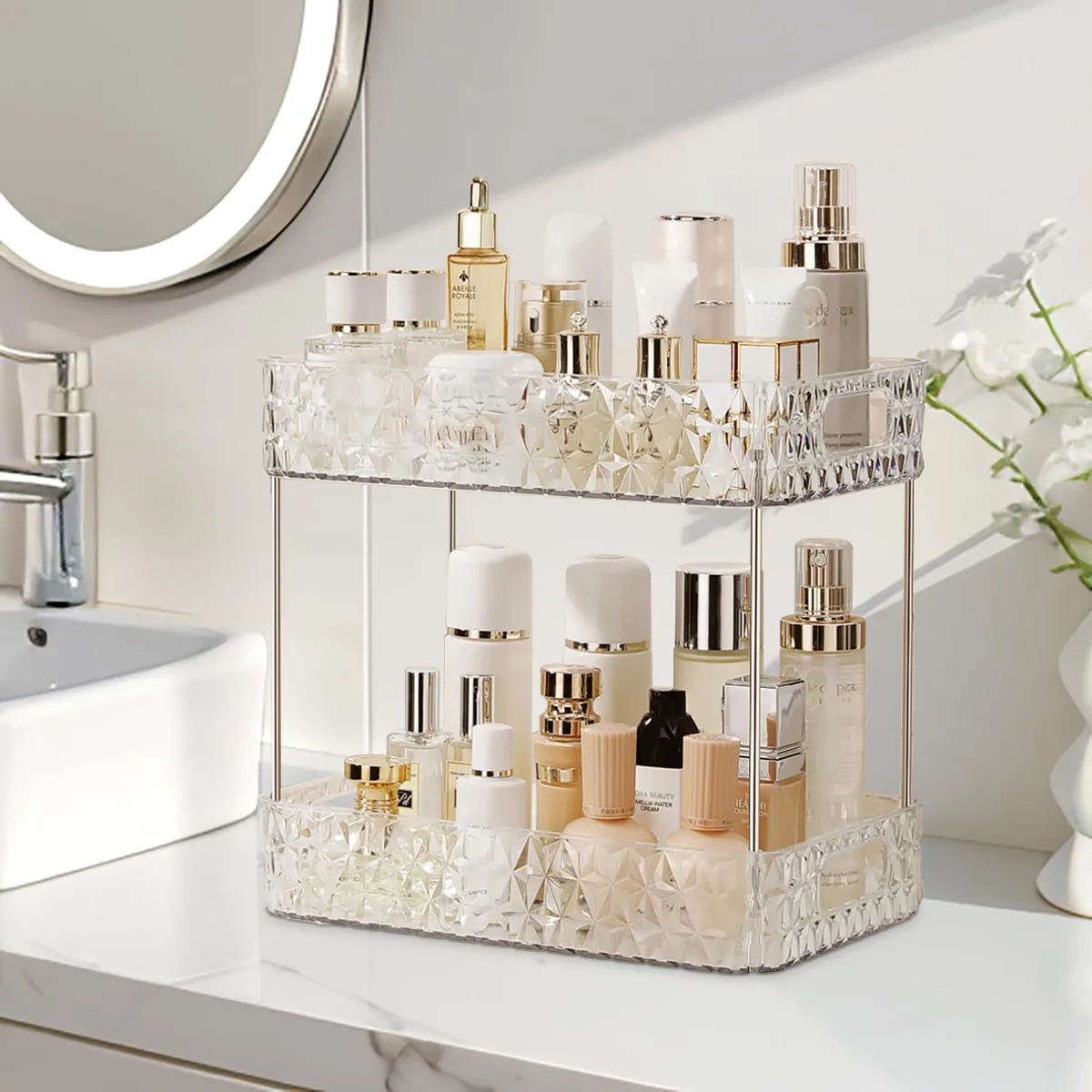
Image source: Web (Bing) / amazon.com (Web image (fair-use with source credit))
How should I store beauty products? It's a question many of us ponder when our serums start to look weird or our makeup doesn't perform like it used to. Keeping your skincare, makeup, and haircare products in the right environment is key to maintaining their efficacy and preventing spoilage.
Your beauty collection deserves proper care, and that starts with understanding optimal storage conditions. This guide breaks down the best practices, drawing on manufacturer specifications which often suggest avoiding direct sunlight and extreme temperatures, crucial for preserving ingredient integrity.
Quick Answer
Store most beauty products in a cool, dark, and dry place. Avoid direct heat, light, and humidity, especially for skincare like serums and actives. Foundations and lipsticks do best in drawers; mascaras require replacement every 3-6 months regardless of storage.
What Happens If I Store Beauty Products Wrong?
Storing your beauty products incorrectly can lead to a cascade of issues that diminish their value and effectiveness. Our research indicates that when products are exposed to adverse conditions, their delicate ingredients can break down prematurely. This degradation isn't just cosmetic; it means the product won't deliver the results you expect.
For instance, active ingredients like Vitamin C can oxidize when exposed to light and air, turning yellow and losing their potent antioxidant properties.
- Loss of Efficacy: Potent ingredients lose their power, making your products less effective.
- Texture Changes: Formulas can become separated, lumpy, or watery.
- Color Alterations: Products might change color, indicating chemical breakdown.
- Reduced Shelf Life: Spoilage can happen much faster than intended.
- Bacterial Contamination: Improper storage, especially in humid environments like bathrooms, can encourage bacterial growth.
The Period After Opening (PAO) symbol, a small open jar with a number followed by "M" (e.g., 12M), indicates how many months a product is good for after you open it. Incorrect storage can shorten this period significantly.
The Enemies of Your Products: Heat, Light, and Humidity
Think of heat, light, and humidity as the arch-nemeses of your beauty stash. Keeping your products safe means understanding how each of these elements can cause damage. Manufacturer specifications often warn against prolonged exposure to these conditions.
- Heat: High temperatures can break down chemical compounds within products. This is particularly true for formulas containing oils or heat-sensitive active ingredients, like retinol or certain antioxidants. Heat can cause separation in emulsions (like lotions and foundations) and can even lead to melting in products with low melting points, such as some lipsticks.
- Light: Direct sunlight or even strong artificial light can degrade ingredients over time. This is especially critical for products with potent actives or natural preservatives, as UV exposure can break down their molecular structure, rendering them ineffective or altering their color.
- Humidity: Excess moisture can encourage the growth of bacteria and mold, particularly in products that contain water. Bathrooms, with their frequent steam and temperature fluctuations, are often cited as problematic storage locations for this reason. Humidity can also affect the consistency of powders and creams.
These factors are the primary reasons why a cool, dark, and dry environment is universally recommended for most cosmetics and skincare items.
Storing Skincare: Serums, Creams, and Oils
When it comes to your skincare, proper storage is paramount for maintaining product integrity and ensuring you get the full benefits from your investment. Our research shows that the sensitivity of ingredients dictates storage needs, with active formulations requiring the most careful attention.
- Serums and Treatments with Actives: Products containing potent ingredients like Vitamin C, retinol, hyaluronic acid, or peptides are often the most delicate.
- Best Storage: Cool, dark places like a bathroom cabinet (away from the shower steam), a bedroom drawer, or a dedicated beauty fridge.
- Why: Heat and light can rapidly degrade these active compounds, leading to a loss of potency. For example, Vitamin C can oxidize quickly when exposed to air and light.
- Moisturizers and Lotions: For most standard moisturizers, a stable room temperature is fine.
- Best Storage: A cool, dark cabinet or drawer.
- Why: While generally more stable than serums, excessive heat can still affect their texture and the longevity of preservatives.
- Facial Oils: Oils are typically quite stable due to their lipid base.
- Best Storage: A cool, dark spot is ideal, but they are less prone to rapid degradation than water-based formulations or serums with complex actives.
- Why: Their composition makes them naturally more resistant to oxidation and bacterial growth compared to water-based products.
- Cleansers: Cleansers are generally robust.
- Best Storage: Room temperature, away from direct sunlight.
- Why: Their formulation is usually designed to withstand more varied conditions, though extreme heat should still be avoided.
If you find your eye creams feel particularly refreshing, keeping them in a cool spot can enhance that sensation. For sensitive skin, using products that have retained their original formula is crucial for avoiding unexpected reactions.
Storing Makeup: Foundations, Lipsticks, and Mascara
Makeup products have their own set of storage challenges, often related to temperature stability and, in the case of eye products, hygiene. Keeping makeup in optimal conditions ensures it applies smoothly and remains safe for use.
- Foundations and Concealers: These liquid or cream formulas can be sensitive to heat.
- Best Storage: A cool, dry drawer or cabinet.
- Why: Heat can cause the oil and water components in these products to separate, altering their texture and making them difficult to blend evenly. Consistent temperatures help maintain a uniform consistency.
- Lipsticks and Lip Balms: These products are susceptible to melting and can also experience oil rancidity.
- Best Storage: A cool location, away from direct sunlight or heat sources.
- Why: The wax and oil base of lipsticks can soften and melt in high temperatures, leading to deformation and a greasy feel. Rancidity is also a risk if oils degrade.
- Mascara and Liquid Eyeliners: These are particularly prone to drying out and bacterial contamination due to their exposure to air every time they are opened.
- Best Storage: While a cool, dark place might slightly help, the primary concern is replacement frequency.
- Why: As per standard cosmetic industry guidelines, these products should ideally be replaced every 3, 6 months. Exposure to air introduces bacteria, and they are designed for a limited lifespan of active performance and safety. Storage conditions are secondary to timely replacement for these items.
- Powders (Eyeshadows, Blushes, Bronzers): Powder-based makeup is generally quite stable.
- Best Storage: A dry place, away from extreme heat.
- Why: These formulas typically have a long shelf life and are less susceptible to spoilage compared to liquid or cream products, as they lack significant moisture for bacterial growth.
Proper storage helps ensure your makeup applies evenly and maintains its intended color and texture for as long as possible, within its safe usage period.
Storing Haircare: Shampoos and Treatments
Haircare products, from your daily shampoo to intensive treatments, are generally more robust than skincare or makeup, but still benefit from sensible storage. Manufacturer specifications typically recommend avoiding extreme temperature fluctuations.
- Shampoos and Conditioners: These are usually formulated to be quite stable.
- Best Storage: Room temperature, in a relatively dry environment.
- Why: While a bathroom can be humid, the high water content and typical preservatives in shampoos and conditioners make them less vulnerable than other beauty products. However, avoiding direct, prolonged heat (like a radiator) or direct sunlight is still advisable.
- Styling Products (Gels, Mousses, Sprays): Most styling aids maintain their consistency well at room temperature.
- Best Storage: A cool, dark place is ideal.
- Why: Extreme heat can sometimes alter the propellant or active styling ingredients, affecting product performance or texture.
- Hair Masks and Deep Treatments: Some treatments, especially those with natural ingredients or specialized active compounds, can be more sensitive.
- Best Storage: A cool, dark cabinet or drawer is often best.
- Why: Similar to skincare, the potency of active ingredients can be compromised by heat and light. Always check the product packaging for specific storage instructions.
For most haircare, the main goal is to keep them away from extremes. If your shower is often very hot and steamy, consider storing your regular shampoo and conditioner on a shelf outside the direct spray or steam path.
To Fridge or Not to Fridge? The Beauty Fridge Debate
So, should you invest in a mini beauty fridge? It's a question that pops up a lot, and the answer really depends on your collection and your climate. A beauty fridge is essentially a small, portable appliance designed to keep your cosmetics and skincare products cool, offering a dedicated space separate from your kitchen refrigerator.
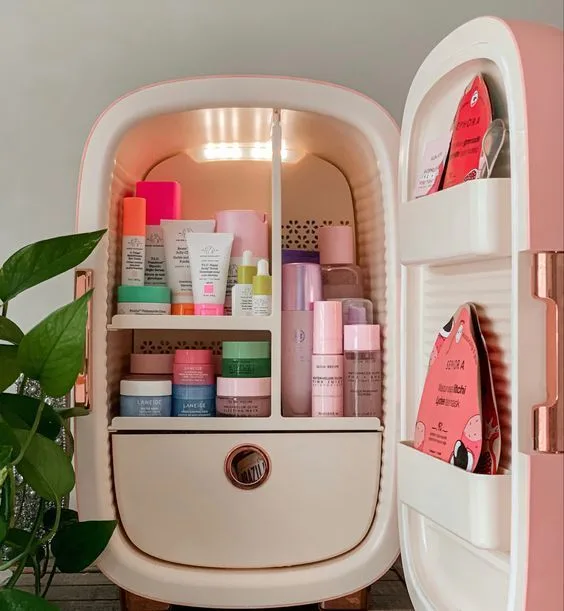
- Who Benefits Most? Individuals with a lot of heat-sensitive products, such as Vitamin C serums, retinol treatments, or natural formulations with minimal preservatives. It's also great for those living in consistently hot environments where room temperatures can be high.
- What It Does: Provides a consistent, cool environment (typically between 40-50°F or 4-10°C), away from fluctuating room temperatures and light. This can help slow down the degradation of active ingredients and extend the shelf life of certain products.
- Is It Essential? For many standard beauty products, a cool, dark drawer or cabinet is perfectly sufficient. A beauty fridge is more of a luxury or a targeted solution for specific needs rather than a universal requirement.
Ultimately, if you frequently find your products are degrading quickly or you love the feeling of a chilled eye cream on a hot day, a beauty fridge might be a worthwhile addition to your routine. If not, a consistent cool, dark spot is usually adequate.
Common Beauty Storage Mistakes to Avoid
Even with the best intentions, it's easy to fall into storage habits that aren't ideal for your beauty products. Recognizing these common slip-ups can help you protect your collection and ensure everything performs as it should. Our analysis of user feedback highlights several recurring errors.
- Storing Everything in the Bathroom: This is perhaps the most common mistake. While convenient, the steam from showers and fluctuating temperatures create a humid, unstable environment that can degrade formulas and encourage bacterial growth. This is a significant issue for products with active ingredients.
- Leaving Products in Direct Sunlight or Near Heat Sources: Putting your skincare on a sunny windowsill or your makeup near a radiator might seem harmless, but these are direct routes to ingredient breakdown and texture changes. Even indirect sunlight over time can have an effect.
- Not Sealing Containers Properly: Leaving lids slightly ajar or not screwing them on tightly allows air and moisture to enter. This accelerates oxidation and increases the risk of contamination, particularly for open-top jars or pumps.
- Ignoring Product Lifespans: Relying solely on visual cues can be risky. Products have a "Period After Opening" (PAO) lifespan indicated by a symbol on the packaging, often 3-24 months. For items like mascara and liquid liners, adhering to these timelines is crucial for hygiene.
Avoiding these pitfalls ensures your products remain potent, safe, and effective from the first use to the last.
Quick Scan: Where Does It Go?
Not sure where to put that new serum or that lipstick you just bought? Here’s a super quick rundown based on typical product needs. This isn't a rigid rulebook, but it covers the majority of common beauty items.
Cool, Dark Cabinet/Drawer (Ideal for most):
- Serums (Vitamin C, Retinol, Hyaluronic Acid)
- Actives-based treatments
- Most moisturizers and lotions
- Face oils
- Foundations and concealers
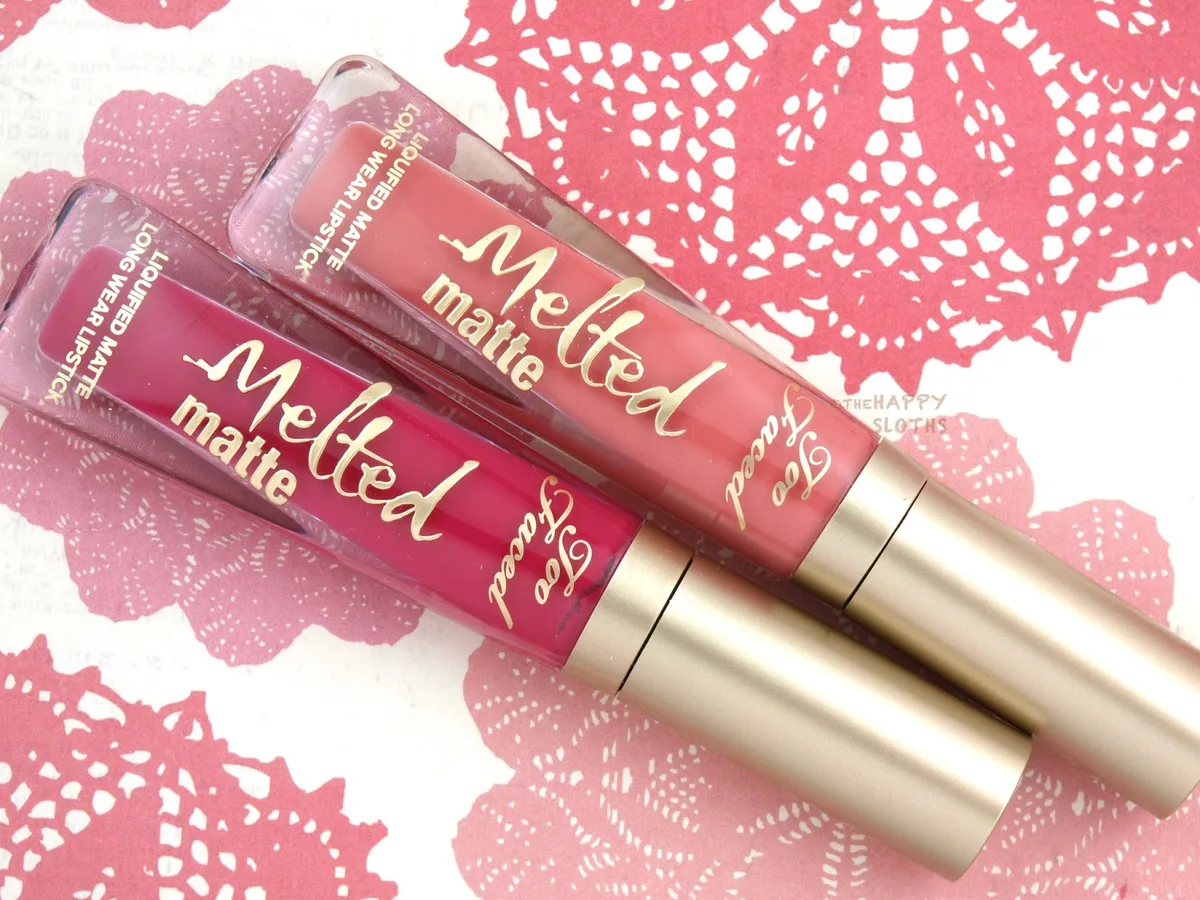
- Lipsticks and lip balms
- Hair masks and intensive treatments
- Styling products
Bathroom Counter/Shelf (Use with caution, avoid steam/heat):
- Daily cleansers (face and body)
- Shampoos and conditioners (if not overly humid)
- Bar soaps
Beauty Fridge (Optional, for sensitive items):
- Products with highly unstable actives
- Natural formulations with minimal preservatives
- Eye creams (for a cooling sensation)
Discard Bin (No storage needed, replace promptly):
- Mascara and liquid eyeliners (after 3-6 months)
- Any product showing signs of spoilage (off smell, color change, separation)
Always check individual product packaging for specific storage recommendations, as some items may have unique requirements.
Storing Products with Active Ingredients
Products formulated with active ingredients often require the most careful consideration when it comes to storage. These compounds are designed to deliver specific benefits, but they can be particularly susceptible to degradation from environmental factors like heat and light. Manufacturer specifications frequently highlight the importance of temperature control for these potent formulas.
- Vitamin C Serums: These are notoriously unstable. Exposure to air, light, and heat can cause them to oxidize, turning from a clear or pale yellow to a deep orange or brown. Oxidized Vitamin C is not only ineffective but can also potentially irritate the skin.
- Ideal Storage: A cool, dark place is essential. Many experts recommend keeping Vitamin C serums in a drawer or a beauty fridge. Ensuring the bottle is opaque and tightly sealed also helps.
- Retinol Products: Retinol and its derivatives are also sensitive. Heat and light can break them down, reducing their effectiveness in promoting cell turnover and collagen production.
- Ideal Storage: Store in a cool, dark location, away from direct light sources. Opaque packaging is a significant advantage.
- Alpha Hydroxy Acids (AHAs) and Beta Hydroxy Acids (BHAs): While generally more stable than Vitamin C or retinol, prolonged exposure to heat can still affect the formulation and performance of these exfoliating acids.
- Ideal Storage: A consistent, cool temperature is best. Avoid leaving them in hot cars or direct sunlight.
When you invest in products with these powerful ingredients, proper storage is your way of ensuring you get the maximum benefit and maintain the product's intended effects.
When to Discard Your Beauty Products
Knowing when a beauty product has reached the end of its usable life is just as important as storing it correctly. While some items might show obvious signs of spoilage, others can decline subtly. Following general guidelines and trusting your senses are key.
- Check the PAO Symbol: The "Period After Opening" (PAO) symbol, found on most cosmetic packaging, gives you a timeframe in months (e.g., 6M, 12M, 24M) for how long the product is best used after opening. While this is a guideline, other signs of spoilage should always take precedence.
- Trust Your Senses:
- Smell: If a product develops an unusual, unpleasant, or "off" odor that wasn't there before, it's time to discard it. This often indicates the ingredients have degraded or bacteria have started to grow.
- Look: Significant changes in color, texture, or consistency are major red flags. If a liquid foundation separates drastically and won't recombine, or a cream develops a strange oily sheen that doesn't dissipate, it’s best to toss it. Powders that become hard-pact or crumbly in an unusual way also signal a problem.
- Feel: If a product feels gritty, has separated into oil and water that won't mix back, or has a strange consistency upon application, it's likely past its prime.
Specific Product Timelines (General Guidelines):
- Mascara & Liquid Eyeliner: 3-6 months (due to eye safety)
- Liquid Foundations & Concealers: 6-12 months
- Creams & Lotions: 6-12 months
- Powders (Eyeshadows, Blushes): 1-2 years
- Lipsticks: 1-2 years
Discarding expired or spoiled products is a critical step in maintaining skin health and preventing potential infections or adverse reactions.
One Comment