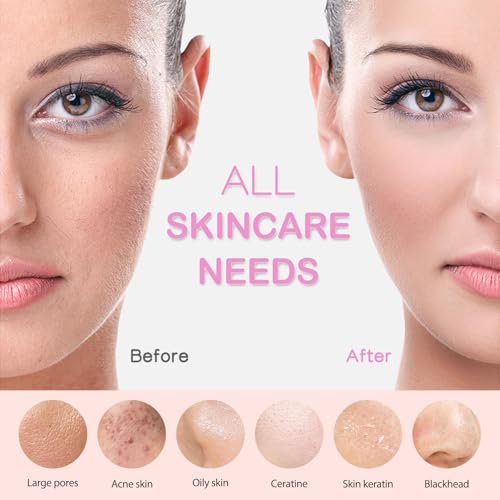
What Is a Good Daily Beauty Routine?
Image source: Web (Bing) / pexels.com (Web image (fair-use with source credit))
Building Your Personalized Daily Beauty Routine
Figuring out what is a good daily beauty routine can feel like navigating a maze, with so many products and steps out there. You want clear, healthy skin, but where do you even start without feeling overwhelmed by options? A tailored approach is the key, focusing on what your unique skin needs and what you want to achieve.
We've gathered insights from various sources to help you build a routine that’s both effective and easy to follow. It's not about using dozens of products, but about using the right ones, consistently. Let’s break down the essentials and guide you toward a skincare regimen that truly works for you, aiming for consistent results by 2026.
Quick Answer
A good daily beauty routine cleanses, treats, moisturizes, and protects your skin. It starts with understanding your skin type and concerns to select appropriate products. Consistency is more important than complexity, focusing on gentle yet effective steps for both morning and night.
What's Your Skin Type? The Foundation of Everything
No matter what products you use, they won't be as effective if they aren't suited for your skin. That’s why knowing your skin type is the absolute first step. It’s the bedrock upon which your entire skincare regimen should be built.
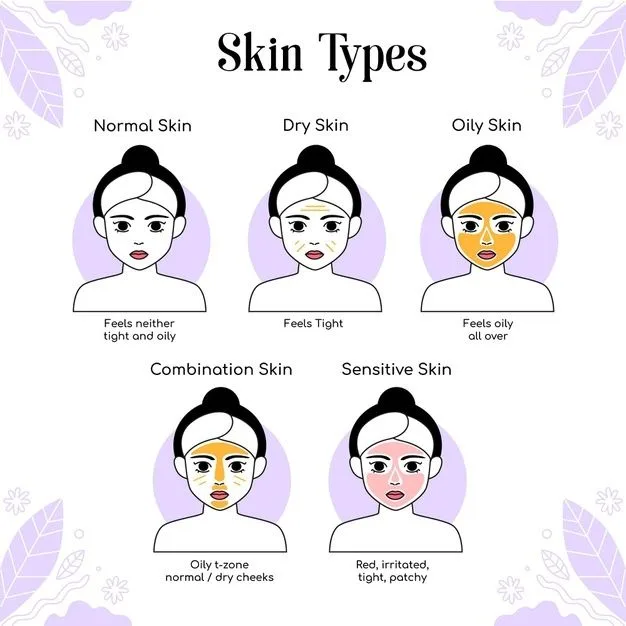
Image source: Bing (Web (fair-use with source credit))
Oily, Dry, Combo, Normal, or Sensitive?
Think about how your skin feels and looks throughout the day. This will give you the best clues.
- Oily Skin: This skin type often looks shiny, especially in the T-zone (forehead, nose, and chin). Pores can appear larger, and you might be more prone to breakouts.
- Dry Skin: If your skin often feels tight, especially after washing, and looks dull or flaky, you likely have dry skin. Fine lines can be more noticeable here.
- Combination Skin: This is a mix. You might experience oiliness in your T-zone but normal or dry patches on your cheeks and jawline.
- Normal Skin: You're one of the lucky ones if you have normal skin. It's usually balanced, not too oily or dry, and not overly sensitive.
- Sensitive Skin: This skin can react easily to new products, often showing redness, itching, or irritation.
Understanding Your Main Skin Concerns
Beyond just your type, what specific issues are you hoping to address? Identifying these helps you choose targeted treatments.
- Acne or breakouts: Persistent pimples, blackheads, or whiteheads.
- Redness or sensitivity: Skin that easily flushes or reacts negatively.
- Dullness or uneven tone: Lack of radiance or inconsistent skin color.
- Fine lines and wrinkles: Visible signs of aging.
- Hyperpigmentation: Dark spots or patches from sun damage or acne scars.
- Dehydration: Skin that lacks water, often feeling tight and looking dull, even if it’s oily.
Your Daily Routine Blueprint: Core Steps for AM & PM
Once you've identified your skin type and main concerns, you can start building your routine. It’s about creating a consistent rhythm for your skin. This blueprint covers the fundamental steps, adaptable to your individual needs.
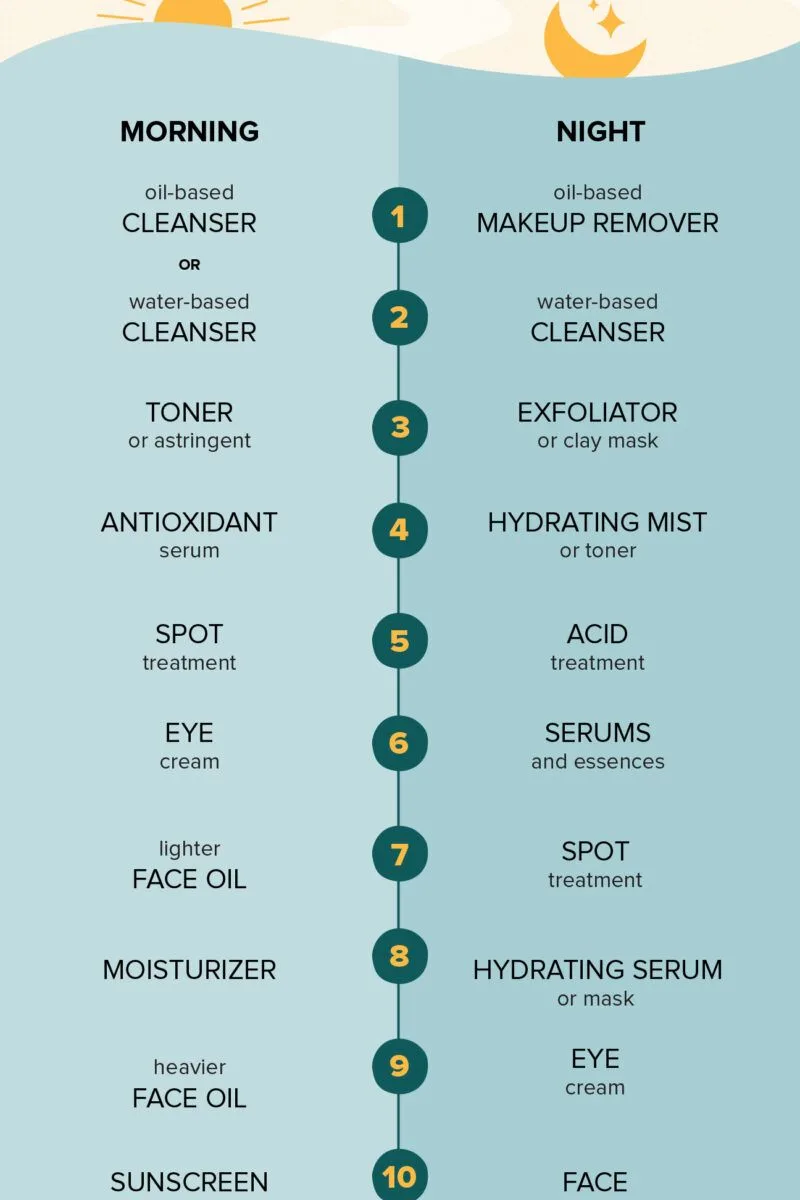
Image source: Bing (Web (fair-use with source credit))
Morning (AM) Essentials: Cleanse, Treat, Moisturize, Protect
Your morning routine is about preparing your skin for the day ahead, protecting it from environmental stressors, and addressing any immediate needs.
- Cleanse: Start with a gentle cleanser. For oily or acne-prone skin, a mild foaming cleanser or one with salicylic acid can help manage oil. Dry or sensitive skin often benefits from a hydrating cream or balm cleanser; sometimes, a simple rinse with water is sufficient.
- Treat (Optional but Recommended): This is where serums come in to target specific issues. A Vitamin C serum can brighten and protect, while hyaluronic acid boosts hydration. Niacinamide is great for redness and oil control.
- Moisturize: Even oily skin needs hydration. Look for oil-free, gel-based moisturizers if you tend to be oily, or richer creams if you have dry skin.
- Protect: Sunscreen is crucial every single day, with SPF 30 or higher. It shields your skin from UV damage, which causes premature aging and increases skin cancer risk.
Evening (PM) Essentials: Double Cleanse, Treat, Moisturize
The evening routine is focused on removing the day's buildup, repairing your skin, and providing deep nourishment.
- Double Cleanse: Especially important if you wear makeup or sunscreen. Start with an oil-based cleanser, balm, or micellar water to break down impurities. Follow with your regular water-based cleanser to ensure skin is thoroughly clean.
- Treat: This is often when you can use more potent treatments like exfoliants (a few times a week) or retinoids (start slow). Choose treatments based on your concerns and skin's tolerance.
- Moisturize: Lock in all the benefits of your treatments with a moisturizer. You might opt for a slightly richer cream at night to support overnight skin repair.
Choosing the Right Products: From Cleansers to Serums
Now that you understand the basic steps, let's dive into selecting the right products. It’s not about having the most expensive items, but the most suitable ones for your skin's unique needs and concerns.
Cleansers: Finding Your Perfect Match
Your cleanser is the first step in both AM and PM routines, and it sets the stage for everything else. The goal is to clean without stripping your skin’s natural moisture barrier. For instance, a gentle facial cleansing cloth can be a great partner for removing cleanser residue without irritation.
- For Oily/Acne-Prone Skin: Look for foaming cleansers or those containing salicylic acid. These help to cut through excess oil and keep pores clear. Avoid harsh soaps that can over-dry, leading to more oil production.
- For Dry/Sensitive Skin: Cream or balm cleansers are ideal. They gently lift impurities while infusing skin with moisture. Sometimes, a simple rinse with lukewarm water in the morning is sufficient.
- For Combination/Normal Skin: A mild, all-purpose cleanser usually works well. It balances cleansing power without causing dryness or excess oil.
Serums & Treatments: Targeting Your Goals
Serums are concentrated formulas designed to deliver active ingredients deep into the skin. They're where you can really address specific concerns like dullness, fine lines, or dark spots.
- Vitamin C Serums: Excellent for brightening the complexion, providing antioxidant protection against environmental damage, and helping to fade hyperpigmentation. Most skin types can tolerate a well-formulated Vitamin C serum.
- Hyaluronic Acid Serums: If your skin feels tight or dehydrated, these are fantastic. Hyaluronic acid draws moisture into the skin, plumping it up and creating a smoother appearance.
- Niacinamide Serums: This versatile ingredient can help reduce redness, minimize the appearance of pores, and regulate oil production, making it a good choice for many skin types, especially combination or sensitive.
Moisturizers: Sealing in Hydration
Moisturizer is non-negotiable for all skin types, including oily ones. It helps to maintain your skin's protective barrier, preventing moisture loss and keeping skin supple.
- For Oily Skin: Opt for oil-free, lightweight, gel-based, or water-based moisturizers. These absorb quickly and won't feel heavy or clog pores.
- For Dry Skin: Look for richer creams or lotions that contain emollients and humectants to provide lasting hydration and barrier support.
- For Combination/Normal Skin: A medium-weight lotion often strikes a good balance, providing enough hydration without feeling too heavy or too light.
Sunscreen: Your Daily Non-Negotiable
This is arguably the most critical step in any daily beauty routine. Consistent use of sunscreen with an SPF of 30 or higher protects your skin from harmful UV radiation, preventing premature aging, sunspots, and significantly reducing the risk of skin cancer.
- Formulations for Oily/Acne-Prone Skin: Seek out oil-free, non-comedogenic formulas, often labeled as "matte" or "gel." These are less likely to exacerbate breakouts.
- Formulations for Dry/Sensitive Skin: Mineral sunscreens, containing zinc oxide and titanium dioxide, are often gentler and less likely to cause irritation. Tinted versions can also offer light coverage to even out skin tone.
Mastering Treatments: Exfoliation and Retinoids
Beyond the daily basics, treatments are where you can really amplify results. These are often potent ingredients that require careful introduction and consistent use. They're designed to address more persistent issues like texture, tone, and signs of aging.
Exfoliation: Unlocking Smoother Skin (When and How Often)
Exfoliation helps remove dead skin cells that can accumulate on the skin's surface, leading to dullness, clogged pores, and uneven texture. It reveals fresher, brighter skin underneath.
- Chemical Exfoliants: These use acids like Alpha Hydroxy Acids (AHAs, e.g., glycolic, lactic) or Beta Hydroxy Acids (BHAs, e.g., salicylic acid). AHAs work on the surface for brightening and texture, while BHAs can penetrate pores to clear congestion.
- Physical Exfoliants: These involve scrubbing with particles, like fine sugar or beads. They can be effective but carry a higher risk of micro-tears if used too aggressively or too frequently, especially for sensitive skin.
How Often?
This is crucial. For most people, daily exfoliation is too much and can damage the skin barrier.
- Start: Begin with 1-2 times per week.
- Assess: See how your skin tolerates it. If no irritation occurs, you might gradually increase to 3 times per week.
- Listen: If you experience redness, peeling, or increased sensitivity, reduce frequency or stop.
Retinoids: The Powerhouse for Renewal (Starting Safely)
Retinoids, a group of compounds derived from Vitamin A, are often hailed as skincare superheroes. They are incredibly effective at promoting cell turnover, boosting collagen production, and treating acne.
- Types: Common forms include retinol, retinaldehyde (retinal), and prescription-strength tretinoin. Retinol is widely available over-the-counter.
- Benefits: They can dramatically improve the appearance of fine lines and wrinkles, reduce acne, and fade hyperpigmentation.
- Starting Safely: This is paramount. Retinoids can cause initial dryness, peeling, and redness, often referred to as the "retinoid uglies."
How to Start:
- Low and Slow: Begin with a low concentration (e.g., 0.1% retinol) and use it only 1-2 nights per week.
- Buffer: Apply it after your moisturizer. This creates a barrier that lessens the direct contact with skin, reducing potential irritation.
- Gradual Increase: As your skin tolerates it (usually after 4-6 weeks), you can slowly increase frequency to every other night, then potentially nightly if your skin behaves.
- Avoid Overlapping: On nights you use retinoids, avoid other strong actives like AHAs or BHAs, especially when first starting.
As of 2026, research continues to highlight the long-term benefits of consistent retinoid use for anti-aging and acne management, but proper introduction remains key to successful integration.
Mistakes That Sabotage Your Routine
Even with the best intentions, a few common missteps can seriously undermine your efforts. Understanding these pitfalls helps you avoid them and ensures your routine works for your skin, not against it.
Common Product Pairings to Avoid
Not all ingredients play well together, and some combinations can lead to irritation or reduced effectiveness.
- Retinoids + Harsh Exfoliants: Using strong retinoids (like tretinoin) on the same night as potent AHAs or BHAs can lead to excessive dryness, peeling, and a compromised skin barrier. If you use both, stagger them on alternate nights or reserve potent exfoliants for a separate night when not using retinoids.
- Vitamin C + Retinoids (Initially): While many can layer these, starting them together can be too much for beginner skin. It's generally safer to use Vitamin C in the morning for antioxidant protection and retinoids at night for repair. If you want to layer, ensure your skin is already accustomed to both ingredients individually and apply them with a few minutes of drying time in between.
Overdoing It: The Dangers of Too Much, Too Soon
The desire for quick results often leads people to use products too frequently or in too high concentrations. This almost always backfires, causing irritation, sensitivity, and damaging the skin barrier.
- Exfoliation Overload: Using chemical exfoliants or harsh scrubs daily can strip the skin, leading to redness, breakouts, and increased sensitivity. Your skin needs time to regenerate.
- Retinoid Rampage: Jumping straight into high-concentration retinoids or using them nightly from the start is a recipe for disaster. This can cause significant irritation and peeling, making you want to abandon the product altogether.
- Introducing Too Many New Products: Swapping out your entire routine at once means you won't know which product is causing a reaction if one occurs. Always introduce new items one at a time, giving your skin at least 2-3 weeks to adjust before adding another.
Expert Tips for a Routine That Works
Building a great routine is less about the number of steps and more about understanding your skin's needs and choosing products that address them effectively. Consistency and patience are your biggest allies.
- Know Your Ingredients: Don't just buy products because they're popular. Research key ingredients like salicylic acid for acne, hyaluronic acid for hydration, and Vitamin C for brightness. A basic understanding ensures you're picking products that target your specific concerns.
- Patch Test Everything: Before applying a new product all over your face, test it on a small, inconspicuous area, like behind your ear or on your jawline, for a few days. This helps you gauge potential reactions without a full-face flare-up.
- Listen to Your Skin: Your skin will tell you what it needs. If it feels tight, it needs more moisture. If it’s breaking out, reassess your cleansing or treatment steps. Redness and irritation are signs to back off and simplify.
- Be Patient: Skincare is a marathon, not a sprint. It takes time for ingredients to work and for skin to show significant changes. Give new products at least 4-6 weeks before deciding if they’re effective.
- Don't Forget Your Neck: The skin on your neck is thinner and shows signs of aging just like your face. Extend your skincare routine, cleansing, treatments, moisturizer, and sunscreen, down your neck.
- Hydrate from Within: Drinking enough water is fundamental for healthy skin. Aim for at least 8 glasses (64 ounces) of water daily.
Frequently Asked Questions About Daily Beauty Routines
How long does a basic daily beauty routine typically take?
A basic morning routine usually takes 5-10 minutes, focusing on cleansing, moisturizing, and sunscreen. An evening routine might take 10-15 minutes, especially if it includes double cleansing and targeted treatments.
Can I use all my skincare products at once?
No, it's generally not recommended to use all products at once. Some ingredients can counteract each other or cause irritation when combined. Always research ingredient compatibility and introduce new products one at a time.
How often should I change my beauty routine?
Your routine doesn't need to be changed drastically unless your skin's needs or concerns change, such as during different seasons or due to hormonal shifts. However, products should be replaced as they are used up, typically every 3-6 months for active ingredients.
What's the difference between a serum and a moisturizer?
Serums are concentrated formulas designed to deliver specific active ingredients deep into the skin to target concerns like wrinkles or dark spots. Moisturizers are designed to hydrate the skin and create a protective barrier on the surface. Serums are typically applied before moisturizers.
Can I use makeup remover as a regular cleanser?
While some makeup removers can be used as a first step in double cleansing, they aren't typically designed to be your sole cleanser. They often lack the necessary ingredients to thoroughly clean the skin after makeup and SPF have been removed.