How Can I Stop Eyeliner From Smudging?
You're tired of that dreaded raccoon eye situation, huh? Totally get it. There's nothing more frustrating than spending time on your makeup only to have your eyeliner end up everywhere it shouldn't be by lunchtime.
The good news is, it doesn't have to be this way! Stopping eyeliner from smudging isn't some mystical secret; it's really about understanding a few key things and then applying the right techniques. Think of it like troubleshooting, we'll figure out why it's smudging for you, and then we'll tackle it.
Quick Answer
To stop eyeliner from smudging, focus on prepping your eyelids with primer or powder. Choose long-wearing, waterproof formulas. Apply liner gently and consider setting it with eyeshadow.
Why Does My Eyeliner Smudge? Unpacking the Culprits
Ever wonder why your perfectly applied liner seems to have a mind of its own, migrating south by mid-day? It usually comes down to a few key factors. If your eyelids tend to get oily, that excess oil is the most common culprit, breaking down the eyeliner formula.
Similarly, if your eyes water frequently due to allergies or environment, that moisture can wash your liner away. Sometimes, it's simply the formula of the eyeliner itself, not all are created equal when it comes to staying power.
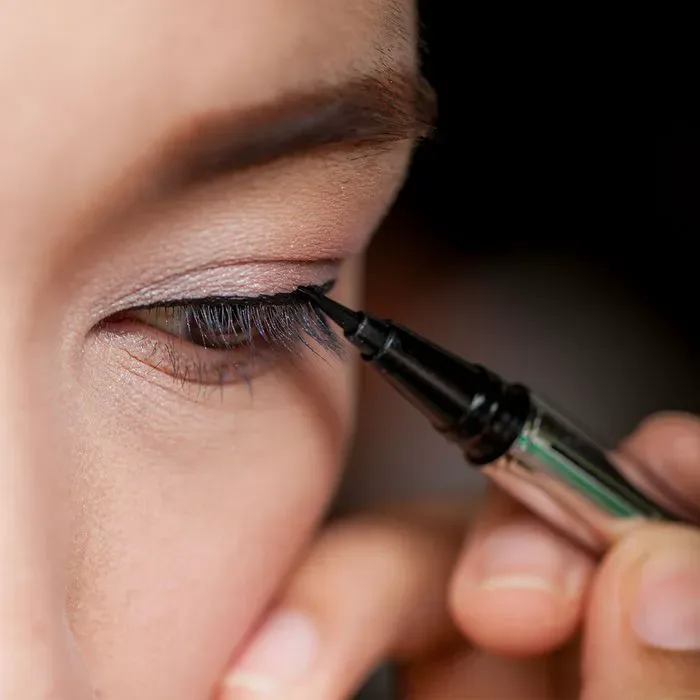
Image source: Bing (Web (fair-use with source credit))
Understanding these common issues is the first step. Knowing whether you're dealing with natural oiliness, moisture, or just a less cooperative product helps us choose the right strategy. For instance, some manufacturer specifications for waterproof liners indicate they can resist water for up to 12 hours, far outperforming standard formulas in humid conditions or with watery eyes.
Quick Fixes: Your First Line of Defense Against Smudges
Before we get into the nitty-gritty, let's talk about some super simple, immediate actions you can take. These are your go-to moves when you need a quick win against smudging.
- Blot, Don't Rub: If you notice a little bit of transfer, resist the urge to rub your eyes. Instead, gently blot the area with a clean tissue or cotton swab. This removes excess oil or moisture without disturbing the liner too much.
- Carry a Cotton Swab: Keep a few cotton swabs handy in your makeup bag. They're perfect for precise clean-ups throughout the day, whether it's a tiny smudge or a stray bit of shadow.
- A Touch of Powder: If you feel your under-eye area is getting a bit shiny, a very light dusting of translucent setting powder can help absorb excess oil and prevent your liner from transferring there.
These quick fixes are great for on-the-go touch-ups, but for long-term smudge-proofing, we need to build a more robust routine.
Step-by-Step: Building a Smudge-Proof Eyeliner Routine
Getting your eyeliner to stay put all day is less about magic and more about a solid, multi-step approach. Think of it as setting yourself up for success from the very beginning. We'll go through each part of the process, from prepping your lids to the final setting spray.
Prep Your Lids for Longevity
Just like any good makeup application, starting with a properly prepped base is crucial. Your eyelids, especially the skin there, can get oily or have texture that prevents makeup from adhering well.
- Cleanse and Dry: Ensure your eyelids are clean and completely dry before you start. Any leftover oil, moisturizer, or even residue from previous makeup can hinder your liner's staying power.
- Prime Time: Applying an eyeshadow primer is arguably the most impactful step for preventing smudging. It creates a smooth, matte canvas and acts as a barrier between your skin's natural oils and your eyeliner. This helps the liner adhere better and stay in place.
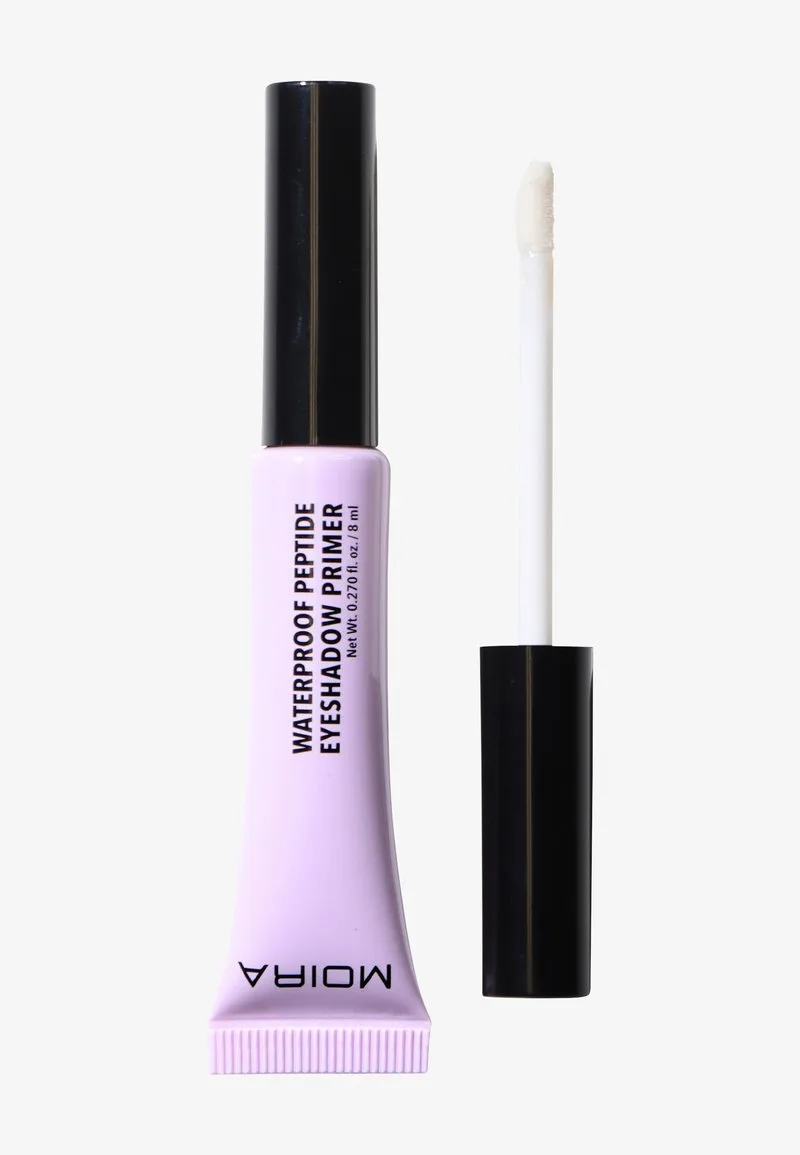
Image source: Bing (Web (fair-use with source credit))
- Powder Power: If you don't have an eyeshadow primer or want an extra layer of defense, a light dusting of translucent setting powder over your lids can absorb excess oil and moisture. It creates a dry surface that helps your liner grip better.
Choosing the Right Eyeliner Formula
Not all eyeliners are created equal when it comes to staying power. The formula you choose makes a significant difference.
- Gel and Liquid Liners: These are generally your best bet for smudge-proof wear. Once they dry down, they create a very firm line that's less prone to movement. Look for formulas specifically labeled as "waterproof" or "smudge-proof."
- Pencil Liners: While great for softer looks or tightlining, many pencil liners can be creamier and thus more prone to smudging. If you prefer pencils, seek out those marketed as long-lasting or smudge-resistant.
- Kohl Liners: These are often the softest and most likely to smudge. They're fantastic for specific effects but require more diligent setting if you want them to last without moving.
Application Techniques for Staying Power
How you apply your eyeliner can also impact its ability to resist smudging. Gentle application and strategic placement go a long way.
- Tightlining: Applying liner to your upper waterline (the inner rim of your eyelid) is called tightlining. This can make your lashes look fuller and help prevent shadow from getting into your lash roots, which can contribute to smudging.
- Gentle Glide: Avoid dragging or pulling at your eyelid skin. Use a light hand and let the liner glide as smoothly as possible. This not only protects your delicate skin but also ensures a more even application.
- Allow Drying Time: If you're using a liquid or gel liner, give it a minute or two to dry completely before blinking vigorously or touching your eyes. Premature contact can easily disrupt a wet line.
The Secret Weapon: Setting Your Liner
This is a pro tip that makes a massive difference, especially if you're using a pencil or kohl liner, or if you have particularly oily lids.
- Eyeshadow Sealant: Once your liquid or gel eyeliner is completely dry, grab a fine-tipped brush and a dark eyeshadow that matches your liner shade. Lightly press this eyeshadow directly over the applied liner. The powder essentially locks the cream or liquid liner in place, creating an incredibly durable, smudge-proof barrier. This technique is a game-changer for longevity.
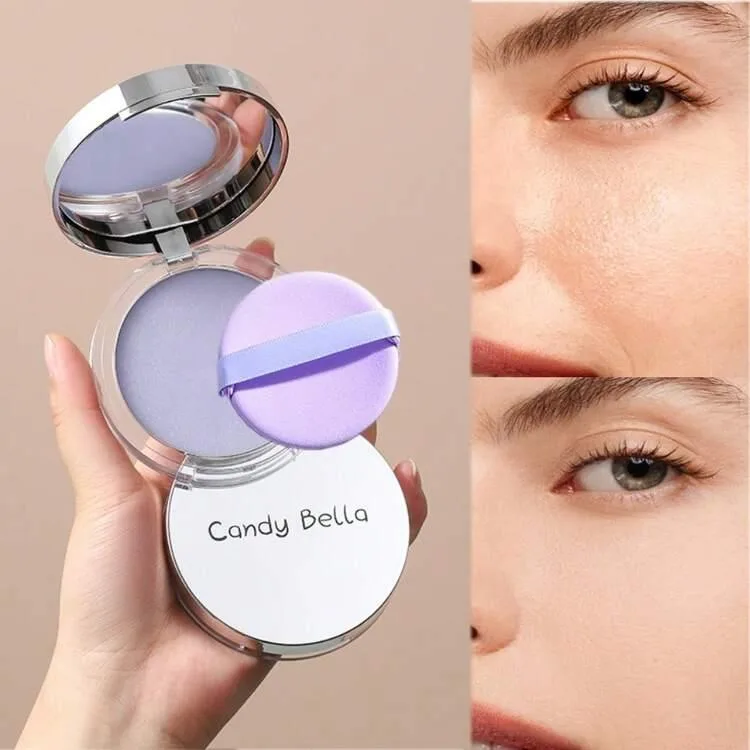
Image source: Bing (Web (fair-use with source credit))
- Lower Lash Line Strategy: If you struggle with smudging on your lower lash line, try applying an eyeshadow using a small, dense brush instead of a pencil. It provides color definition with less risk of migration.
Mistakes That Sabotage Your Eyeliner
Even with the best intentions, a few common errors can undo all your efforts. Avoiding these pitfalls is just as important as following the right steps.
- Skipping Primer/Prep: Rushing through the eyelid prep is a big mistake. Without a good base, your eyeliner has nothing to grip onto, making it more susceptible to sliding off.
- Oily Product Overload: Applying oily eye creams or removers too close to your lash line before makeup can create a slippery surface. Always ensure the area is clean and dry.
- Rubbing Your Eyes: It's a natural reaction, but rubbing can smear even the most stubborn liner. Being mindful of this habit can save your makeup.
- Using the Wrong Tools: A brush that's too fluffy or a liner tip that's too blunt can make precise application difficult, leading to less-than-perfect lines that are more prone to smudging.
- Not Letting it Dry: For liquid and gel liners, impatience is the enemy. If you blink or touch it before it's fully set, you'll likely end up with a smudge.
Expert Tips for All-Day Eyeliner
To really elevate your smudge-proof game, consider these advanced techniques and insights from makeup artists and product development analysis. These tips go beyond the basics to ensure your eyeliner holds up through thick and thin.
- Layer for Impact: For maximum staying power, start with a thin layer of gel or liquid liner, let it dry, then lightly press a matching eyeshadow over it. This layered approach creates a robust bond.
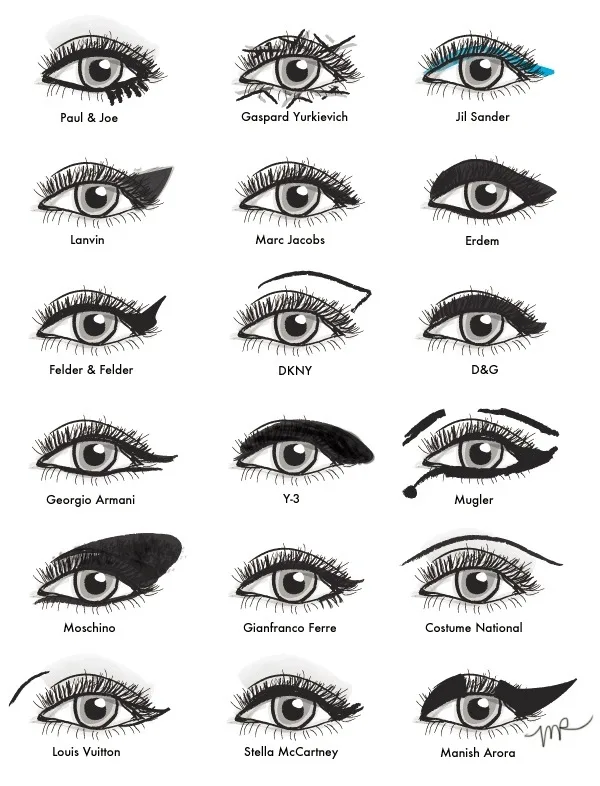
- Consider Eye Shape: Understanding how liner placement affects your eye shape can indirectly help. When liner is applied in a way that complements your eyes, it's less likely to be pulled or distorted into a smudge.
- Waterproof is Key: Even if your eyes don't typically water, opting for "waterproof" formulas is a smart move. They often have superior binding agents that resist oil and transfer more effectively than non-waterproof varieties.
- Seal the Deal with Setting Spray: Once your entire face of makeup is done, a good setting spray can help fuse everything together, including your eyeliner. Look for formulas designed for longevity.
- The Power of a Sharp Pencil: If you're using a pencil, make sure it's sharpened to a fine point. A sharp tip allows for more precise application, especially for tightlining, reducing the chance of accidental smearing.
- Ingredient Insights: Research into cosmetic ingredient efficacy often highlights the role of silicones and film-formers in long-wear formulations. Ingredients like cyclopentasiloxane and trimethylsiloxysilicate are key components in smudge-proof and waterproof eyeliners, creating a flexible yet durable barrier according to industry analysis.
Troubleshooting Common Smudging Scenarios
Sometimes, general tips aren't enough because your smudging issue is specific. Your eyes might be naturally oilier, or perhaps you're dealing with environmental factors like humidity or allergies. Let's break down the most common scenarios and how to tackle them head-on.
This approach helps us zero in on the precise adjustments you need for smudge-free liner.
Battling Oily Eyelids
If your eyelids tend to become shiny within a few hours of applying makeup, you're dealing with excess oil. This oil can break down your eyeliner, causing it to slide into your crease or smudge under your eye. The key here is creating a barrier and absorbing that oil.
- Start with a Matte Primer: Use an eyeshadow primer specifically designed to control oil. These often have a matte finish and can create a silicone-like barrier.
- Translucent Powder Power: After primer, or even as a standalone step if you're in a pinch, a light dusting of translucent setting powder over your lid can absorb excess oil. This creates a dry surface for your liner to adhere to.
- Choose Wisely: Opt for gel or liquid eyeliners known for their long-wear and waterproof capabilities. These formulas generally resist oil better than creamier pencil formulas.
- Set with Shadow: Always set your liner with a matching dark eyeshadow. This creates a powerful shield that oil has a much harder time breaking through.
Taming Watery Eyes
Watery eyes are a common frustration that can make any eyeliner weep. Whether it's allergies, environmental irritants, or just how your eyes are, moisture is the enemy of long-lasting liner. The goal is to use formulas that can withstand water.
- Waterproof is Non-Negotiable: This is where you absolutely need to reach for liners specifically labeled "waterproof." These are formulated with ingredients that repel water and should stay put longer.
- Avoid the Inner Corner: If your eyes water excessively from the inner corner, try to keep your liner application slightly away from that area. Focus it on the outer two-thirds of your lash line for less exposure to moisture.
- Gentle Application: Avoid rubbing your eyes, as this will immediately compromise any liner. If you feel an itch, try to pat the area gently with a clean finger rather than rubbing.
- Consider Ophthalmologist-Tested Products: Some brands offer lines that are ophthalmologist-tested, suggesting they're formulated with eye sensitivity and potential tear production in mind.
Keeping Liner Under Control on Your Lower Lash Line
The lower lash line is a common spot for eyeliner to smudge, especially under the eye. This often happens because the skin here can be oily or more prone to friction from touching your face. The strategies for the upper lash line apply, but with a few specific tweaks.
- Shadow Over Pencil: For the lower lash line, switching from a pencil to an eyeshadow is often more effective. Dip a small, dense brush into a dark matte eyeshadow and press it gently along your lower lash line. This provides color definition with less risk of migration.
- Minimal Product: Use as little product as possible. A very thin line of eyeshadow or a tightly applied pencil liner is less likely to migrate than a thick, heavy application.
- Baking Underneath: After applying liner (or eyeshadow liner) to your lower lash line, you can lightly "bake" the area just below it with translucent powder. Apply a generous amount of powder, let it sit for a minute or two, then gently sweep it away. This absorbs any excess oil that might travel down.
- Touch-Ups: Be prepared for a minor touch-up here if you're prone to smudging. A quick clean with a Q-tip can usually fix any minor fallout.
Frequently Asked Questions About Smudged Eyeliner
Why does my eyeliner smudge even if it says "waterproof"?
Even waterproof formulas can smudge if your eyelids are extremely oily, if you rub your eyes, or if the product isn't allowed to fully set. Waterproof means resistant to water, but not necessarily to oil or friction.
Can I use eyeshadow as eyeliner without it smudging?
Yes, you can! For best results, apply a damp angled brush to a dark eyeshadow. This will create a more intense, concentrated line that adheres better.
You can also set your eyeshadow liner with a translucent powder to help it last.
How long should I wait for my eyeliner to dry?
This varies by formula. Liquid and gel liners typically need 30 seconds to 2 minutes to dry completely. Pencil liners don't require drying time in the same way, but their wear time is generally shorter.
Always let liquid or gel formulas set before blinking heavily.
Is it bad to wear eyeliner every day?
For most people, wearing eyeliner daily is perfectly fine, provided you remove it thoroughly each night to prevent clogged pores or irritation. If you have very sensitive eyes or skin, opt for hypoallergenic formulas and give your eyes breaks when needed.
What’s the difference between smudge-proof and waterproof eyeliner?
Waterproof eyeliner is designed to resist water and moisture, making it ideal for watery eyes or humid conditions. Smudge-proof eyeliner is formulated to resist transfer and smearing from friction or oil. Often, a product will be both, but not always.
For maximum staying power, look for products labeled as both.
Can I use makeup setting spray to stop eyeliner smudging?
Yes, a good setting spray can help. After you've applied your eyeliner and allowed it to dry, spritzing a setting spray over your entire face can help to meld all your makeup layers together, including the liner, making it more resistant to smudging and transferring throughout the day.
What are the best eyeliner formulas for oily eyelids?
For oily eyelids, gel and liquid liners that are specifically labeled as long-wearing, waterproof, and smudge-proof are your best bet. These formulas typically have better adhesion and create a more durable film. Always start with a primer or a dusting of translucent powder on the lids to absorb excess oil before application.
Does primer really make a difference for eyeliner?
Absolutely. Primer creates a smooth, oil-absorbing barrier on your eyelids. This prep step is critical because it gives your eyeliner something to grip onto, preventing it from breaking down and smudging due to natural oils or moisture.
Without it, your liner has a much harder time staying put for extended periods.