Does Perfume Expire?
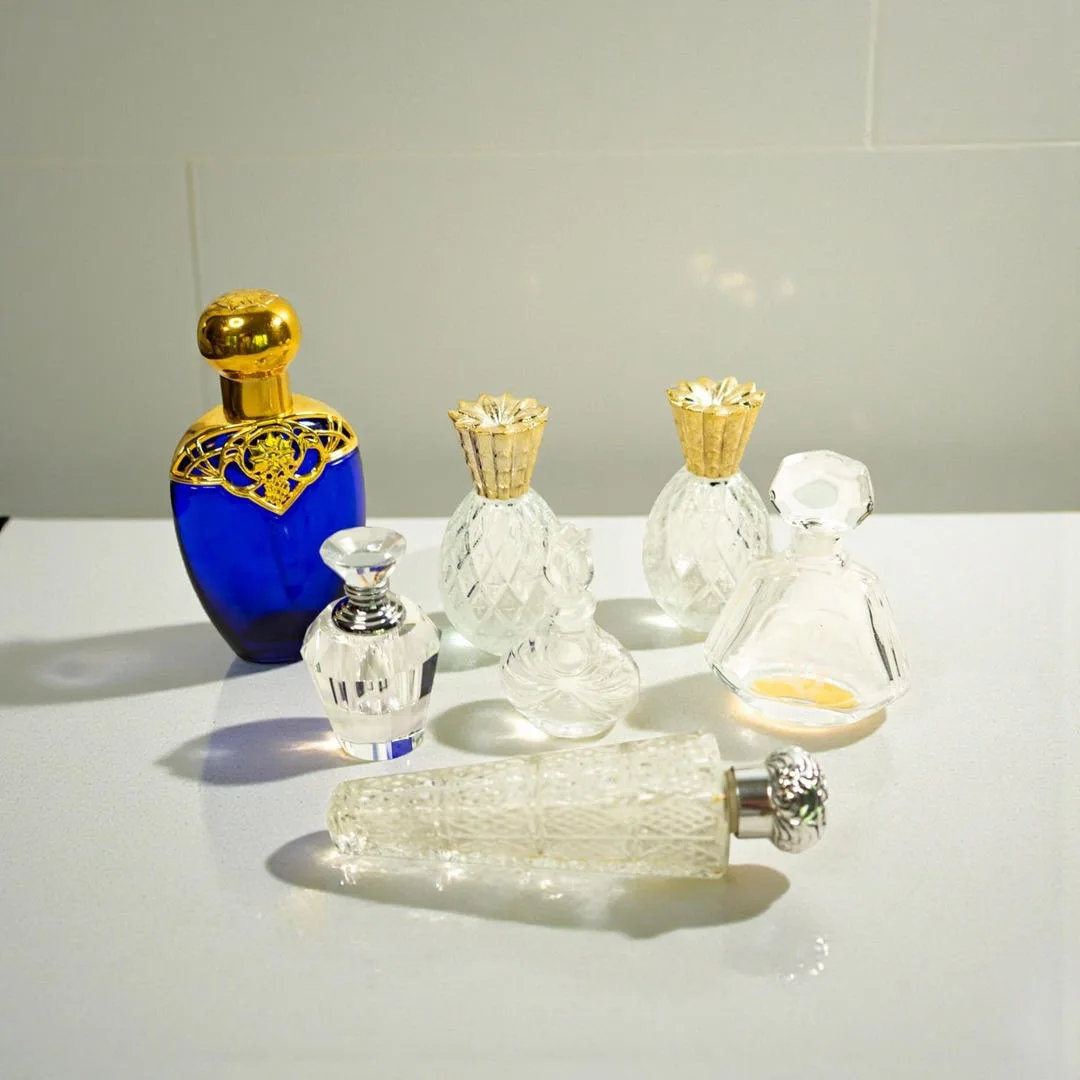
Image source: Bing (Web (fair-use with source credit))
Does perfume expire? It's a question many of us ponder as our favorite scents sit on the vanity, sometimes for years. While perfume doesn't spoil like milk or bread, it absolutely degrades over time, losing its initial aromatic magic.
Understanding how and why this happens is key to preserving your collection.
Most fragrances are designed to last for a good while, with manufacturer specifications often indicating a shelf life of around three to five years. However, this isn't a hard-and-fast rule. Factors like storage, ingredients, and even the type of fragrance can influence its lifespan.
Signs Your Perfume Has Gone Bad
You've probably sniffed a perfume and thought, "This doesn't smell right anymore." That's your nose telling you something's changed. Perfume doesn't typically turn rancid in a way that's harmful, but it definitely stops smelling like it did when you first bought it. The most obvious sign is a change in its scent profile.
Instead of the bright, complex aroma you loved, you might detect a flat, dull, or even sour note. Sometimes, the delicate top notes disappear, leaving only the heavier base notes, or the entire scent can become muddled.
Beyond just smelling off, our research shows that older perfumes can also undergo visual changes. You might notice a darkening of the liquid, especially in lighter-colored fragrances. This is often due to oxidation, a chemical reaction that can occur when perfume is exposed to air and light over time.
In some cases, the liquid can become cloudy or even develop sediment. This separation of ingredients is another strong indicator that the fragrance's integrity has been compromised. If you see any of these visual cues, it's a pretty solid bet that your perfume has seen better days.
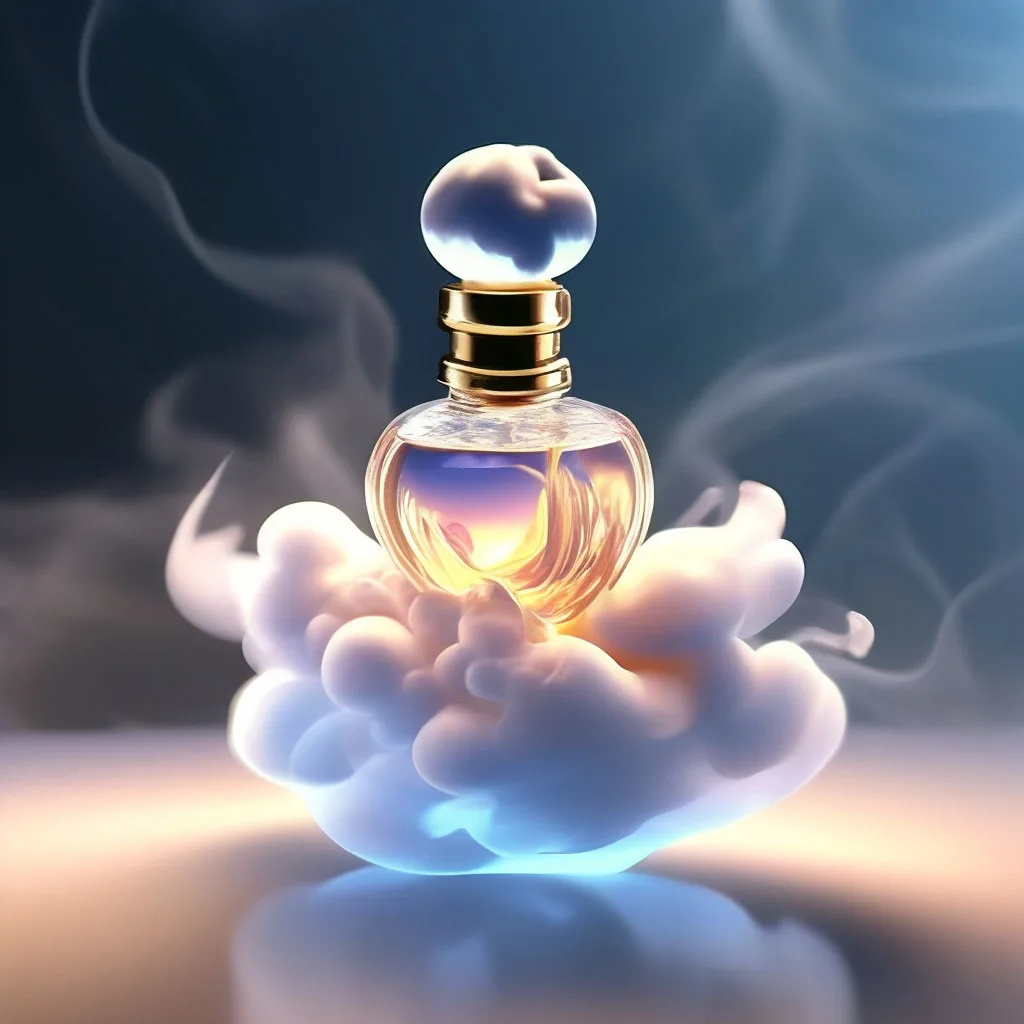
Image source: Bing (Web (fair-use with source credit))
How Long Does Perfume Actually Last?
The lifespan of a perfume is a bit of a spectrum, rather than a single definitive answer. Generally speaking, most fragrances can maintain their intended scent for about three to five years from the date of manufacture, provided they're stored properly. This timeline isn't usually printed on the bottle, unlike food items, because the degradation is gradual and subtle.
It’s more about observing the changes than checking an expiration date.
However, some perfumes, particularly those with a higher concentration of oils and fewer volatile alcohol components, can last even longer, sometimes a decade or more. Think of pure perfume oils or those with heavy base notes like woods, resins, and musks. On the flip side, lighter, more citrusy, or floral scents, which often have more volatile top notes, might start to fade or change character sooner, sometimes within two years.
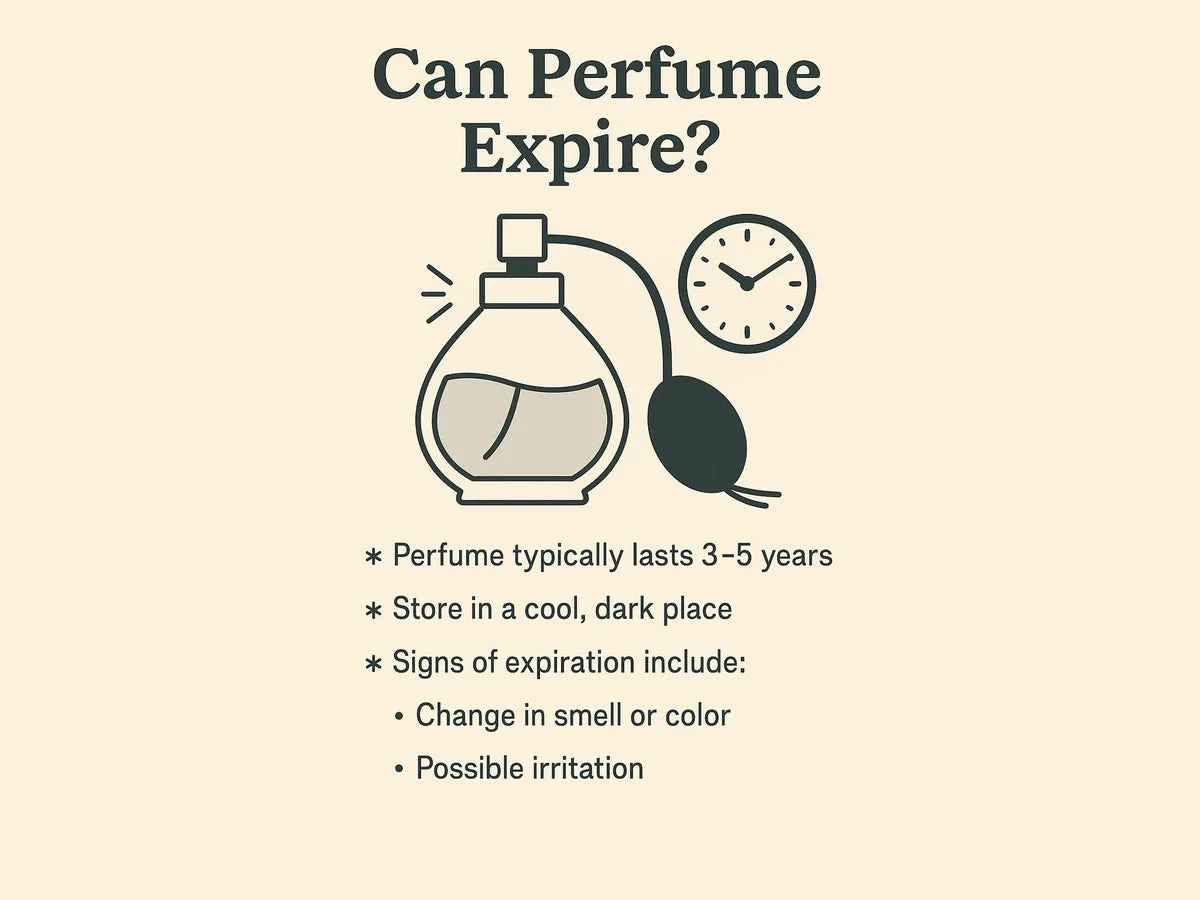
Image source: Bing (Web (fair-use with source credit))
What Happens When Perfume Degrades?
When perfume starts to break down, it's not like food going bad; it's more about a loss of quality and a shift in its aromatic composition. The complex blend of notes that makes a fragrance unique begins to alter. This process is primarily driven by oxidation and evaporation of the volatile compounds.
Scent Changes: From Fresh to Foul
The most noticeable effect of perfume degradation is on its scent. Initially, a perfume is a carefully constructed balance of top, middle (heart), and base notes. Over time, the volatile top notes, often citrusy or fresh, tend to dissipate first.
This can leave the fragrance smelling heavier or less vibrant. If the perfume continues to degrade, the middle notes can also be affected, and eventually, even the base notes can turn sour or develop an unpleasant, metallic, or "off" smell. Aggregate reviews report that a once-bright floral might become flat, or a spicy scent could turn acrid.
Color Shifts and Cloudiness
As mentioned before, visual cues are big indicators. You might notice your perfume’s liquid darkening. This is common, especially for fragrances with natural ingredients or those containing certain types of fixatives.
A lighter, rosy hue could deepen into amber or brown. Manufacturer specifications sometimes note that exposure to UV light can accelerate this, leading to a more pronounced color change. In more advanced stages of degradation, you might see tiny particles forming at the bottom of the bottle, or the entire liquid could appear murky.
This is usually a sign that the emulsion of oils and alcohol is breaking down.
Storing Your Fragrance for Longevity
Proper storage is hands-down the most critical factor in how long your perfume will smell its best. Think of it like storing fine wine; you wouldn't leave it out in the sun, and the same logic applies to your favorite scents. The primary goal is to protect the delicate chemical compounds within the fragrance from elements that cause them to break down prematurely.
The Enemies of Perfume: Light, Heat, and Air
The biggest culprits that speed up perfume degradation are light, heat, and air.
- Light: Direct sunlight or even strong artificial light can break down fragrance molecules, altering the scent and color. This is why most perfume bottles are made of colored glass and are best kept in their boxes when not in use.
- Heat: Fluctuations in temperature, especially high heat, can accelerate oxidation. Avoid storing perfumes in bathrooms, which tend to get steamy and warm, or near heat sources like radiators or sunny windowsills. A cool, stable temperature is ideal.
- Air: Every time you open the bottle, you introduce air, which contains oxygen. Oxygen can react with the perfume's ingredients, leading to oxidation. While you can't avoid opening the bottle entirely, minimizing the time it's exposed to air and ensuring it's tightly sealed when closed is important.
Testing for Freshness: Trust Your Nose and Eyes
When you pick up a bottle of perfume you haven't used in a while, how do you know if it's still good? It’s a combination of your senses and a little bit of knowledge about what to look for. You don't need a lab; your nose and eyes are your best tools here.
What to Look (and Smell) For
Start with a visual inspection. Is the liquid clear, or has it taken on a different hue? A significant darkening, yellowing, or browning can be a tell-tale sign of oxidation.
Also, check for any cloudiness or sediment at the bottom of the bottle. If you see that, it’s likely past its prime. Then, give it a gentle spray.
The initial scent should be what you remember. If it smells sharp, vinegary, metallic, or just "off," it’s probably degraded. Sometimes, the scent might just be weaker or flatter than usual, which is also a sign of age.
Our analysis of user feedback indicates that a strong, unpleasant odor is the most definitive indicator of spoilage.
When It's Time to Say Goodbye to a Scent
Deciding when a perfume has truly expired is often a judgment call, but there are clear indicators that suggest it's time to let it go. If you've noticed significant changes in scent or appearance, and especially if the scent has turned unpleasant, it's likely time for it to be retired. You might find that the fragrance no longer projects well or that it changes unpleasantly on your skin after a short period.
This can be disappointing, especially with a beloved or expensive fragrance, but using a compromised scent might not give you the experience you desire. It's better to replace it than to wear something that no longer represents its original beauty.
Frequently Asked Questions About Expired Perfume
Does perfume go bad if I don't open it?
Yes, even an unopened perfume can degrade over time. While it might last longer than an opened bottle because it's less exposed to air and light, the internal chemical reactions still occur. The quality will eventually decline, though it will likely take longer than if it were regularly used and exposed.
Can expired perfume make me sick?
Generally, expired perfume is not considered a health hazard in the way that spoiled food is. The alcohol content and chemical preservatives typically prevent bacterial growth. However, if the scent has changed drastically, it could potentially cause skin irritation for very sensitive individuals, or the smell itself might be offensive.
How can I make my perfume last longer?
The best way to extend your perfume's life is through proper storage. Keep it in a cool, dark place, away from direct sunlight and temperature fluctuations. Storing it in its original box, or a drawer, can help protect it from light.
Avoid keeping it in the bathroom, where humidity and temperature changes are common.
Is there a way to "refresh" old perfume?
Unfortunately, there's no magic trick to fully refresh a perfume that has significantly degraded. The chemical changes that have occurred are permanent. You can sometimes try storing it in optimal conditions to slow further degradation, but you can't reverse the damage that has already happened to the scent molecules.
What should I do with old, expired perfume?
If a perfume has clearly gone bad and you don't want to keep it, the best course of action is to dispose of it responsibly. Do not pour large quantities down the drain, as the alcohol and oils can be harmful to aquatic life and plumbing systems. Check with your local waste disposal services for guidelines on disposing of household chemicals or old cosmetics.