How Often Should I Use Cuticle Oil?
So, you're wondering about cuticle oil, how often should you actually be slathering that stuff on? It's a great question because it's one of those little things that can make a surprisingly big difference in how your nails look and feel.
Truth be told, there isn't a single, hard-and-fast rule that fits everyone. Think of it like asking how often you should drink water, it depends on you, right? Your lifestyle, the weather, and even what you've been doing all play a part.
Quick Answer
You should use cuticle oil daily, often twice a day, especially if your nails are dry or exposed to harsh conditions. For general maintenance on healthy nails, a few times a week may suffice. The key is consistent hydration.
Is Cuticle Oil Even Worth It? The Basic Idea
Cuticle oil is essentially a specialized moisturizer designed for the delicate skin around your nails, known as the cuticle, and the nail plate itself. Its primary function is to hydrate and nourish these areas. Keeping your cuticles moisturized is crucial because dry, brittle cuticles are more prone to developing hangnails and cracking.
This dehydration can also negatively impact the health and appearance of your growing nail. Providing consistent hydration helps maintain suppleness and supports healthier nail growth.
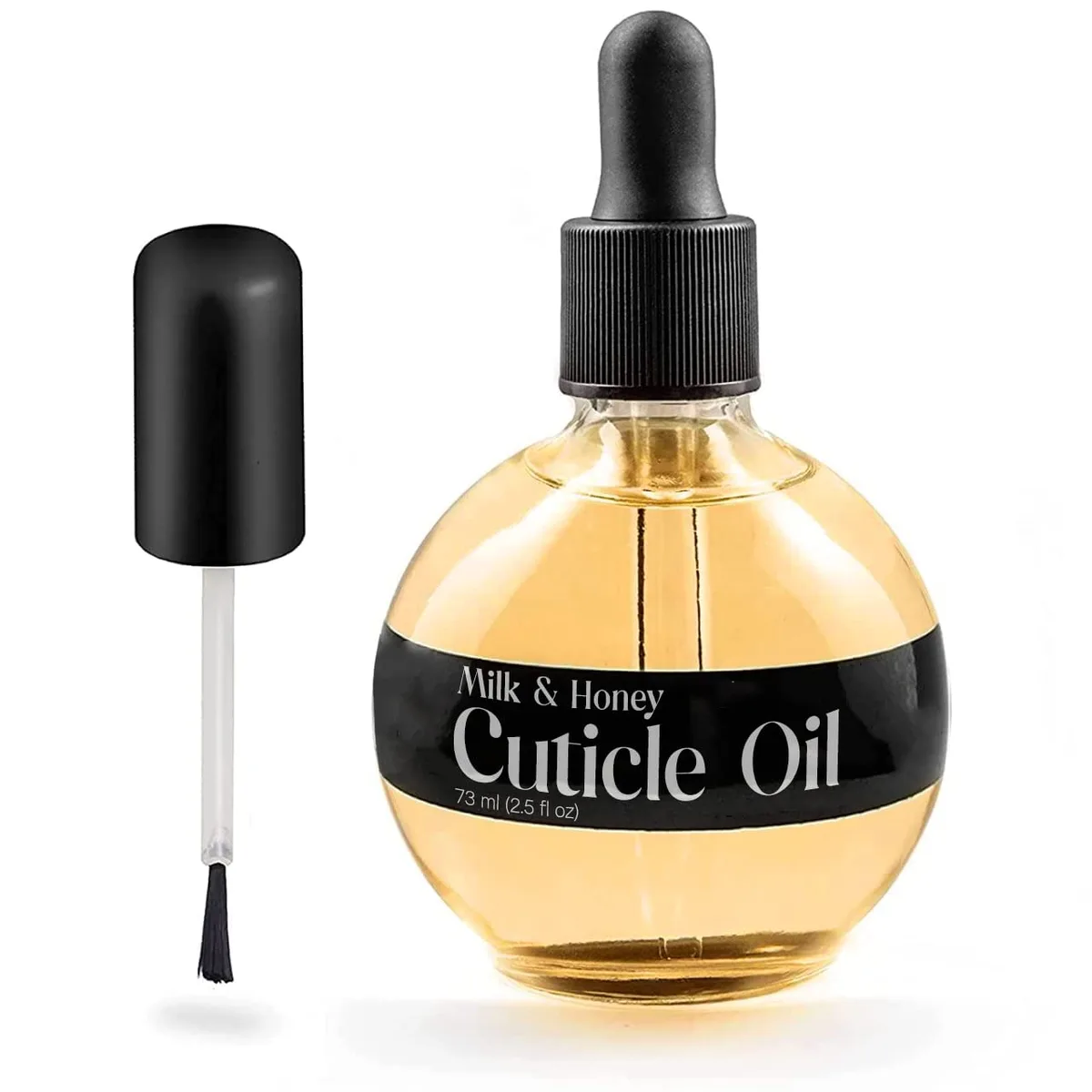
Image source: Bing (Web (fair-use with source credit))
When to Use Cuticle Oil: Your Personal Factors
The best frequency for using cuticle oil isn't one-size-fits-all. It truly depends on your individual circumstances, your nails' needs, and your daily environment. Think of it as tailoring a skincare routine; what works for one person might not be ideal for another.
We need to consider a few key variables to pinpoint the perfect rhythm for you.
What's Your Nail's Current Condition?
How your nails are doing right now is a primary indicator of how often you should apply cuticle oil. If your nails and cuticles are already in great shape, you might not need it as frequently. However, if you're experiencing specific issues, that's a sign you need to ramp up your usage.
- Dry, Rough, or Prone to Hangnails: If your cuticles look and feel dry, often peel, or you frequently get painful hangnails, this is a clear signal that they need more hydration. You'll want to be quite consistent to restore moisture and suppleness.
- Healthy and Maintained: If your nails and cuticles are generally well-hydrated and you rarely experience issues like hangnails, you can likely maintain them with less frequent application. Your goal here is preventive care.
- Damaged or Recovering: Nails that have been through processes like frequent gel or acrylic manicures, or those exposed to harsh chemicals, often need extra support. These situations can strip natural moisture, so increased oil application is beneficial.
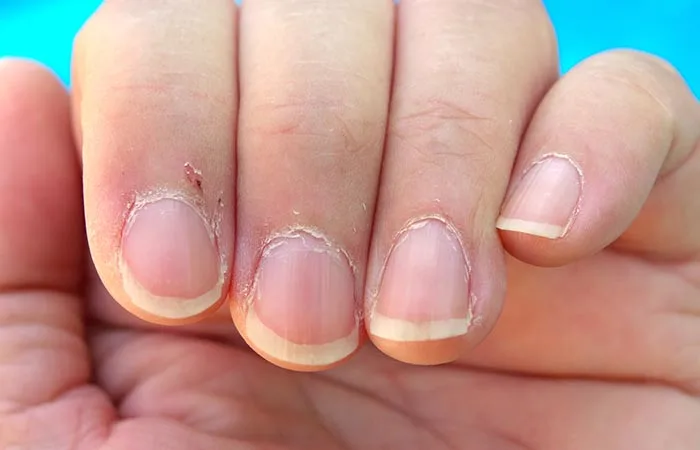
Image source: Bing (Web (fair-use with source credit))
How Does Your Lifestyle Affect Your Nails?
Beyond the condition of your nails themselves, your daily activities and environment play a huge role in how often you should reach for your cuticle oil. Certain habits and conditions can strip moisture from your hands and nails at an accelerated rate, necessitating more frequent reapplication.
- Frequent Hand Washing: If your job requires constant hand washing, think healthcare professionals, teachers, or anyone meticulous about hygiene, your skin loses moisture rapidly. You'll need to replenish that hydration regularly.
- Occupational Exposure: Hands-on jobs involving water, cleaning products, or other drying agents can take a toll. Even frequent gardening or manual labor can dry out your cuticles.
- Climate and Environment: Living in a very dry climate, or spending a lot of time in heated or air-conditioned environments, can strip moisture from your skin and nails. The arid air pulls hydration, making cuticle oil essential.
- Nail Treatments: While we love a good manicure, some treatments, particularly gel or acrylic applications and removals, can leave nails and cuticles dry. You may need to oil more often during these periods.

Image source: Bing (Web (fair-use with source credit))
Your Daily Cuticle Oil Routine: Building the Right Frequency
Figuring out the perfect frequency comes down to balancing your nail's needs with your lifestyle. For most people, a consistent routine is more important than a specific number of applications. The goal is continuous hydration to prevent dryness before it starts.
Daily: For Intensive Repair and Dry Climates
If your nails are currently very dry, prone to hangnails, or you live in an arid climate, daily application is your best bet. This approach provides consistent moisture to combat dehydration effectively. Many find applying cuticle oil once in the morning and again before bed to be highly beneficial.
This dual application ensures your cuticles are protected and hydrated throughout the day and during sleep.
A Few Times a Week: For Solid Maintenance
For those whose nails are generally healthy and not subjected to harsh conditions, a less frequent but still consistent approach can work well. Applying cuticle oil every other day, or at least 2-3 times per week, can be sufficient for maintenance. The key here is regularity; even if it's not daily, sticking to a schedule helps keep your cuticles in good condition.
Listening to Your Nails: When to Adjust
Ultimately, your nails will tell you what they need. If you find your cuticles still feel dry or tight even after applying oil a few times a week, it’s a sign you should increase the frequency. Conversely, if your nails feel perfectly hydrated and perhaps a little too oily with your current routine, you can gradually reduce the number of applications.
Pay attention to how your nails look and feel to fine-tune your personal schedule.
Common Cuticle Oil Mistakes to Sidestep
While cuticle oil is fairly straightforward to use, a few common missteps can prevent you from getting the best results. Being aware of these can help you optimize your routine and ensure your nails stay healthy and hydrated. One frequent issue is inconsistent application.
If you only remember to use it sporadically, you won't provide the continuous moisture needed to truly improve cuticle health.
Another mistake is not massaging the oil in properly. Simply dabbing it on the surface isn't as effective as gently massaging it into the cuticle and the surrounding nail plate. This action helps the oil penetrate more deeply.
Also, some individuals apply oil too heavily, leading to a greasy feeling that can be uncomfortable. A small amount is usually sufficient. Lastly, ignoring the signs your nails are giving you is a missed opportunity.
If your nails are constantly dry, don't assume your current routine is enough; adjust the frequency.
Expert Tips for Maximizing Your Cuticle Oil Use
To get the most out of your cuticle oil, a few practical tips can make a significant difference. Think of these as small adjustments that yield big improvements in nail health and appearance. First, consistency is paramount.
Whether you choose daily or a few times a week, stick to a routine. Manufacturer specifications often suggest regular application for optimal results.
Try to apply oil whenever you wash your hands, especially if you do so frequently. This immediately replenishes lost moisture. Additionally, massage the oil in thoroughly.
Don't just pat it on; gently rub it into the cuticle and nail bed to enhance absorption. Using a small amount and distributing it well is more effective than drenching your nails. Finally, store your oil properly; keeping it out of direct sunlight can help preserve its beneficial properties.
Many brands recommend storage at room temperature.
Real Scenarios: When Daily vs. Occasional Oil Makes a Difference
Let's look at a couple of situations to really drive home when daily use makes sense versus when a few times a week is probably fine. Imagine two people, both interested in healthy nails, but with very different routines.
Person A works as a chef, constantly washing their hands in hot water and dealing with sanitizers. Their nails and cuticles are often dry and prone to peeling. For Person A, daily application, maybe even twice daily after washing hands, is essential.
This counteracts the harsh, drying effects of their job.
Person B works a desk job, has no harsh environmental exposures, and rarely washes their hands excessively. Their nails are naturally strong and hydrated. For Person B, using cuticle oil 2-3 times a week might be perfectly adequate to maintain that healthy state.
It's about matching the intensity of care to the intensity of exposure.
Using Cuticle Oil: A Simple Step-by-Step
Applying cuticle oil is a straightforward process, but doing it correctly ensures you get the most benefit. It's a small ritual that can be easily integrated into your day, whether you have a minute in the morning or a moment before bed. The key is to be gentle and thorough.
Here’s how to do it:
- Dispense a small amount: Start with just one or two drops of oil onto your cuticle area. You don't need much.
- Massage it in: Gently rub the oil into your cuticles and the surrounding skin using your fingertip or a small applicator if your oil comes with one.
- Cover the nail plate: Ensure some of the oil also gets onto the surface of your nail, especially near the base where the nail grows.
- Allow absorption: Let the oil soak in for a minute or two before touching anything that could wipe it off. Wash hands afterwards if you’ve used too much and it feels greasy.
Cuticle Oil Ingredients: What to Look For
The effectiveness of cuticle oil often comes down to its formulation. High-quality oils typically contain a blend of nourishing ingredients designed to hydrate, protect, and condition. Look for oils that feature natural ingredients known for their emollient and moisturizing properties.
Common beneficial ingredients include:
- Carrier Oils: Such as jojoba oil, almond oil, grapeseed oil, or coconut oil. These form the base and help to deliver other nutrients. Jojoba oil, in particular, is very similar to our skin's natural sebum, making it easily absorbed.
- Vitamin E: A well-known antioxidant that helps protect the skin and nails. It's also a great moisturizer.
- Essential Oils: Sometimes used for fragrance and added benefits, like lavender for soothing or tea tree oil for its antiseptic properties, though these are less common in basic cuticle oils.
- Botanical Extracts: Various plant-derived ingredients that offer specific conditioning benefits.
Always check the ingredient list to ensure you're getting a blend that suits your needs and preferences. Some formulations might be heavier or lighter depending on the oil base.
Cuticle Oil Alternatives: What Else Can You Use?
While dedicated cuticle oils are formulated for targeted hydration, you might wonder if other products can do the trick. Hand creams are the most common alternative. They provide moisture to the hands overall, including the cuticle area.
However, hand creams often have a lighter consistency and may not deliver the same concentrated dose of nourishing oils as a specialized cuticle product. For intense hydration and targeting specific issues like dryness or hangnails, a cuticle oil is generally more effective. Some people also use plain carrier oils like olive oil or almond oil, which can work well, but pre-formulated cuticle oils often have added vitamins and work better for absorption.
When to See a Professional About Your Cuticles
While most cuticle concerns can be managed with diligent home care, there are times when seeking professional advice is the best course of action. If you're experiencing persistent pain, swelling, or signs of infection around your nails, it's important to consult a dermatologist or a qualified medical professional. These symptoms could indicate a more serious issue, such as a bacterial or fungal infection, that requires medical treatment.
Also, if you have underlying health conditions that affect skin or nail health, like diabetes or psoriasis, it's wise to discuss your nail care routine with your doctor. They can offer personalized recommendations and ensure your practices align with your overall health management. For severe cuticle damage or persistent problems, a nail technician might also offer specialized treatments.