How Often Should I Trim My Nails?
Ever find yourself staring at your fingernails or toenails and wondering, "Is it time to trim these yet?" It's a question that pops up for pretty much everyone, and honestly, there's no single, simple answer. It's not like brushing your teeth, where there's a pretty universal "twice a day" rule.
The truth is, how often you should trim your nails really depends on you. Your body, your habits, your lifestyle, all of it plays a part. Think of it like deciding when to water a plant; some need it daily, others weekly, depending on the plant and the environment.
Your nails are kind of the same way.

Image source: Web (Bing) / researchgate.net (Web image (fair-use with source credit))
Quick Answer
Trim fingernails about once a week. Toenails usually need trimming every two to four weeks. Pay attention to how your nails grow and feel.
Signs like nails extending past fingertips or pressing against shoes indicate it's time. Genetics and lifestyle influence growth rates, so adjust as needed.
The Big Factors That Influence Nail Growth
Several key elements work together to determine how quickly your nails grow and how often you'll need to trim them. Understanding these can help you tailor a schedule that’s just right for you.
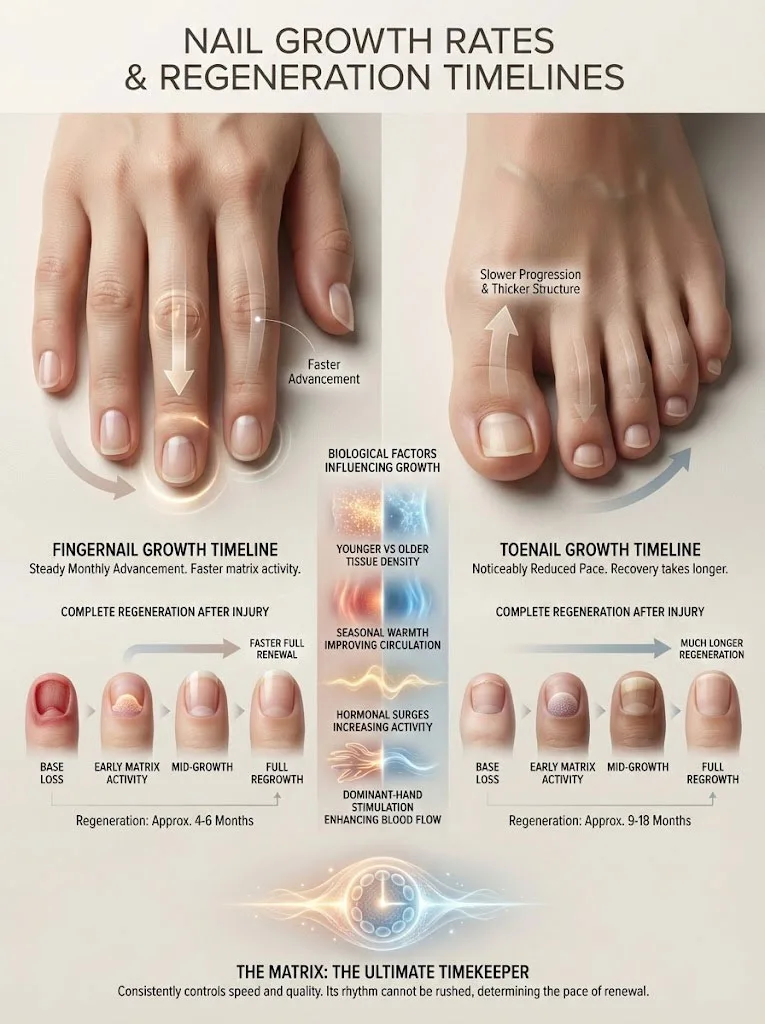
Image source: Bing (Web (fair-use with source credit))
Genetics, Age, and Health
Your genetic makeup plays a significant role in your natural nail growth rate. Some people are simply born with nails that grow faster than others. Age is another factor; research indicates that nails tend to grow more quickly during childhood and adolescence and then gradually slow down as you enter adulthood.
Overall health and nutrition also impact nail growth. A diet rich in vitamins and minerals like biotin, zinc, and iron supports healthy nail formation. If you're experiencing deficiencies or certain health conditions, your nail growth might be slower.
For example, conditions affecting circulation could impact nail health.
Activity and Environment
What you do with your hands and feet, and the environment you're in, can subtly influence nail appearance and perceived growth. Frequent exposure to water, for instance, can soften nails, potentially affecting their texture and how they wear down. Occupations or hobbies involving a lot of manual labor can lead to more wear and tear on nails.
This might make them seem like they need trimming more often, even if the underlying growth rate hasn't changed. Consistent hydration and protection can help maintain nail integrity.
When to Reach for the Clippers: A Personal Guide
Since everyone's body is unique, looking for specific signs is more effective than sticking to a rigid schedule. Your nails will often tell you when they need attention.

Image source: Bing (Web (fair-use with source credit))
Fingernails: Signs It's Time
The most common cue for fingernails is when they start to extend noticeably past the tip of your finger. This length increases their chance of snagging on clothing, hair, or other objects, which can lead to breaks or tears. You might also notice an increase in hangnails, small pieces of skin tearing near the nail bed, which can sometimes signal that nails are getting too long and potentially dry.
If your nails are getting in the way of tasks like typing, playing an instrument, or even simple daily activities, it's definitely time to trim them back for comfort and practicality.
Toenails: Signs It's Time
Toenails require attention for different reasons, primarily comfort and preventing potential issues. If your toenails are long enough to press against the inside of your shoes, this is a critical indicator. This pressure can be uncomfortable and is a primary cause of ingrown toenails, a painful condition where the nail edge grows into the surrounding skin.
Also, watch for uneven or jagged edges, which are common as toenails grow and can catch on socks. Keeping toenails trimmed short can also help reduce the risk of fungal infections by limiting places where moisture and debris can accumulate.
What's a General Recommendation for Trimming Frequency?
While individual needs vary greatly, most people can follow a general guideline to keep their nails in good shape. This acts as a starting point, and you can adjust it based on your personal observations.
A common benchmark for fingernail maintenance is trimming them about once a week. For toenails, the typical recommendation shifts to every two to four weeks. This difference exists because toenails generally grow slower than fingernails.
Fingernail Frequency
For most individuals, trimming fingernails weekly is a good habit. This frequency helps prevent them from becoming overly long, reducing the risk of snagging and breaking. It also keeps them looking neat and tidy.
If you notice your fingernails grow particularly fast, or if you're experiencing frequent snags, you might find yourself needing to trim them every few days. Conversely, if your nails grow quite slowly, you might be able to stretch this to ten days or two weeks. The key is to observe your own nail growth.
Toenail Frequency
Toenails typically require less frequent trimming, with a general recommendation of once every two to four weeks. This slower growth rate means they often don't interfere with daily activities as quickly as fingernails might. Trimming toenails on this schedule helps prevent them from becoming too long, which is crucial for comfort inside shoes and for preventing ingrown toenails.
If your toenails are particularly thick or prone to ingrown issues, you might find a more consistent two-week schedule beneficial. People with certain health conditions, like diabetes, may need to follow specific advice from a healthcare provider regarding toenail care frequency.
A Quick Word on How to Trim Your Nails Safely
The "when" is important, but the "how" is equally crucial for maintaining nail health and preventing injuries. Using the right technique and tools can make a big difference.
Using the Right Tools
For effective and safe nail trimming, having the right tools is essential. Opt for clean, sharp nail clippers or nail scissors specifically designed for nail care. Dull or rusty tools can tear or crush the nail instead of cutting it cleanly, leading to jagged edges and potential damage.
For toenails, curved clippers are often preferred to match the natural shape of the nail, while straight-edge clippers are useful for trimming toenails to prevent ingrown nails. Keeping your tools clean, perhaps with a quick wipe-down using rubbing alcohol, is a simple step that helps prevent the transfer of bacteria or fungi.
Best Practices for Cutting and Filing
The best time to trim your nails is often after a warm bath or shower. This is because water softens the nail plate, making it more pliable and easier to cut cleanly. When trimming fingernails, aim to leave a tiny bit of the white tip visible; cutting too close to the nail bed can cause pain and increase the risk of infection.
For toenails, it's vital to cut them straight across. Avoid rounding the corners too sharply, as this can encourage the nail to grow inward, leading to painful ingrown toenails. After clipping, a gentle pass with a nail file can smooth any rough edges, further preventing snags and splits.
This attention to detail supports overall nail health and appearance.
FAQs About Nail Trimming Frequency
How long does it take for nails to grow?
On average, fingernails grow about 3.5 millimeters per month. Toenails grow slower, typically around 1.6 millimeters each month. This growth rate can vary significantly from person to person due to factors like age, health, and genetics.
Can trimming nails too often be bad?
Trimming nails too often isn't inherently bad, but it's unnecessary if your nails aren't long enough to cause issues. Over-trimming, especially cutting too close to the nail bed, can lead to pain, increased risk of infection, or ingrown nails. It's best to trim when you notice practical or comfort-related reasons to do so.
Should I trim my nails when they are wet or dry?
It’s generally better to trim nails when they are slightly damp, such as after a shower or bath. Softer nails are easier to cut cleanly, reducing the chance of splitting or tearing. Trimming dry nails can sometimes lead to more jagged edges.
What's the difference between nail clippers and nail scissors?
Nail clippers are designed for quick, efficient trimming and are great for most fingernails and toenails. Nail scissors, especially those with curved blades, offer more precision and control, which can be beneficial for shaping or for individuals who find clippers difficult to maneuver. Both should be kept clean and sharp for optimal use.
Are there any specific concerns for diabetics regarding nail trimming?
Yes, individuals with diabetes should exercise extreme caution when trimming their nails. Due to potential nerve damage and poor circulation, they may not feel if they cut themselves. It’s recommended that diabetics have their nails trimmed by a podiatrist or healthcare professional to minimize the risk of injury and infection, as a minor cut can lead to serious complications.