How Often Should I Replace a Hair Straightener?
You’re probably wondering how often you should replace your hair straightener. It’s a common question because, unlike some beauty tools, there isn’t a strict expiration date stamped on them. Knowing when it’s time for an upgrade is crucial for both your hair's health and achieving those salon-smooth styles.
Our research indicates that while some straighteners can last for years, several factors influence their lifespan. A well-maintained tool, especially one adhering to standards for electrical appliance safety, typically offers consistent performance for a significant period before showing signs of wear. Let’s look at what those signs are.
Image source: Bing (Web (fair-use with source credit))
Quick Answer
You should replace your hair straightener when you notice significant damage, inconsistent heating, or it fails to style your hair effectively. Generally, with moderate daily use and proper care, a hair straightener’s lifespan is between 3 to 5 years, but this can vary. Signs like scratched plates, frayed cords, or heating issues are direct indicators it's time for a new one.
Your Straightener's Lifespan: It's Not Just About Time
The lifespan of your hair straightener isn't measured solely in calendar years. Think of it more like a tool that gets worn down with use, much like a favorite pair of shoes or kitchen knives. While manufacturer specifications for quality units often suggest a lifespan of 3 to 5 years under typical conditions, your personal usage patterns can dramatically shorten or extend that.
Factors like how often you use it, the heat settings you choose, and how diligently you maintain it all play a role. For instance, someone who uses their straightener daily on high heat will likely need to replace it sooner than someone who uses it twice a month on a medium setting. It’s about the wear and tear it experiences, not just the passage of time.
Spotting the Warning Signs: How to Tell It's Failing
Your hair straightener will often give you clues when it's on its way out. Ignoring these signs can lead to poor styling results, and more importantly, can potentially damage your hair. Pay attention to how it looks, feels, and performs.
Plate Problems: Scratches, Chips, and Coatings
The heating plates are the heart of your straightener, directly touching your hair. Any damage here can cause snagging and breakage.
- Scratches and Chips: Deep gouges or noticeable chips on ceramic, titanium, or tourmaline plates are a major concern. These imperfections create uneven surfaces that can catch and pull your hair.
- Peeling Coating: If your plates have a coating (like ceramic or tourmaline), and you see it starting to flake, peel, or wear away, the heat distribution will become uneven. This means inconsistent styling and potential heat damage to your hair.
Image source: Bing (Web (fair-use with source credit))
Heating Hiccups: Temperature Troubles and Slow Warm-Ups
Consistent heat is non-negotiable for effective styling. If your straightener’s heating performance is off, it's a sign of internal issues.
- Slow to Heat: If your straightener used to heat up in seconds but now takes several minutes, its heating element may be weakening.
- Uneven Temperature: Does one side of the plate feel hotter than the other, or does the temperature fluctuate wildly as you style? This is a common indicator that the internal thermostat or heating coils are failing.
- Not Hot Enough: Even on its highest setting, it just doesn’t get hot enough to style your hair effectively anymore. This directly impacts your styling results and can lead to more passes over your hair, increasing heat damage risk.
Physical Clues: Cord Damage and Loose Parts
Beyond the plates and heating, the overall structural integrity of the tool is vital for safety and performance.
- Frayed or Damaged Cord: This is a serious safety hazard. Exposed wires or significant fraying on the power cord can lead to electric shock or fire. Stop using the straightener immediately if you notice this.
- Loose Components: If the handle feels wobbly, the plates are loose, or the casing is cracked, the tool is likely compromised. This not only affects its functionality but also poses a risk of injury.
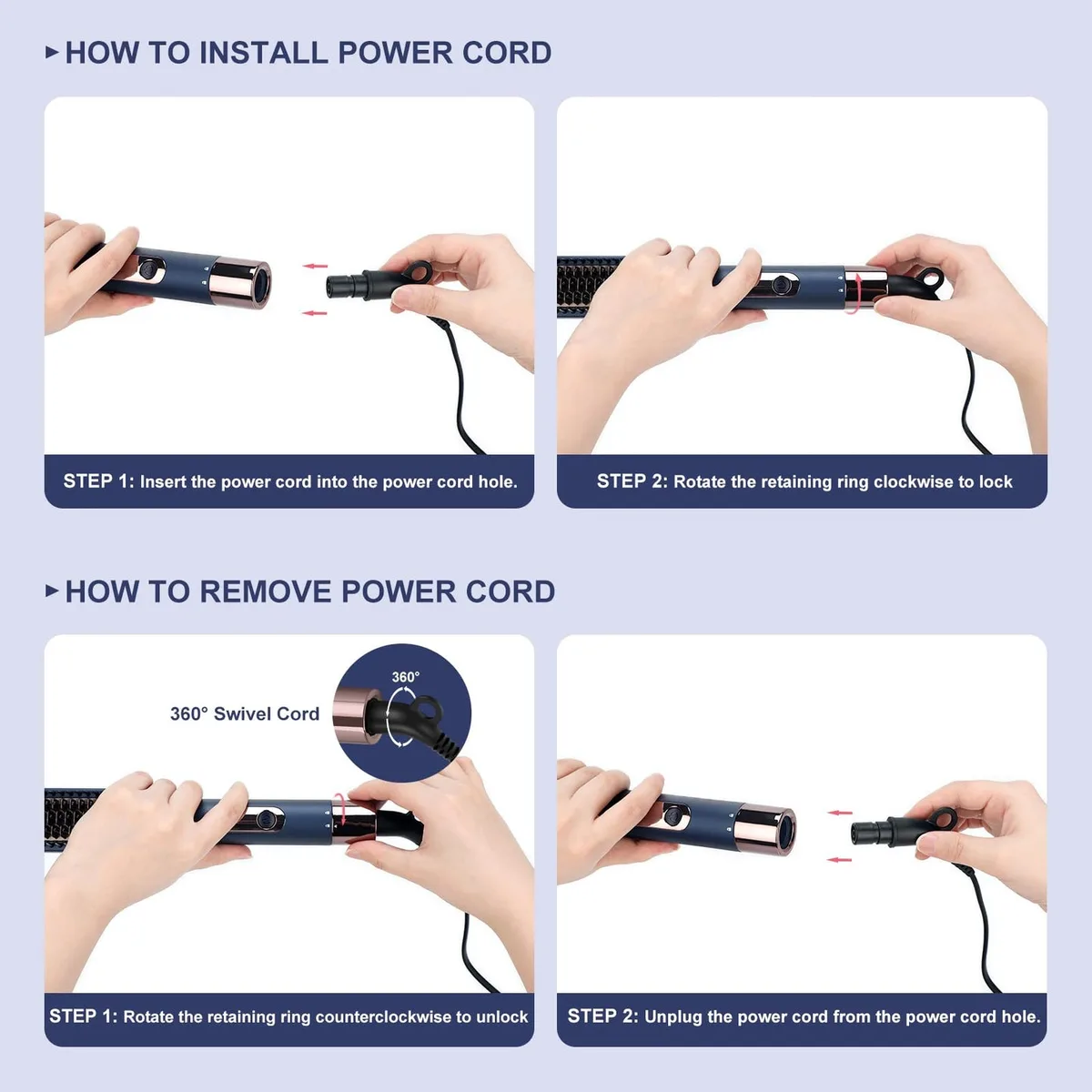
Image source: Bing (Web (fair-use with source credit))
How Often Do People Actually Replace Them?
While there’s no hard-and-fast rule, understanding typical replacement cycles can guide your decision. Aggregate user feedback and manufacturer guidance suggest a general timeframe, but your habits are the biggest variable.
The Daily User's Timeline
If you're someone who reaches for your hair straightener every single day, you're putting it through its paces. Daily use means more heat cycles and more physical manipulation, leading to faster wear and tear. For consistent daily users, it’s common to see a lifespan of 2 to 3 years before performance noticeably degrades or safety concerns arise.
This timeline assumes you're using a quality tool and performing basic maintenance. Pushing a straightener past this point, especially if you notice any of the warning signs, can lead to increased hair damage and a frustrating styling experience.
The Occasional Stylist's Guide
On the flip side, if you use your hair straightener only a few times a month, or perhaps just for special occasions, it will naturally last much longer. For these users, a good quality straightener can often provide reliable service for 5 to 7 years, or even longer.
The key here is consistent care and avoiding the temptation to keep using a tool that's starting to show subtle signs of age. Even with infrequent use, if the plates become scratched or the heating becomes inconsistent, it’s still a good time to consider an upgrade for the sake of your hair's health.
How You Use and Care for It Matters Most
Your straightener’s longevity is heavily influenced by two main factors: how you use it and how you maintain it. These aren't just minor details; they can literally double or halve its effective lifespan.
Heat Settings and Hair Type Impact
The temperature you use directly affects the stress on your straightener's components. Higher heat settings put more strain on the heating element and can degrade plate coatings faster.
- High Heat Users: If you have thick, coarse, or very curly hair, you might rely on the highest heat settings. This intensive use can shorten the lifespan of your straightener, potentially to around 2-3 years even with good care.
- Lower Heat Users: Those with fine, thin, or easily styled hair can often achieve great results with medium or even lower heat settings. This gentler approach helps preserve the straightener’s internal components and plate integrity, contributing to a longer lifespan, closer to 4-5 years or more.
The Power of a Clean Straightener
Product build-up is a silent killer of hair straightener performance and longevity. Residues from hairsprays, serums, heat protectants, and styling creams can accumulate on the plates.
- Affects Performance: This build-up can cause the plates to stick or glide unevenly, leading to hair snagging. It also interferes with even heat distribution, making styling less effective.
- Degrades Plates: Over time, this residue can actually degrade the surface of the plates, especially if they have a special coating. Regularly wiping down the plates with a soft, damp cloth (after the tool has cooled, of course!) after each use is a simple but incredibly effective maintenance step. This simple habit can significantly extend the life and performance of your straightener.
What Happens If You Keep Using a Bad Straightener?
Continuing to use a damaged or failing hair straightener can lead to a cascade of problems, impacting both your hair's health and your styling efforts. It's not just about getting a less-than-perfect look; there are genuine risks involved.
If the plates are scratched or the coating is peeling, your hair can get snagged and broken, leading to split ends and a frizzy appearance. Uneven heating means you might have to go over sections of hair multiple times to achieve a smooth finish, which exposes your strands to excessive heat and damage. This can result in dryness, brittleness, and a loss of shine over time.
Making the Call: Your Straightener Replacement Checklist
Deciding to replace your hair straightener often comes down to a simple evaluation of its condition against its original performance. Think of this as a final check before you commit to a new tool. If your current straightener ticks enough boxes on the "problem" side, it's likely time for an upgrade.
Consider these questions:
- Does it heat up properly and maintain temperature? If it's slow, uneven, or doesn't get hot enough, it’s a major issue.
- Are the plates smooth and free of visible damage? Scratches, chips, or peeling coatings are deal-breakers.
- Is the power cord intact and safe? Any fraying or exposed wires mean immediate replacement.
- Does it still style your hair effectively and without snagging? If you're struggling to get results or pulling hair, it’s time.
If you answered "no" to any of these, especially regarding plate condition or cord safety, then the answer to "how often should I replace a hair straightener?" is now. Investing in a new, functional tool is an investment in your hair's long-term health.
Frequently Asked Questions About Straightener Lifespans
How long does a good quality hair straightener typically last?
A good quality hair straightener, when used moderately (3-5 times per week) and maintained properly, generally lasts between 3 to 5 years. However, heavy daily use can reduce this lifespan to 2-3 years, while very light use might extend it to 5-7 years or more.
What are the first signs my straightener might be failing?
The first signs often include inconsistent heating, taking longer than usual to heat up, or a noticeable drop in styling effectiveness. You might also start to see minor imperfections like small scratches on the plates.
Can I repair a damaged hair straightener instead of replacing it?
Generally, no. Minor issues like product build-up can be cleaned, but physical damage to plates, internal heating element failures, or cord damage are usually not repairable and pose safety risks. It’s safer and more effective to replace a damaged unit.
Is it safe to use a straightener with a frayed cord?
Absolutely not. A frayed or damaged power cord is a significant electrical hazard and can lead to shocks or fires. You should stop using the appliance immediately and replace it if the cord is compromised in any way.
How does storing my straightener affect its lifespan?
Proper storage helps. Keeping your straightener in a heat-resistant pouch or case, and avoiding coiling the cord too tightly around the unit, can prevent damage to the plates and cord over time. Letting it cool completely before storing is also key.