What Is the Best Hair Care Routine for Dry Hair?
What is the best hair care routine for dry hair? If your hair feels rough, looks dull, and is prone to breakage, you're likely dealing with dryness. Finding the right routine can transform your strands from brittle to beautifully soft and manageable.
In our research, we've found that an effective dry hair strategy focuses on replenishing lost moisture and preventing further dehydration. For example, manufacturer specifications for many high-quality moisturizing shampoos indicate a pH balance between 4.5 and 5.5, ideal for maintaining hair's natural integrity. Let's break down how to build that routine.
Understanding Your Dry Hair: What's Really Going On?
Dry hair happens when your scalp doesn't produce enough natural oils (sebum) to adequately moisturize your hair, or when your hair loses its natural moisture due to damage or environmental factors. This lack of hydration can leave your hair feeling brittle, rough, and looking dull. It's a common issue, but understanding the root causes is the first step to tackling it effectively.
What Makes Hair Dry? Signs You Have It
You'll know dry hair when you feel and see it. It often lacks shine and can feel rough to the touch, like straw. Breakage is a major sign, where hair snaps easily when brushed or styled.
Frizz is also very common, as dry hair strands try to absorb moisture from the humid air, causing them to swell and look unruly.
Common indicators include:
- A rough, straw-like texture.
- Lack of natural shine or luster.
- Increased frizz, especially in humid conditions.
- Hair that snaps or breaks easily.
- Split ends that appear more frequently.
- A scalp that might feel dry, itchy, or flaky.
Is Your Hair Porous? Texture Matters
The way your hair absorbs and retains moisture is largely determined by its porosity and texture. Porosity refers to how open your hair's cuticle (the outer layer) is, affecting how easily moisture gets in and out. Hair texture, on the other hand, describes the diameter of an individual strand, fine, medium, or coarse.
- Low Porosity: Cuticles are tightly closed, making it hard for moisture to penetrate but also good at retaining it once it's in. Products can build up easily.
- Medium Porosity: Cuticles are moderately open, allowing moisture in and out at a balanced rate. This is often considered the "ideal" porosity.
- High Porosity: Cuticles are raised or damaged, allowing moisture to enter easily but also escape quickly, leading to rapid drying and frizz.
Understanding your hair's porosity and texture is crucial because it dictates which products and methods will be most effective. For instance, someone with high porosity might benefit from heavier oils and creams to seal moisture in, while someone with low porosity might need lighter, water-based products to avoid buildup.
Your Personal Dry Hair Assessment: Key Questions to Ask
Before you start changing products or routines, it's helpful to pause and assess your current hair situation. Think about how your hair behaves day-to-day and what your biggest challenges are. This self-assessment will guide you toward the most effective solutions, rather than just randomly trying new things.
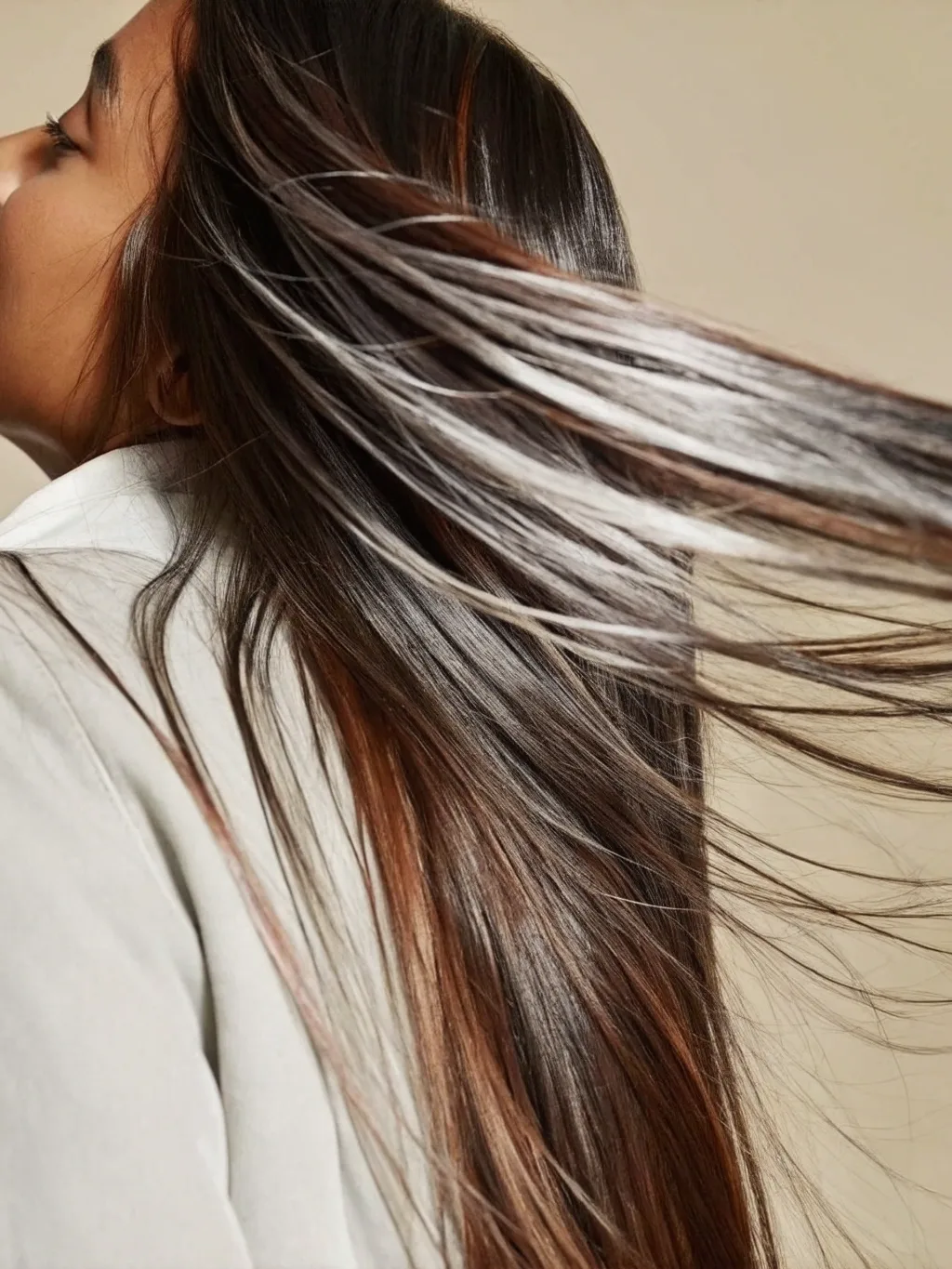
Image source: Bing (Web (fair-use with source credit))
By answering a few key questions, you can start to pinpoint exactly what your dry hair needs most. This is the foundation of building a routine that truly works for you. It’s about tailoring your approach, not following a generic plan.
Is Your Hair Porous? Texture Matters
To gauge your hair's porosity, you can try a simple floating test. Take a clean, dry strand of hair and drop it into a glass of room-temperature water. Let it sit for about two to four minutes.
If the strand floats on top, you likely have low porosity. If it sinks slowly or stays in the middle, it’s medium porosity. If it sinks quickly to the bottom, you probably have high porosity.
When it comes to texture, you can feel a single strand between your fingertips. Fine hair feels thin, almost like silk. Medium hair feels like standard thread.
Coarse hair feels thick and wiry. Knowing this helps you select products with the right weight and consistency. A fine-textured, low-porosity hair type will need different treatment than a coarse-textured, high-porosity type.
Building Your Hydration Routine: The Essential Steps
Creating an effective routine for dry hair centers on a few core principles: adding moisture, retaining it, and minimizing anything that strips it away. This means being mindful of both the products you use and how you handle your hair throughout the day. It’s a consistent effort, but the results are well worth it.
The goal is to create a cycle of hydration, where each step supports the next, leading to healthier, more resilient hair. Think of it as a targeted effort to replenish what your hair is lacking.
Washing Wisely: Shampoo and Frequency
Washing your hair too often is one of the biggest culprits behind dryness. Every wash can strip away natural oils. For most people with dry hair, washing 2-3 times a week is ideal.
If your scalp gets oily quickly, you might need to wash more, but focus on using the right shampoo.
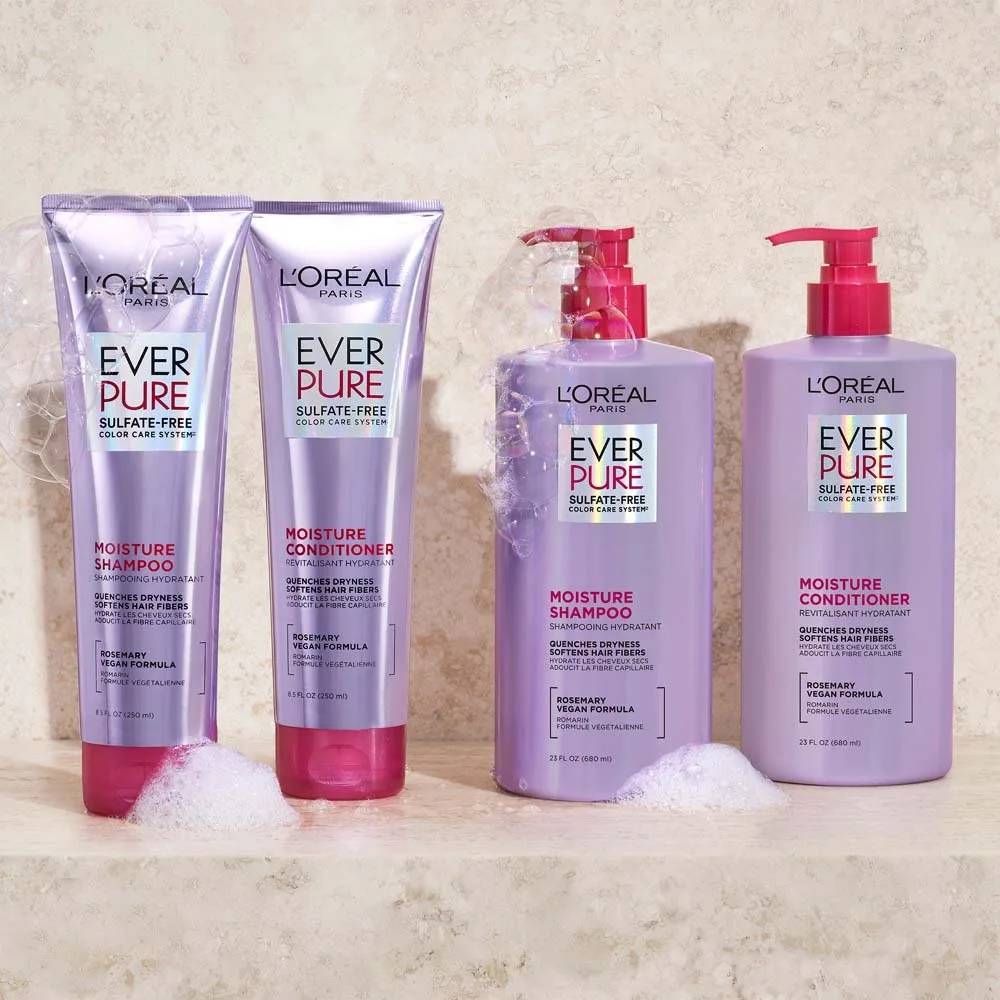
Image source: Bing (Web (fair-use with source credit))
Look for shampoos specifically labeled as "moisturizing," "hydrating," or "for dry hair." Crucially, opt for sulfate-free formulas. Sulfates are harsh detergents that create a lot of lather but can be very drying. Instead, these gentle shampoos use milder cleansing agents that clean your hair without stripping it bare.
When shampooing, concentrate on your scalp, letting the suds run down the length of your hair to clean it.
Conditioning Power: From Rinse-Out to Leave-In
Conditioner is your best friend when you have dry hair. After shampooing, always apply a hydrating conditioner. Focus its application from the mid-lengths of your hair down to the ends, as these areas are typically the driest and most prone to damage.
- Rinse-out Conditioner: Use this after every wash to rehydrate and detangle. Let it sit for a minute or two before rinsing.
- Leave-in Conditioner: This is a game-changer for dry hair. Applied to damp hair after washing, it provides continuous moisture throughout the day without needing to be rinsed out. It helps with detangling, reduces frizz, and adds a layer of protection.
For many, a leave-in conditioner is the secret weapon for combating dryness and flyaways between washes. It acts as a protective barrier, helping to seal in moisture.
Deep Treatments: Weekly Masks and Oils
Beyond your daily conditioner, incorporating weekly deep conditioning treatments is essential for truly revitalizing dry hair. Hair masks, also known as deep conditioners, are more concentrated formulas designed to deliver intense hydration and nourishment. They often contain richer ingredients like shea butter, natural oils, and specialized emollients that penetrate the hair shaft more effectively.
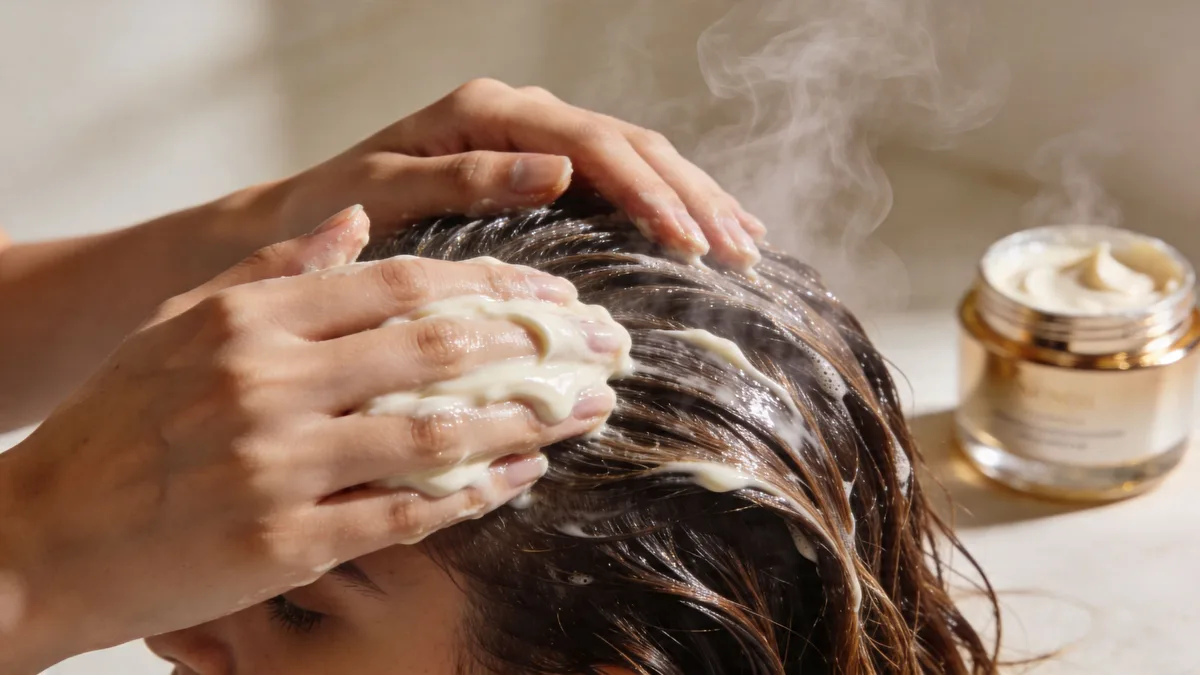
Image source: Bing (Web (fair-use with source credit))
Apply a generous amount to clean, damp hair, ensuring even distribution from root to tip. You can cover your hair with a shower cap and even apply gentle heat (like a warm towel) to help the mask penetrate better. Leave it on for at least 15-30 minutes, or as directed by the product.
You can also incorporate nourishing hair oils into your routine. Oils like argan, jojoba, or coconut oil can be used as pre-shampoo treatments (applied to dry hair for 30 minutes before washing), or a few drops can be smoothed onto damp or dry hair to add shine and combat frizz.
Drying and Styling: Gentle Techniques
How you dry and style your hair can make a significant difference in managing dryness. Rough towel-drying can cause friction, leading to frizz and breakage. Instead, gently squeeze out excess water with your hands, then blot your hair with a soft microfiber towel or a clean cotton t-shirt.
Avoid vigorously rubbing your hair.
When it comes to styling, always apply a heat protectant spray before using any hot tools like blow dryers, straighteners, or curling irons. These products create a barrier that shields your hair from the damaging effects of high heat. Whenever possible, air dry your hair or use a blow dryer on a cool or medium setting with a diffuser attachment.
This helps distribute heat more evenly and reduces direct exposure to intense heat.
For styles that require heat, try to limit your use to once or twice a week at most. Using wider-tooth combs or brushes designed for detangling can also minimize stress on your hair. When brushing, always start from the ends and work your way up to the roots to gently loosen knots, rather than pulling through tangles from the top, which can cause breakage.
Common Dry Hair Mistakes to Steer Clear Of
Even with the best intentions, some common habits can actually make your dry hair situation worse. Recognizing these pitfalls is just as important as knowing what to do. They often stem from not fully understanding how to care for moisture-depleted strands, leading to frustration and continued damage.
Over-Washing and Harsh Ingredients
Washing your hair daily or using shampoos with sulfates is a major mistake for dry hair. Sulfates are powerful surfactants that strip away not only dirt but also the natural oils your hair desperately needs to stay hydrated. This leaves your hair feeling stripped, dry, and prone to frizz.
If you find yourself needing to wash frequently, try co-washing (washing with conditioner only) or using a sulfate-free moisturizing shampoo more sparingly.
Many regular shampoos contain ingredients like Sodium Lauryl Sulfate (SLS) and Sodium Laureth Sulfate (SLES). These can be too aggressive for dry hair types. Another common culprit is alcohol-based ingredients found in some styling products, which can dry out hair further.
Always check ingredient lists for these harsh components.
Heat Styling Habits
Excessive use of hot styling tools like blow dryers, flat irons, and curling irons can severely damage dry hair. The high heat evaporates moisture from the hair shaft, making it brittle and susceptible to breakage. Even if you use a heat protectant, prolonged exposure to high temperatures will still cause damage over time.
If you must use heat, always apply a quality heat protectant spray beforehand. Manufacturer specifications for many heat protectants indicate they can shield hair up to certain temperatures, often around 400°F (204°C). However, it's best to use the lowest effective heat setting and limit styling sessions.
Air drying or using cooler settings on your blow dryer whenever possible is a much kinder approach to your dry hair. Letting your hair air dry completely before styling can also help prevent damage.
Choosing the Right Products for Dry Hair
Selecting the right products is fundamental to managing dry hair. It's not just about picking anything labeled "for dry hair," but understanding the ingredients that truly benefit your strands and those that can cause further issues. Think of it as being a smart shopper for your hair's well-being.
The market is flooded with options, but focusing on key ingredients can simplify your choices and lead to better results. This targeted approach ensures you're feeding your hair what it needs to thrive.
Key Ingredients to Look For (and Avoid)
When you're scanning product labels, keep an eye out for these beneficial ingredients:
- Humectants: These ingredients attract moisture from the air to your hair. Glycerin and hyaluronic acid are common examples.
- Emollients: These smooth and soften the hair. Think shea butter, avocado oil, argan oil, jojoba oil, and coconut oil.
- Natural Oils: Various oils like olive oil, almond oil, and sunflower seed oil can provide deep conditioning and shine.
- Fatty Acids: Ingredients like cetyl alcohol or stearyl alcohol are fatty alcohols that are moisturizing, not drying like simpler alcohols.
On the flip side, be wary of ingredients that can strip moisture or cause buildup:
- Sulfates: As mentioned, these are harsh detergents.
- Drying Alcohols: Such as SD alcohol, denatured alcohol, or isopropyl alcohol, often found in styling products.
- Silicones (optional avoidance): While silicones can provide temporary shine and smoothness by coating the hair, some people find they build up over time, preventing moisture from penetrating. If you use them, ensure you use a clarifying shampoo occasionally.
By understanding these components, you can make informed decisions that truly support your hair's hydration needs.
Frequently Asked Questions About Dry Hair Routines
Navigating dry hair care can bring up many questions. Here, we address some of the most common ones to help you feel more confident in your routine.
How often should I wash my dry hair?
For most individuals with dry hair, washing 2-3 times per week is sufficient. Over-washing strips your scalp and hair of natural oils, which are crucial for maintaining moisture. If you experience significant oiliness, consider using a sulfate-free moisturizing shampoo or trying co-washing (washing with conditioner only) on non-shampoo days.
Can I use protein treatments on dry hair?
Yes, but with caution and moderation. Protein treatments, like those containing keratin, can help strengthen dry, damaged hair by filling in gaps in the hair cuticle. However, too much protein can make hair stiff and brittle, which can exacerbate dryness and breakage.
Pay attention to how your hair responds. If it feels harder or more prone to snapping, reduce the frequency of protein treatments. A balanced routine that prioritizes moisture is usually best for dry hair types.
My hair still feels dry even with a routine, what's wrong?
If your hair remains dry despite a consistent routine, several factors could be at play. You might be using products with drying ingredients, washing too frequently, or not using deep conditioning treatments often enough. Consider your hair's porosity and texture, perhaps the products you're using are too heavy or too light.
Environmental factors like dry weather or hard water can also contribute. It might also be beneficial to consult with a stylist or trichologist to pinpoint the exact cause and get personalized recommendations. Sometimes, a slight adjustment to your routine or product ingredients is all that's needed.