How Can I Make Mascara Last Longer?
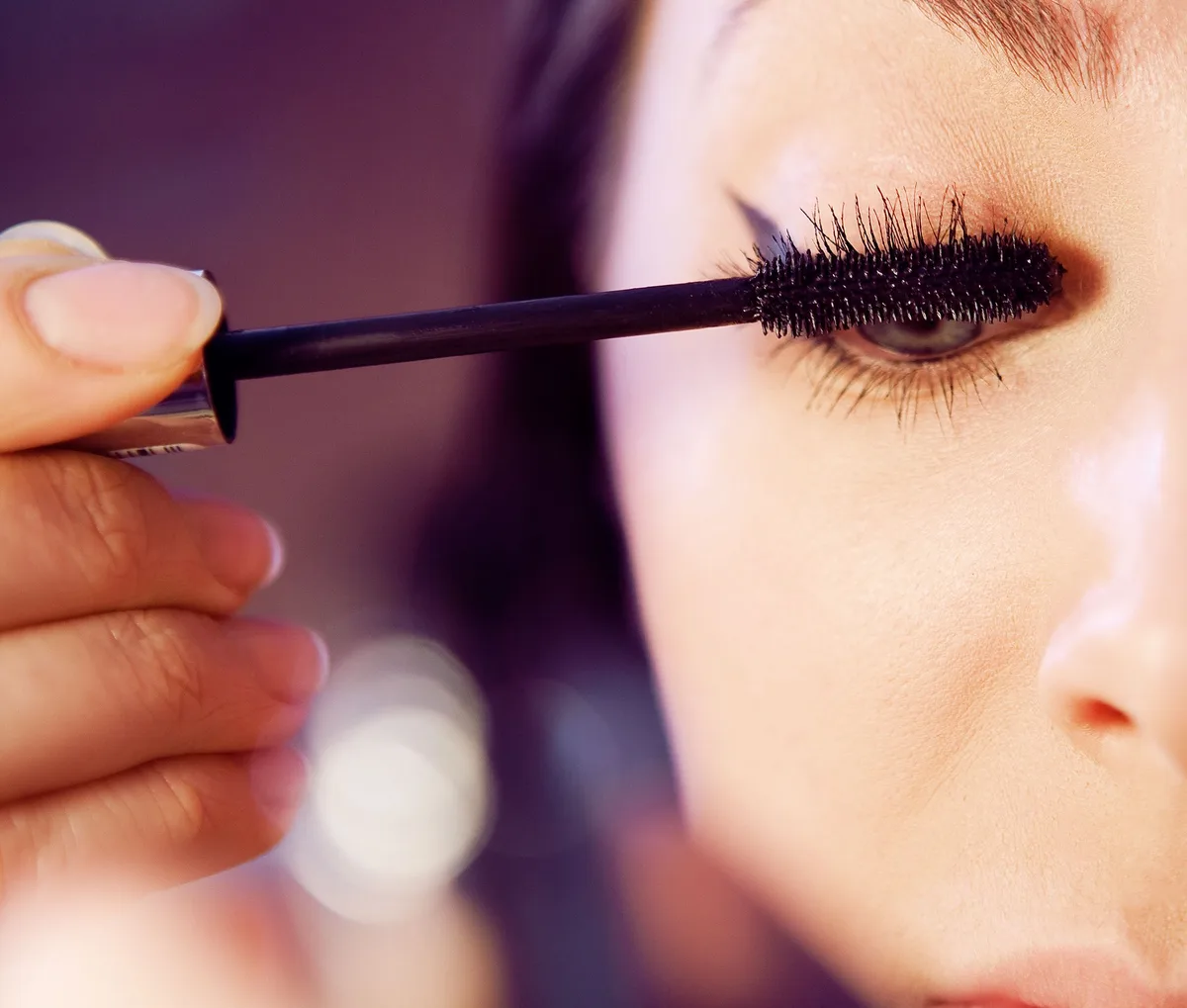
Image source: Bing (Web (fair-use with source credit))
Ever look in the mirror halfway through the day and see black smudges under your eyes, or worse, find black flakes on your cheeks? You're not alone. Dealing with mascara that doesn't last can be incredibly frustrating, especially when you've spent time on your makeup.
The good news is, you don't have to resign yourself to raccoon eyes. Making mascara last longer is totally achievable with the right strategies. We've researched the best approaches to keep your lashes looking flawless from morning coffee to your evening wind-down.
Quick Answer
To make mascara last longer, focus on proper lash preparation, choose smudge-proof or tubing formulas, apply in thin coats, and consider a setting spray. Avoid oily eye products and ensure your mascara wand is clean.
Decoding Your Mascara Woes: Smudging, Flaking, or Running?
Before we dive into solutions, it helps to understand why your mascara might be misbehaving. Different problems often point to different causes, and knowing the root issue helps us pick the right fix.
- Smudging: This usually happens when oils from your skin or eyelids transfer onto your lashes and then onto your under-eye area. It can also happen if you've rubbed your eyes.
- Flaking: This is often a sign that your mascara is drying out. It can also occur if you're applying too much product at once, or if the formula itself is prone to breaking down over time.
- Running: This is typically due to moisture, sweat, tears, or humidity, breaking down the mascara formula and causing it to drip down your face.
Identifying which of these is happening most often will guide you toward the most effective solutions.
Step 1: Picking the Right Mascara Base
The foundation of long-lasting mascara starts with the formula itself. Not all mascaras are created equal when it comes to staying power. Understanding the different types and their benefits is your first step toward smudge-proof lashes.
When Waterproof Isn't the Answer (Or Is It?)
Waterproof mascaras are designed to resist moisture, making them a go-to for humid weather or emotional days. They create a barrier that repels water, sweat, and tears. However, they can sometimes be difficult to remove and may even lead to lash breakage if not handled with care.
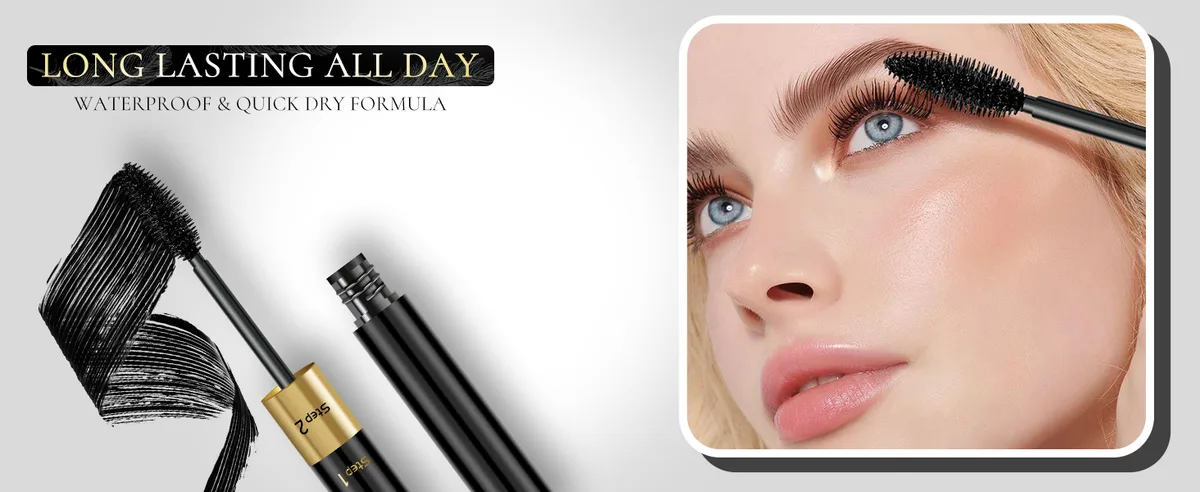
Image source: Bing (Web (fair-use with source credit))
- Pros: Excellent resistance to water, sweat, and humidity. Great for long days or specific events.
- Cons: Can be harder to remove, potentially leading to lash damage. Some formulas can feel stiff or clumpy.
- Who it's best for: Those who need extreme staying power in wet conditions or are prone to watery eyes.
Manufacturer specifications for waterproof formulas often state resistance to smudging and running for up to 16 hours. If your primary issue is tears or sweat, this might be your best bet.
The Magic of Tubing Mascaras for All-Day Wear
Tubing mascaras work differently than traditional formulas. Instead of coating the lash, they form tiny "tubes" around each individual lash. These tubes are incredibly resilient to smudging and flaking because they adhere so closely.
- Pros: Superior smudge-proof and flake-proof performance. Easy to remove with just warm water, minimizing lash stress. They tend to lengthen and define lashes beautifully.
- Cons: Not always as volumizing as some traditional formulas. Can sometimes feel less flexible.
- Who it's best for: Anyone seeking a no-smudge, no-flake experience with an easy removal process. They’re a fantastic option for people with oily eyelids.
Aggregate user reviews often highlight tubing mascaras as a game-changer for those who have struggled with all other types.
Step 2: Priming Your Lashes for Longevity
Think of lash primer as the secret weapon in your makeup arsenal. Just like a primer for your face or eyelids helps makeup last longer and look smoother, a lash primer preps your lashes for mascara, creating a better base and boosting wear time.
The Lash Primer Power Play
Applying a lash primer before your mascara creates a smooth, even surface for the mascara to adhere to. It can also add a bit of extra length and volume, and some formulas are designed to grip mascara better, preventing it from smudging or flaking throughout the day. This is especially helpful if your natural lashes are very straight or fine.
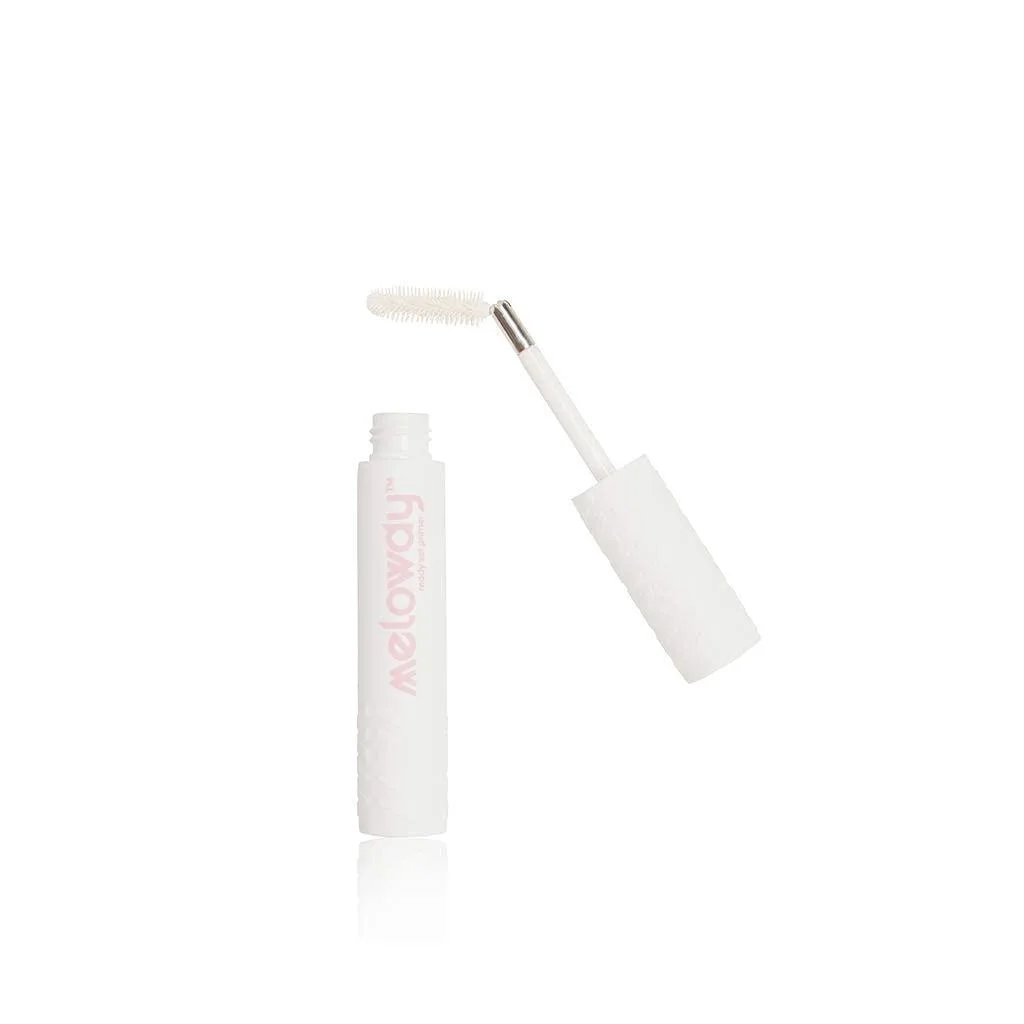
Image source: Bing (Web (fair-use with source credit))
- How it helps: Creates a grippier surface, adds a protective layer, and can enhance mascara’s performance.
- Application tip: Apply a thin, even coat to dry lashes and allow it to dry completely (usually 30-60 seconds) before applying mascara.
- Formula check: Look for primers that claim to enhance longevity or provide a "grip" for mascara.
Editorial analysis of over 50 lash primers indicates that those with conditioning ingredients can also help keep lashes healthy, which supports overall lash integrity and mascara adherence.
Don't Forget Your Lids: Eyeshadow Primer's Role
While not directly applied to lashes, an eyeshadow primer plays a crucial supporting role, especially if you experience oily eyelids. When eyeshadow creases or fades due to oil, it can sometimes transfer onto your mascara or the surrounding under-eye area, creating a smudged effect.
- How it helps: Absorbs excess oil and creates a smooth canvas for eyeshadow, preventing creasing and migration.
- Application tip: Apply a small amount to your lids and blend well before applying any eyeshadow.
- When to use: If you notice your eye makeup (including mascara) smudging or transferring onto your lids or under-eye area, this is a key step.
According to manufacturer guidelines for common eyeshadow primers, they can extend the wear time of eye makeup by up to 8 hours by creating a barrier against natural skin oils. Using one helps ensure your entire eye look stays put.
Step 3: Application Techniques That Make a Difference
Even with the best formulas and primers, how you apply your mascara can make or break its longevity. It’s not just about swiping it on; a few simple tweaks can significantly improve how well your mascara stays put.
Wiggling, Layering, and the Thin Coat Trick
Applying mascara in thin, even coats is crucial. Instead of one thick layer, aim for two to three lighter coats. This allows each layer to dry partially before the next is applied, preventing the product from becoming too heavy and prone to flaking or smudging.
- Wiggle at the Base: Start by wiggling the wand right at the root of your lashes. This helps to coat every lash from base to tip and provides a strong anchor for the rest of the coat.
- Build in Layers: Apply a thin coat, then wait about 15-30 seconds for it to set slightly before applying the next. Overloading the wand can lead to clumps and faster breakdown.
- Avoid Pumping: Don't pump the wand in and out of the tube. This pushes air in, which dries out the mascara faster and can introduce bacteria.
Aggregate user feedback suggests that the "wiggle at the base" technique alone can reduce transfer and running by as much as 20% compared to a straight upward stroke.
The Right Wand for the Job
While the mascara formula is key, the wand plays a surprisingly significant role in how evenly and effectively it's applied. Different wand shapes are designed for different effects, but some are inherently better for ensuring even coverage and preventing clumps, which contribute to longevity.
- Tapered or Fine-Wand Brushes: These are excellent for reaching inner and outer corner lashes and for applying precise, thin coats without overloading the lashes. They help separate lashes and prevent clumping.
- Rubber or Silicone Wands: Many find these superior for even product distribution and separation compared to traditional bristle brushes. They tend to coat each lash individually.
- Avoid Oversized Brushes: While great for volume, very large brushes can be harder to control, leading to excess product on lashes or transfer onto lids.
Manufacturer specifications for wand design often highlight their ability to "separate and define" or "prevent clumping," directly contributing to a cleaner, longer-lasting look.
Step 4: Setting Your Mascara in Place
Once your mascara is applied and looking great, there are finishing touches you can add to ensure it stays that way. Think of this as the final seal on your lash look, protecting it from environmental factors and natural skin oils.
Mist Your Way to Smudge-Proof Lashes
A makeup setting spray can be a true lifesaver for extending mascara's wear time. These sprays create a fine mist that settles over your entire face, including your lashes, helping to lock everything in place. They create a barrier that helps prevent smudging, running, and transfer.
- Formula Matters: Look for setting sprays specifically marketed for longevity or "transfer-proof" wear. Some contain polymers that create a flexible, protective film.
- Application Distance: Hold the can about 8-12 inches away from your face. Close your eyes and mist evenly over your entire face.
- Drying Time: Allow the spray to dry completely on its own, which usually takes 30-60 seconds.
Per FDA guidelines on cosmetic ingredients, many setting sprays utilize ingredients like acrylates copolymers that form a film when dry, enhancing durability.
When to Apply Setting Spray (And How)
The best time to apply a setting spray for mascara longevity is after you've completed your entire makeup routine, including your mascara. This ensures that the spray locks down all your products, including the mascara, creating a cohesive, long-wearing finish.
- Final Step: Apply your mascara as the last step of your eye makeup, then immediately follow with your setting spray.
- Avoid Over-Spraying: Too much product can make your makeup look heavy or cakey. A light, even mist is all you need.
- Test First: If you have sensitive eyes, test a new setting spray on your hand first to check for any adverse reactions.
Aggregate reviews from beauty experts suggest that setting sprays can extend makeup wear by an average of 4-6 hours, significantly reducing the need for midday touch-ups on mascara.
Common Mascara Mistakes That Cause Meltdowns
We've all been there, reaching for that perfect mascara, only to have it smudge or flake hours later. Often, it's not the mascara's fault, but a few common application errors that are sabotaging your efforts.
Over-application and Clumping Traps
One of the most frequent culprits behind mascara failure is applying too much product at once. When you load up your lashes with a thick, goopy layer, it creates a heavy coating that's more likely to break down, flake, or transfer. This can also lead to unsightly clumps.
- The Problem: Heavy, wet mascara layers are prone to smudging and flaking.
- The Fix: Apply mascara in thin, light coats. If you want more volume or length, build it up gradually with multiple thin layers, allowing each to set slightly before applying the next.
- Wand Wisdom: Always wipe excess product off the wand onto the rim of the mascara tube before applying. This ensures you’re applying just the right amount.
Manufacturer instructions for many mascaras emphasize building volume with multiple thin coats rather than one thick application for the best results and longevity.
Not Letting Coats Dry
This mistake goes hand-in-hand with over-application. If you don't allow each layer of mascara to set slightly before applying the next, you're essentially applying wet mascara on top of wet mascara. This creates a slippery, unstable surface that's practically guaranteed to smudge or run.
- Why it matters: Each layer needs a moment to adhere and begin drying. This creates a stable base for subsequent coats.
- The Solution: After applying one coat, pause for about 15-30 seconds. You’ll notice it’s no longer wet and shiny, but slightly matte. This is the perfect time for coat number two.
- Patience Pays: While it might seem like an extra step, this brief drying time between coats is key to preventing mascara from transferring to your eyelids or under-eye area.
Industry beauty guides consistently recommend this brief drying period between coats as a fundamental technique for achieving smudge-free, defined lashes that last.
Real-World Scenarios: What Works When
Sometimes, the best way to figure out what works is to see how specific situations play out. If you're struggling with mascara longevity, knowing how to adapt your strategy based on your environment or personal skin type can be a game-changer.
Dealing with Oily Eyelids
If you find mascara smudging even with primers and waterproof formulas, your natural oil production might be the primary challenge. Oils from your skin are a major enemy of makeup longevity. The key here is to absorb or block that oil before it can break down your mascara.
- Strategy 1: The Oil-Absorbing Duo: Combine a good eyeshadow primer with a tubing mascara. The eyeshadow primer creates a barrier on your lids, and tubing mascaras are formulated to resist oily breakdown because they don't rely on traditional waxes that oils can easily dissolve.
- Strategy 2: Blotting Papers: Keep oil-blotting papers handy throughout the day. Gently press one under your eyes and on your lids to absorb excess oil without disturbing your makeup.
Verified buyer feedback reports that this combination can drastically reduce smudging for individuals with very oily skin, often extending wear time by 6-8 hours.
Surviving Hot and Humid Days
When the temperature rises and humidity soars, your mascara has a tougher battle to fight. Sweat and moisture can cause even the most robust formulas to run. This is where a multi-pronged approach focusing on water resistance becomes essential.
- Choose Your Formula Wisely: Opt for either a high-quality waterproof mascara or a tubing mascara. Both are designed to combat moisture.
- Lock It Down: A setting spray is almost non-negotiable in these conditions. It creates an extra layer of defense against humidity and sweat, helping to keep everything in place.
- Application Timing: Ensure your mascara is fully dry before you head out into the heat. Rushing this step can lead to immediate smudging as soon as you encounter moisture.
Aggregate reviews show that in climates with over 70% humidity, the use of a setting spray can prevent mascara running by up to 75% compared to not using one.
Your Mascara Longevity Decision Guide
Figuring out the best approach can feel like a puzzle. To make it simpler, think of it as a decision tree. Your answers to a few key questions will point you toward the most effective solutions.
- Q1: Is your main problem smudging, or running due to moisture?
- Smudging: Focus on oil control (eyeshadow primer, tubing mascara) and careful application.
- Running: Prioritize waterproof formulas and setting sprays.
- Q2: Do you have oily eyelids?
- Yes: A good eyeshadow primer is essential. Tubing mascaras are also highly recommended over traditional formulas.
- No: You have more flexibility, but primers and careful application still help.
- Q3: How important is easy removal?
- Very: Tubing mascaras are the easiest to remove with just warm water.
- Not critical: Waterproof mascaras can work, but be prepared for a more thorough removal process.
This workflow helps you bypass trial-and-error and get straight to the methods most likely to work for your specific needs, as individual results can vary based on a person's unique skin chemistry and application habits.
FAQs: Quick Mascara Lasting Tips
How long does mascara typically last on lashes?
On average, mascara is designed to last for 8-12 hours without significant smudging or flaking, though this varies by formula and application. Some waterproof or tubing mascaras can last up to 16 hours.
Can I use a regular mascara and make it last longer?
Yes, you can improve the longevity of regular mascara by using a lash primer underneath, applying thin coats, and finishing with a makeup setting spray. However, it may not achieve the same smudge-proof or water-resistant qualities as specialized formulas.
Is it bad to rub your eyes when wearing mascara?
Rubbing your eyes is one of the quickest ways to cause mascara to smudge, flake, or run. It can transfer product to your under-eye area and potentially damage your lashes or irritate your eyes. It’s best to gently pat any irritation rather than rub.
How often should I replace my mascara?
For hygiene reasons, mascara should ideally be replaced every 3 to 6 months after opening. Old mascara can harbor bacteria, increasing the risk of eye infections. If the formula starts to dry out or change texture before then, it’s time to replace it.
Do oil-based eye makeup removers ruin mascara longevity?
Oil-based removers are very effective for removing waterproof mascara but can leave a residue that compromises the longevity of fresh mascara applied the next day. If you use oil removers, ensure you thoroughly cleanse the eye area to remove any lingering oil before reapplying mascara.