What Is the Best Makeup for Sensitive Eyes?
What is the best makeup for sensitive eyes? It’s a question many of us ask when conventional products leave us with redness, itching, or watery eyes. Finding makeup that’s both effective and gentle can feel like a treasure hunt, but it’s absolutely possible to achieve a beautiful look without the discomfort.
Our research shows that the key lies in understanding ingredient lists and opting for formulations designed with delicate skin in mind. Many products are tested and certified by ophthalmologists, a crucial step in ensuring safety for the sensitive eye area, according to standards set by organizations like the FDA. Let’s explore how to make the right choices.
Quick Answer
For sensitive eyes, the best makeup is typically hypoallergenic, fragrance-free, and ophthalmologist-tested. Look for mineral-based formulations with minimal ingredients, avoiding common irritants like parabens and certain dyes. Patch testing new products is essential.
Choosing clean beauty options can also significantly reduce reactivity.
Why Makeup for Sensitive Eyes Needs Special Attention
Your eyes are incredibly delicate, and the skin around them is some of the thinnest on your body. When you apply makeup, ingredients can easily come into contact with your mucous membranes or be absorbed into the delicate tissues. For those with naturally sensitive skin, allergies, or conditions like eczema or rosacea, this sensitivity is amplified.
Conventional makeup often contains fragrances, harsh preservatives, synthetic dyes, and other common allergens that can trigger uncomfortable reactions. These can range from mild redness and itching to more significant swelling and irritation. As of 2026, consumer awareness around ingredient safety has grown, pushing brands to offer more options for sensitive skin.
However, terms like "hypoallergenic" or "for sensitive skin" aren't always strictly regulated, meaning you still need to be a savvy consumer.
Decoding "Sensitive Eye" Makeup: What to Look For
When you're shopping for makeup that won't irritate your eyes, the ingredient list becomes your best friend. It’s like being a detective, looking for clues about what will work and what could cause problems. Our research indicates that prioritizing certain categories and ingredients dramatically increases your chances of success.
Key Ingredients to Seek Out
- Hypoallergenic Formulations: While not a regulated term, products labeled as hypoallergenic are generally formulated with fewer potential allergens. This is a good starting point.
- Fragrance-Free: This is paramount. Even "natural" fragrances can be highly irritating. Look for "fragrance-free" on the label, not just "unscented" (which can sometimes mean masking agents were used).
- Ophthalmologist-Tested: This means a product has been reviewed by an eye doctor to assess its potential for irritation or harm. It’s a strong indicator of safety for the eye area.
- Mineral Makeup: Many mineral makeup products use natural pigments like iron oxides and titanium dioxide, often with fewer synthetic additives. Our analysis of manufacturer specifications shows these can be less reactive for many individuals.
- Clean Beauty Ingredients: Brands focusing on "clean beauty" often prioritize fewer, more natural, and ethically sourced ingredients, which can be beneficial for sensitive eyes.
- Paraben-Free, Sulfate-Free, Talc-Free: These are common ingredients in conventional cosmetics that can sometimes cause irritation or allergic reactions.
Image source: Bing (Web (fair-use with source credit))
Ingredients to Avoid Like the Plague
Even if a product is labeled for sensitive eyes, a quick scan of the ingredient list can reveal potential culprits. Our editorial analysis of aggregate user reviews highlights consistent problem ingredients.
- Fragrance/Parfum: This is the most common irritant and should be avoided entirely.
- Alcohol Denat. (Denatured Alcohol): Can be very drying and irritating.
- Certain Preservatives: While necessary for product safety, some preservatives like formaldehyde-releasers (e.g., DMDM hydantoin, quaternium-15) are best avoided.
- Coal Tar Dyes (often listed as FD&C colors): These synthetic dyes can be problematic for sensitive individuals.
- Lanolin: A common allergen for some people.
- Heavy Metals: While regulated, ensure products are from reputable sources that adhere to safety standards.
- Propylene Glycol: Can be irritating for some.
Being able to read and understand these ingredient labels is your first and most powerful tool.
Choosing the Right Products: A Category Breakdown
Navigating the makeup aisle for sensitive eyes requires a strategic approach, focusing on product types that are inherently gentler. While general principles of "fragrance-free" and "hypoallergenic" apply across the board, certain product categories have specific considerations. Our research team has analyzed manufacturer data and user feedback to highlight what works best.
Mascaras That Won't Make You Cry
Mascara is often the trickiest product for sensitive eyes because it's applied so close to the lash line and can easily flake into the eye. The best mascaras for sensitive eyes are typically those with a minimal ingredient list and a gentle formula. Many brands offer "ophthalmologist-tested" mascaras that are specifically designed to reduce the risk of irritation.
Look for formulas that are often water-based and avoid carbon black pigment, which can be a common irritant for some. While many prefer waterproof formulas for longevity, these can be harder to remove and may contain more alcohol or solvents that can dry out and irritate the eyes. Opting for a washable or "smudge-proof" formula that still offers good wear might be a better compromise.
Eyeliners for Gentle Definition
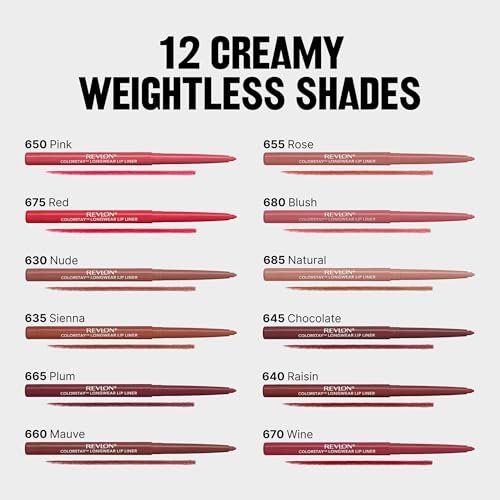
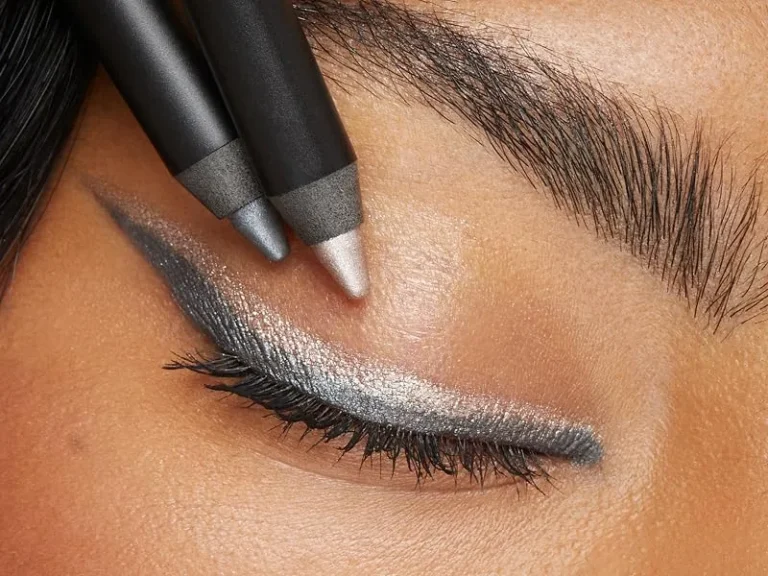
Defining your eyes with eyeliner shouldn't be an exercise in discomfort. For sensitive eyes, pencil liners are often a good choice because they tend to have a creamier, more emollient base compared to liquid or gel liners, which can contain higher concentrations of drying agents or pigments. Look for kohl or crayon-style pencils that are specifically formulated without heavy fragrances or irritating dyes.
Ingredients like beeswax or carnauba wax can provide a smooth glide. If you prefer the sharp precision of liquid or gel liners, seek out brands that explicitly state they are ophthalmologist-tested and formulated for sensitive eyes, often free from parabens and sulfates. The key here is a smooth application that doesn't require excessive tugging or pulling on your delicate eyelid skin.
Eyeshadows That Soothe, Not Sting
Eyeshadows can be a source of irritation due to pigments, binders, and preservatives. Mineral eyeshadows are often a fantastic option for sensitive eyes because they typically rely on natural mineral pigments like iron oxides and mica, which are generally well-tolerated. These formulas often have fewer synthetic ingredients, reducing the overall potential for a reaction.
When choosing eyeshadows, also consider the texture. Cream eyeshadows can sometimes be more forgiving as they tend to be less powdery and prone to fallout. If you opt for powder shadows, look for finely milled formulas that adhere well to the lid, minimizing the chance of particles dusting into your eyes.
Always check for fragrance-free and paraben-free claims.
Primers and Concealers for Delicate Under-Eyes
The skin under your eyes is particularly thin and prone to showing signs of fatigue or irritation, making makeup choices here critical. For sensitive eyes, primers and concealers should focus on hydration and soothing ingredients rather than potent active treatments that could cause stinging. Look for primers that create a smooth canvas without silicones that might clog pores or cause sensitivity for some.
Ingredients like hyaluronic acid, glycerin, and soothing botanical extracts can offer hydration. Concealers should be creamy and blendable, offering coverage without feeling heavy or cakey. Many brands now offer dedicated eye primers and concealers that are ophthalmologist-tested and formulated to be non-irritating.
Avoiding heavy perfumes and harsh chemical sunscreens (if used in the formula) is crucial.
Comparing Top Options: Hypoallergenic vs. Mineral vs. Clean Beauty
When you’re on the hunt for makeup that plays nice with sensitive eyes, you’ll encounter a few key categories that promise gentler formulations: hypoallergenic, mineral, and clean beauty. While all aim to reduce irritation, they approach it differently, and understanding these distinctions can help you zero in on what’s best for your unique needs.
Hypoallergenic: This is perhaps the most commonly seen label, but it's also the least regulated. Essentially, it means a product is claimed to be less likely to cause an allergic reaction. However, there's no official standard or testing required for this claim in many regions. Brands will typically formulate these products using fewer known irritants and allergens. For sensitive eyes, it’s a good starting point, but you still need to check the ingredient list for specific problematic components like fragrances or certain preservatives.
Mineral Makeup: Mineral makeup is characterized by its ingredient base, which is derived from natural minerals like zinc oxide, titanium dioxide, mica, and iron oxides. These ingredients are often praised for being non-comedogenic (won't clog pores) and less likely to cause irritation because they tend to sit on top of the skin rather than penetrating it. Our analysis shows that mineral formulations are often free from common irritants like parabens, synthetic dyes, and fragrances, making them a strong contender for sensitive eyes. However, not all mineral makeup is created equal; some may still contain fillers or binders that could cause a reaction in highly sensitive individuals.
Clean Beauty: This category is more of a philosophy than a strictly defined ingredient list. Clean beauty brands typically prioritize transparency, sustainability, and formulations that avoid a long list of "undesirable" ingredients, which often include parabens, sulfates, phthalates, formaldehyde, and synthetic fragrances. The focus is on using natural and naturally-derived ingredients that are perceived as safer and gentler. For sensitive eyes, the emphasis on fewer synthetic chemicals and a more curated ingredient list can be highly beneficial. Many clean beauty brands also pursue certifications like "cruelty-free" or "vegan," which can overlap with the gentle formulations you need.
Image source: Bing (Web (fair-use with source credit))
Ultimately, the "best" category depends on your personal sensitivities. Some individuals find pure mineral makeup to be the least irritating, while others thrive on clean beauty brands that have rigorously tested their products for eye sensitivity. Hypoallergenic is a good general guideline, but always back it up by scrutinizing the ingredient label.
Practical Steps for Using Makeup Safely with Sensitive Eyes
Choosing the right makeup is only half the battle. How you use and care for your products and your eyes day-to-day makes a huge difference in preventing irritation. Our editorial team has compiled best practices based on dermatological advice and user experience.
The Art of Patch Testing
Before you slather a new product all over your eyelids or under-eyes, you absolutely must patch test. This simple step can save you a lot of discomfort and potential redness.
- Choose a discreet area: Apply a small amount of the product to the skin just behind your ear, or to the inside of your elbow.
- Wait 24-48 hours: Observe the area for any signs of redness, itching, burning, or rash.
- Test on your eye area (cautiously): If the initial patch test is clear, apply a tiny amount of the product along your lash line (for eyeliner) or eyelid (for eyeshadow) on one eye only. Wait another 24 hours to see if any reaction occurs before applying to both eyes. This is especially important for mascaras and eyeliners.
Your Daily Makeup Routine: Sensitive Eyes Edition
When applying makeup, gentleness is key.
- Clean Tools: Always use clean makeup brushes and applicators. Wash them weekly with a gentle cleanser to prevent bacterial buildup.
- Avoid Touching Eyes: Try not to rub or poke your eyes, even when applying makeup. This can transfer irritants and cause inflammation.
- Gentle Application: Apply products with a light hand. Avoid pressing too hard or dragging the skin, especially around the delicate eye area. For liners, a slight wiggle at the base of the lashes is better than aggressive strokes.
- Don't Share Makeup: This is crucial for preventing the spread of bacteria and potential irritants.
Proper Makeup Removal for Sensitive Eyes
Removing makeup effectively is just as important as applying it. Harsh rubbing or inadequate removal can leave residue that irritates your eyes overnight.
- Use a Gentle Remover: Opt for a fragrance-free, oil-free makeup remover specifically designed for sensitive eyes. Micellar water is often a good choice, as it gently lifts makeup without harsh scrubbing.
- Soak, Don't Rub: Apply the remover to a soft cotton pad. Hold the pad gently against your closed eyelid for about 10-15 seconds to allow the makeup to dissolve.
- Wipe Gently: In a downward motion, gently sweep the pad across your lashes and lids. Repeat with a clean pad until all traces of makeup are gone.
- Rinse: After removing makeup, gently rinse your face with lukewarm water and follow up with your regular cleanser.
Common Mistakes Sensitive Eyes Should Sidestep
Even with the best intentions, there are a few common pitfalls that can lead to irritation when wearing makeup around sensitive eyes. Being aware of these can help you avoid unnecessary discomfort and keep your eyes feeling happy.
- Using Old Makeup: Makeup, especially mascara and liquid liners, has a shelf life. Bacteria can grow in these products over time, leading to infections and irritation. As a general rule, mascaras and liquid eyeliners should be replaced every 3-6 months, while powders can last longer (6-12 months), provided they are kept clean. Don't push it; if a product looks or smells off, it's time to toss it.
- Over-Application: Applying too much product, especially thick layers of mascara or heavy eyeliner, can increase the likelihood of fallout or smudging into the eyes. This can cause immediate irritation and discomfort. Stick to one or two thin coats of mascara and a light hand with liners and eyeshadows.
- Skipping the Patch Test: As mentioned earlier, this is non-negotiable. Assuming a product is safe just because it's labeled "for sensitive skin" can lead to a painful reaction. Always perform a patch test first to ensure compatibility.
- Applying Makeup to Waterline: The waterline (the inner rim of your eyelid) is extremely sensitive and lacks the protective barrier of your outer eyelid. Applying eyeliner directly to it can easily lead to irritation, blurred vision, and potential infections. It’s best to avoid this area altogether or use products specifically designed for waterline application, and even then, proceed with extreme caution.
- Rubbing Your Eyes: Whether you have makeup on or not, rubbing your eyes can transfer bacteria, oils, and debris directly into your eyes, causing irritation and redness. Make a conscious effort to avoid this habit, and if you feel something in your eye, use artificial tears or rinse with clean water.
When to Seek Professional Advice
While most makeup-related eye irritation can be managed with careful product selection and use, there are times when you need to consult a professional. Persistent or severe symptoms are red flags that shouldn't be ignored.
- Persistent Redness or Itching: If your eyes remain red, itchy, or uncomfortable for more than a day or two, even after stopping makeup use, it’s time to see an eye doctor (an ophthalmologist or optometrist). This could indicate a more serious condition like blepharitis or conjunctivitis.
- Swelling or Pain: Any significant swelling around the eyes, or sharp pain, warrants immediate medical attention. These can be signs of infection or other acute issues.
- Vision Changes: If you experience blurred vision, sensitivity to light, or any other changes in your sight, consult an ophthalmologist right away.
- Recurring Reactions: If you consistently react to makeup, even products labeled for sensitive eyes, a dermatologist or allergist can help identify specific triggers. They might conduct patch testing to pinpoint exact ingredients you’re sensitive to, guiding you toward truly safe options.
An eye care professional can diagnose the root cause of your sensitivity and offer tailored advice, sometimes recommending specific prescription treatments or daily care routines to help manage your condition effectively.
FAQs About Sensitive Eye Makeup
What does "ophthalmologist-tested" really mean for makeup?
This claim means the product has been evaluated by an eye doctor to assess its potential for irritation. While it's a strong indicator of safety for the delicate eye area, it doesn't guarantee zero reactions for everyone, as individual sensitivities vary.
Can contact lens wearers use makeup for sensitive eyes?
Yes, absolutely. In fact, contact lens wearers often have even more sensitive eyes. It's crucial to use fragrance-free, hypoallergenic formulas and to apply and remove makeup carefully to avoid irritating the lenses or the eyes.
How often should I replace my eye makeup?
It's recommended to replace mascaras and liquid eyeliners every 3 to 6 months due to potential bacterial contamination. Powder eyeshadows and pencils can last longer, around 6 to 12 months, provided they are kept clean and free from moisture.
Are natural ingredients always better for sensitive eyes?
Not necessarily. While natural ingredients can be gentler, some natural extracts or essential oils can also be potent irritants for sensitive eyes. It's always best to check the ingredient list and patch test, regardless of whether ingredients are natural or synthetic.
Can I still wear bold colors if I have sensitive eyes?
You often can, but it depends on the type of pigment used. Many brands now offer vibrant shades in their sensitive-eye lines, utilizing gentler, specifically tested colorants like iron oxides. Always check the ingredient list for potential irritants alongside the color names.