How Do I Choose Eyeshadow Colors?
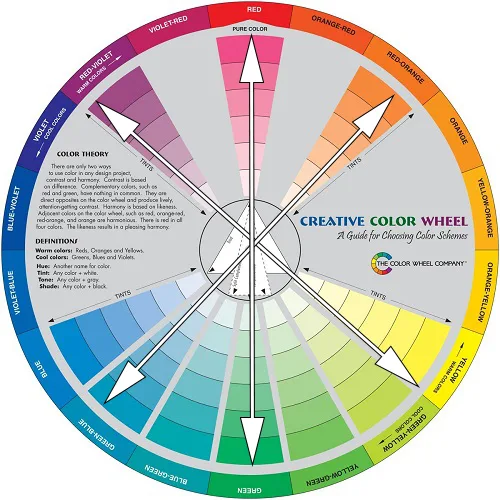
Image source: Bing (Web (fair-use with source credit))
Choosing the right eyeshadow colors can feel like a puzzle, but it doesn't have to be complicated. The key is understanding a few simple principles that work with your natural features and the occasion. Getting it right can truly elevate your entire look.
Our research indicates that by focusing on your unique skin tone and eye color, you can easily narrow down the best shades. According to cosmetic industry standards, selecting complementary or analogous colors often leads to the most harmonious results, avoiding common pitfalls like muddy or washed-out effects. We'll break down how to do just that.
Quick Answer
Choosing eyeshadow colors involves matching them to your eye color and skin tone's undertones. Warm undertones pair well with earthy tones, while cool undertones suit blues and purples. Consider the occasion for intensity.
Test shades in natural light to ensure they enhance, not clash.
Understanding the Basics: Color Theory and Your Features
The world of color might seem vast, but a little bit of color theory goes a long way in makeup. It's not about memorizing rules, but about understanding how certain hues interact with each other and with your personal coloring. When you get this right, your eyes just naturally pop.
How Colors Interact
Color theory teaches us about relationships between colors. Think of the color wheel: colors opposite each other are complementary and create high contrast, making each other stand out. For example, orange is opposite blue, so an orangey-brown eyeshadow can make blue eyes look more vibrant.
Colors next to each other on the wheel are analogous and create a softer, more blended look.
This understanding is crucial for picking eyeshadows that enhance your natural eye color rather than competing with it. It’s the foundation for making informed choices about shades that will make your eyes the star of the show.
Matching Eyeshadow to Your Eye Color
Your natural eye color is a fantastic starting point for choosing eyeshadow. Different shades can either bring out the flecks of color in your irises or create a beautiful contrast. It’s about accentuating what you already have.
- Blue Eyes: Think warm tones like coppers, bronzes, and warm browns. These shades provide a beautiful contrast and make blue eyes appear even more striking. Soft grays and even some purples can also be lovely.
- Green Eyes: Peachy tones, deep purples, and rich browns work wonders. A rose-gold shimmer can also make green eyes truly luminous. Avoid colors that are too close to green, as they can sometimes make eyes look muddy.
- Brown Eyes: You have the most versatility! Almost any color can look great on brown eyes. For a striking contrast, try blues and greens. For a softer look, go for neutral browns, grays, or even soft pinks and berries.
- Hazel Eyes: These eyes often have flecks of green, gold, and brown, meaning they can pull off a range of colors. Purples, bronzes, and deep greens are excellent choices for bringing out the different tones within hazel eyes.
Decoding Your Skin Tone: Undertones Matter
Your skin tone isn't just about being fair, medium, or deep; it's also about your undertone, which is the subtle hue that lies beneath the surface. Identifying your undertone is key to selecting makeup shades that look natural and flattering.
There are three main undertones:
- Warm Undertones: Your skin may have yellow, golden, or peachy hues. Veins on your wrist might appear greenish. Warm-toned individuals often look great in gold jewelry and colors like olive green, mustard yellow, and warm browns.
- Cool Undertones: Your skin may have pink, red, or bluish hues. Veins on your wrist might appear blue or purple. Cool-toned individuals usually shine in silver jewelry and colors such as icy blues, cool grays, and soft pinks.
- Neutral Undertones: You have a mix of warm and cool tones, or neither is dominant. Your veins might appear blue-green. People with neutral undertones can typically wear a wider range of colors, bridging both warm and cool palettes.
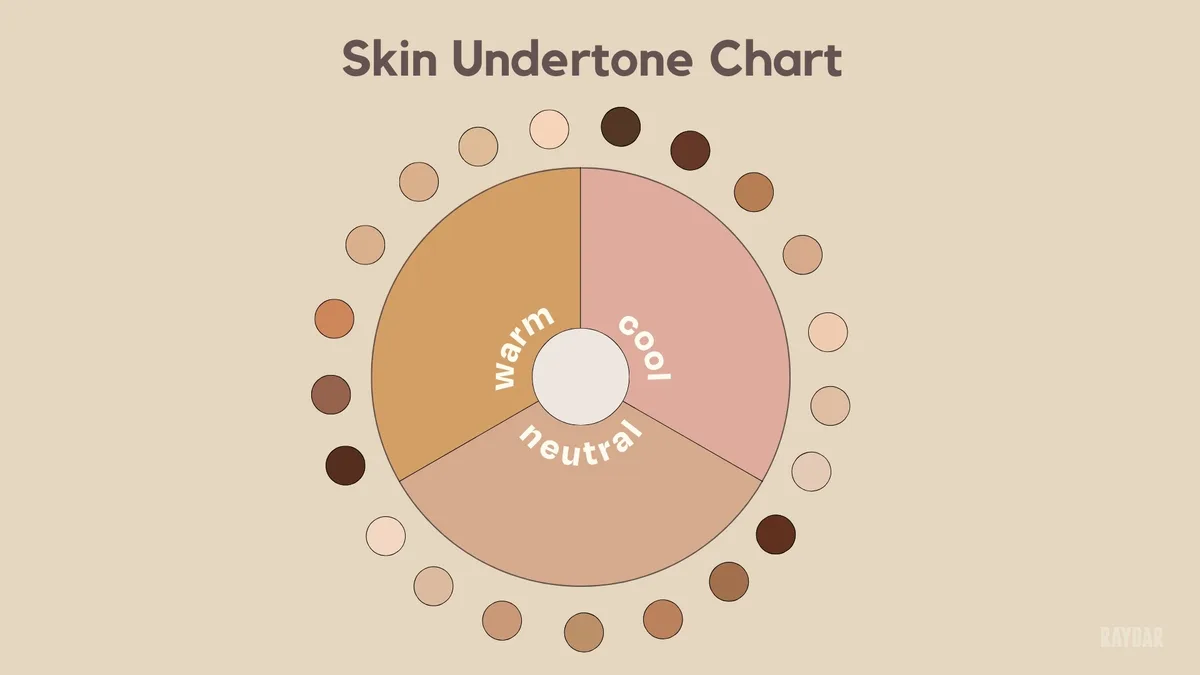
Knowing your undertone helps you choose eyeshadow shades that harmonize with your complexion, preventing colors from looking too harsh or artificial.
Your Personalized Color Palette: Finding Your Best Shades
Once you've got a handle on your eye color and skin undertone, you can start building a personalized eyeshadow palette that works specifically for you. It’s like tailoring your wardrobe, but for your eyes.
Warm Tones: Earthy Hues and Golden Glows
If you have warm undertones, you'll likely find yourself drawn to the richness of earth tones. Think about the colors found in nature: sandy beiges, warm browns, deep caramels, and burnt oranges. These shades beautifully complement the golden or peachy notes in your skin.
- For Eyes: Coppers, bronzes, and golden shimmers are fantastic. Warm taupes and muted olives can also create a sophisticated look. These colors enhance the natural warmth of your complexion.
- Consider: When you're choosing makeup like lipstick, shades in terracotta, peach, and warm nudes will likely be your go-to. Check out guides on best brown lipstick for inspiration.
Cool Tones: Icy Shades and Jewel Tones
For those with cool undertones, a palette of softer, cooler shades will likely be your best friend. Think about the colors of ice, snow, and twilight. These include shades of blue, purple, gray, and pink.
- For Eyes: Silvers, cool grays, and icy blues can be stunning. Dusty roses, mauves, and lavenders also work beautifully, especially for bringing out blue or green eyes. Jewel tones like sapphire and amethyst add a touch of drama.
- Consider: For lips, cool pinks, berry tones, and classic blue-reds often look fantastic. Exploring options for [best pink lipstick](https://bestacnetreat.com/best-pink- lipstick/) or [best red lipstick](https://bestacnetreat.com/best-red- lipstick/) can be a great starting point.
Neutral Tones: The Best of Both Worlds
If your undertone is neutral, you're in a lucky spot! You can often pull off colors from both the warm and cool families. This gives you a lot of flexibility and means you can experiment with a wider array of shades.
- For Eyes: You can easily wear shades like soft browns, rosy pinks, taupes, and even some muted greens or blues. The key is to find shades that feel balanced and don't lean too strongly into warm or cool territory unless you want a specific effect.
- Consider: When looking for lipsticks, you can often find flattering shades in both nude and pink families. Consider exploring [best nude lipstick](https://bestacnetreat.com/best-nude- lipstick/) shades that have a balanced base, or a [best clear lip gloss](https://bestacnetreat.com/best-clear- lip-gloss/) for a simple, universally flattering finish.
Choosing Colors for the Occasion
The context of where you're going and what you're doing plays a big role in the eyeshadow colors that are appropriate and flattering. What works for a casual brunch might not be ideal for a formal evening event.
Everyday Chic: Subtle and Natural Looks
For daily wear, most people lean towards subtle, understated colors that enhance their natural features without being overpowering. These shades help you look polished and put-together with minimal effort.
- Shades to Consider:
- Neutrals: Think soft browns, taupes, and creams. These are classic for a reason, offering a sophisticated base.
- Muted Pinks and Peaches: These add a touch of warmth and life to the eyes, looking very natural.
- Soft Grays: A gentle gray can be a fantastic alternative to brown for a cooler, understated look.
- Finish: Matte or satin finishes are usually preferred for everyday wear, as they look less dramatic than shimmer or glitter.
Making a Statement: Bold and Glamorous Occasions
When you want to turn heads or feel extra special, don't shy away from bolder colors and finishes. These are your opportunities to play with intensity and glamour.
- Shades to Consider:
- Jewel Tones: Emerald green, sapphire blue, amethyst purple, and ruby red can be incredibly impactful.
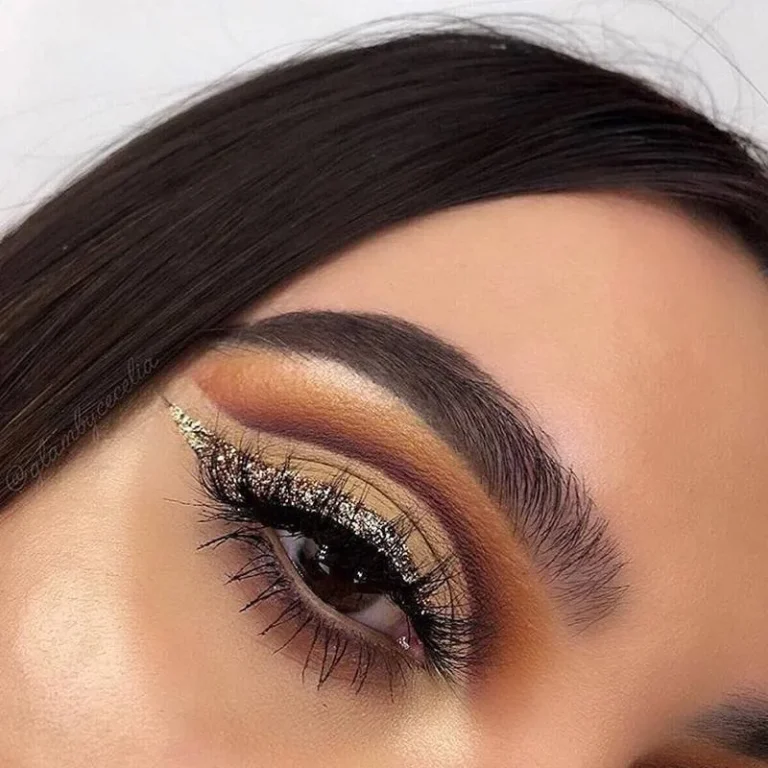
- Metallics: Golds, silvers, bronzes, and rose golds add instant glamour.
- Deep, Rich Colors: Burgundy, deep plum, and charcoal gray can create a dramatic, smoky effect.
- Finish: Shimmers, metallics, and even fine glitters can be fantastic for evening events or parties. Layering is key here to build intensity.
Professional Polish: Work-Appropriate Shades
For most professional environments, the goal is to look put-together and polished, not distracting. This means opting for colors that enhance your eyes subtly, projecting confidence and competence.
- Shades to Consider:
- Neutrals: As mentioned for everyday wear, a good range of browns, taupes, and creams is essential.
- Soft, Muted Tones: A gentle wash of rose, peach, or a subtle gray can be perfect.
- Matte Finishes: These are generally the safest bet for a professional setting as they appear more subtle than shimmery shades.
- Application: Keep the application clean and blended. A single wash of color or a simple two-shade look (a lid color and a crease color) is often ideal. If you're looking for long-lasting options for busy days, you might find [best long-lasting lipstick](https://bestacnetreat.com/best-long-lasting- lipstick/) helpful for overall makeup durability.
Smart Strategies: Avoiding Common Eyeshadow Mistakes
Even with the best intentions, sometimes eyeshadow choices don't quite hit the mark. Understanding common pitfalls can help you sidestep them and achieve the look you're aiming for.
When Colors Clash: What Not to Do
The most common clash happens when eyeshadow colors fight with your eye color or skin tone instead of complementing them. This can make your eyes look tired, unnatural, or simply “off.”
- Too Bright: Overly neon or extremely saturated colors can sometimes look harsh, especially if they don't align with your undertones.
- Mismatched Undertones: For example, wearing a very cool-toned eyeshadow over warm-toned skin, or vice versa, can create an unharmonious effect. A bright, cool-toned purple might look jarring on someone with very warm skin.
- Ignoring Eye Color: Using eyeshadow shades that are too similar to your natural eye color can make them appear washed out. For instance, wearing a pale, ashy shadow over light blue eyes might make them seem less vibrant.
The "Tired Eye" Trap: Shades to Use Sparingly
Certain shades, if not applied carefully or if they don't suit your coloring, can inadvertently make your eyes look droopy or tired.
- Ashy or Muddy Tones: These can lack depth and vibrancy, making the eyes appear dull. This is particularly true for cool-toned shades on very warm skin, or vice versa.
- Overly Pale or Chalky Shades: If not chosen carefully, these can wash out your natural eye color and the surrounding skin.
- Harsh Reds and Oranges: While some warm tones are beautiful, intensely unflattering shades of red or orange can sometimes create a look of redness or irritation around the eyes if not balanced well.
Blending Blunders: Achieving a Seamless Finish
Even if you pick the perfect colors, poor blending can ruin the overall effect. A well-blended look appears seamless, while unblended color can look stark and amateurish.
- No Transition: Applying a dark shade directly next to a light shade without a color in between to soften the edge creates a harsh line.
- Over-Blending: While blending is key, overdoing it can cause your colors to become muddy and indistinguishable, losing the intended definition.
- Using the Wrong Tools: Using a flat applicator for blending or a brush that's too stiff can make it difficult to get a smooth gradient.
Expert Tips for Next-Level Eye Looks
Once you've got the basics down, a few pro techniques can take your eyeshadow application from good to gorgeous. These are the little tricks that make a big difference in how your makeup looks and lasts.
Using Primer to Make Colors Pop
If you've ever felt like your eyeshadow colors don't show up as vibrantly as you'd hoped, or they fade quickly, an eyeshadow primer is your secret weapon. An eyeshadow primer is a base product applied to the eyelids before eyeshadow. It creates a smooth, even canvas for color application.
- How it Works: Primer typically neutralizes the natural color of your eyelid and provides a slightly tacky surface. This allows eyeshadow pigments to adhere more effectively.
- Benefits:
- Enhanced Pigmentation: Colors appear brighter and truer to their pan.
- Improved Longevity: It prevents creasing and fading, helping makeup last all day.
- Smoother Application: It fills in fine lines and creates a smoother surface for blending.
- Application: Apply a thin layer to clean, dry eyelids. Let it set for about 30 seconds to a minute before applying eyeshadow.
Building Depth with Layering Techniques
Layering colors is how you create dimension and a more complex, professional-looking eye. It's not just about slapping on one shade; it's about building the look strategically.
- Base Shade: Start with a neutral shade all over the lid. This often matches your skin tone or is a soft neutral like cream or light brown.
- Crease Color: Apply a slightly darker, matte shade in the crease of your eye. Blend this upwards and outwards. This creates a shadow and gives the illusion of depth.
- Lid Color: Apply your main color to the mobile lid. You can use a brush or your finger, depending on the finish you want. For shimmers and metallics, fingers often provide more intensity.
- Outer Corner/Deepener: Use a darker shade (often a matte brown, black, or deep jewel tone) in the outer corner of the eye and blend it inward. This adds definition and makes the eye shape more pronounced.
Accent Shades for Impact
An accent shade is a pop of color used strategically to draw attention or add a special touch to your look. This is where you can really have fun and personalize your makeup.
- Where to Apply:
- Inner Corner: A bright shimmer or metallic shade here can instantly open up the eyes and add a luminous highlight.
- Lower Lash Line: Applying a color (perhaps a complementary shade to your eye color, or a deeper tone) along the lower lash line can add definition and complete the look.
- Center of the Lid: A contrasting shimmer patted onto the center of the lid can create a captivating focal point.
- Consideration: This is also a good place to introduce a color that might not be your typical go-to, but still complements your eye and skin tone. You might even find inspiration in guides about best highlighter palette if you enjoy playing with light and color.
Frequently Asked Questions About Eyeshadow Colors
How long does eyeshadow typically last on the eyelids?
On average, eyeshadow can last anywhere from 8 to 12 hours, depending on the formula, whether a primer was used, and your skin's oiliness. Richly pigmented formulas and primers significantly extend wear time.
Can I wear shimmery eyeshadow during the day?
Yes, you absolutely can. For daytime, opt for softer shimmers or satins in neutral tones. Applied subtly, shimmer adds a nice glow without being overpowering.
What's the difference between matte and satin finishes?
Matte finishes have no shine and appear flat. Satin finishes have a subtle sheen, offering a bit more luminosity than matte without being glittery or metallic. Both are versatile for various looks.
How often should I replace my eyeshadow?
It's generally recommended to replace powder eyeshadows every 12 to 24 months. Cream or liquid eyeshadows typically have a shorter shelf life, around 6 to 12 months, due to their moisture content.
Should I match my eyeshadow to my lipstick?
Not necessarily. While coordinating colors can look cohesive, it’s not a strict rule. Often, choosing an eyeshadow that complements your eye color and a lipstick that complements your skin tone provides a more balanced and striking look.