How Can I Remove Makeup Properly?
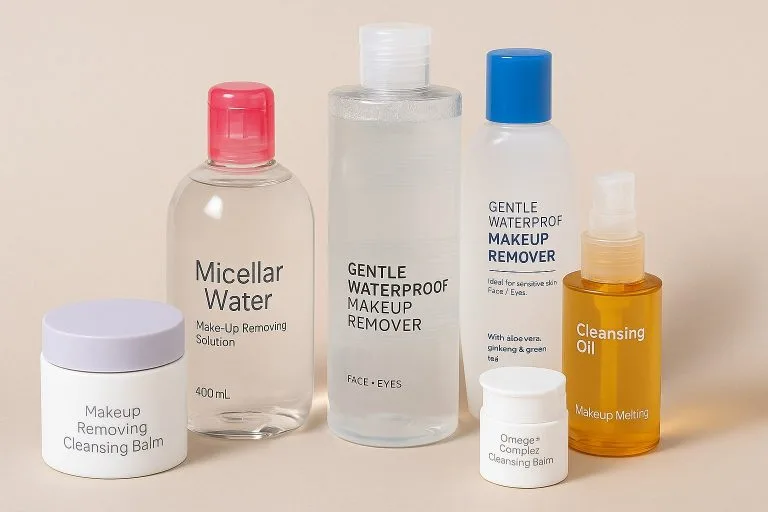
Image source: Bing (Web (fair-use with source credit))
Removing makeup properly is more than just a quick swipe before bed; it's a crucial step for healthy, clear skin. Rushing this process or using the wrong techniques can lead to clogged pores, breakouts, and irritation. Getting it right ensures your skin can breathe, repair, and absorb nighttime treatments effectively.
Our research shows that using the wrong product for your makeup type or skin sensitivity is a common pitfall. For example, failing to properly dissolve waterproof mascara can lead to tugging and damage around the delicate eye area. The FDA recommends cleansing skin thoroughly to remove impurities and environmental pollutants, and makeup removal is the first line of defense.
Quick Answer: How Can I Remove Makeup Properly?
Proper makeup removal involves using the right cleanser for your makeup type and skin. Gently dissolve makeup, especially around the eyes and lips. Always follow with a thorough facial cleanse to remove residue.
This two-step approach prevents clogged pores and irritation.
Your Skin Type & Makeup Type: The Starting Point
Before you even reach for a cleanser, it's smart to think about two main things: your skin type and the kind of makeup you're wearing. This isn't about being complicated; it’s just about being smart with your skincare. If you have sensitive skin, you’ll want gentler products.
If you’re wearing waterproof mascara that’s designed to last through a marathon, you’ll need something more powerful than if you’re just wearing a light tinted moisturizer.
- Skin Types: Generally, people fall into categories like oily, dry, combination, normal, or sensitive. Each type reacts differently to cleansing agents. Oily skin might benefit from oil-based cleansers that help break down excess sebum, while dry skin may need something more hydrating. Sensitive skin requires formulas free from harsh chemicals or potential irritants.
- Makeup Types: This is your starting point for choosing a remover. Are we talking about a sheer tinted lip balm and a quick sweep of mascara, or a full-coverage foundation, liquid lipstick, and layers of eyeliner? The more robust the makeup, the more specific your removal strategy needs to be.
Knowing these basics helps you avoid common mistakes and ensures you're not stripping your skin or leaving stubborn product behind.
How to Remove Everyday Makeup (Gentle & Effective)
Removing everyday makeup, think light foundation, a bit of blush, mascara, and lipstick, is usually straightforward. The goal here is to be effective without being harsh, preserving your skin's natural moisture barrier. Gentle cleansers and methods are key to preventing irritation and keeping your complexion balanced.
Step-by-Step: Your Gentle Routine
- Start with Dry Hands and Face: Always begin with dry hands and a dry face. This allows the cleanser to bind to the makeup and oils more effectively, rather than just sliding around with water.
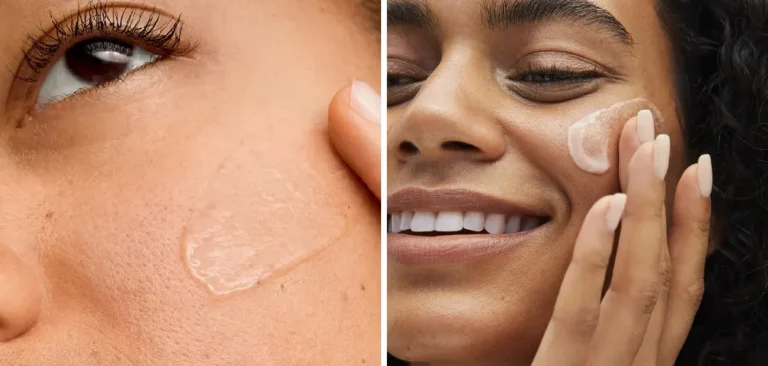
- Apply Cleanser: Dispense a quarter-sized amount of your chosen gentle cleanser into your palm. This could be a mild cream cleanser, a gentle foaming cleanser, or a micellar water applied with a cotton pad.
- Massage Gently: Using circular motions, gently massage the cleanser into your skin, focusing on areas with makeup. Avoid harsh scrubbing, which can cause redness and damage. Spend about 30-60 seconds on this step to give the cleanser time to lift the makeup.
- Rinse Thoroughly: Rinse your face with lukewarm water. Pat your skin dry with a clean, soft towel. Avoid rubbing, as this can irritate your skin.
What to Use: Micellar Water & Cleansers
For lighter makeup days, a good micellar water is a fantastic, no-rinse option. Micelles are tiny oil molecules suspended in soft water that attract dirt and oil like magnets, lifting them from the skin without harsh scrubbing. You’ll typically apply it to a cotton pad and sweep it across your face.
A gentle cream cleanser or a mild foaming cleanser also works well. These are formulated to remove light makeup and impurities without stripping your skin. Look for ingredients like glycerin or hyaluronic acid, which help retain moisture.
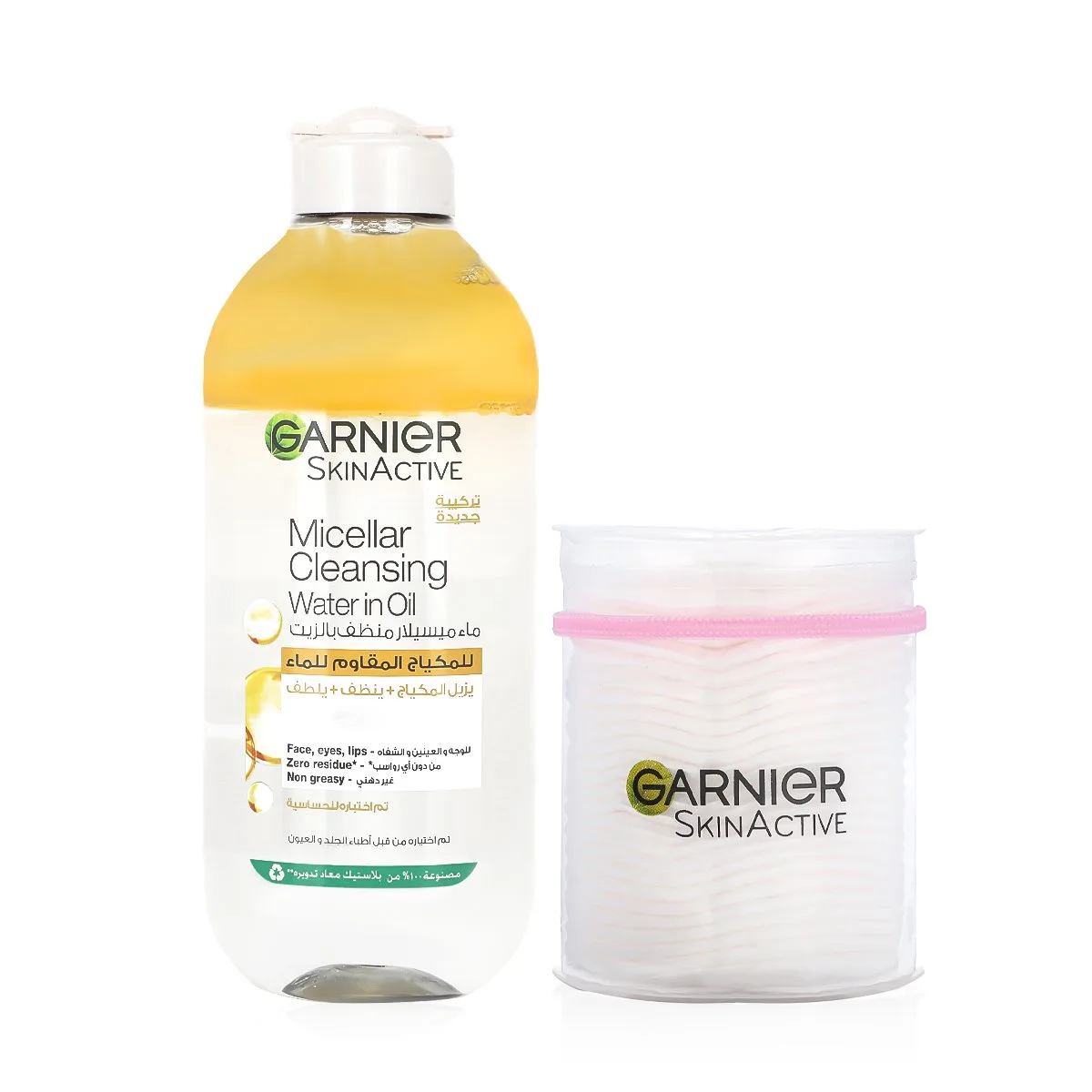
Image source: Bing (Web (fair-use with source credit))
How to Tackle Waterproof & Long-Wear Makeup (The Deep Clean)
When your makeup is designed to stay put, like waterproof mascara, liquid lipstick, or a full-coverage foundation with a matte finish, you need a more robust approach. This often involves a double-cleansing method, which uses two different types of cleansers to ensure every trace of product is removed. Skipping this can lead to clogged pores and breakouts, especially in areas where makeup tends to settle.
Step-by-Step: Your Deep Clean Routine
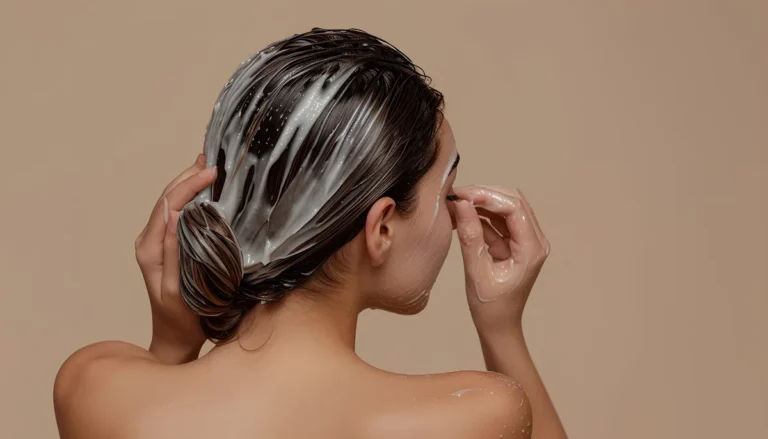
- First Cleanse (Oil-Based): Start with an oil-based cleanser, cleansing balm, or cleansing oil. Apply this to dry skin and massage it thoroughly over your face, paying attention to areas with heavy makeup. The oil-based cleanser dissolves the oil-based ingredients in your makeup effectively. As of 2026, many cosmetic chemists still emphasize this step for truly breaking down stubborn formulas.
- Emulsify and Rinse: Add a little water to your hands and continue massaging. The oil will emulsify (turn milky), lifting away the dissolved makeup and the oil-based cleanser. Rinse thoroughly with lukewarm water.
- Second Cleanse (Water-Based): Follow up with a water-based cleanser (like a gentle foaming or gel cleanser). This step removes any remaining residue from the first cleanse and any water-based impurities. Massage this cleanser into damp skin for about 30-60 seconds.
- Rinse and Pat Dry: Rinse your face completely with lukewarm water and gently pat your skin dry with a clean towel. Ensure no makeup residue or cleanser remains.
What to Use: Cleansing Balms, Oils & Targeted Removers
- Cleansing Balms: These are typically solid at room temperature and melt into an oil upon contact with skin. They're excellent for breaking down stubborn makeup.
- Cleansing Oils: Similar to balms, these are liquid oils designed to dissolve makeup. They can be lighter in texture than balms.
- Targeted Removers: For extremely stubborn areas, like heavy eye or lip makeup, you might use a dedicated bi-phase remover (which contains both oil and water components) applied to a cotton pad before the main cleansing steps.
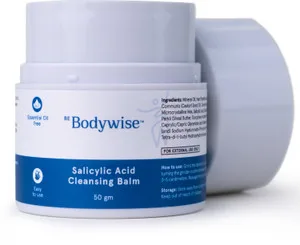
Image source: Bing (Web (fair-use with source credit))
Eye Makeup Removal: Delicate Skin, Stubborn Products
The skin around your eyes is significantly thinner and more delicate than the rest of your face, making it more susceptible to irritation and damage. Waterproof mascara, long-wear eyeliners, and heavy eyeshadows can be particularly stubborn. It's vital to approach eye makeup removal with extra care to avoid redness, stinging, or even pulling on your lashes and eyelids.
Step-by-Step: Eye Makeup Removal
- Saturate a Cotton Pad: Take a soft cotton pad and saturate it with a dedicated eye makeup remover or micellar water. For waterproof formulas, a bi-phase remover (which you shake to combine oil and water layers) is often most effective.
- Press and Hold: Gently press the saturated cotton pad onto your closed eyelid. Hold it there for about 10-20 seconds. This allows the remover to start breaking down the makeup without you needing to rub.
- Wipe Downwards: With minimal pressure, gently sweep the cotton pad downwards over your lashes and eyelid. You're encouraging the makeup to come away from your skin, not smearing it around.
- Address Stubborn Areas: If any mascara or liner remains, use a clean part of the cotton pad or a cotton swab dipped in remover to gently target those specific spots. Avoid scrubbing back and forth.
Special Considerations for Lashes & Lids
- Avoid Harsh Rubbing: The skin here can easily lose elasticity. Repeated tugging can contribute to premature fine lines.
- Product Choice: Opt for oil-based or bi-phase removers for waterproof or highly pigmented products. For sensitive eyes, look for fragrance-free, hypoallergenic formulas.
- Lash Health: Some removers can be drying to lashes. Following up with a lash serum after cleansing can help maintain lash health and strength. You can find excellent options if you're looking for best lash serum for fuller lashes.
Common Makeup Removal Mistakes to Sidestep
Even with good intentions, a few common missteps can derail your makeup removal efforts, leaving your skin less than happy. Being aware of these pitfalls can save you from unnecessary irritation, breakouts, and long-term skin concerns. It’s not just about the product you use, but how you use it.
- Not removing all makeup: This is probably the biggest one. Leaving behind mascara, eyeliner, or foundation residue can lead to clogged pores and dull skin. Always check your hairline, jawline, and the edges of your nose for missed spots.
- Using harsh scrubbing motions: Scrubbing too vigorously, especially around the eyes, can cause micro-tears in the skin, leading to redness, irritation, and increased sensitivity. This can also contribute to premature aging.
- Reusing dirty cotton pads: A dirty cotton pad just smears old makeup and bacteria back onto your clean skin. Always use a fresh pad for each swipe, or switch to a reusable, washable makeup cloth for a more eco-friendly option.
- Using hot water: While you might think hot water helps dissolve makeup, it can actually strip your skin of its natural oils, leading to dryness and irritation. Lukewarm water is best.
- Not cleansing after using wipes: Makeup wipes are convenient, but they often leave behind a residue. It’s essential to follow up with a proper facial cleanser to ensure all makeup and swipe residue is gone. If you're considering different makeup types, exploring options like best waterproof mascara means you'll need a solid removal strategy.
Expert Tips for Your Best Skin Ever
Beyond the basic steps, a few expert-backed tips can elevate your makeup removal routine from a chore to a skin-nourishing ritual. These aren't complicated, but they make a real difference in how your skin looks and feels. Think of these as the little extras that contribute to that healthy glow.
- Listen to your skin: Your skin will tell you if a product isn't working. Redness, itching, or breakouts are clear signals to switch to a gentler formula or a different type of cleanser.
- Double cleanse for heavy makeup: We've touched on this, but it bears repeating. If you wear a lot of makeup, or makeup that’s designed to be long-lasting, the two-step cleansing process is your best friend. It ensures a truly clean canvas.
- Consider reusable cloths: For environmental consciousness and effectiveness, washable makeup cloths or pads are a great alternative to disposable cotton pads. They can often lift makeup with just water or a bit of cleanser.
- Don't forget your hairline and neck: Makeup can easily settle into your hairline, and foundation can extend down your neck. Make sure your cleansing routine includes these areas to prevent buildup and uneven skin tone.
- Introduce new products slowly: If you're trying a new makeup remover or cleanser, test it on a small area first, especially if you have sensitive skin. This helps you gauge your reaction before committing to a full face application. If you're experimenting with new makeup looks, knowing how to remove them is paramount. For example, if you're trying out best eyebrow pomade for the first time, make sure your remover can handle it.
FAQs: Your Makeup Removal Questions Answered
What's the biggest mistake people make when removing makeup?
The most common error is not removing all the makeup. Leaving behind residue, especially around the hairline and lash line, can lead to clogged pores and breakouts. It's also easy to be too rough, which irritates delicate skin.
Can I just use soap and water to remove makeup?
For everyday, light makeup, sometimes plain soap and water can work, but it's not ideal. Most soaps are formulated for the body and can be too harsh for facial skin, stripping natural oils and causing dryness. They also often aren't effective at breaking down heavier or waterproof makeup formulas.
How long should makeup removal take?
It really depends on your makeup. A quick sweep with micellar water for light makeup might take a minute or two. For waterproof or heavy makeup, a thorough double cleanse could take 3-5 minutes to ensure all product is removed without irritation.
Is it okay to sleep with makeup on sometimes?
No, it's really not recommended. Sleeping in makeup significantly increases the risk of clogged pores, breakouts, and eye infections. Your skin needs this time to repair and regenerate, and makeup acts as a barrier to that process.
What are the best ingredients to look for in a makeup remover?
Look for gentle, effective ingredients. Micelles in micellar water lift impurities. For oil-based cleansers, ingredients like jojoba oil, sunflower seed oil, or squalane are great for dissolving makeup.
Glycerin and hyaluronic acid are good for hydration. Avoid alcohol or harsh sulfates if you have sensitive skin.