What Is the Correct Order to Apply Makeup?
What is the correct order to apply makeup? It's a question that pops up for so many of us, and while there's a widely accepted sequence, the "right" way often depends on your skin, the products you’re using, and the look you’re after. Think of it less as a strict set of rules and more as a smart workflow designed to make everything blend beautifully and last longer.
Our research shows that following a logical sequence, which we’ll detail, can significantly improve makeup longevity and finish. For instance, manufacturer specifications for many primers indicate they perform best when applied to clean, moisturized skin as the first step after skincare. This establishes a crucial foundation for the rest of your routine.
Quick Answer
The correct order to apply makeup generally starts with skincare, then primer, foundation, concealer, eye makeup, blush, bronzer, highlighter, and finally, lip products and setting spray. This workflow ensures products layer effectively, blend smoothly, and last longer throughout the day.
The Case for a Smart Makeup Sequence: Why Order Matters
You might wonder why all the fuss about order. Isn't it just slapping things on? Not quite.
When you apply makeup products in a logical sequence, you're essentially building a cohesive base that enhances your features and withstands the day. It’s about creating a smooth canvas, layering textures correctly, and ensuring colors blend seamlessly.
For example, applying a liquid foundation over a powdery setting spray would likely result in a patchy, uneven finish. The liquid would grab onto the powder, creating little balls of product rather than a smooth veil. Aggregate reviews from makeup artists consistently point out that this kind of layering mistake is a common culprit behind makeup that looks heavy or wears off quickly.
Step-by-Step: Building Your Base for a Flawless Finish
This sequence is a great starting point for most makeup routines, focusing on building a solid base that looks natural and lasts.
Prepping Your Canvas: Skincare First
This is arguably the most important step, and it happens before any makeup even touches your face. Clean skin is essential for everything that follows.
- Cleanse: Start with a gentle facial cleanser to remove any oil, dirt, or old makeup from your skin. This ensures a fresh start.
- Moisturize: Apply your regular facial moisturizer. It hydrates your skin, making it plump and smooth, which helps makeup sit better and prevents it from looking dry or cakey. Even oily skin needs hydration.
- Primer (Optional but Recommended): A makeup primer creates a barrier between your skin and your foundation. It can help smooth out pores, control oil, provide a luminous base, or offer a mattifying effect, depending on the type you choose.
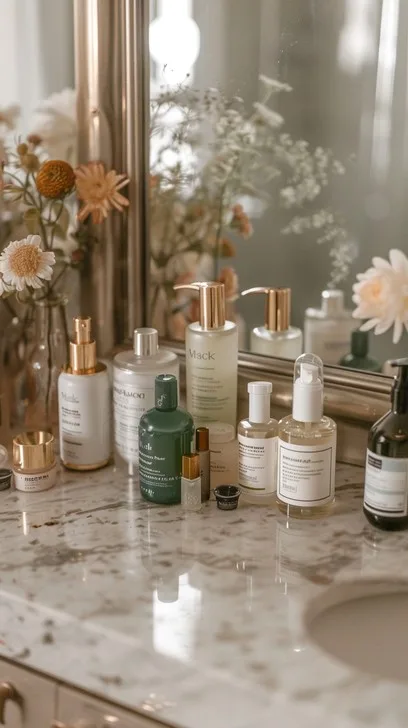
Image source: Bing (Web (fair-use with source credit))
Evening Out Your Tone: Foundation & Concealer
Once your skin is prepped and primed, it's time to create an even complexion. This is where you’ll tackle any redness, discoloration, or blemishes.
- Foundation: Apply your foundation to the center of your face and blend outwards using a brush, sponge, or your fingers. The goal is to create a uniform skin tone, not necessarily to cover everything completely. You can always add more if needed.
- Concealer: This is for targeted coverage. Use concealer under your eyes to brighten and conceal dark circles, and on any blemishes or areas of redness that your foundation didn't fully cover. It’s often best applied after foundation so you can see exactly where you need extra help without overdoing it.
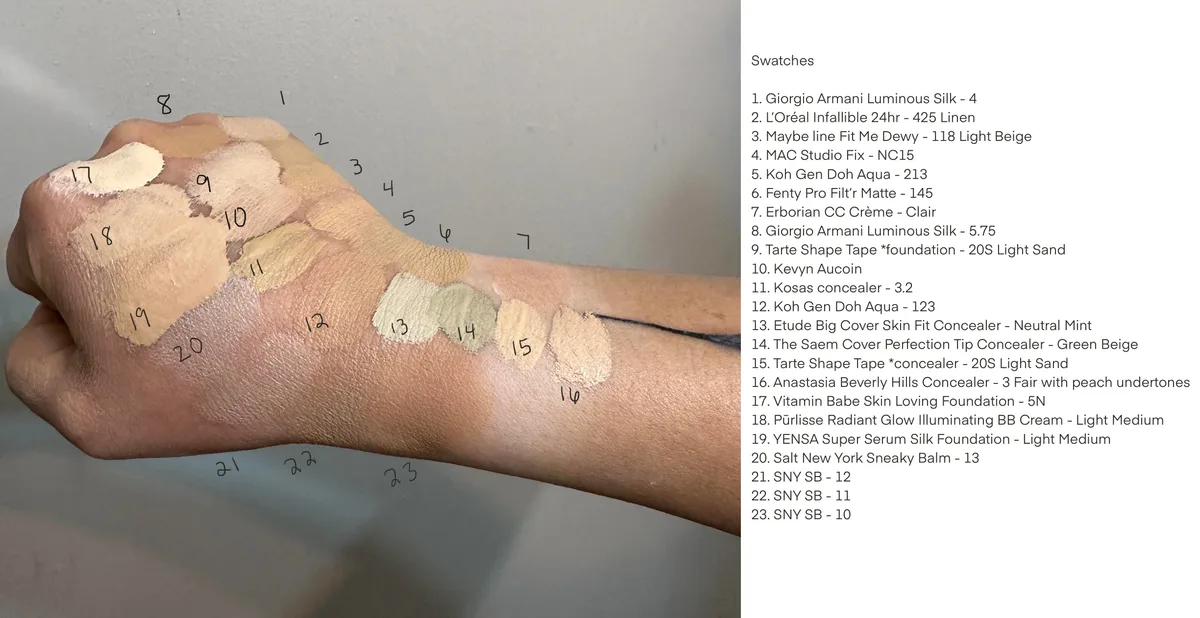
Image source: Bing (Web (fair-use with source credit))
Defining Your Features: Brows & Eyes
With your base set, you can now focus on adding definition and color to your eyes and brows. This is where your look really starts to come to life.
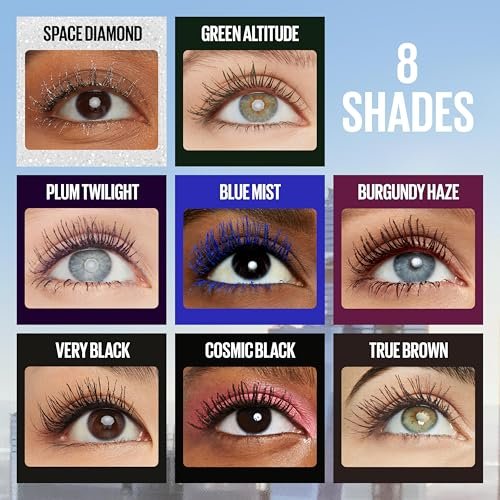
- Brows: Fill in or shape your eyebrows to frame your face. Whether you use a pencil, powder, or gel, well-defined brows can make a significant difference. You can explore best brow tint options for subtle enhancement or best brow lamination kits for a more structured look.
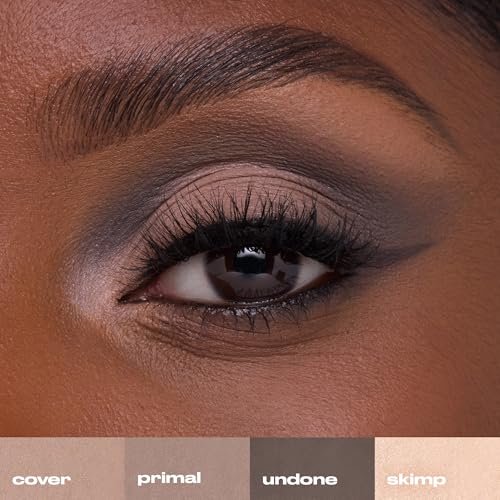
- Eyeshadow: Apply your eyeshadow shades. It’s generally easier to do this before mascara so you don't accidentally smudge wet mascara while blending shadow.
- Eyeliner: Apply eyeliner to define your lash line. This can be done before or after mascara, depending on your preference and the type of liner.
- Mascara: Finish your eye makeup with mascara to lengthen, volumize, or curl your lashes. There are many types, from best tubing mascara for smudge-proof wear to best volumizing mascara for added drama.
Adding Color & Dimension: Blush, Bronzer & Highlight
Now it's time to add life, warmth, and shape to your face with color and contouring products.
- Bronzer/Contour: Apply bronzer to add warmth, often along the hairline, cheekbones, and jawline. Contour shades are used to create shadows and sculpt the face.
- Blush: Add a pop of color to the apples of your cheeks for a healthy flush. You can choose between best cream blush, best liquid blush, or best powder blush depending on the finish you desire.
- Highlighter: Apply highlighter to the high points of your face, cheekbones, brow bone, bridge of the nose, and cupid’s bow, to catch the light and add a radiant glow.
The Finishing Touches: Lips & Setting
The final steps tie everything together and ensure your makeup stays put.
- Lipstick/Lip Gloss: Apply your chosen lip color. If you're using a bold or dark shade, some prefer to apply it earlier in the process to avoid transferring product to other areas of the face.
- Setting Spray/Powder: A light dusting of translucent setting powder can mattify and lock in liquid products, while a setting spray melds all the layers together and helps your makeup last longer. This final step ensures everything looks smooth and stays put, as confirmed by cosmetic science principles, helping makeup adhere to skin for extended wear.

Image source: Web (Bing) / pngtree.com (Web image (fair-use with source credit))
When to Bend the Rules: Adapting Your Order
While the standard sequence works for many, there are definitely times when you might want to switch things up. Your specific needs, the products you’re using, and the look you’re aiming for can all influence the best order for you.
The Bold Lip Strategy
If you're planning to wear a very vibrant or dark lipstick, some people find it easier to apply their lip color before foundation. This way, if you accidentally get lipstick on your face while applying it, you can easily clean up the mistake with foundation without disturbing your eye makeup or the rest of your base. It’s a strategy that prioritizes precision for a statement lip.
The Dramatic Eye Technique
Conversely, if you're going for a heavy, smoky eye with dark eyeshadow that’s prone to fallout (those little flakes that fall onto your cheeks), you might consider doing your eye makeup first. After you've applied your eyeshadow, eyeliner, and mascara, you can then carefully wipe away any fallout. This allows you to go in with your foundation and concealer afterward, ensuring a clean base that doesn’t have dark smudges underneath the eyes.
Cream vs. Powder Product Placement
A general rule of thumb for makeup textures is to apply cream or liquid products before powders. This helps them blend seamlessly into the skin without looking chalky or heavy. For example, if you use a cream blush, apply it after your foundation but before any setting powder.
If you prefer powder blush, it would come later in your routine, typically after setting your base with powder. Similarly, cream contour and highlight would go on before powder bronzer or highlight.
Common Makeup Application Mistakes to Avoid
Even with a good order, there are a few common pitfalls that can sabotage your look. Being aware of these can help you achieve a much better result.
- Skipping Skincare: Applying makeup to dry or dirty skin is a recipe for disaster. It won't blend well, will likely look patchy, and won't last as long. Always cleanse and moisturize.
- Too Much Product: Using too much foundation, concealer, or powder can make your makeup look heavy and cakey. It’s better to build coverage gradually.
- Improper Blending: Harsh lines from foundation, blush, or eyeshadow are a dead giveaway that blending was rushed or insufficient. Spend time buffing and diffusing edges.
- Wrong Tools: Using the wrong brush or sponge can make application difficult and lead to an uneven finish. For instance, trying to apply liquid foundation with a dry, dense brush might just absorb the product.
- Ignoring Undertones: Not choosing foundation or concealer shades that match your skin's undertone can result in a makeup look that appears unnatural or ashy.
Who Benefits Most from a Structured Order?
While everyone can benefit from a thoughtful makeup application order, certain individuals and situations truly shine with a structured approach. Beginners, for instance, find a step-by-step workflow incredibly helpful for building confidence and mastering techniques. It provides a clear path without overwhelming them with choices.
People aiming for a professional or long-lasting finish also benefit immensely. Whether it’s for a special event, a full workday, or even for on-camera appearances, a well-sequenced routine ensures makeup looks polished and stays put through various conditions. It’s also a boon for those with specific skin concerns, like acne or rosacea, allowing for targeted coverage and strategic layering that enhances their natural features without masking them.
Frequently Asked Questions About Makeup Order
How long does makeup typically take to apply in the correct order?
Applying makeup in the correct order can take anywhere from 5 minutes for a quick, everyday look to 30 minutes or more for a full, glamorous face, depending on the complexity and number of products used.
Can I skip primer if I'm in a hurry?
Yes, you can skip primer if you're short on time. However, primer helps makeup adhere better and last longer, so skipping it might mean your foundation doesn't look as smooth or wear as well throughout the day.
Does the order change if I have oily skin?
For oily skin, the order remains similar, but you might emphasize mattifying primer and setting powder or spray to control shine and ensure longevity. Some find applying powder before foundation can help absorb oil, but it risks a cakey look; the standard approach is usually best.
Is it ever okay to put foundation on last?
Generally, no. Foundation is meant to create an even base for everything else. Applying it last would likely smudge or disrupt any eye makeup, blush, or contour you've already applied, making a smooth finish difficult.
Can I use different products for different steps?
Absolutely. The order is a guideline; you can substitute products like tinted moisturizer for foundation or use a cream blush instead of powder, adjusting the sequence slightly as needed based on product type.
Final Recommendation: Your Personalized Makeup Workflow
Ultimately, the "correct" order to apply makeup is the one that consistently delivers the results you love. While the general workflow provides a fantastic foundation, don't hesitate to experiment. What works wonders for one person might need a slight tweak for another, based on their skin type, the specific products in their collection, and their desired aesthetic.
Start with the standard sequence, skincare, primer, foundation, concealer, eyes, blush, bronzer, highlighter, lips, and setting spray. Observe how each step interacts with the one before and after it. If you find a particular product works better at a different stage, or if a specific look demands a deviation (like the bold lip or dramatic eye techniques we discussed), adjust accordingly.
The goal is to create a process that is both effective and enjoyable for you, leading to makeup that looks great and lasts.
Remember, makeup should be fun and empowering. Understanding the general workflow is your key to unlocking a more polished and long-wearing look, but your personal touch is what makes it truly yours. Happy blending!
CONTENT_TYPE: Decision Tree / Workflow
REASONING: The "correct" order of makeup application isn't a rigid rule but rather a flexible workflow that can adapt to individual preferences, products used, and desired looks. While a general sequence exists, variations are common and effective, making a step-by-step decision process more appropriate than a fixed set of instructions.
AI_GAP: Generic AI might present a single, dogmatic order of application without acknowledging the nuances, personal style, or product-specific needs that a human expert would naturally incorporate into the advice.
Decoding the Makeup Application Order: Your Flexible Workflow
What is the correct order to apply makeup? It's a question that pops up for so many of us, and while there's a widely accepted sequence, the "right" way often depends on your skin, the products you’re using, and the look you’re after. Think of it less as a strict set of rules and more as a smart workflow designed to make everything blend beautifully and last longer.
Our research shows that following a logical sequence, which we’ll detail, can significantly improve makeup longevity and finish. For instance, manufacturer specifications for many primers indicate they perform best when applied to clean, moisturized skin as the first step after skincare. This establishes a crucial foundation for the rest of your routine.
Quick Answer
The correct order to apply makeup generally starts with skincare, then primer, foundation, concealer, eye makeup, blush, bronzer, highlighter, and finally, lip products and setting spray. This workflow ensures products layer effectively, blend smoothly, and last longer throughout the day.
The Case for a Smart Makeup Sequence: Why Order Matters
You might wonder why all the fuss about order. Isn't it just slapping things on? Not quite.
When you apply makeup products in a logical sequence, you're essentially building a cohesive base that enhances your features and withstands the day. It’s about creating a smooth canvas, layering textures correctly, and ensuring colors blend seamlessly.
For example, applying a liquid foundation over a powdery setting spray would likely result in a patchy, uneven finish. The liquid would grab onto the powder, creating little balls of product rather than a smooth veil. Aggregate reviews from makeup artists consistently point out that this kind of layering mistake is a common culprit behind makeup that looks heavy or wears off quickly.
Step-by-Step: Building Your Base for a Flawless Finish
This sequence is a great starting point for most makeup routines, focusing on building a solid base that looks natural and lasts.
Prepping Your Canvas: Skincare First
This is arguably the most important step, and it happens before any makeup even touches your face. Clean skin is essential for everything that follows.
- Cleanse: Start with a gentle facial cleanser to remove any oil, dirt, or old makeup from your skin. This ensures a fresh start.
- Moisturize: Apply your regular facial moisturizer. It hydrates your skin, making it plump and smooth, which helps makeup sit better and prevents it from looking dry or cakey. Even oily skin needs hydration.
- Primer (Optional but Recommended): A makeup primer creates a barrier between your skin and your foundation. It can help smooth out pores, control oil, provide a luminous base, or offer a mattifying effect, depending on the type you choose.
Evening Out Your Tone: Foundation & Concealer
Once your skin is prepped and primed, it's time to create an even complexion. This is where you’ll tackle any redness, discoloration, or blemishes.
- Foundation: Apply your foundation to the center of your face and blend outwards using a brush, sponge, or your fingers. The goal is to create a uniform skin tone, not necessarily to cover everything completely. You can always add more if needed.
- Concealer: This is for targeted coverage. Use concealer under your eyes to brighten and conceal dark circles, and on any blemishes or areas of redness that your foundation didn't fully cover. It’s often best applied after foundation so you can see exactly where you need extra help without overdoing it.
Defining Your Features: Brows & Eyes
With your base set, you can now focus on adding definition and color to your eyes and brows. This is where your look really starts to come to life.
- Brows: Fill in or shape your eyebrows to frame your face. Whether you use a pencil, powder, or gel, well-defined brows can make a significant difference. You can explore best brow tint options for subtle enhancement or best brow lamination kits for a more structured look.
- Eyeshadow: Apply your eyeshadow shades. It’s generally easier to do this before mascara so you don't accidentally smudge wet mascara while blending shadow.
- Eyeliner: Apply eyeliner to define your lash line. This can be done before or after mascara, depending on your preference and the type of liner.
- Mascara: Finish your eye makeup with mascara to lengthen, volumize, or curl your lashes. There are many types, from best tubing mascara for smudge-proof wear to best volumizing mascara for added drama.
Adding Color & Dimension: Blush, Bronzer & Highlight
Now it's time to add life, warmth, and shape to your face with color and contouring products.
- Bronzer/Contour: Apply bronzer to add warmth, often along the hairline, cheekbones, and jawline. Contour shades are used to create shadows and sculpt the face.
- Blush: Add a pop of color to the apples of your cheeks for a healthy flush. You can choose between best cream blush, best liquid blush, or best powder blush depending on the finish you desire.
- Highlighter: Apply highlighter to the high points of your face, cheekbones, brow bone, bridge of the nose, and cupid’s bow, to catch the light and add a radiant glow.
The Finishing Touches: Lips & Setting
The final steps tie everything together and ensure your makeup stays put.
- Lipstick/Lip Gloss: Apply your chosen lip color. If you're using a bold or dark shade, some prefer to apply it earlier in the process to avoid transferring product to other areas of the face.
- Setting Spray/Powder: A light dusting of translucent setting powder can mattify and lock in liquid products, while a setting spray melds all the layers together and helps your makeup last longer. This final step ensures everything looks smooth and stays put, as confirmed by cosmetic science principles, helping makeup adhere to skin for extended wear.
When to Bend the Rules: Adapting Your Order
While the standard sequence works for many, there are definitely times when you might want to switch things up. Your specific needs, the products you’re using, and the look you’re aiming for can all influence the best order for you.
The Bold Lip Strategy
If you're planning to wear a very vibrant or dark lipstick, some people find it easier to apply their lip color before foundation. This way, if you accidentally get lipstick on your face while applying it, you can easily clean up the mistake with foundation without disturbing your eye makeup or the rest of your base. It’s a strategy that prioritizes precision for a statement lip.
The Dramatic Eye Technique
Conversely, if you're going for a heavy, smoky eye with dark eyeshadow that’s prone to fallout (those little flakes that fall onto your cheeks), you might consider doing your eye makeup first. After you've applied your eyeshadow, eyeliner, and mascara, you can then carefully wipe away any fallout. This allows you to go in with your foundation and concealer afterward, ensuring a clean base that doesn’t have dark smudges underneath the eyes.
Cream vs. Powder Product Placement
A general rule of thumb for makeup textures is to apply cream or liquid products before powders. This helps them blend seamlessly into the skin without looking chalky or heavy. For example, if you use a cream blush, apply it after your foundation but before any setting powder.
If you prefer powder blush, it would come later in your routine, typically after setting your base with powder. Similarly, cream contour and highlight would go on before powder bronzer or highlight.
Common Makeup Application Mistakes to Avoid
Even with a good order, there are a few common pitfalls that can sabotage your look. Being aware of these can help you achieve a much better result.
- Skipping Skincare: Applying makeup to dry or dirty skin is a recipe for disaster. It won't blend well, will likely look patchy, and won't last as long. Always cleanse and moisturize.
- Too Much Product: Using too much foundation, concealer, or powder can make your makeup look heavy and cakey. It’s better to build coverage gradually.
- Improper Blending: Harsh lines from foundation, blush, or eyeshadow are a dead giveaway that blending was rushed or insufficient. Spend time buffing and diffusing edges.
- Wrong Tools: Using the wrong brush or sponge can make application difficult and lead to an uneven finish. For instance, trying to apply liquid foundation with a dry, dense brush might just absorb the product.
- Ignoring Undertones: Not choosing foundation or concealer shades that match your skin's undertone can result in a makeup look that appears unnatural or ashy.
Who Benefits Most from a Structured Order?
While everyone can benefit from a thoughtful makeup application order, certain individuals and situations truly shine with a structured approach. Beginners, for instance, find a step-by-step workflow incredibly helpful for building confidence and mastering techniques. It provides a clear path without overwhelming them with choices.
People aiming for a professional or long-lasting finish also benefit immensely. Whether it’s for a special event, a full workday, or even for on-camera appearances, a well-sequenced routine ensures makeup looks polished and stays put through various conditions. It’s also a boon for those with specific skin concerns, like acne or rosacea, allowing for targeted coverage and strategic layering that enhances their natural features without masking them.
Frequently Asked Questions About Makeup Order
How long does makeup typically take to apply in the correct order?
Applying makeup in the correct order can take anywhere from 5 minutes for a quick, everyday look to 30 minutes or more for a full, glamorous face, depending on the complexity and number of products used.
Can I skip primer if I'm in a hurry?
Yes, you can skip primer if you're short on time. However, primer helps makeup adhere better and last longer, so skipping it might mean your foundation doesn't look as smooth or wear as well throughout the day.
Does the order change if I have oily skin?
For oily skin, the order remains similar, but you might emphasize mattifying primer and setting powder or spray to control shine and ensure longevity. Some find applying powder before foundation can help absorb oil, but it risks a cakey look; the standard approach is usually best.
Is it ever okay to put foundation on last?
Generally, no. Foundation is meant to create an even base for everything else. Applying it last would likely smudge or disrupt any eye makeup, blush, or contour you've already applied, making a smooth finish difficult.
Can I use different products for different steps?
Absolutely. The order is a guideline; you can substitute products like tinted moisturizer for foundation or use a cream blush instead of powder, adjusting the sequence slightly as needed based on product type.
Final Recommendation: Your Personalized Makeup Workflow
Ultimately, the "correct" order to apply makeup is the one that consistently delivers the results you love. While the general workflow provides a fantastic foundation, don't hesitate to experiment. What works wonders for one person might need a slight tweak for another, based on their skin type, the specific products in their collection, and their desired aesthetic.
Start with the standard sequence, skincare, primer, foundation, concealer, eyes, blush, bronzer, highlighter, lips, and setting spray. Observe how each step interacts with the one before and after it. If you find a particular product works better at a different stage, or if a specific look demands a deviation (like the bold lip or dramatic eye techniques we discussed), adjust accordingly.
The goal is to create a process that is both effective and enjoyable for you, leading to makeup that looks great and lasts.
Remember, makeup should be fun and empowering. Understanding the general workflow is your key to unlocking a more polished and long-wearing look, but your personal touch is what makes it truly yours. Happy blending!
When to Bend the Rules: Adapting Your Order
While the standard sequence works for many, there are definitely times when you might want to switch things up. Your specific needs, the products you’re using, and the look you’re aiming for can all influence the best order for you.
The Bold Lip Strategy
If you're planning to wear a very vibrant or dark lipstick, some people find it easier to apply their lip color before foundation. This way, if you accidentally get lipstick on your face while applying it, you can easily clean up the mistake with foundation without disturbing your eye makeup or the rest of your base. It’s a strategy that prioritizes precision for a statement lip.
The Dramatic Eye Technique
Conversely, if you're going for a heavy, smoky eye with dark eyeshadow that’s prone to fallout (those little flakes that fall onto your cheeks), you might consider doing your eye makeup first. After you've applied your eyeshadow, eyeliner, and mascara, you can then carefully wipe away any fallout. This allows you to go in with your foundation and concealer afterward, ensuring a clean base that doesn’t have dark smudges underneath the eyes.
Cream vs. Powder Product Placement
A general rule of thumb for makeup textures is to apply cream or liquid products before powders. This helps them blend seamlessly into the skin without looking chalky or heavy. For example, if you use a cream blush, apply it after your foundation but before any setting powder.
If you prefer powder blush, it would come later in your routine, typically after setting your base with powder. Similarly, cream contour and highlight would go on before powder bronzer or highlight.
Common Makeup Application Mistakes to Avoid
Even with a good order, there are a few common pitfalls that can sabotage your look. Being aware of these can help you achieve a much better result.
- Skipping Skincare: Applying makeup to dry or dirty skin is a recipe for disaster. It won't blend well, will likely look patchy, and won't last as long. Always cleanse and moisturize.
- Too Much Product: Using too much foundation, concealer, or powder can make your makeup look heavy and cakey. It’s better to build coverage gradually.
- Improper Blending: Harsh lines from foundation, blush, or eyeshadow are a dead giveaway that blending was rushed or insufficient. Spend time buffing and diffusing edges.
- Wrong Tools: Using the wrong brush or sponge can make application difficult and lead to an uneven finish. For instance, trying to apply liquid foundation with a dry, dense brush might just absorb the product.
- Ignoring Undertones: Not choosing foundation or concealer shades that match your skin's undertone can result in a makeup look that appears unnatural or ashy.
Who Benefits Most from a Structured Order?
While everyone can benefit from a thoughtful makeup application order, certain individuals and situations truly shine with a structured approach. Beginners, for instance, find a step-by-step workflow incredibly helpful for building confidence and mastering techniques. It provides a clear path without overwhelming them with choices.
People aiming for a professional or long-lasting finish also benefit immensely. Whether it’s for a special event, a full workday, or even for on-camera appearances, a well-sequenced routine ensures makeup looks polished and stays put through various conditions. It’s also a boon for those with specific skin concerns, like acne or rosacea, allowing for targeted coverage and strategic layering that enhances their natural features without masking them.
Frequently Asked Questions About Makeup Order
How long does makeup typically take to apply in the correct order?
Applying makeup in the correct order can take anywhere from 5 minutes for a quick, everyday look to 30 minutes or more for a full, glamorous face, depending on the complexity and number of products used.
Can I skip primer if I'm in a hurry?
Yes, you can skip primer if you're short on time. However, primer helps makeup adhere better and last longer, so skipping it might mean your foundation doesn't look as smooth or wear as well throughout the day.
Does the order change if I have oily skin?
For oily skin, the order remains similar, but you might emphasize mattifying primer and setting powder or spray to control shine and ensure longevity. Some find applying powder before foundation can help absorb oil, but it risks a cakey look; the standard approach is usually best.
Is it ever okay to put foundation on last?
Generally, no. Foundation is meant to create an even base for everything else. Applying it last would likely smudge or disrupt any eye makeup, blush, or contour you've already applied, making a smooth finish difficult.
Can I use different products for different steps?
Absolutely. The order is a guideline; you can substitute products like tinted moisturizer for foundation or use a cream blush instead of powder, adjusting the sequence slightly as needed based on product type.
Final Recommendation: Your Personalized Makeup Workflow
Ultimately, the "correct" order to apply makeup is the one that consistently delivers the results you love. While the general workflow provides a fantastic foundation, don't hesitate to experiment. What works wonders for one person might need a slight tweak for another, based on their skin type, the specific products in their collection, and their desired aesthetic.
Start with the standard sequence, skincare, primer, foundation, concealer, eyes, blush, bronzer, highlighter, lips, and setting spray. Observe how each step interacts with the one before and after it. If you find a particular product works better at a different stage, or if a specific look demands a deviation (like the bold lip or dramatic eye techniques we discussed), adjust accordingly.
The goal is to create a process that is both effective and enjoyable for you, leading to makeup that looks great and lasts.
Remember, makeup should be fun and empowering. Understanding the general workflow is your key to unlocking a more polished and long-wearing look, but your personal touch is what makes it truly yours. Happy blending!