What Is the Best Sunscreen for Sensitive Skin?

Image source: Bing (Web (fair-use with source credit))
When you've got sensitive skin, finding a sunscreen that protects without irritating can feel like a treasure hunt. You're looking for that sweet spot: effective sun protection that doesn't leave you red, itchy, or broken out. The good news is, it's entirely possible to find a formula that works with your skin, not against it.
The key lies in understanding the ingredients and choosing products formulated for delicate complexions. For instance, many dermatologists recommend broad-spectrum sunscreens with an SPF of 30 or higher, and for sensitive skin, mineral-based formulas often come out on top. Let's break down how to find your perfect match.
Quick Answer
The best sunscreen for sensitive skin is typically a mineral sunscreen containing zinc oxide and/or titanium dioxide. These physical blockers sit on the skin's surface, making them less likely to cause irritation than chemical filters. Look for formulas labeled fragrance-free, hypoallergenic, and non-comedogenic, with an SPF of 30 or higher for effective broad-spectrum protection.
Understanding Sensitive Skin and Sunscreen Needs
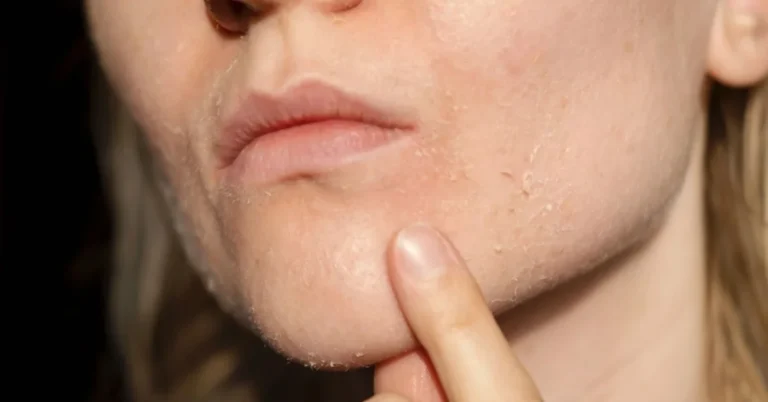
Sensitive skin reacts more readily to environmental factors and skincare ingredients. What might be perfectly fine for one person could trigger redness, itching, or stinging for someone with a more reactive complexion. This sensitivity can stem from various factors, including genetics, underlying skin conditions like eczema or rosacea, or even just a compromised skin barrier.
When it comes to sunscreen, the concern is that certain ingredients, preservatives, or fragrances can further irritate this delicate skin, leading to discomfort and visible reactions. Finding a sunscreen means balancing the need for vital UV protection against the risk of an adverse skin response.
What Makes Skin Sensitive to Sunscreen?
Several elements within sunscreen formulations can cause issues for sensitive skin. The most common culprits are chemical sunscreen filters, which are absorbed into the skin to convert UV rays into heat. Ingredients like oxybenzone, octinoxate, and avobenzone, while effective, can sometimes trigger allergic reactions or irritation in sensitive individuals.
Fragrances, both synthetic and natural (like essential oils), are another major source of sensitivity, often leading to redness and itching. It's a process of elimination and careful selection to pinpoint what your skin tolerates best.
The Core Job: What Broad-Spectrum SPF Means for You
At its heart, any sunscreen's job is to protect your skin from the sun's harmful ultraviolet (UV) radiation. This radiation comes in two main forms: UVA and UVB rays. UVB rays are the primary cause of sunburn, while UVA rays penetrate deeper into the skin, contributing to premature aging and an increased risk of skin cancer.
A broad-spectrum sunscreen is formulated to protect against both UVA and UVB rays. SPF (Sun Protection Factor) specifically measures how well a sunscreen protects against UVB rays. An SPF of 30 blocks about 97% of UVB rays, while SPF 50 blocks about 98%. For daily use and sensitive skin, aiming for SPF 30 or higher is generally recommended by the U.S.
Food and Drug Administration (FDA).
Decoding Sunscreen Ingredients for Sensitive Skin
When you're navigating sunscreen aisles with sensitive skin, ingredient lists become your best friend. The goal is to find formulas that are both effective at blocking UV rays and gentle enough not to cause a reaction. This often means leaning towards certain types of filters and avoiding others, alongside paying attention to other additives.
Mineral vs. Chemical Filters: The Big Picture
Sunscreen filters are the active ingredients that protect your skin from UV damage. They broadly fall into two categories: mineral (or physical) and chemical. Mineral sunscreens use zinc oxide and/or titanium dioxide as their active ingredients. These ingredients work by sitting on top of your skin and physically blocking UV rays.
They are generally considered less likely to cause irritation, making them a top choice for sensitive skin. Chemical sunscreens, on the other hand, work by absorbing UV radiation and converting it into heat, which is then released from the skin. While effective, some chemical filters can be absorbed into the skin and may trigger reactions in sensitive individuals.
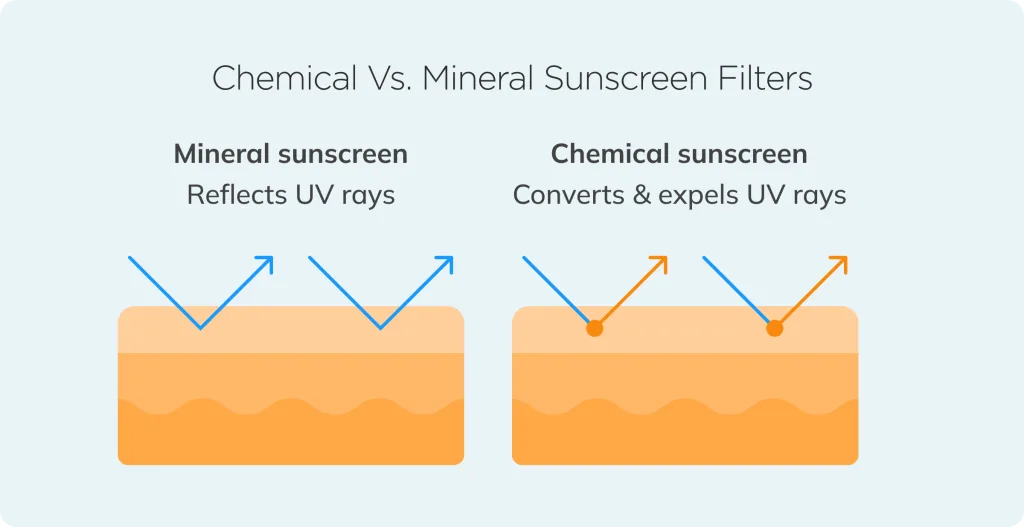
Image source: Bing (Web (fair-use with source credit))
Key Ingredients to Look For (and Avoid)
For sensitive skin, the star ingredients to seek out are zinc oxide and titanium dioxide. Zinc oxide offers excellent broad-spectrum protection and is known for its soothing properties, making it particularly beneficial. Titanium dioxide also provides good protection, especially against UVB and short UVA rays.
When these are present in high concentrations (often 15-25% for zinc oxide), they form a physical barrier that's less likely to provoke a reaction. You’ll want to avoid sunscreens with added fragrances, alcohols, PABA (para-aminobenzoic acid), and certain chemical filters like oxybenzone and octinoxate, as these are common triggers for sensitive skin.
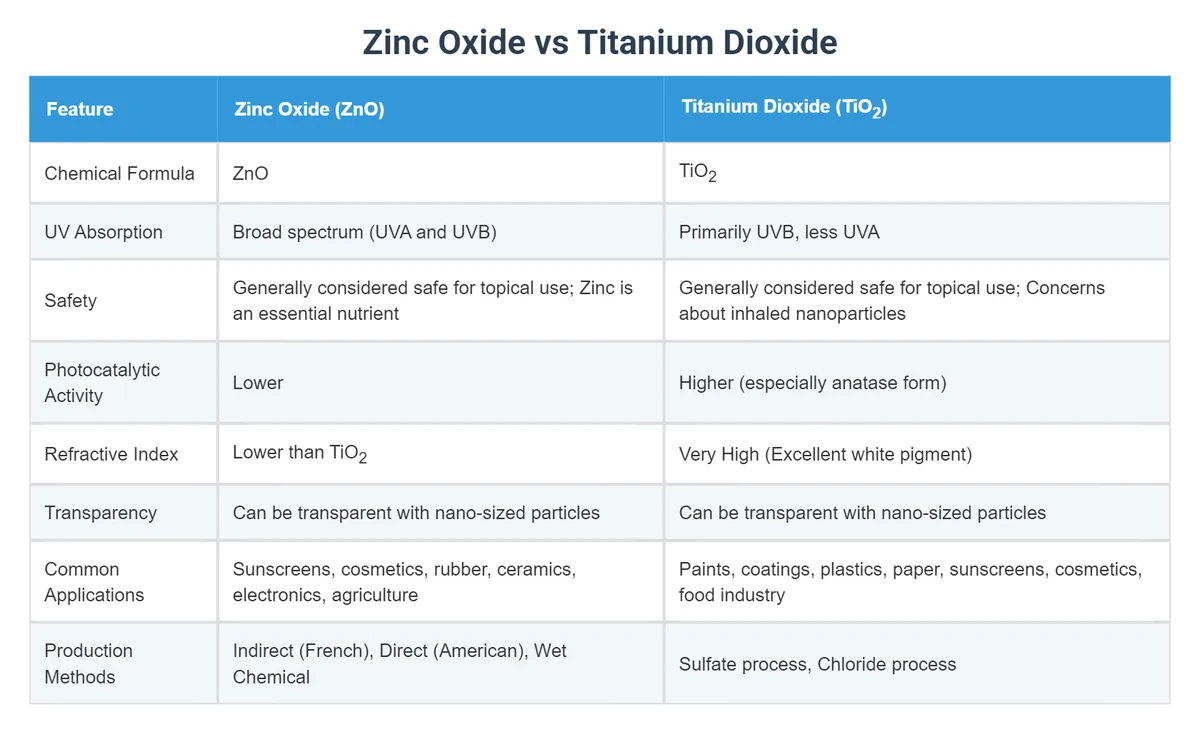
Image source: Bing (Web (fair-use with source credit))
Beyond the Filters: Fragrance, Hypoallergenic, and More
Beyond the UV filters, several other labels and ingredients are crucial for sensitive skin. Look for products explicitly marked fragrance-free. This means no added perfumes, which are a frequent source of irritation. Hypoallergenic is another term to keep an eye out for, suggesting the product has been formulated to minimize allergic reactions, though it's not a guarantee. Non-comedogenic is important if you're also prone to breakouts, as it means the formula is designed not to clog pores.
Choosing Your Best Sunscreen: A Comparison
Deciding between mineral and chemical sunscreens is often the first big step for sensitive skin. Each type has its own set of advantages and disadvantages that can influence your choice. Understanding these differences helps you zero in on the best fit for your specific needs and skin comfort.
Mineral Sunscreens: Pros and Cons
Mineral sunscreens are often the go-to for sensitive skin because they are generally very gentle.
- Pros:
- Less Irritating: Active ingredients (zinc oxide, titanium dioxide) sit on the skin's surface, creating a physical barrier. This makes them less likely to cause allergic reactions or stinging.
- Immediate Protection: They start working as soon as you apply them, unlike chemical sunscreens which need about 15-20 minutes to become effective.
- Soothing Properties: Zinc oxide, in particular, can have a calming effect on the skin.
- Broad-Spectrum: Offer excellent protection against both UVA and UVB rays.
- Cons:
- White Cast: Traditional mineral sunscreens can leave a visible white cast on the skin, especially on deeper skin tones. Tinted versions are available to combat this.
- Texture: Some mineral formulas can feel thicker or heavier on the skin compared to chemical ones.
Chemical Sunscreens: Pros and Cons
Chemical sunscreens offer a different approach to UV protection.
- Pros:
- Lighter Texture: Often formulated to be lightweight, sheer, and easily absorbed, leaving no white cast.
- Easier Application: Tend to spread more smoothly and are available in convenient spray and gel formats.
- Variety: A wide range of formulations and brand options are available.
- Cons:
- Potential for Irritation: The chemical filters are absorbed into the skin, which can trigger sensitivity, redness, or allergic reactions in some individuals.
- Delayed Protection: They need about 15-20 minutes after application to become fully effective.
Tinted vs. Non-Tinted Mineral Options
For mineral sunscreens, the tinted versus non-tinted choice often comes down to aesthetics and personal preference. Non-tinted mineral sunscreens are straightforward but can leave that characteristic white cast, particularly noticeable on darker skin tones or if applied too heavily. Tinted mineral sunscreens incorporate iron oxides, which provide pigment to better match skin tones.
This can offer a more natural look, camouflage minor imperfections, and even provide some added protection against visible light. If you find standard mineral sunscreens leave you looking pasty, a tinted option might be your ideal solution.
Who Needs What? Sunscreen Matchmaking
Understanding your specific skin situation is key to picking the right sunscreen. What works wonders for one person might not be the best fit for another, even within the "sensitive skin" category. It's about matching the product's features to your unique needs.
Sunscreens for Eczema, Rosacea, and Other Skin Conditions
If you have a diagnosed skin condition like eczema, rosacea, or psoriasis, your skin is likely already inflamed and prone to irritation. For these conditions, mineral sunscreens are almost always the preferred choice. Look for formulas with minimal ingredients, prioritizing zinc oxide.
Avoid any added fragrances, alcohols, or harsh preservatives. Some products are specifically formulated for "eczema-prone skin" or "rosacea-prone skin," and these are worth investigating. Always patch test, as even gentle formulas can sometimes cause a reaction.
Daily Facial Protection vs. Body Application
The sunscreen you use on your face might not be the same one you use on your body, and vice versa. Facial skin is generally more delicate and prone to issues like clogged pores and breakouts. Therefore, for the face, you'll want lightweight, non-comedogenic formulas, often mineral-based, that won't feel heavy or greasy.
Body sunscreens can sometimes be a bit richer or more robust, as the skin on your body is typically less sensitive. However, if you have widespread sensitive skin or conditions like eczema, using a gentle, fragrance-free mineral sunscreen on your body is also a good idea. Consider your activity level too; if you're sweating a lot or swimming, opt for water-resistant formulas.
Sunscreens for Post-Procedure Skin
After dermatological procedures like chemical peels, laser treatments, or microneedling, your skin is extremely vulnerable and highly sensitive. Protecting it from the sun is paramount to aid healing and prevent hyperpigmentation or scarring. In these cases, mineral sunscreens with high concentrations of zinc oxide are usually the best recommendation.
They create a protective barrier without requiring absorption into compromised skin. It’s crucial to follow your dermatologist’s specific post-procedure care instructions, as they will guide you on when and how to reintroduce sunscreen. As of 2026, many aesthetic professionals strongly advocate for mineral-based protection during recovery periods.
Practical Tips for Using Sunscreen on Sensitive Skin
Applying sunscreen correctly is just as important as choosing the right formula, especially when dealing with sensitive skin. A few simple steps can make all the difference in how your skin reacts and how well you're protected.
The Crucial Step: Patch Testing
Before slathering a new sunscreen all over your face or body, always do a patch test. This is non-negotiable for sensitive skin. Apply a small amount of the product to an inconspicuous area, like behind your ear, on your inner wrist, or on a small patch of skin on your forearm.
Wait for at least 24 to 48 hours. If you notice any redness, itching, burning, or a rash, that product is likely not for you. This simple step can save you a lot of discomfort and a potential skin emergency.
Application Technique Matters
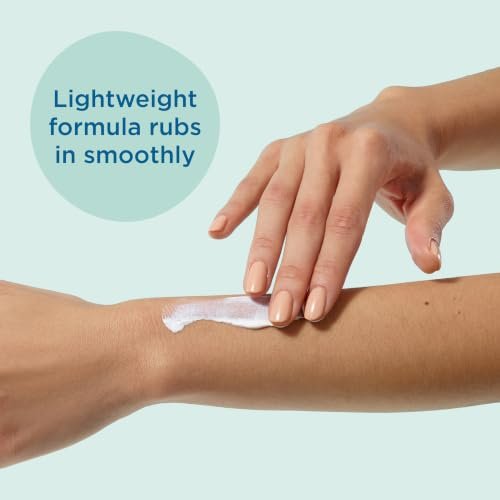
How you apply your sunscreen can impact its effectiveness and how your skin tolerates it. For mineral sunscreens, don't just quickly rub them in. Gently pat and blend the product onto your skin.
This helps ensure an even layer of protection without excessive friction, which can irritate sensitive skin. When applying to your face, use your fingertips and work from the center outwards. Avoid getting sunscreen too close to your eyes, as this can cause stinging or watering.
Reapplication: When and How Often?
Sunscreen protection isn't a one-and-done affair. Reapplication is critical for maintaining adequate defense against UV rays, and this is especially true for sensitive skin where the barrier might already be compromised. If you're spending extended periods outdoors, sweating, or swimming, you'll need to reapply more frequently.
Generally, it's recommended to reapply every two hours. Consistent reapplication helps ensure your skin barrier is continuously shielded from damaging UV exposure.
Common Sunscreen Stumbles and How to Sidestep Them
Even with the best intentions and careful product selection, sometimes sunscreen can still cause a reaction or not perform as expected. Recognizing these common pitfalls is the first step to avoiding them. Whether it's an unexpected breakout or a stinging sensation, knowing what might be happening can help you troubleshoot and find a better solution.
What to Do If You Experience a Reaction
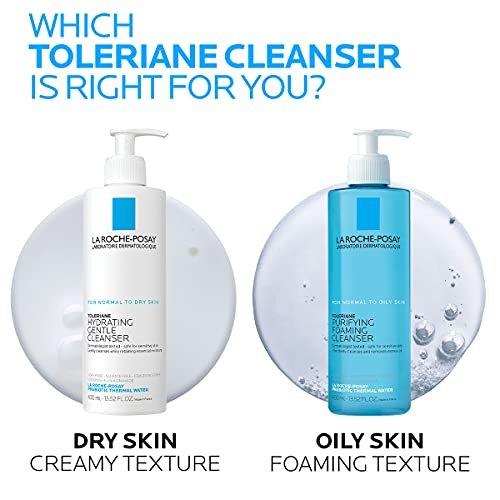
If you apply a sunscreen and notice your skin becoming red, itchy, or breaking out, stop using it immediately. This is your skin telling you it doesn't agree with the formula. The best course of action is to wash the product off gently with a mild cleanser.
Then, focus on soothing your skin. Applying a simple, fragrance-free moisturizer can help restore your skin barrier. If the reaction is severe, involves blistering, or persists for more than a day or two, it’s wise to consult a dermatologist.
They can help identify the specific ingredient causing the issue and recommend alternatives.
Avoiding Irritation and Breakouts
Preventing irritation and breakouts starts with mindful product selection and patch testing. Always opt for mineral sunscreens with zinc oxide and titanium dioxide, and look for fragrance-free and hypoallergenic labels. When applying, use a gentle patting motion rather than vigorous rubbing, especially on the face.
Ensure you're cleansing your skin thoroughly each night to remove sunscreen residue, as this can contribute to clogged pores and acne. If you find you’re still experiencing issues, it might be time to revisit the ingredients list and consider if a specific preservative or emulsifier is the culprit.
Your Sensitive Skin Sunscreen FAQs
What SPF level is best for sensitive skin?
For daily use and effective protection against UVB rays, an SPF of 30 or higher is generally recommended for sensitive skin. Higher SPFs, like SPF 50, offer slightly more protection, blocking around 98% of UVB rays compared to SPF 30's 97%.
Can chemical sunscreens ever be used on sensitive skin?
While mineral sunscreens are usually preferred, some individuals with mild sensitivity might tolerate certain chemical sunscreens. It depends on the specific filters used and your personal reaction. Always patch-test thoroughly before widespread use, and prioritize formulas free of common irritants like fragrances.
How often should I reapply sunscreen to sensitive skin?
You should reapply sunscreen to sensitive skin every two hours when exposed to direct sunlight. If you are swimming or sweating heavily, reapply immediately after drying off with a towel. Even on cloudy days, UV rays can penetrate, so consistent reapplication is key.
Should I be worried about the "white cast" from mineral sunscreens?
A white cast is a common characteristic of mineral sunscreens, but it’s usually temporary and can be blended in with gentle patting. Tinted mineral sunscreens are a great alternative if the white cast is a concern, as the added pigments help the sunscreen blend more seamlessly with your skin tone.