Can I Wear Makeup Over Sunscreen?
You've heard it a million times: sunscreen is non-negotiable for healthy skin. But then comes the morning routine. Does slathering on your favorite foundation or concealer mean you're messing up all that good sun protection you just did?
The short answer? Yes, you absolutely can wear makeup over sunscreen. And not only can you, but you should aim to do it right. It’s all about a few smart choices and techniques. Think of it like this: Sunscreen is your invisible shield.
Makeup is your finishing touch, and we want to make sure that shield stays strong underneath.
Image source: Bing (Web (fair-use with source credit))
Quick Answer
Yes, you can wear makeup over sunscreen. Always apply sunscreen first, allowing it to set for 5, 15 minutes. Gentle application of makeup prevents disturbing the protective layer.
Mineral sunscreens may require more care than chemical ones. Don't solely rely on makeup's SPF.
Why It Matters for Your Skin
We know the sun's UV rays are no joke. They can lead to premature aging, sunspots, and, more seriously, skin cancer. Sunscreen is our first and best defense.
When we apply makeup over it, we want to make sure we're not accidentally wiping away or diluting that protective layer. According to the American Academy of Dermatology, consistent daily use of sunscreen with an SPF of 30 or higher is one of the most effective ways to protect your skin.
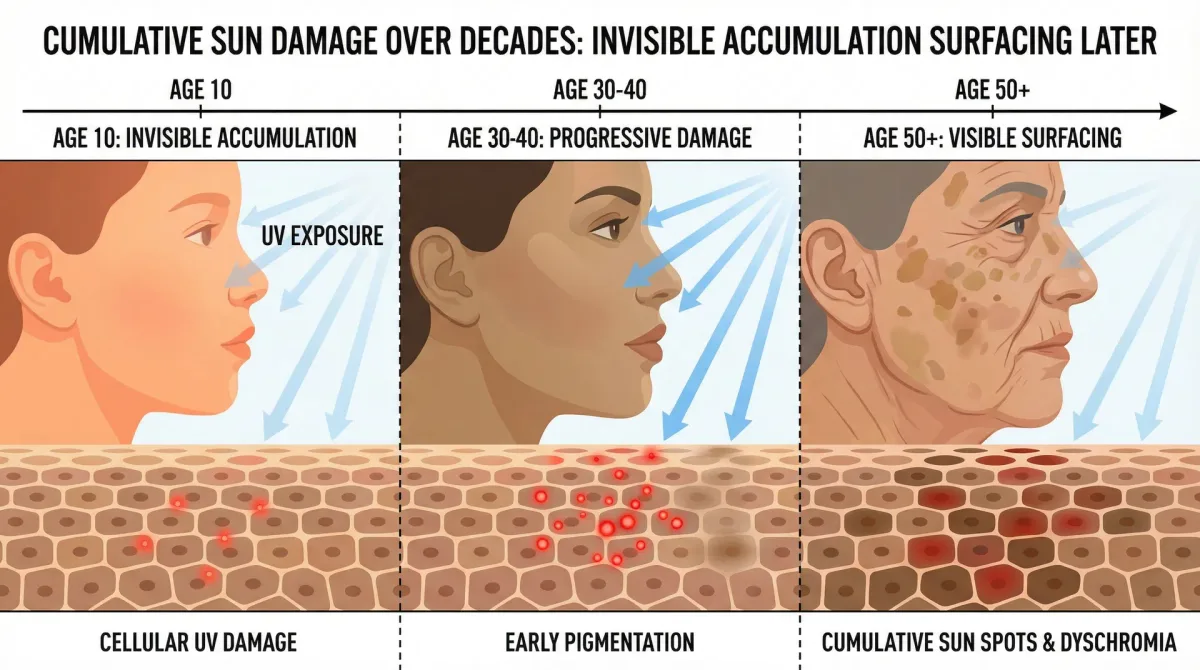
Image source: Bing (Web (fair-use with source credit))
This protection is vital because UV radiation from the sun can damage skin cells, breaking down collagen and elastin which keep skin firm and smooth. This damage accumulates over time, leading to visible signs of aging like wrinkles and sagging. Beyond aesthetics, unchecked sun exposure significantly increases your risk of developing skin cancers, including melanoma, which is the deadliest form.
The Keys to Success: Application Techniques
Getting the makeup-over-sunscreen routine right isn't complicated, but it does hinge on a few key techniques. These aren't just for looking good; they're about ensuring your skin actually gets the protection it needs. It’s about working smarter, not harder, with your daily skincare and makeup steps.
Give Sunscreen Time to Set
This is arguably the most critical step. After you apply your sunscreen, let it sit on your skin for at least 5 to 15 minutes before layering on any makeup. This allows the sunscreen ingredients to properly bind to your skin and form a uniform protective barrier.
If you rush this step, your makeup application can disturb the sunscreen, creating thin spots or patches where protection is reduced. Think of it as letting the foundation of your skincare routine solidify before you build on top of it.
Generous Application is Crucial
A common mistake people make is not using enough sunscreen. To achieve the SPF level stated on the bottle, you need to apply it generously. For the face alone, this generally means about a nickel-sized amount.
Applying too little means you're not getting the stated protection. When you wear makeup over it, you're essentially applying your makeup on top of this substantial, protective layer, ensuring that even if some makeup slightly shifts the sunscreen, there's still ample coverage underneath. This generous application is key to maintaining effective UV defense throughout the day.
Choosing the Right Sunscreen Type
The type of sunscreen you use can influence how well makeup layers over it.
- Mineral sunscreens, formulated with zinc oxide and titanium dioxide, create a physical barrier on top of the skin. They are excellent for sensitive skin but can sometimes feel thicker. Makeup might require a gentler application over these to avoid disturbing the physical film.
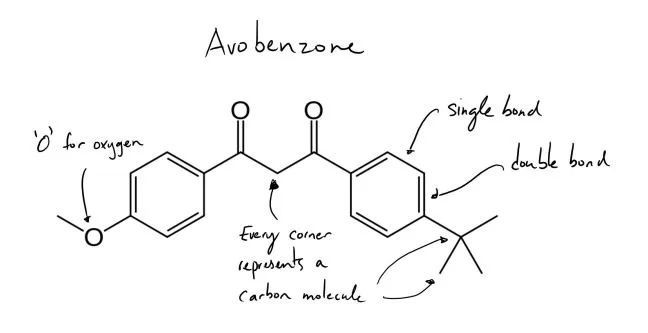
- Chemical sunscreens absorb UV rays and convert them into heat. They often blend more seamlessly into the skin, making makeup application feel smoother. Many find these more makeup-friendly.
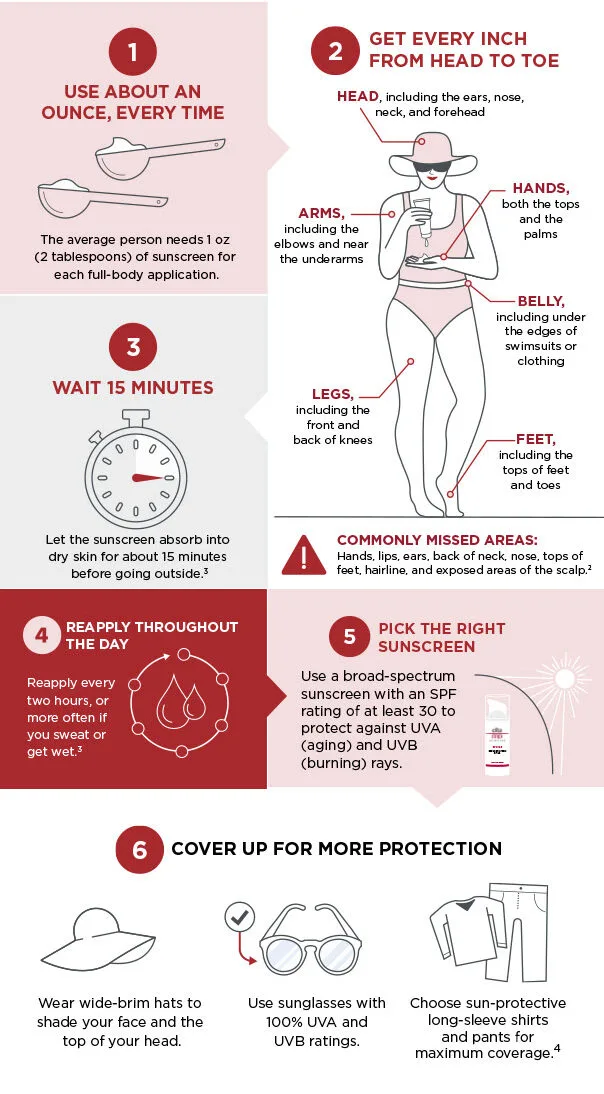
Image source: Bing (Web (fair-use with source credit))
Gentle Makeup Application Matters
Once your sunscreen has set, how you apply your makeup is just as important. Avoid aggressive rubbing or swiping motions. Instead, opt for patting or stippling techniques using a makeup sponge, brush, or even your fingertips.
This gentle approach helps to lay the makeup over the sunscreen without displacing it. For instance, when applying foundation, use a damp beauty sponge to press the product onto the skin rather than dragging it. This preserves the integrity of your sunscreen barrier underneath.
Sunscreen First, Makeup Second: The Golden Rule
This principle is fundamental to effective sun protection when combining sunscreen and makeup. Always apply your sunscreen as the very first step in your morning routine, after cleansing and any serums or moisturizers. The sunscreen needs direct contact with your skin to form its protective shield.
Applying it over makeup would mean it's trying to penetrate a layer of product, which would drastically reduce its effectiveness. This order ensures your skin is shielded from UV rays before you add your cosmetic layers.
Reapplying Sunscreen Over Makeup
Reapplying sunscreen throughout the day is crucial, especially if you're spending extended periods outdoors or sweating. This is where it can get a bit tricky if you're already wearing makeup.
Here are some ways to reapply without completely ruining your look:
- Powder Sunscreens: These can be a decent option for touch-ups. You can brush them over your makeup to add a bit of extra protection. However, be aware that their coverage might not be as robust or as even as a lotion or spray, and it's hard to get a precise measurement of how much you're applying.
- Spray Sunscreens: These are popular for convenience, but they can be messy over makeup. If you opt for a spray, hold it about 10-12 inches from your face and spray in short bursts. You might need to gently pat it in with a clean sponge to help it blend and avoid streaking your foundation or concealer. Some sprays are specifically formulated to be makeup-friendly.
- Finding Shade: Whenever possible, seeking shade is the simplest and most effective way to reduce your UV exposure without needing to reapply product over your makeup. Ducking under an umbrella or into a building for a few minutes can significantly cut down on the sun's intensity.
- Makeup with SPF: While some foundations and powders contain SPF, it's important to remember that you likely won't apply enough of these products to achieve the full SPF protection listed on the packaging. Think of it as a bonus layer of defense, not a substitute for your primary sunscreen application.
Mistakes to Avoid When Wearing Makeup Over Sunscreen
Even with the best intentions, it's easy to make a few missteps when layering makeup over your SPF. Understanding these common errors can help you avoid them and ensure your skin stays protected.
- Skipping the Sunscreen Setting Time: This is probably the most frequent mistake. Applying foundation or concealer immediately after sunscreen can smear the SPF, creating uneven coverage. Wait at least 5-15 minutes for it to fully absorb.
- Not Using Enough Sunscreen: Many people underestimate how much sunscreen is needed for adequate protection. If you're using less than a nickel-sized amount for your face, you're likely not getting the full SPF benefit, no matter what you put on top.
- Aggressive Makeup Application: Rubbing or swiping your makeup product across your face can physically move the sunscreen away from where it needs to be. This creates gaps in your protection.
What If My Makeup Feels Heavy Over Sunscreen?
Sometimes, the combination of sunscreen and makeup can feel heavy or sticky on the skin. This often happens if you're using a very emollient sunscreen and then layering a rich foundation.
- Try a Lighter Sunscreen: If you're struggling with heavy-feeling makeup, consider switching to a lighter, gel-based, or fluid sunscreen formula. Many brands offer these, specifically designed for easier layering.
- Opt for Mattifying Products: A mattifying primer or a lightweight, water-based foundation can help balance out any greasiness from the sunscreen underneath. You might also find that setting your makeup with a light dusting of translucent powder helps.
Can I Use Primers?
Using a primer after your sunscreen has set and before your makeup can actually be beneficial. A primer can help create a smoother canvas for your foundation, potentially enhance makeup longevity, and in some cases, even offer a more even surface for makeup to adhere to without disturbing the sunscreen layer. Look for primers that are oil-free or have a mattifying finish if you have oily skin.
Expert Tips for Seamless Application
Drawing on research and feedback from beauty professionals, here are some refined tips to ensure your makeup sits beautifully over sunscreen, keeping your skin protected. These insights go beyond the basics to help you achieve a flawless finish and optimal sun defense.
- Consider a Tinted Sunscreen: Many tinted sunscreens offer broad-spectrum SPF protection and provide a sheer wash of color. This can sometimes act as a primer and a light foundation all in one, simplifying your routine and ensuring even SPF coverage.
- Use a Makeup Sponge: A damp makeup sponge is excellent for patting and pressing foundation and concealer. This technique is much gentler on your skin than brushing or swiping, helping to preserve the sunscreen layer underneath. Squeeze out excess water so the sponge is only slightly damp.
- Translucent Setting Powder: A very light application of a translucent setting powder can help set your makeup and create a more matte finish, which can feel less heavy over sunscreen. Dust it lightly over your T-zone or where you tend to get oily.
- Hydration is Key: Ensure your skin is well-hydrated before sunscreen application. Dry skin can sometimes make sunscreen appear streaky or pilled, which then affects makeup application. A good moisturizer or hydrating serum can make a world of difference. This ties into keeping your skin hydrated, which is a crucial part of a healthy skin barrier.
What If I Have Acne-Prone Skin?
If you have acne-prone skin, choosing the right sunscreen and makeup is paramount. Look for non-comedogenic formulas, meaning they're designed not to clog pores. Many oil-free sunscreens are available, and they often pair well with lightweight foundations or BB creams.
Avoid heavy, occlusive products that could exacerbate breakouts. Gentle application remains vital to prevent irritation.
Should I Worry About Sunscreen Breaking Me Out?
It's a valid concern. Some sunscreen ingredients, or the inactive ingredients in the formulation, can potentially clog pores or irritate sensitive skin, leading to breakouts. This is why looking for non-comedogenic, oil-free, and fragrance-free options is so important, especially if you're prone to acne.
If you find a particular sunscreen causes breakouts, don't just suffer through it; switch to a different formula. Many brands offer specific sunscreens designed for acne-prone or sensitive skin.
Frequently Asked Questions
Can I put sunscreen on after makeup?
No, you should always apply sunscreen before your makeup. Sunscreen needs direct contact with your skin to create an effective barrier against UV rays. Applying it over makeup prevents it from properly adhering and protecting your skin.
Will wearing makeup over sunscreen make it less effective?
It can, if not done correctly. If you apply makeup too soon after sunscreen or rub it in too aggressively, you can disturb the sunscreen layer. Giving your sunscreen time to set and using gentle makeup application techniques are key to maintaining its effectiveness.
Should I use a mineral or chemical sunscreen under makeup?
Both can work, but they behave differently. Mineral sunscreens (zinc oxide, titanium dioxide) sit on top of the skin and might require a gentler makeup application. Chemical sunscreens absorb into the skin and often layer more seamlessly with makeup.
How much sunscreen should I use before makeup?
You should use the amount recommended for full sun protection, typically about a nickel-sized amount for your face. This ensures you're getting the SPF coverage listed on the product.
Can I reapply sunscreen on top of my makeup?
Yes, but it requires care. Powder sunscreens and some makeup-setting sprays with SPF can be brushed or sprayed over makeup. Spray sunscreens can also be used, but be mindful of potential streaking and patting the product in gently.
Your Decision Guide: Makeup & Sunscreen
Choosing to wear makeup over sunscreen is a smart move for both your appearance and your skin's long-term health. The core principle is always sunscreen first, then makeup. Give your sunscreen at least 5 to 15 minutes to fully absorb and create its protective barrier.
When applying makeup, be gentle, patting or stippling is better than swiping.
Consider the type of sunscreen: mineral ones might require a lighter touch than chemical formulations. Remember that any SPF in your makeup is a nice bonus, but it doesn't replace your dedicated sunscreen. When you need to reapply throughout the day, options like powder sunscreens or carefully applied sprays can help.
By following these steps, you can confidently wear your makeup while ensuring your skin stays protected from harmful UV rays.