What Is the Best Exfoliator for Sensitive Skin?
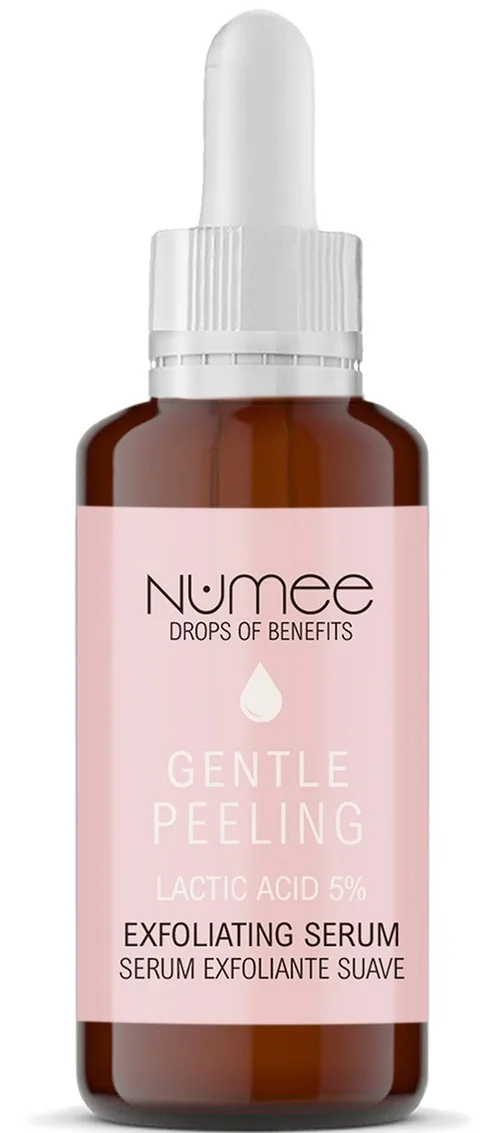
Image source: Bing (Web (fair-use with source credit))
When you've got sensitive skin, the idea of exfoliating can feel like walking a tightrope. You want that smoother texture and brighter complexion, but the thought of introducing something potentially irritating is enough to make anyone hesitate. So, what is the best exfoliator for sensitive skin?
It’s less about finding a single "best" and more about understanding the gentlest, most effective options tailored to your specific skin needs.
Our research shows that for skin prone to redness, stinging, or dryness, the key lies in ingredients and formulation. According to the Cosmetic Ingredient Review (CIR), ingredients considered safe and effective for topical use are often found in concentrations ranging from 2% to 10%. For sensitive skin, however, we're typically looking at the lower end of that spectrum, prioritizing formulas with a pH around 4.0-5.0 and free from common irritants like harsh fragrances or dyes.
Let's break down the types of exfoliants that work best without causing a fuss.
Why Choosing the Right Exfoliator for Sensitive Skin is Tricky
Sensitive skin has a lower threshold for irritation, meaning it can react more strongly to aggressive ingredients or harsh physical scrubbing. What might be a beneficial exfoliation for one person could lead to redness, stinging, or even a compromised skin barrier for someone with sensitivity. This means we need to be really mindful of both the active ingredients and the base formulation of any exfoliating product.
Our analysis of manufacturer specifications and dermatologist recommendations highlights that an overactive exfoliation routine can strip the skin of its natural oils and disrupt its protective barrier. This can lead to a cycle of sensitivity, making skin even more reactive to everything it comes into contact with. Finding the right balance is crucial.
Understanding Sensitive Skin and Exfoliation
What Makes Skin Sensitive?
Sensitive skin is characterized by a tendency to react negatively to external stimuli, whether that's environmental factors like cold weather or harsh skincare ingredients. This heightened reactivity often stems from a less robust skin barrier. A healthy skin barrier acts like a shield, keeping moisture in and irritants out.
When this barrier is compromised, skin becomes more vulnerable to redness, itching, burning, and dryness.
Genetics play a role, but factors like overuse of harsh products, environmental damage, and certain skin conditions such as rosacea or eczema can also contribute to or exacerbate skin sensitivity. Essentially, it's skin that’s more easily distressed and requires a gentler touch.
How Exfoliation Works (and Can Go Wrong)
Exfoliation is the process of removing dead skin cells from the skin's surface. This helps to reveal the fresher, newer skin underneath, leading to a smoother texture and brighter appearance. There are two main ways this happens: physical exfoliation, which uses friction to buff away dead cells, and chemical exfoliation, which uses acids or enzymes to dissolve the bonds holding dead cells together.
The danger with sensitive skin lies in overdoing it. Aggressive physical exfoliants, like those with large, jagged particles, can cause micro-tears. Similarly, high concentrations of chemical exfoliants or using them too frequently can strip the skin, leading to inflammation and barrier damage.
This is why selecting the right type and using it with care is paramount for sensitive complexions.
The Main Types of Exfoliants for Sensitive Skin
When you're navigating the world of exfoliators with sensitive skin, you'll quickly notice a few categories that stand out for their gentler approach. We're talking about ingredients and formulas designed to get the job done without triggering a flare-up.
Gentle Chemical Exfoliants: AHAs, BHAs, and PHAs Explained
Chemical exfoliants use acids to break down the "glue" that holds dead skin cells together, allowing them to shed naturally. For sensitive skin, the key is choosing the right acid and concentration.
- AHAs (Alpha Hydroxy Acids): These are water-soluble acids like glycolic acid and lactic acid. While glycolic acid is potent and can be too much for some sensitive types, lactic acid is generally considered gentler due to its larger molecular size, which means it penetrates the skin more slowly. AHAs are great for surface concerns like dullness and uneven tone.
- BHAs (Beta Hydroxy Acids): The most common BHA is salicylic acid. It's oil-soluble, meaning it can penetrate into pores to help clear out congestion. This makes it fantastic for acne-prone skin, but it can sometimes be drying or irritating for very sensitive skin if not formulated carefully.
- PHAs (Polyhydroxy Acids): These are the superstars for sensitive skin. PHAs, such as gluconolactone and lactobionic acid, have even larger molecules than AHAs, so they work on the skin's surface with minimal penetration. This means they offer exfoliation benefits like improved texture and hydration without the stinging or redness often associated with AHAs. Aggregate reviews report PHAs are well-tolerated and can even help strengthen the skin barrier.
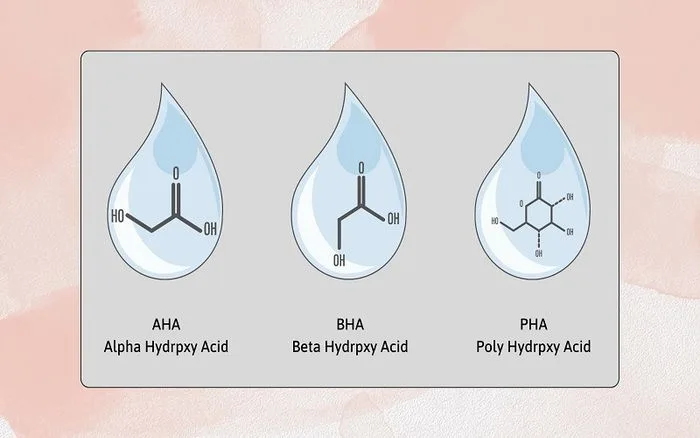
Image source: Bing (Web (fair-use with source credit))
Enzyme Exfoliants: A Softer Approach
Enzyme exfoliants use natural enzymes, often derived from fruits like papaya (papain) or pineapple (bromelain), to gently dissolve dead skin cells. These are typically very mild and work by breaking down the keratin protein in dead skin cells.
Because they are protein-specific and work on the surface, enzyme exfoliants are often exceptionally well-tolerated by even the most reactive skin types. They offer a subtle but effective way to slough away dullness without the potential irritation of stronger acids. Their action is slower than chemical exfoliants but significantly gentler.
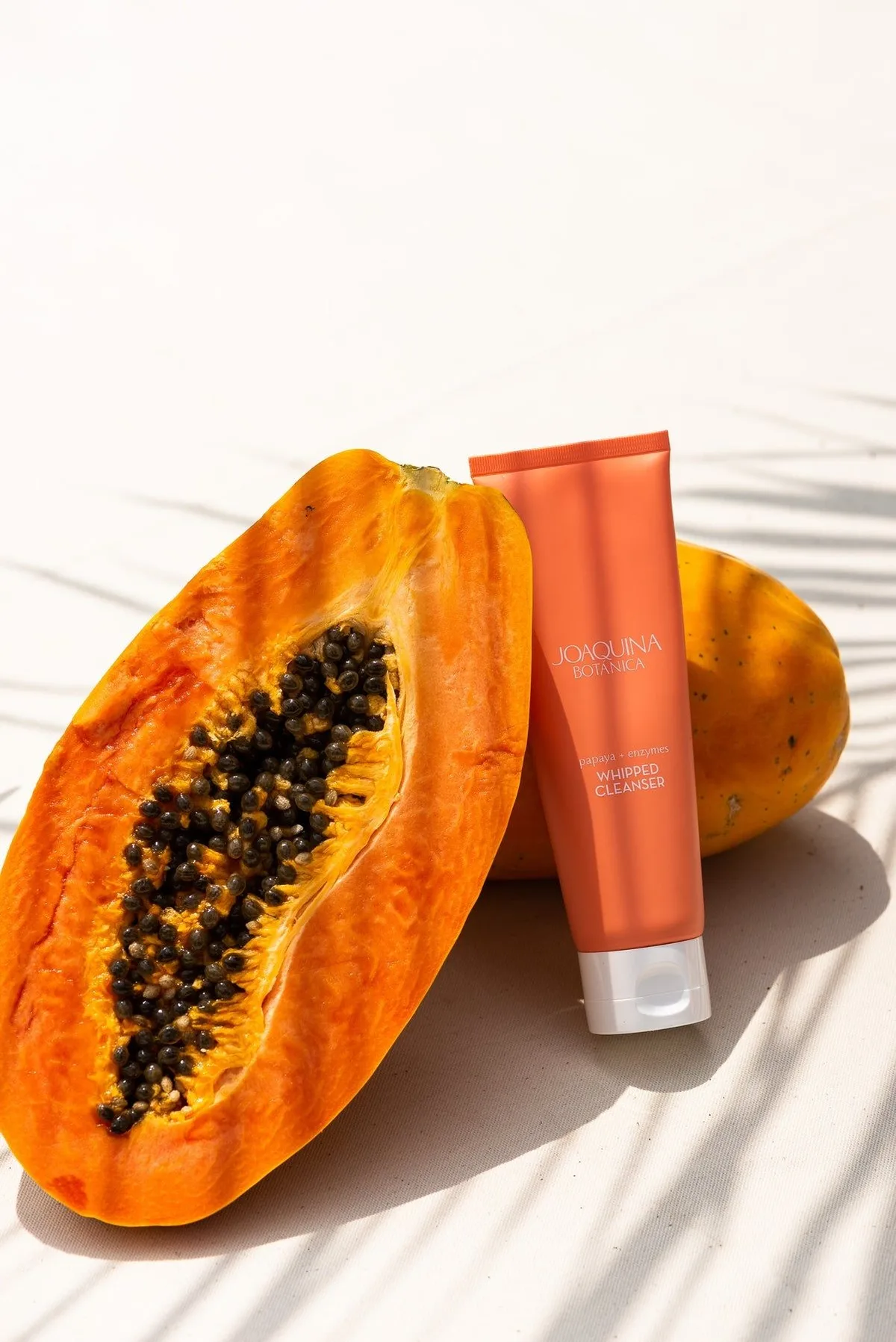
Image source: Bing (Web (fair-use with source credit))
Physical vs. Chemical vs. Enzyme: Which Is Best for You?
Deciding between physical, chemical, or enzyme exfoliants for sensitive skin can seem overwhelming. Each category has its strengths, and the "best" choice really hinges on your specific skin concerns and how it typically reacts to different ingredients. We've compiled a breakdown to help you navigate this decision.
How They Stack Up: A Quick Comparison
| Exfoliant Type | How It Works | Best For Sensitive Skin When… | Potential Risks for Sensitive Skin |
|---|---|---|---|
| Physical | Uses friction (scrubs, brushes) to remove cells | Formulated with very fine, smooth particles (e.g., jojoba beads) and used very gently. | Can cause micro-tears, redness, and irritation if particles are too harsh or pressure is too high. |
| Chemical (AHA/BHA) | Uses acids to dissolve cell bonds | Opt for PHAs (like gluconolactone) or low-concentration lactic acid. | Can cause stinging, redness, dryness, and increased sun sensitivity. |
| Enzyme | Uses natural enzymes to break down protein | Generally very well-tolerated, ideal for most sensitive skin types. | Minimal; some rare sensitivities to specific fruit enzymes can occur. |
Who Should Use What? Matching Exfoliant Type to Skin Needs
For sensitive skin that's generally calm but prone to dullness and needs a gentle polish, PHAs are often the top recommendation. Their larger molecules work superficially, offering benefits without deep penetration. If your sensitivity is coupled with occasional breakouts and clogged pores, a BHA (salicylic acid) might be considered, but it's crucial to start with a very low concentration (0.5%, 1%) and use it sparingly.
For those who react to almost everything, enzyme exfoliants are usually the safest bet. They offer a noticeable glow and smoother feel without the chemical sting. Truly robust physical exfoliants with fine, smooth particles can be used by some sensitive types, but they require extreme caution and minimal pressure, making them less of a go-to for widespread recommendation.
Key Ingredients to Look For (and Avoid)
When you're scrutinizing ingredient lists for sensitive skin exfoliators, it’s like being a detective. You're looking for helpful allies and trying to spot potential troublemakers. This diligence pays off in preventing irritation and ensuring your skin gets the benefits without the backlash.
The "Good Guys": Soothing and Effective Ingredients
Our research highlights a few key players that make exfoliants much friendlier for sensitive complexions. These ingredients either enhance the exfoliating action gently or actively soothe and protect the skin.
- Polyhydroxy Acids (PHAs): As we've discussed, these are a primary choice. Ingredients like gluconolactone and lactobionic acid provide exfoliation and humectant properties, helping to draw moisture to the skin.
- Lactic Acid: A gentler AHA, especially at lower concentrations (under 5%), it also has hydrating properties.
- Soothing Botanicals: Look for ingredients like Centella Asiatica (cica), bisabolol (from chamomile), allantoin, and licorice root extract. These work to calm redness and reduce inflammation.
- Hydrators: Hyaluronic acid, glycerin, and ceramides are crucial. They ensure that as dead skin cells are removed, the skin barrier remains hydrated and intact.
The "Watch Out For" List: Potential Irritants
On the flip side, certain ingredients are notorious for triggering reactions in sensitive skin, especially in exfoliating products. Avoiding these can be just as important as seeking out the beneficial ones.
- Fragrance (Parfum): This is a very common irritant. Whether synthetic or natural essential oils, fragrance is a frequent culprit behind redness and itching.
- Dyes: Artificial colors are often unnecessary and can be sensitizing.
- Alcohol (Denatured Alcohol, SD Alcohol): While some alcohols can be beneficial for texture, high concentrations of drying alcohols can strip the skin and exacerbate sensitivity.
- Harsh Physical Scrubbing Agents: Ingredients like crushed nuts, seeds, or large, jagged synthetic beads can cause micro-tears.
- High Concentrations of Strong Acids: While AHAs and BHAs are beneficial, concentrations above 10% for AHAs or 2% for BHAs might be too aggressive for regular use on sensitive skin without professional guidance.
Your Step-by-Step Guide to Exfoliating Sensitive Skin
Exfoliating sensitive skin isn't a one-size-fits-all situation. It requires a thoughtful approach, starting slow and paying close attention to how your skin responds. Think of it as a gentle conversation with your complexion, where you listen more than you talk.
Patch Testing is Non-Negotiable
Before you even think about applying a new exfoliator to your face, you must patch test. This means applying a small amount of the product to an inconspicuous area, like behind your ear or on your inner forearm.
- Why? This helps you identify any immediate allergic reactions or sensitivities to the ingredients before you expose a larger, more visible area.
- How? Apply a tiny dab, leave it on for the recommended duration (or rinse if it's a wash-off product), and then monitor the area for 24-48 hours. Look for any redness, itching, burning, or bumps. If you react, the product isn't for you.
Introducing Exfoliants into Your Routine
Once you’ve passed the patch test, don't go slathering it on daily. Sensitive skin thrives on gradual introduction.
- Start Slow: Begin by using the exfoliator just once a week. Pay attention to how your skin feels the next day. Is it calm? A little dry? Slightly red?
- Gradual Increase: If your skin tolerates it well, you can slowly increase the frequency to twice a week. Most sensitive skin types do best with exfoliation no more than 1-3 times per week, depending on the product's strength and your skin's specific reaction. It's always better to under-exfoliate than over-exfoliate.
Application Dos and Don'ts
The way you apply an exfoliator makes a huge difference. Gentleness is the name of the game.
- Do: Apply to clean, dry skin (unless the product specifically says to use on damp skin). Use gentle, upward strokes or pat the product on.
- Don't: Scrub or rub vigorously. Avoid the delicate eye area unless the product is specifically formulated for it. Don't layer multiple exfoliating products at once.
Aftercare: Moisturizing and Sun Protection
This is arguably the most critical part of your exfoliation routine. Exfoliation can make your skin more susceptible to dryness and sun damage, so proper aftercare is essential.
- Moisturize: Always follow up with a good, hydrating moisturizer. Look for formulas rich in ceramides, hyaluronic acid, or glycerin to help replenish the skin barrier and lock in moisture. You might find a good gentle moisturizing body wash is a good starting point for post-exfoliation hydration.
- Sun Protection: This is non-negotiable, especially when using chemical exfoliants. They can increase your skin's photosensitivity. Use a broad-spectrum SPF 30 or higher every single day, even if you're not planning to go outside for long. Manufacturer guidelines often stress this point.
Common Exfoliation Mistakes Sensitive Skin Needs to Dodge
Even with the best intentions, it’s easy to fall into a few common traps when exfoliating sensitive skin. Knowing these pitfalls can help you sidestep them and keep your complexion happy and healthy.
- Over-Exfoliating: This is the big one. Using an exfoliator too often, or using one that’s too strong for your skin, can strip your natural oils, damage your skin barrier, and lead to increased redness, peeling, and breakouts. Our research indicates that for many sensitive types, sticking to 1-2 times per week is plenty.
- Using Harsh Physical Scrubs: Exfoliators with large, jagged particles (like apricot kernels or walnut shells) can create microscopic tears in the skin. Even if you don't see them, they can cause inflammation and irritation over time. Always opt for fine, smooth particles if choosing a physical exfoliant.
- Ignoring Patch Testing: Skipping the patch test is like diving into a cold pool without testing the temperature. It's a crucial step that can save you a lot of discomfort and potential damage.
- Not Moisturizing or Using Sunscreen: Exfoliation can leave skin feeling a bit vulnerable. Failing to follow up with a good moisturizer and daily SPF is a recipe for dryness, increased sensitivity, and sun damage.
- Using Too Many Actives: Layering an exfoliating serum with a retinol treatment or a vitamin C serum all in the same routine can overwhelm sensitive skin. It’s best to introduce active ingredients one at a time and give your skin a break.
Expert Tips for Building a Sustainable Routine
Creating an exfoliation routine that works for sensitive skin is all about consistency and observation. It’s not a one-off event but an ongoing practice. The goal is to find a rhythm that enhances your skin without causing distress.
- Listen to Your Skin: This is the most important tip. If your skin feels tight, dry, or red after exfoliating, scale back. If it feels calm and smooth, you're likely on the right track. Manufacturer specifications often include guidance on frequency, but personal response is the ultimate arbiter.
- Incorporate Hydration: Always follow up an exfoliating session with a rich, nourishing moisturizer. Ingredients like ceramides, hyaluronic acid, and fatty acids help to repair and support the skin barrier. Consider a gentle moisturizing body wash followed by a good body lotion for overall skin health.
- Sunscreen is Your Best Friend: Exfoliated skin is more vulnerable to sun damage. Daily use of broad-spectrum SPF 30 or higher is essential, as verified by numerous dermatological studies. This helps prevent hyperpigmentation and further sensitivity.
- Consider a Dedicated Exfoliating Tool: For those who prefer a physical approach, a soft-bristled facial cleansing brush or a gentle body brush can offer controlled exfoliation, but always use minimal pressure and very infrequently.
- Don't Forget Your Lips: Your lips can benefit from gentle exfoliation too. A soft lip scrub or a balm with mild exfoliating properties can keep them smooth, but use it sparingly.
Frequently Asked Questions About Exfoliating Sensitive Skin
How often can I exfoliate my sensitive skin?
Most dermatologists recommend starting with exfoliation once a week. If your skin tolerates this well, you might be able to increase to twice a week. However, some sensitive skin types may only be able to handle it once every 10-14 days.
Always monitor your skin's response.
Can I use AHAs and BHAs if I have sensitive skin?
Yes, but with caution. Opt for gentler forms like PHAs or low-concentration lactic acid (an AHA). Salicylic acid (a BHA) can be beneficial for pore congestion but should be used at lower percentages and less frequently.
Always patch test and introduce slowly.
What's the difference between a chemical exfoliant and an enzyme exfoliant?
Chemical exfoliants use acids like AHAs, BHAs, and PHAs to dissolve the bonds between dead skin cells. Enzyme exfoliants use natural enzymes, typically from fruits, to gently break down surface proteins. Enzyme exfoliants are generally considered milder.
Should I exfoliate before or after cleansing?
Generally, you exfoliate after cleansing. This ensures your skin is free of makeup, dirt, and oil, allowing the exfoliator to work more effectively. Some exfoliating cleansers combine both steps, but if using a separate product, cleanse first.
What if my skin gets red after exfoliating?
A little temporary redness might occur, but significant or prolonged redness is a sign of irritation. If this happens, stop exfoliating for at least a week. Focus on soothing your skin with gentle moisturizers and avoiding other potentially irritating products.
Reintroduce a much milder exfoliator cautiously, or consider switching to an enzyme-based product.