What Is the Best Skincare Routine for Beginners?

Image source: Bing (Web (fair-use with source credit))
When you're just starting out with skincare, the sheer volume of products and advice can feel overwhelming. You want to know what is the best skincare routine for beginners, but not at the cost of confusing yourself with too many steps or ingredients. The goal is simple: healthy, happy skin without the complexity.
We've broken down the essentials to get you started confidently. It’s about understanding your skin and using a few key players consistently. For instance, sunscreen is vital, and per the U.S.
Food and Drug Administration (FDA), it must provide broad-spectrum protection and have an SPF of 15 or higher to be considered effective. Let's dive into building a straightforward, effective routine.
Starting Your Skincare Journey: What You Really Need
Figuring out a skincare routine can seem daunting when you're new to it. You might see people talking about ten-step rituals or exotic ingredients and think, "Where do I even begin?" The truth is, a truly effective routine for beginners is much simpler. It focuses on the fundamental needs of your skin: cleansing, moisturizing, and protecting.
We're talking about the core essentials that make a real difference without causing confusion or irritation. Think of it as laying a solid foundation before you even consider adding special treatments.
What's Your Skin Type? The First Big Question
Before you pick a single product, the most important step is understanding your own skin. What works wonders for one person might cause breakouts or dryness for another. Identifying your skin type is like getting a personalized map for your skincare journey.
It guides you toward the right kinds of products and ingredients.
Oily Skin: Shine Control Basics
If your skin tends to look shiny, especially in the T-zone (forehead, nose, and chin), you likely have oily skin. Pores might also appear larger, and you may be more prone to blackheads and acne. The key here is to manage excess oil without stripping your skin completely, which can actually make it produce more oil.
Dry Skin: Hydration First Steps
Dry skin often feels tight, especially after washing, and might appear dull or flaky. You might notice fine lines are more visible, and your skin can feel rough to the touch. The priority for dry skin is adding and retaining moisture.
Combination Skin: Balancing Act
Combination skin is exactly what it sounds like: a mix of different types. Typically, the T-zone is oily, while the cheeks might be normal or dry. This means you might need different approaches for different parts of your face.
Sensitive Skin: Gentle Does It
Sensitive skin can react easily to products, the environment, or even stress. Redness, itching, stinging, or burning are common signs. If you have sensitive skin, your main goal is to choose products that are calming and minimize the risk of irritation.
The Absolute Must-Haves for Beginners
Forget the overwhelming aisles of beauty stores for now. When you're starting out, you only need a few core products. These are the workhorses that form the backbone of any healthy skincare routine.
Getting these right makes a massive difference.
Cleanser: Your Skin's Fresh Start
A good cleanser is the first step in removing dirt, oil, and impurities that accumulate on your skin throughout the day. For beginners, the best choice is typically a gentle, pH-balanced cleanser. This means it won't disrupt your skin's natural barrier, which is crucial for healthy skin.
Look for terms like "gentle," "hydrating," or "for all skin types" on the packaging. Avoid anything that leaves your skin feeling tight or squeaky clean, as that's a sign it might be too harsh.
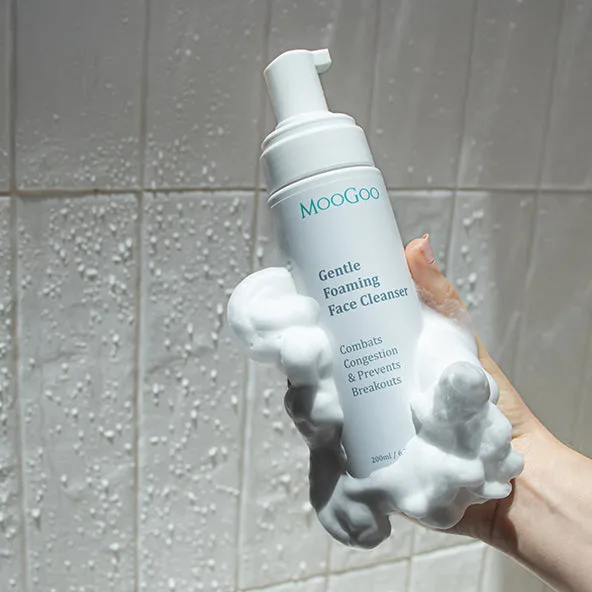
Image source: Bing (Web (fair-use with source credit))
Moisturizer: Locking in Goodness
Moisturizer is non-negotiable, regardless of your skin type. Even oily skin needs hydration. Moisturizers help to hydrate your skin, prevent water loss, and keep your skin's barrier functioning properly.
For oily or acne-prone skin, a lightweight, oil-free, or gel-based moisturizer is ideal. Dry skin will benefit from richer, creamier formulas that offer more intense hydration. Always opt for non-comedogenic formulas, meaning they're less likely to clog your pores.
Sunscreen: Your Daily Shield
Sunscreen is arguably the most important step in any skincare routine, especially for beginners. Daily use of sunscreen protects your skin from harmful ultraviolet (UV) radiation from the sun. This protection helps prevent sunburn, premature aging (like wrinkles and dark spots), and significantly reduces your risk of skin cancer.
The FDA requires sunscreens to be broad-spectrum, meaning they protect against both UVA and UVB rays, and have an SPF (Sun Protection Factor) of at least 15. For daily use, an SPF of 30 or higher is generally recommended. Remember to apply it every morning, even on cloudy days, as UV rays can penetrate clouds.
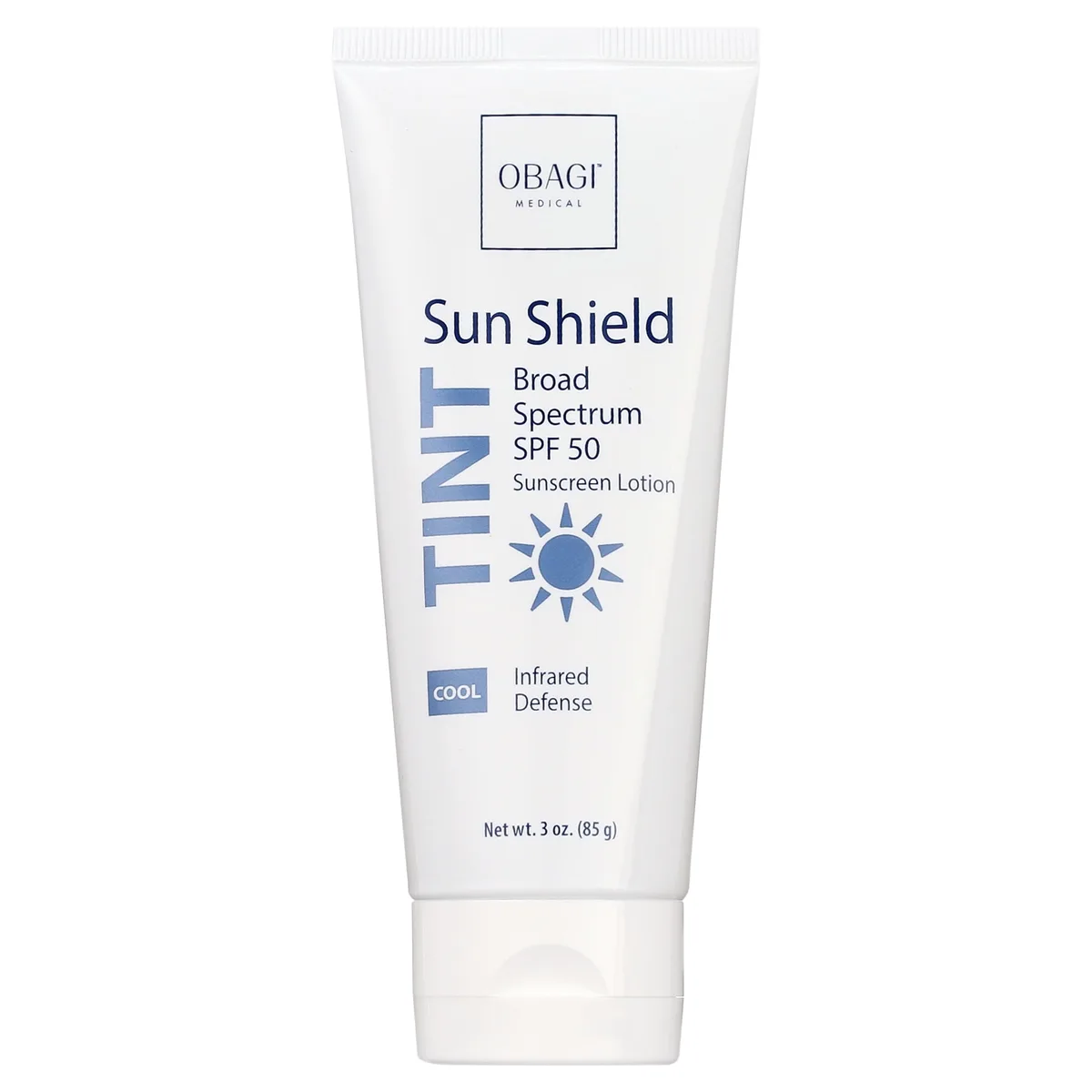
Image source: Bing (Web (fair-use with source credit))
Building Your Basic Routine: Step-by-Step
With your core products in hand, let's put them to use. A beginner routine doesn't need to be complicated; consistency is far more important than complexity. We’ll cover the morning and evening steps.
Morning Routine: Prep for the Day
Your morning routine is all about preparing your skin for the day ahead and protecting it from environmental factors.
- Step 1: Cleanse. Gently wash your face with your chosen cleanser. This removes any oil or sweat that may have accumulated overnight. You can use lukewarm water and your fingertips.
- Step 2: Moisturize. Apply a thin layer of moisturizer to your face and neck. This helps to keep your skin hydrated throughout the day.
- Step 3: Sunscreen. Apply broad-spectrum sunscreen with an SPF of 30 or higher. Make sure to cover all exposed areas of your face and neck.
Evening Routine: Cleanse and Repair
Your evening routine focuses on removing the day's buildup and allowing your skin to repair itself overnight.
- Step 1: Cleanse. Thoroughly cleanse your face to remove makeup, sunscreen, dirt, and pollutants. If you wear makeup, you might consider a double cleanse: first with a makeup remover or oil cleanser, followed by your regular gentle cleanser.
- Step 2: Moisturize. Apply your moisturizer to your face and neck. This step replenishes moisture and supports your skin's natural repair processes while you sleep.
Common Beginner Skincare Slip-Ups to Dodge
When you're just getting started, it's easy to make mistakes that can hinder your progress or even irritate your skin. Being aware of these common pitfalls can help you avoid them.
Too Much, Too Soon
One of the biggest mistakes is thinking more is better. Beginners often jump into using multiple new products at once, a cleanser, a serum, a toner, an exfoliant, and a spot treatment, all at the same time. This can overwhelm your skin, making it hard to tell which product is causing any adverse reactions.
It can also lead to irritation, redness, or breakouts.
Our research indicates that introducing new products one at a time, with at least a week or two between each new addition, is the safest approach. This allows you to monitor your skin's response and identify any potential issues.
Skipping the SPF
It's surprising how often sunscreen gets left out of a morning routine, even by those who are starting to care about their skin. Sun damage is a leading cause of premature aging, dark spots, and increased risk of skin cancer. UV rays are present every day, regardless of the weather or if you're indoors near a window.
Making sunscreen a non-negotiable daily habit, like brushing your teeth, is one of the best things you can do for your skin's long-term health.
Harsh Ingredients Hurting Your Skin
Some beginners mistakenly believe that a "deep clean" means using harsh, stripping ingredients. Products containing high concentrations of alcohol, strong fragrances, or abrasive physical scrubs can strip your skin of its natural oils and damage its protective barrier. This can lead to dryness, redness, increased sensitivity, and even a rebound effect where your skin produces more oil to compensate.
Always look for gentle, skin-barrier-supporting ingredients.
When to Consider Adding More (or Seeing a Pro)
Once you've mastered the basic cleanse, moisturize, and SPF routine for a few weeks, you might notice specific skin concerns that you'd like to address. This is when you can start thinking about adding targeted treatments. However, it's crucial to do this mindfully, adding one new product at a time to see how your skin reacts.
Spot Treatments and Serums
If acne is a persistent issue, a targeted spot treatment can be very effective. These often contain ingredients like salicylic acid or benzoyl peroxide. Serums are also a great way to introduce beneficial ingredients like hyaluronic acid for extra hydration or vitamin C for brightening.
You would typically apply a serum after cleansing and before moisturizing. Remember, these are meant to supplement your core routine, not replace it.
Beyond the Basics: When to Get Expert Advice
There are times when a basic routine just isn't enough, or you're unsure about what's causing your skin issues. Persistent acne, sudden rashes, or concerns about signs of aging that aren't responding to over-the-counter products are good indicators to seek professional help. A dermatologist can accurately diagnose skin conditions and recommend specific treatments, including prescription-strength options.
They can also guide you on advanced ingredients or procedures if needed. For instance, for persistent or severe acne, consulting a dermatologist is often recommended.
Frequently Asked Questions for Newbies
What is the quickest way to see results from a new routine?
Consistency is key. While you might notice softer skin from a good moisturizer within days, significant changes like clearer skin or reduced redness often take at least 4-6 weeks of consistent daily use.
Can I use the same products for my face and body?
Generally, facial skin is more delicate than body skin. While some gentle body washes or lotions might be okay for the face if you have very resilient skin, it's usually best to use products formulated specifically for the face to avoid irritation or clogged pores. For example, many find that a dedicated facial cleanser offers a gentler clean.
How often should I exfoliate as a beginner?
Most beginners should start with exfoliating only once or twice a week, if at all. Over-exfoliation can damage your skin barrier. If you have sensitive skin, you might skip exfoliation initially or opt for very mild chemical exfoliants.
Do I really need a toner?
For a beginner routine, a toner is usually not essential. The core three, cleanser, moisturizer, and sunscreen, are the priority. Some toners can offer benefits like added hydration or mild exfoliation, but they aren't a mandatory step when you're just starting out.
How do I know if a product is making my skin worse?
Watch for signs like increased redness, itching, burning, new breakouts appearing where you don't normally get them, or excessive dryness and peeling. If you experience these after introducing a new product, stop using it immediately.