What Beauty Habits Should I Develop?

Image source: Web (Bing) / aadblog.com (Web image (fair-use with source credit))
Developing effective beauty habits is key to healthier, more radiant skin, but knowing where to start can feel overwhelming. The question "What beauty habits should I develop?" really boils down to understanding your unique skin and building a consistent, gentle routine. This isn't about a million products; it's about simple, impactful practices that work for you.
Our research shows that foundational habits like proper cleansing and consistent sun protection can significantly improve skin health. For instance, the American Academy of Dermatology recommends using a broad-spectrum sunscreen with an SPF of 30 or higher daily, as this single step can prevent premature aging and reduce skin cancer risk. Let's break down how to build these essential practices.
Quick Answer
Develop habits focused on cleansing, moisturizing, and sun protection daily. Tailor these to your specific skin type: oily, dry, combination, or sensitive. Consistent application, gentle techniques, and understanding product ingredients are crucial.
Avoid over-exfoliation and harsh chemicals. Focus on hydration from within and get adequate sleep.
Your Skin Type: The First Big Question
Before you can build effective beauty habits, you really need to understand what you're working with. That means figuring out your skin type. It’s like knowing your car's make and model before you start tinkering under the hood; it guides every decision you make.
Most people fall into one of a few main categories: oily, dry, combination, or sensitive skin.
- Oily Skin: This skin type often looks shiny, especially in the T-zone (forehead, nose, and chin). You might notice larger pores and be more prone to breakouts. Oily skin produces more sebum, the natural oil your skin makes.
- Dry Skin: Dry skin often feels tight, flaky, or rough. It might look dull and can be more susceptible to irritation. This skin type doesn't produce enough sebum.
- Combination Skin: This is pretty common and means you have different skin types in different areas. Typically, the T-zone is oily, while the cheeks are normal or dry.
- Sensitive Skin: This skin type can react easily to products, environmental factors, or even stress. You might experience redness, itching, or stinging.
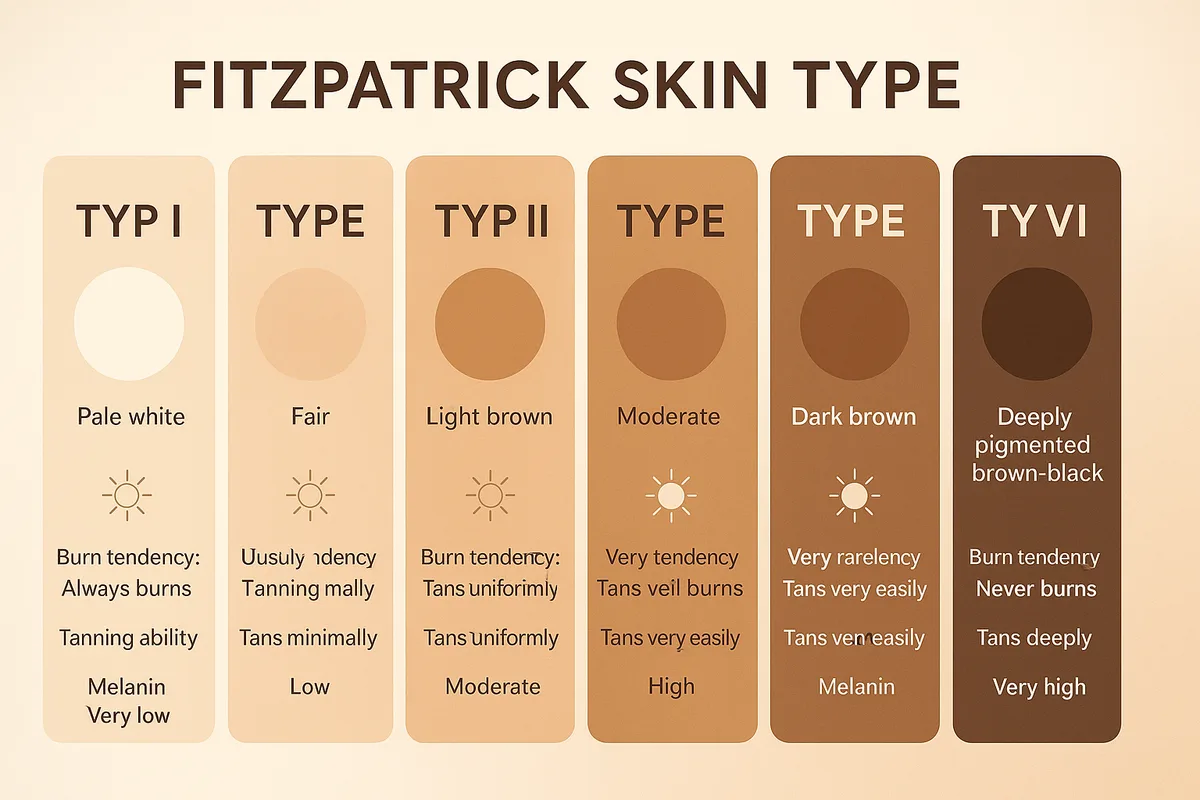
Image source: Bing (Web (fair-use with source credit))
Knowing your type helps you choose the right products and avoid common pitfalls. For example, someone with dry skin will need a richer moisturizer than someone with oily skin, who might opt for a lightweight, gel-based formula. This understanding is the bedrock of a successful routine.
Building Your Daily Cleansing Habit
Cleansing is non-negotiable; it’s the absolute starting point for any effective beauty routine. Think of it as clearing the canvas before you paint. Every day, your skin accumulates dirt, oil, pollution particles, and leftover product.
If you don't wash it away, it can clog pores, lead to breakouts, and prevent your other skincare products from working their best.
The goal is to remove impurities without stripping your skin of its natural moisture barrier. Over-cleansing or using harsh soaps can damage this barrier, leading to irritation, dryness, and even increased oil production as your skin tries to compensate. As of 2026, dermatologists continue to emphasize gentle cleansing for all skin types.
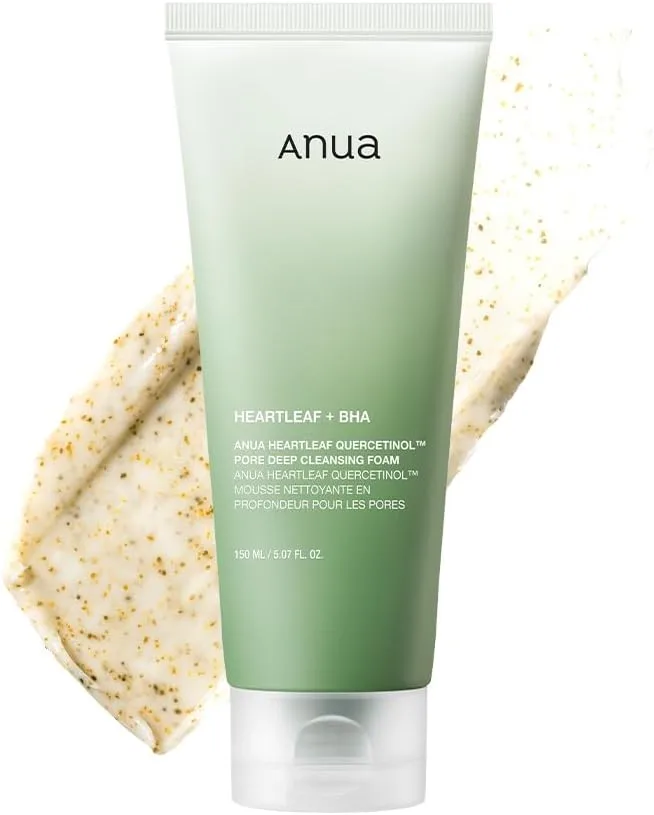
Image source: Web (Bing) / amazon.com (Web image (fair-use with source credit))
How to Cleanse Based on Your Skin
The "how" of cleansing really depends on your skin type and what you've applied to your face throughout the day.
- For Oily or Acne-Prone Skin: A gentle foaming cleanser or a gel-based cleanser works well. Look for ingredients like salicylic acid to help keep pores clear. Avoid overly stripping cleansers that can lead to rebound oiliness. You might consider a double cleanse in the evening if you wear makeup or heavy SPF.
- For Dry or Sensitive Skin: Creamy, hydrating cleansers or oil-based cleansers are your best bet. These cleanse effectively without removing natural oils. Look for ingredients like ceramides, hyaluronic acid, and glycerin. A gentle facial cleansing cloth can help remove residue without irritation.
- For Combination Skin: You can often get away with a gentle, balanced cleanser. If one side of your face is much oilier, you might use a slightly stronger cleanser there and a gentler one on drier areas, or alternate cleansers.
- For Makeup Removal: If you wear makeup, especially waterproof or heavy formulas, a dedicated makeup remover or a first cleanse with an oil-based cleanser or micellar water is highly recommended. This ensures all traces of makeup are gone before you use your regular cleanser. Using a reusable makeup remover pad is an eco-friendly option.
Always use lukewarm water, not hot, as hot water can strip the skin. Gently massage the cleanser into your skin for about 30-60 seconds, then rinse thoroughly and pat your face dry with a clean towel. Never rub vigorously.
Moisturizing: Locking in Hydration
Once your skin is clean, it needs replenishment. Moisturizing is the crucial step that seals in hydration and protects your skin's natural barrier. Even oily skin types need moisturizer; skipping it can actually cause your skin to produce more oil to compensate for the dryness.
Think of it as putting a protective seal on your freshly cleansed canvas.
Proper hydration helps maintain skin's elasticity, reduces the appearance of fine lines, and keeps your complexion looking plump and healthy. Without it, skin can feel tight, look dull, and become more prone to irritation.
Why Moisturizers Matter for Everyone
- Maintains Skin Barrier Function: The skin barrier is your first line of defense against environmental aggressors and moisture loss. Moisturizers help reinforce this barrier.
- Prevents Water Loss: They create a seal on the skin's surface, slowing down transepidermal water loss (TEWL).
- Soothes and Calms: Many moisturizers contain ingredients that calm redness and irritation.
- Improves Skin Texture: Well-moisturized skin is smoother and softer.
- Can Address Specific Concerns: Some formulations target concerns like aging or acne.
Choosing the Right Moisturizer
Just like cleansers, the best moisturizer depends heavily on your skin type and concerns.
- For Oily Skin: Look for lightweight, oil-free, non-comedogenic formulas. Gel-based moisturizers or lotions are often ideal. Ingredients like hyaluronic acid can provide hydration without feeling heavy.
- For Dry Skin: Opt for richer, creamier moisturizers. Ingredients like ceramides, shea butter, and petrolatum are excellent for locking in moisture.
- For Combination Skin: A balanced lotion can work. You might also consider using different moisturizers on different parts of your face, a lighter one on the T-zone and a richer one on drier areas.
- For Sensitive Skin: Fragrance-free, hypoallergenic formulas are essential. Look for minimal ingredient lists and soothing ingredients like oat extract or centella asiatica.
Apply moisturizer to slightly damp skin, this helps to trap even more moisture. Gently pat or massage it in. The American Academy of Dermatology notes that people with eczema often benefit from thicker creams and ointments.
Sun Protection: Your Daily Shield
This is arguably the most critical habit for long-term skin health and appearance. Sun protection isn't just for beach days; it's a year-round, every-day essential. UV radiation from the sun is a primary cause of premature aging (think wrinkles, sun spots) and significantly increases your risk of skin cancer.
The American Academy of Dermatology (AAD) consistently recommends daily use of broad-spectrum sunscreen with an SPF of 30 or higher. Broad-spectrum means it protects against both UVA (aging) rays and UVB (burning) rays. Even on cloudy days, UV rays can penetrate.
Understanding SPF and What It Means
SPF stands for Sun Protection Factor. It primarily measures protection against UVB rays, the ones that cause sunburn.
- SPF 15: Blocks about 93% of UVB rays.
- SPF 30: Blocks about 97% of UVB rays.
- SPF 50: Blocks about 98% of UVB rays.
Higher SPFs offer slightly more protection, but the difference becomes less significant after SPF 30. The key is consistent application and reapplication.
Making Sunscreen a Non-Negotiable Habit
- Apply Generously: Most people don't use enough sunscreen. A general guideline is about a nickel-sized amount for your face and neck.
- Apply as the Last Step: In your morning routine, sunscreen should be the last skincare product you apply before makeup.
- Reapply: If you're outdoors for extended periods, sweating, or swimming, reapply every two hours. Even if you're just sitting by a window, some UVA rays can still reach your skin.
- Don't Forget Other Areas: Lips, ears, neck, and the backs of your hands are often forgotten but are just as vulnerable. Consider a lip balm with SPF.
Choosing a formula you enjoy using is key to making this habit stick. There are now many cosmetically elegant sunscreens available, including lightweight lotions, gels, and even tinted versions, so finding one that suits your skin type and preferences is easier than ever.
Addressing Your Specific Skin Concerns
Once you have your foundational habits, cleansing, moisturizing, and sun protection, in place, you can start thinking about how to target specific skin issues. This is where targeted treatments and serums come into play. These products are designed with higher concentrations of active ingredients to address concerns like acne, hyperpigmentation, fine lines, and dullness.
Think of your basic routine as maintaining your skin's health, and these targeted products as specialists that address particular problems. It’s important to introduce these actives gradually to avoid overwhelming your skin.
Serums and Treatments: Targeted Help
- For Acne: Look for ingredients like salicylic acid (a beta-hydroxy acid or BHA), benzoyl peroxide, or retinoids. These help unclog pores, reduce inflammation, and kill acne-causing bacteria.
- For Hyperpigmentation (Dark Spots): Ingredients like Vitamin C, niacinamide, alpha arbutin, and certain retinoids can help fade dark spots and even out skin tone.
- For Fine Lines and Wrinkles: Retinoids (like retinol or prescription tretinoin), peptides, and antioxidants such as Vitamin C are your allies. These work to boost collagen production and speed up cell turnover.
- For Redness and Sensitivity: Look for calming ingredients like centella asiatica, green tea extract, niacinamide, and licorice root extract.
When to Introduce New Products
The biggest mistake people make is trying too many new things at once. This makes it impossible to tell what’s working and what might be causing irritation.
- Introduce One Product at a Time: Wait at least two to four weeks after introducing a new product before adding another. This gives your skin time to show its reaction.
- Start Slow: If you’re trying a potent ingredient like a retinoid or a strong Vitamin C serum, start by using it only 2-3 times a week and gradually increase frequency as your skin tolerates it.
- Patch Test: Always perform a patch test on a small, inconspicuous area of your skin (like behind the ear or on your inner forearm) before applying a new product all over your face. Wait 24-48 hours to see if any reaction occurs.
- Listen to Your Skin: If a product causes stinging, burning, excessive redness, or peeling, stop using it immediately. Your skin's comfort is a key indicator of whether a product is right for you.
Lifestyle Habits That Boost Your Beauty
Beyond topical applications, your internal habits play a massive role in your skin's health and appearance. What you do throughout the day and night directly impacts how your skin looks and feels. Focusing on sleep, hydration, and diet creates a foundation that makes your skincare efforts much more effective.
These aren't beauty tricks; they're fundamental wellness practices with visible skin benefits.
Think of it this way: you can apply the best serums, but if you're chronically sleep-deprived or dehydrated, your skin won't perform at its peak. Many common skin concerns, from dullness to breakouts, can be exacerbated by lifestyle factors. Addressing these holistically is a powerful approach to achieving glowing skin.
The Sleep-Skin Connection
Sleep isn't just for resting; it's when your body, including your skin, does its most important repair work. During deep sleep, your body releases growth hormone, which helps repair and regenerate cells. Collagen production also increases during this time, which is vital for skin elasticity and reducing the appearance of wrinkles.
When you don't get enough quality sleep, your body produces more cortisol, the stress hormone. Elevated cortisol levels can break down collagen and trigger inflammation, leading to dullness, breakouts, and the premature aging of your skin. For optimal skin health, aim for 7-9 hours of uninterrupted sleep per night.
Consistent sleep schedules, even on weekends, help regulate your body's natural circadian rhythm, which benefits skin repair processes.
Hydration and Diet: What You Eat and Drink
Staying hydrated is crucial for keeping your skin plump and functioning properly. Water helps to flush out toxins and maintain your skin's moisture barrier, preventing dryness and flakiness. Dehydration can make fine lines and wrinkles more apparent, and can also lead to dull, tired-looking skin.
Your diet is another significant factor. Foods rich in antioxidants, vitamins, and healthy fats support skin health. Think of fruits, vegetables, lean proteins, and nuts.
Antioxidants, found in berries, leafy greens, and colorful vegetables, help protect your skin cells from damage caused by free radicals. Conversely, a diet high in processed foods, sugar, and unhealthy fats can contribute to inflammation and exacerbate skin issues like acne.
Stress Management for Clearer Skin
Chronic stress has a direct negative impact on your skin. When you're stressed, your body releases cortisol, which, as mentioned, can disrupt the skin barrier, increase oil production, and trigger inflammatory responses that worsen conditions like acne or eczema. Finding healthy ways to manage stress is therefore a vital beauty habit.
This could involve practices like mindfulness meditation, deep breathing exercises, yoga, spending time in nature, or engaging in hobbies you enjoy. Even short periods of stress-reducing activities can make a difference. Prioritizing mental well-being is as important for your skin as any topical treatment.
Common Beauty Habit Mistakes to Sidestep
Even with the best intentions, it's easy to fall into some common traps that can hinder your progress or even cause new problems. Being aware of these mistakes can save you frustration and help you build a more effective routine. Many are simple oversights that, once corrected, can dramatically improve your skin's health.
One of the most frequent errors is introducing too many new products at once. This is especially true when people get excited about new active ingredients. Another common issue is over-exfoliation.
While exfoliation is beneficial for removing dead skin cells and revealing brighter skin, doing it too often or too aggressively can strip the skin and damage its natural barrier.
Here are a few more frequent missteps:
- Not being consistent: Even the best products won't work if you don't use them regularly. A daily routine is key.
- Using harsh ingredients: Products with high alcohol content or strong fragrances can irritate and dry out the skin, particularly for those with sensitive skin.
- Skipping sunscreen: As we've covered, this is a major one that accelerates aging and increases cancer risk.
- Not cleansing properly: Leaving makeup or dirt on your skin overnight can lead to breakouts and dullness.
- Ignoring your skin type: Using products formulated for the wrong skin type will likely cause more problems than solutions.
Table: Common Skin Mistake vs. Corrective Action
| Mistake | Corrective Action |
|---|---|
| Using too many new products | Introduce one new product at a time, wait 2-4 weeks. |
| Over-exfoliation | Exfoliate 1-3 times per week, depending on product and skin. |
| Inconsistent routine | Stick to a morning and evening routine daily. |
| Harsh ingredients | Choose fragrance-free, alcohol-free products for sensitive skin. |
| Skipping sunscreen | Apply broad-spectrum SPF 30+ daily, rain or shine. |
| Not cleansing thoroughly | Use a double cleanse if wearing makeup or heavy SPF. |
| Using wrong products for skin | Identify your skin type and choose appropriate formulations. |
Your Personalized Beauty Habit Checklist
Now that we've covered the key habits, let's put it all together into a personalized checklist. This isn't about a rigid set of rules, but a flexible guide to help you build consistency. The best routine is one you'll actually stick with, so tailor it to your lifestyle and preferences.
Remember, consistency is more important than perfection.
Morning Routine:
- Cleanse: Use a gentle cleanser appropriate for your skin type. For some, a splash of water might be enough, especially if your skin is dry or sensitive and you cleansed well the night before.
- Treat (Optional): Apply a serum targeting specific concerns, like Vitamin C for brightening.
- Moisturize: Apply a moisturizer suited to your skin type to lock in hydration.
- Protect: Apply broad-spectrum SPF 30 or higher. This is non-negotiable.
Evening Routine:
- Remove Makeup: Use a dedicated makeup remover or an oil-based cleanser.
- Cleanse: Use your regular cleanser to remove any remaining impurities.
- Treat: Apply treatment serums, like retinoids or exfoliants, as needed.
- Moisturize: Apply your moisturizer to support overnight repair.
Weekly Habits:
- Exfoliate: 1-3 times per week, depending on your skin's tolerance and the product used.
- Mask (Optional): Use a hydrating, purifying, or soothing mask as needed.
Daily Lifestyle Habits:
- Hydrate: Drink plenty of water throughout the day.
- Nourish: Eat a balanced diet rich in fruits, vegetables, and healthy fats.
- Rest: Aim for 7-9 hours of quality sleep.
- Manage Stress: Incorporate stress-relief techniques into your routine.
Review this checklist monthly. Has your skin changed? Do you have new concerns?
Adjustments are normal and expected. Building these habits is a journey, not a destination, and the payoff is healthier, more resilient skin.




2 Comments