How Can I Simplify My Beauty Routine?
Ever feel like your bathroom counter is overflowing with products you barely use, or that your morning routine takes longer than getting ready for a night out? You're definitely not alone. Figuring out how to simplify your beauty routine is about cutting through the clutter to focus on what truly works for you.
It’s about achieving healthy, happy skin and a polished look without the overwhelm.
Our research indicates that many people spend over 20 minutes daily on their beauty regimen, often with a mix of high and low-performing products. Streamlining this process can free up significant time and mental energy. This guide is designed to help you build a personalized, efficient system.
Quick Answer
To simplify your beauty routine, assess your skin's core needs and identify multi-use products. Focus on essential steps like cleansing, moisturizing, and sun protection for skincare, and a few versatile items for makeup. Eliminate products that don't serve a clear purpose or provide visible results.
Is Your Beauty Routine Overwhelming You?
Let's be honest, sometimes looking in the mirror can feel like staring at a complex puzzle. You've got the serums promising radiance, the toners claiming to balance, and a whole arsenal of makeup designed for every possible occasion. But what if your current routine is actually working against you?
Too many steps, too many products, and not enough visible improvement can leave anyone feeling frustrated. This overwhelm isn't just about clutter; it can lead to skin issues from product overload or simply not having enough time to do things properly.
Recognizing that your beauty routine might be too complicated is the first step. You might notice your bathroom counter is a disaster zone, or that you’re constantly buying new things hoping for a miracle. Maybe you’ve even experienced skin irritation because you’re using too many active ingredients at once.
If any of this sounds familiar, it’s a strong signal that it's time to hit the reset button and find a simpler path forward.
Your Personal Simplified Routine: A Step-by-Step Decision Guide
This isn't about picking a pre-made "minimalist" routine off a shelf. It's about tailoring a process that fits your life, your skin, and your goals. Think of it like building a capsule wardrobe, fewer, high-quality pieces that you can mix and match effortlessly.
We'll walk through a series of questions to help you decide which steps and products are truly essential for you.
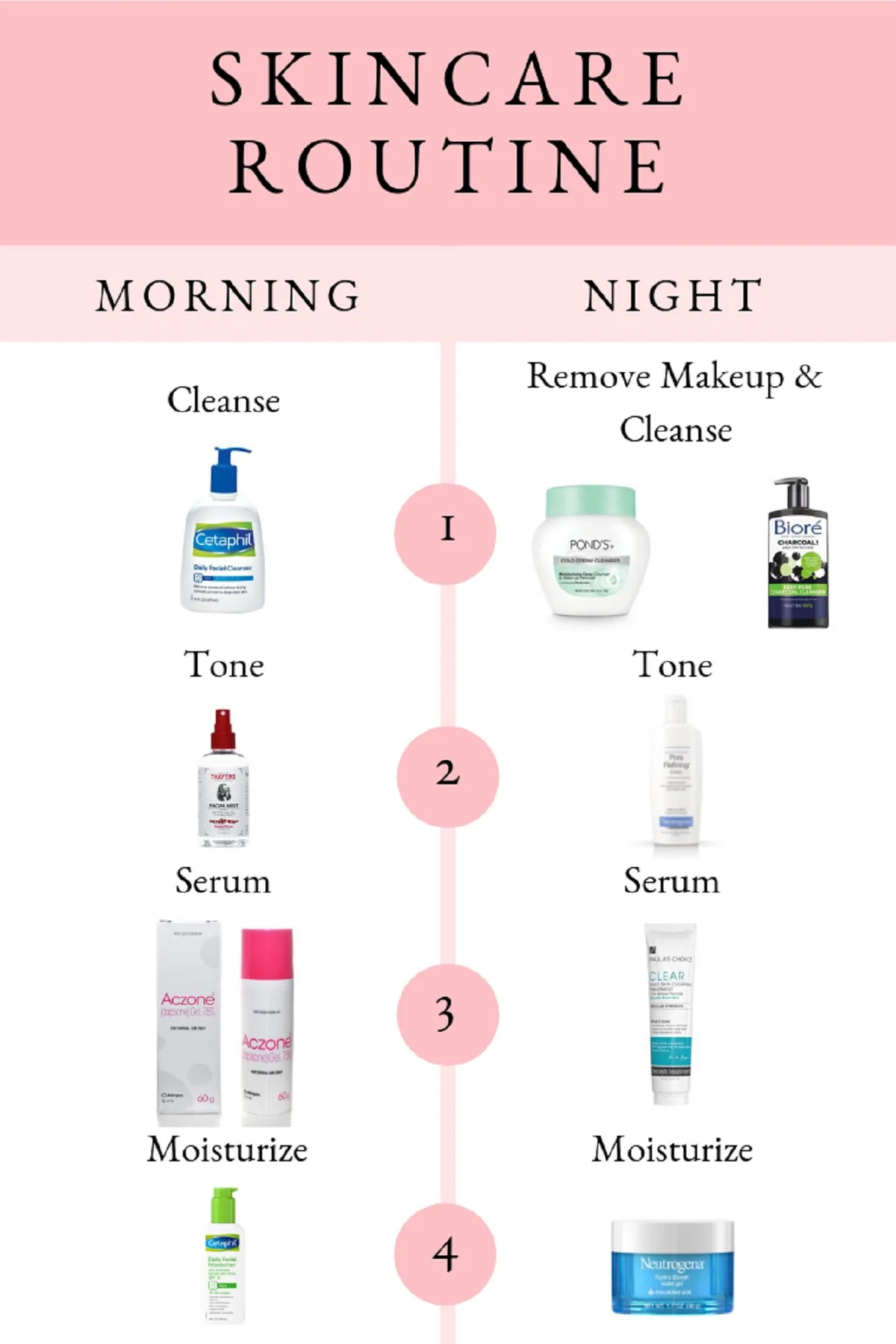
Image source: Bing (Web (fair-use with source credit))
The goal here is clarity and effectiveness. By understanding your own needs, you can make informed choices about what to keep, what to consolidate, and what to let go of entirely.
Step 1: What Are Your Core Skin Needs?
This is the absolute foundation of simplifying your routine. If you don't know what your skin truly requires, you'll just be guessing with products. We need to identify your primary skin type and any persistent concerns.
Skin Type:
- Oily: Your skin tends to look shiny, especially in the T-zone (forehead, nose, chin), and you might be prone to blackheads and breakouts.
- Dry: Your skin often feels tight, flaky, or rough, particularly after cleansing. It might look dull.
- Combination: You experience oiliness in some areas (usually the T-zone) and dryness or normal skin in others.
- Normal: Your skin is generally balanced, not too oily or too dry, with few imperfections.
- Sensitive: Your skin reacts easily to new products, environmental changes, or certain ingredients, often resulting in redness, itching, or stinging.
Key Concerns:
- Acne/Breakouts: Persistent pimples, blackheads, or whiteheads.
- Aging: Fine lines, wrinkles, loss of firmness.
- Hyperpigmentation: Dark spots, uneven skin tone, sun spots.
- Redness/Rosacea: Persistent flushing or visible blood vessels.
- Dehydration: Skin that feels tight and looks dull, even if it's oily.
If you're unsure about your skin type, try this: Wash your face with a gentle cleanser and pat it dry. Wait about an hour without applying any products. How does your skin feel and look?
If it's shiny all over, it’s likely oily. If it feels tight and flaky, it’s dry. If the T-zone is oily but cheeks are normal or dry, it’s combination.
If it feels comfortable, it's normal. Sensitive skin is identified by its reaction to products. For persistent concerns like acne or rosacea, consulting a dermatologist is always the best first step for accurate diagnosis and treatment recommendations.
Step 2: How Much Time Do You Really Have?
Be brutally honest here. When you look at your schedule, how much time can you realistically dedicate to your beauty routine, both morning and night? This isn't about what you wish you had time for, but what you actually have.
- The "In-a-Rush" User (5-10 minutes max): Your priority is speed. You need products that work quickly and ideally perform multiple functions. Complex layering or long drying times are out.
- The "Balanced" User (10-20 minutes): You have a little more flexibility. You can incorporate a few targeted steps or products that require a bit more application time.
- The "Leisurely" User (20+ minutes): While we're aiming to simplify, you have the time to enjoy more involved steps if they truly benefit your skin. However, even here, we can optimize to ensure efficiency.
Consider your daily commute, work schedule, family obligations, and any other time commitments. If your mornings are a chaotic dash out the door, a multi-step routine is unlikely to stick. If your evenings are spent unwinding and you have a solid 20 minutes, you can afford to be a bit more elaborate.
What is your actual, consistent daily reality?
Step 3: Finding Your Multi-Tasking Heroes (Products Edition)
This is where the magic of simplification really happens. Multi-use products are your best friends. They do double or even triple duty, cutting down on the number of items you need and the steps you perform.
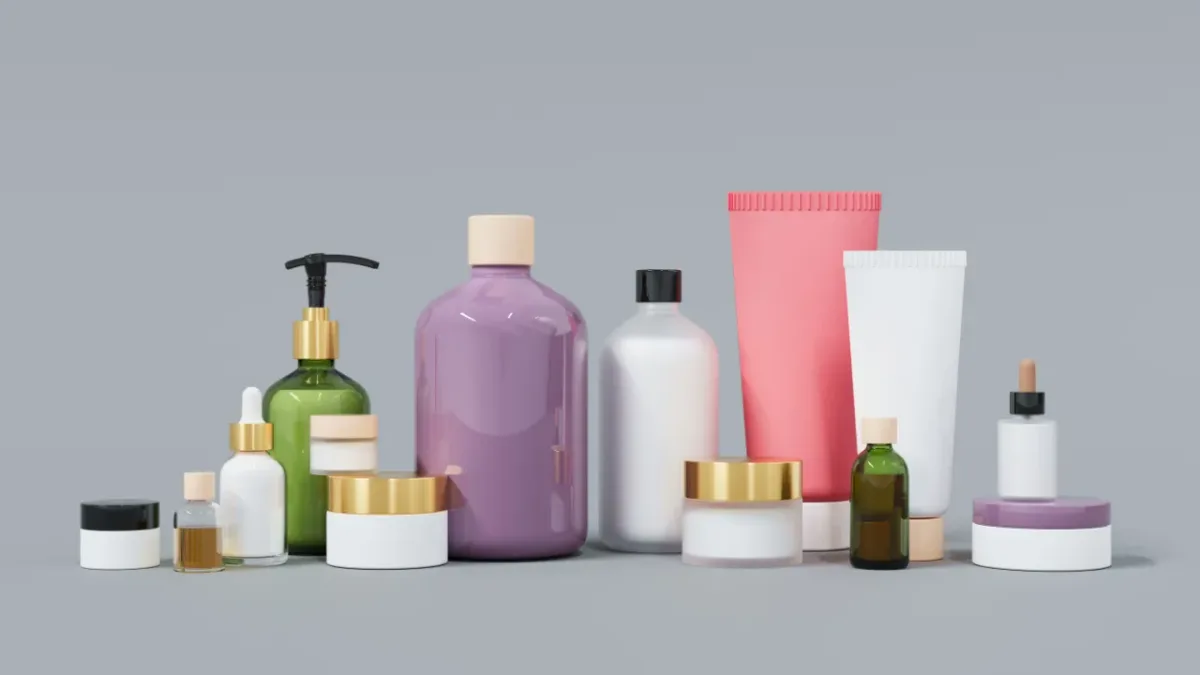
Image source: Web (Bing) / localsamosa.com (Web image (fair-use with source credit))
Here are some key categories where multi-taskers shine:
- Tinted Moisturizers/BB/CC Creams: These often combine skincare benefits (moisture, SPF) with light coverage, acting as a moisturizer, sunscreen, and foundation all in one.
- Cream Blushes/Lip Tints: Many cream formulations can be dabbed onto cheeks for a flush of color and then applied to lips for a coordinated, natural look.
- Cleanser/Moisturizer Combos: Some gentle cleansers can be used as a quick rinse-off mask or even as a light hydrating layer in a pinch, though this is less common for effective cleansing.
- Bronzer/Eyeshadow: A neutral bronzer shade can often double as an eyeshadow, adding depth to the crease.
- Lip Balm with SPF: Protects and moisturizes your lips while providing a subtle sheen.
When evaluating products for multi-use potential, check the ingredient list and the product claims. Does that moisturizer have SPF? Can that lip tint be safely used on your cheeks?
Think about the ingredients versus your skin type. For instance, a tinted moisturizer with hyaluronic acid would be great for dry skin, while one with salicylic acid might suit oily, acne-prone types. Our research into product formulations shows that well-designed multi-use items leverage synergistic ingredients that benefit the skin in multiple ways.
Step 4: Streamlining Your Makeup Application
Once you've got your skincare needs and time availability sorted, let's look at your makeup bag. The goal here is to reduce the number of products and steps without sacrificing a polished look.
- Assess Your Current Makeup: Go through everything. What do you use regularly? What sits untouched? Be honest about what you realistically apply.
- Focus on Multi-Use Makeup: As mentioned, cream blushes/lip tints are fantastic. A neutral bronzer can be an eyeshadow. Even a lip liner in a "my lips but better" shade can add definition and slight color to lips on its own.
- Consolidate Steps: Instead of primer, foundation, and concealer, can a good BB or CC cream do the job? If you use a separate brow pencil, eyeshadow, and liner, can a brow powder that doubles as an eyeshadow work for you?
- Smart Tool Choices: Using a makeup sponge or a quality brush can speed up application and create a more seamless finish than fingers for certain products. Consider a best cosmetic spatula for hygienic product transfer if needed. A good best silicone makeup mat can also streamline your process by keeping everything organized and clean.
Think about your desired outcome. Do you need full glam, or a "my-skin-but-better" look? If it's the latter, you can get by with a tinted moisturizer, a dab of cream blush, mascara, and a lip balm.
The key is to identify the few products that make the biggest impact for your face. For example, if you want to make your eyes pop, prioritize mascara and maybe a single swipe of a neutral cream shadow.
Step 5: Common Pitfalls When Simplifying (And How to Sidestep Them)
Even with the best intentions, simplifying your beauty routine can sometimes lead to missteps. Knowing these common traps ahead of time can help you avoid them.
- Discarding Essential Steps Too Soon: Just because you're simplifying doesn't mean you should skip fundamental care. Cleansing, moisturizing, and sun protection (SPF) are non-negotiable for skin health. If you have a specific concern like acne, don't ditch treatments that help manage it just to cut a step.
- Over-reliance on "All-in-One" Products: While multi-use products are great, an "all-in-one" cleanser, toner, and moisturizer might not effectively address all your specific needs. It's better to have a few targeted products than one that does a mediocre job at everything. For instance, a dedicated sunscreen will always offer more reliable protection than a foundation with SPF.
- Not Considering Your Skin Type/Concerns: A product that's fantastic for oily skin might be too drying for someone with dry skin, even if it's a multi-tasker. Always check ingredient lists and product descriptions against your skin's unique profile. If you have sensitive skin, be wary of products with heavy fragrance or alcohol, even if they promise simplicity.
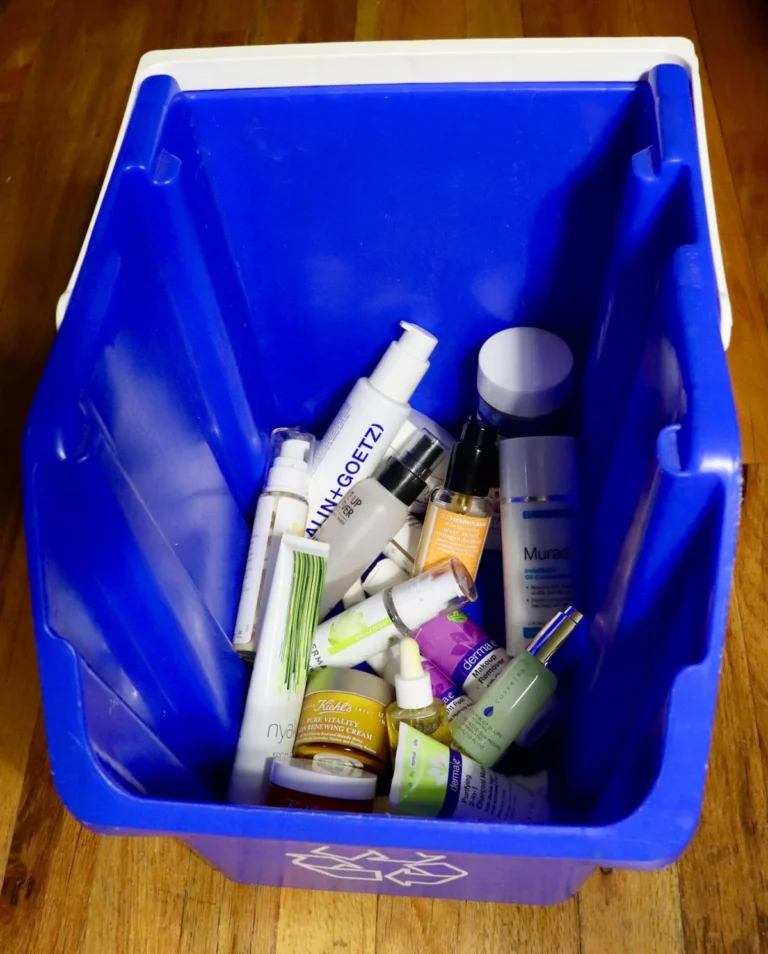
- Impulse Decluttering: Don't throw away everything in a rush. Test out new routines and products first. You might discover a product you thought was unnecessary is actually a valuable multi-tasker or addresses a need you hadn't fully considered.
Instead of just ditching products, try "product auditing." For each item, ask: "Does this serve a distinct purpose that another product in my simplified routine doesn't?" If the answer is no, and it's not a non-negotiable essential like SPF, it's a candidate for consolidation or removal. For example, if you have both a separate serum and a moisturizer with active ingredients, you might be able to use just the moisturizer if it contains a similar active. Always ensure your core steps like cleansing and moisturizing are adequately covered.
Expert Tips for Long-Term Routine Ease
Simplifying your beauty routine isn't a one-time fix; it's an ongoing practice. Over time, your skin's needs might change, or new, innovative multi-use products might hit the market. Staying consistent with a streamlined approach requires a few smart habits.
- Seasonal Swaps: Your skin's needs can change with the seasons. You might need a richer moisturizer in winter or a lighter one in summer. Plan to do a quick product audit twice a year to adjust your essentials. Think about swapping a heavier foundation for a tinted moisturizer as the weather warms up.
- The "One In, One Out" Rule: When you introduce a new product, aim to replace an old one. If you buy a new multi-use lip and cheek tint, consider finishing up or donating an older blush or lipstick that you rarely use. This prevents your collection from creeping back to its overwhelming former state.
- Regular Product Evaluation: Schedule a quick check-in every few months. Are the products you're using still giving you the results you want? Are they causing any issues? For instance, if you notice increased dryness, your current moisturizer might not be cutting it anymore. This is a good time to consider a slightly different formulation, perhaps one with ceramides for barrier support.
- Focus on Application Techniques: Even with fewer products, how you apply them matters. For example, using a damp best reusable cotton rounds can help your toner or essence spread more evenly and absorb better. Similarly, a good best beauty blender cleaner ensures your tools are hygienic, preventing breakouts and improving makeup application. A quality best facial cleansing cloth can also make your cleansing step more effective and gentle.
Remember that simplification is about effectiveness, not deprivation. It’s about smart choices that save you time and energy while still delivering the results you desire for healthy skin.
Frequently Asked Questions About Simplified Beauty
How long should a simplified beauty routine take?
A truly simplified routine should ideally take between 5 to 15 minutes, depending on whether it's your morning or evening regimen and your specific product choices. The goal is efficiency without skipping essential steps like cleansing and moisturizing.
Can I still achieve good skin with only a few products?
Absolutely. Effective skincare often boils down to a few key principles: gentle cleansing, proper hydration, and sun protection. Using targeted, high-quality products that address your primary skin concerns can be more beneficial than using a multitude of products that might cancel each other out or cause irritation.
What are the most important skincare steps to keep in a simplified routine?
The absolute core steps for any simplified routine are: 1. Cleansing: To remove dirt, oil, and impurities. 2. Moisturizing: To hydrate and protect the skin barrier. 3. Sun Protection (SPF): To shield your skin from damaging UV rays, which is crucial for preventing premature aging and reducing skin cancer risk.
Are there specific products I should look for to simplify my routine?
Yes, seek out products that offer multiple benefits. This includes tinted moisturizers or BB/CC creams that combine hydration, SPF, and light coverage. Cream blushes that can also be used on lips, or multi-use palettes that contain bronzer, blush, and highlight shades, are excellent for streamlining makeup.
Look for cleansers that are gentle yet effective for your skin type, and moisturizers that provide adequate hydration without feeling heavy.
How do I know if a product is truly "multi-use" for me?
Consider your skin type and any specific concerns. A product is multi-use if it can effectively serve two or more purposes without compromising results or causing issues. For example, a tinted lip balm with SPF moisturizes, adds color, and protects from the sun.
However, a product marketed as an all-in-one foundation/sunscreen/primer might not provide sufficient SPF protection or the coverage you need from a foundation. Always check ingredient lists and consider your individual skin's response.
2 Comments