What Is the Difference Between a Curling Iron and Curling Wand?
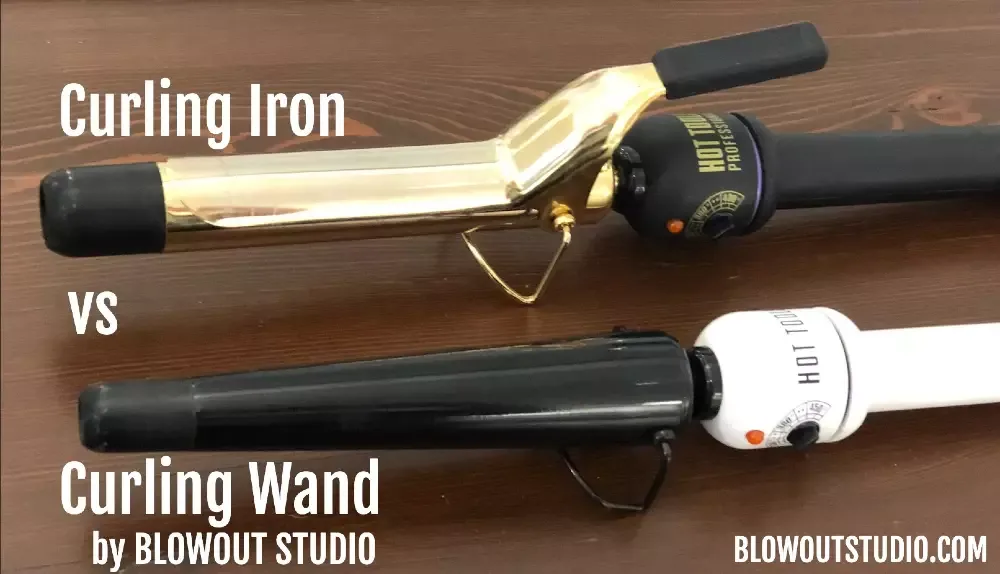
Image source: Bing (Web (fair-use with source credit))
You're likely wondering what's really going on under the hood when you compare a curling iron versus a curling wand. Both promise beautiful waves and curls, but they achieve them in distinctly different ways, impacting everything from the styling process to the final look. Understanding these differences is key to picking the right tool for your hair type and desired style.
In our research, manufacturer specifications for standard curling irons and wands typically involve barrel diameters ranging from 0.5 inches to 2 inches, with ceramic or tourmaline coatings being common. The primary distinction lies in the presence of a clamp, a feature that dictates much of how each tool is used and the results it produces, and this divergence is what we'll explore next.
Quick Answer
A curling iron has a clamp to hold hair, while a curling wand does not. Irons create uniform curls; wands give more natural waves. The clamp makes irons easier for beginners.
Wands offer more styling freedom and texture variation.
The Classic Curling Iron: The Clamp Commander
The curling iron is probably what you picture when you hear "curling iron." It's the one with the little clamp that you can use to hold your hair in place while you wrap it around the heated barrel.
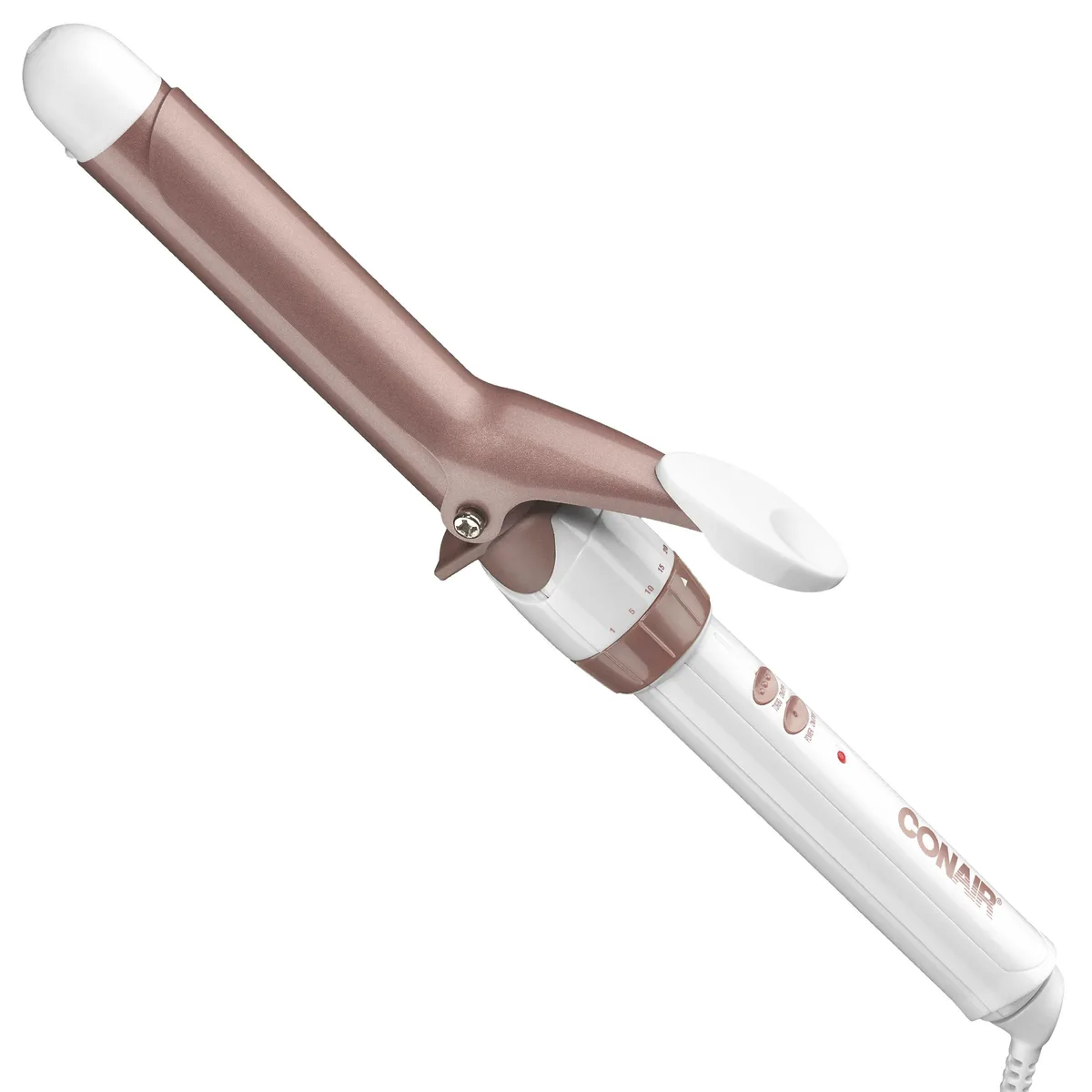
Image source: Bing (Web (fair-use with source credit))
Features & How It Works
The defining characteristic of a curling iron is its clamp. This mechanism works by allowing you to secure a section of hair between the heated barrel and the clamp plate. You then slide the iron down the hair shaft or twist it away from your face, letting the clamp guide the hair around the barrel for a consistent wrap.
This clamp provides a significant amount of control. It helps ensure that the hair is evenly distributed around the heated surface, which is crucial for achieving predictable and uniform curls. Because the hair is held in place, it reduces the chance of it slipping or unwrapping prematurely during the curling process.
What Kind of Curls to Expect
Curls created with a curling iron tend to be more defined and uniform. The clamp helps to create a clean spiral pattern from root to tip, resulting in a more polished and structured curl. If you're aiming for classic, bouncy curls that look intentionally styled, an iron is often the go-to tool.
The consistency of the wrap, facilitated by the clamp, means you're likely to get similar curl shapes across all sections of your hair. This predictability is a major advantage for many users, especially those who prefer a neat and tidy hairstyle. The resulting curls often have a lively bounce and can hold their shape well, making them suitable for formal occasions or when you want a polished finish.
The Curling Wand: The Free Spirit
Now, the curling wand. This one's a bit more minimalist, it's basically just a heated barrel with no clamp. You're meant to wrap your hair around it yourself.
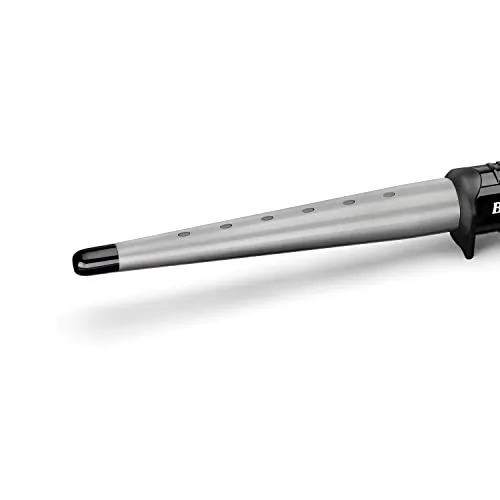
Image source: Bing (Web (fair-use with source credit))
Features & How It Works
The most notable feature of a curling wand is its lack of a clamp. This means you manually wrap sections of hair around the heated barrel. The process usually involves taking a strand of hair, holding the end with your fingertips (using a heat-resistant glove is highly recommended), and then coiling the rest of the strand around the barrel.
This manual wrapping technique gives you a lot more creative control. You can vary the tension, the tightness of the wrap, and where you start wrapping from the root. This freedom allows for a more organic and less uniform curl pattern.
Manufacturer specifications often indicate barrels made from materials like ceramic, titanium, or tourmaline, designed to distribute heat evenly.
What Kind of Curls to Expect
Curling wands are celebrated for creating more natural-looking, beachy, and tousled waves. Because you're wrapping the hair yourself, each curl can be slightly different, mimicking the organic texture of naturally wavy or curly hair. This often results in a softer, more relaxed finish compared to the precise curls from a curling iron.
The texture you can achieve with a wand is highly versatile. Wrapping hair more loosely can create gentle waves, while tighter wraps can produce more defined spirals. This makes them ideal for achieving that effortless, "undone" look that's so popular.
Many users find that the look achieved with a wand feels more lived-in and less "done."
Key Differences at a Glance
The divergence between a curling iron and a curling wand really boils down to a few core distinctions that impact ease of use, the resulting style, and the level of control you have. Understanding these differences is paramount for choosing the tool that best aligns with your styling goals and skill level.
Features & Attributes
The most apparent difference is the clamp. A curling iron features a spring-loaded clamp to secure hair, while a curling wand is simply a heated barrel. This clamp on the iron dictates a more guided wrapping process, whereas the wand relies on your manual dexterity.
Barrel materials, such as ceramic or titanium, are common to both, with variations in diameter affecting curl size.
Curl Style & Texture
Curling irons, thanks to their clamp, typically produce more uniform, bouncy, and defined curls. The consistent wrapping ensures each spiral is similar. Curling wands, conversely, excel at creating softer, more natural, and varied textures, think beachy waves or tousled looks.
This is because the manual wrapping allows for greater variation in tightness and placement.
Ease of Use
For those new to heat styling or who prefer a more guided process, the curling iron's clamp offers a distinct advantage. It helps control the hair and provides a clear path for wrapping, making it generally easier for beginners to achieve satisfactory results without as much practice. The wand requires more coordination and a feel for how to wrap the hair effectively.
Who Should Use Which Tool?
The best tool for you depends entirely on your personal styling preferences, hair type, and desired outcome. Both have their strengths, and knowing where those strengths lie will guide your choice.
Best For Curling Iron Users
If you're just starting your heat styling journey, or if you love a classic, polished curl that looks intentionally styled, a curling iron is likely your best bet. The clamp provides stability and direction, making it simpler to get even results, especially on the back sections of your hair. It’s a great tool if you want predictable outcomes and don't want to spend a lot of time mastering a new technique.
Best For Curling Wand Users
If your hair goals lean towards that effortless, "woke up like this" vibe or if you enjoy the flexibility to create a variety of textures, a curling wand could be your ideal tool. It's perfect for those who want softer, more diffused waves and are comfortable with a bit more manual dexterity in their styling routine. The freedom of movement with a wand allows for a more artistic approach to curling.
Common Styling Mistakes to Avoid
Even with the right tool, it's easy to fall into common pitfalls that can lead to less-than-ideal results or even damage your hair. Understanding these potential missteps can save you frustration and keep your hair looking its best.
Curling Iron Pitfalls
One frequent mistake is not sectioning your hair properly. Tossing large chunks of hair at the iron can lead to uneven heating and loose, messy curls. Another common error is holding the iron in one place for too long, which can cause heat damage and create a "fried" look.
Also, many people forget to let curls cool completely before brushing or styling them further, which can cause them to drop out faster.
Curling Wand Challenges
With a wand, a big mistake is not using a heat-resistant glove. This can lead to painful burns on your fingertips as you hold the ends of your hair. Overlapping hair sections on the barrel can also result in uneven heat distribution and a muddled curl pattern.
Some users also rush the process, not allowing each section enough time to heat properly, leading to curls that fall out quickly.
Expert Tips for Better Curls
To elevate your styling game, whether you're using an iron or a wand, a few pro tips can make a world of difference. Start with dry hair, always. Styling damp hair with hot tools can cause steam damage.
Use a heat protectant spray on every section of hair before you apply heat. This creates a barrier to minimize damage. For tighter curls, wrap smaller sections of hair.
For looser waves, use larger sections. Finally, always let curls cool completely before touching them. This setting process is crucial for longevity.
For instance, manufacturer specifications often suggest letting hair cool for at least 10 minutes for maximum hold.
Costs / Pricing / Data / Specs
When looking at prices, curling irons and wands can range significantly. Basic models from drugstore brands might start around $20 to $30. Mid-range options from reputable beauty brands often fall between $50 and $100, offering better materials and more advanced features like adjustable heat settings and ionic technology.
High-end professional models can cost $150 or more, often boasting superior durability, faster heat-up times, and specialized barrel coatings.
Material and technology play a big role here. Tools with ceramic or tourmaline barrels tend to be pricier than those with basic metal. Features like digital temperature displays, multiple heat settings, and automatic shut-off can also increase the cost.
As of 2026, you'll find that many advanced wands and irons boast rapid heat-up times, often reaching desired temperatures within 30-60 seconds.
Real Scenarios / Case Examples
Imagine Sarah, who has fine, straight hair and wants to achieve bouncy, classic curls for a wedding. She finds that her curling iron with a 1-inch ceramic barrel works best. She sections her hair, wraps each piece around the barrel using the clamp, and holds for about 8-10 seconds.
She lets the curls cool completely before gently raking through them with her fingers, and they hold their shape all night.
Now consider David, who has naturally wavy, medium-thickness hair and wants a more relaxed, textured look for everyday wear. He uses a 1.25-inch curling wand. He wraps sections of his hair around the barrel, holding the ends with a heat-resistant glove.
He varies the tightness of his wraps and leaves the ends slightly straighter for a tousled effect. This method gives him that effortlessly cool vibe he's after, and the curls have a softer, more natural fall.
Styling for Different Hair Types
For fine or thin hair, using a curling iron or wand on a lower heat setting, around 300-350°F (150-175°C), is often recommended. A ceramic barrel can help minimize damage by distributing heat evenly. With thicker, coarser, or very long hair, you might need higher temperatures, potentially up to 400°F (200°C), and faster styling times.
For these hair types, titanium barrels can be effective due to their quick and intense heat. Always start with the lowest effective heat setting to preserve hair health.
Achieving Specific Looks
If you're aiming for tight, ringlet curls, a small barrel curling iron (around 0.5 inches) is your best bet. For looser, Hollywood waves, a larger barrel iron (1.5 inches or more) or a wand is ideal. Wand users can achieve a "s-wave" by alternating the direction of the curl with each wrap, creating a more varied and natural-looking texture.
Many users find that for beachy waves, a wand allows for more control over leaving the ends straight, which is key to that undone look.
Maintenance / Long-Term Optimization
To keep your curling iron or wand in good working order and ensure it performs optimally, regular cleaning is essential. After each use, once the tool has cooled down, gently wipe the barrel with a soft, damp cloth to remove any hair product residue. For tougher buildup, a small amount of rubbing alcohol on a cloth can be effective, but be sure to wipe it dry thoroughly afterward.
Check the power cord periodically for any fraying or damage. If you notice any issues with the cord, discontinue use immediately, as this can be a safety hazard. Storing your styling tools properly, ideally in a heat-resistant pouch or case, can protect the barrels from scratches and prevent damage, prolonging their lifespan and maintaining even heat distribution.
FAQs: Your Curling Questions Answered
What barrel size should I choose?
Barrel size depends on your desired curl. Smaller barrels (0.5-1 inch) create tighter curls or corkscrews. Medium barrels (1-1.5 inches) give classic curls.
Larger barrels (1.5-2 inches) produce looser waves or bends.
Can I use a curling wand on short hair?
Yes, you can. For short hair, you might opt for a smaller barrel size. You'll wrap the hair from the mid-shaft down to avoid overheating your scalp or creating curls too close to your roots, which can look unnatural.
How do I prevent my curls from falling out?
Ensure your hair is completely dry before styling. Use a heat protectant spray. Don't brush out curls until they've cooled down.
For extra hold, consider using a finishing spray or texturizing spray after styling.
Is ceramic or titanium better for a curling tool?
Ceramic barrels distribute heat more evenly, which is gentler on hair. Titanium barrels heat up faster and hotter, which can be great for very thick or coarse hair but poses a higher risk of heat damage for finer hair types.
Should I use a curling iron or wand for heatless curls?
Neither a curling iron nor a curling wand is designed for heatless curls; they both require heat to function. For heatless styling, you would explore methods like using rollers, braids, or fabric strips to shape hair while it dries. These tools are specifically for heat-activated styling.