What Is the Best Hair Care Routine for Curly Hair?
Curly hair isn't just a shape; it's a complex structure with specific needs that differ vastly from straight or wavy hair. At its core, curly hair tends to be drier. This is because the natural oils produced by your scalp, called sebum, have a harder time traveling down the twists and turns of the hair shaft.
This journey, which is relatively smooth for straight hair, becomes a winding path for curls, leaving the ends often thirstier.
This dryness is the root cause of many common curly hair concerns, like frizz, breakage, and a lack of definition. Understanding these inherent characteristics is the first, most critical step toward building a routine that doesn't just manage your curls, but truly celebrates them. It’s about working with your hair, not against it.
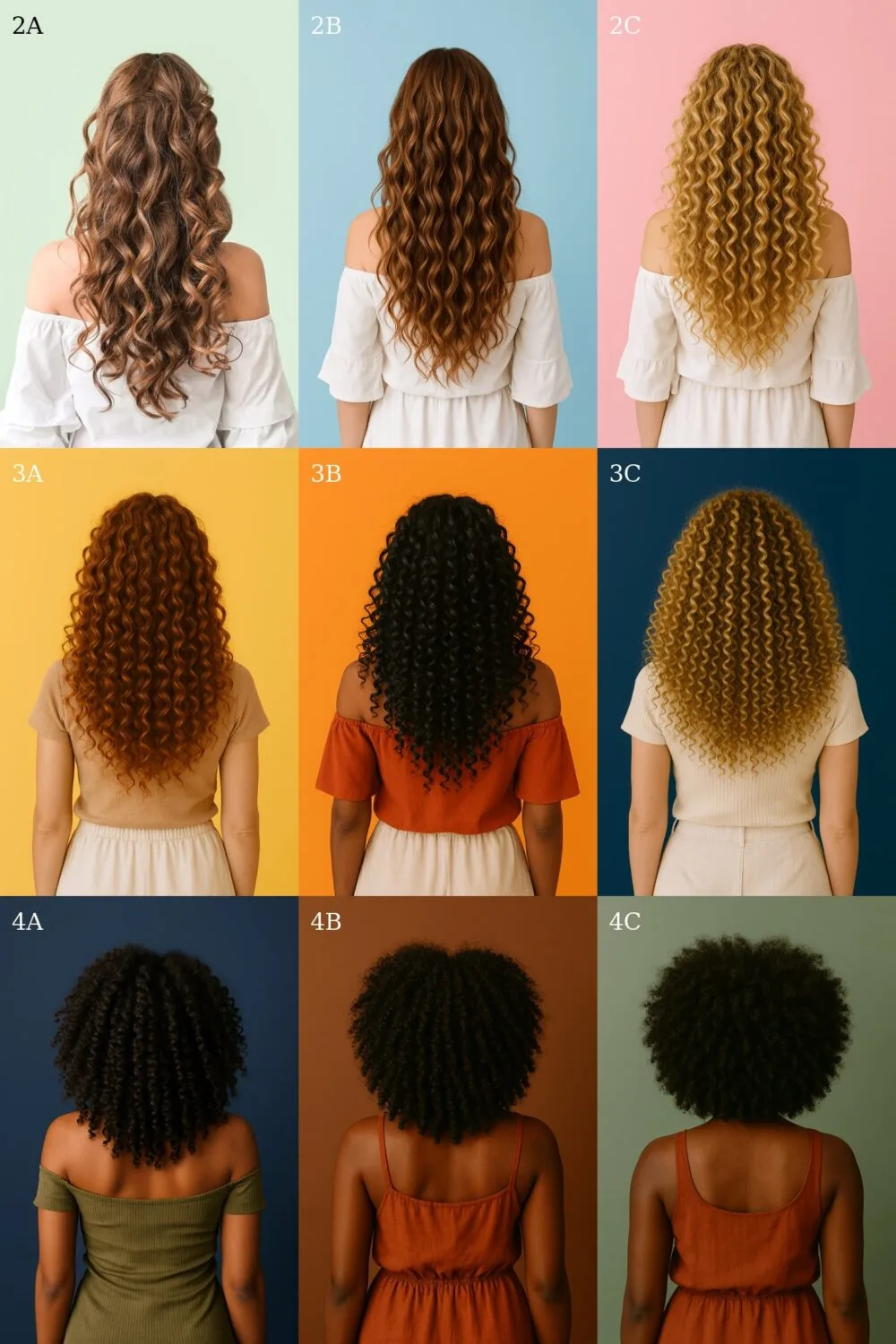
Image source: Bing (Web (fair-use with source credit))
Understanding Your Unique Curls: The Foundation of a Great Routine
Curly hair's unique structure presents challenges and beauty. The natural oils, or sebum, produced by your scalp struggle to travel down the spiraled hair shaft, leaving strands drier than straighter hair types. This limited moisture distribution is why curls are often prone to frizz, breakage, and a lack of definition.
Recognizing these fundamental needs is the starting point for any successful curly hair regimen.
Your Curl Pattern: The First Big Clue
The very first thing to get a handle on is your specific curl pattern. Think of it as the blueprint for your hair's behavior. Generally, curl patterns fall into a few broad categories, each with its own tendencies.
Knowing yours helps you select the right products and techniques.
Deciphering Waves, Curls, and Coils
- Type 2 (Wavy): This hair has an "S" shape.
- 2A: Loose, fine waves that may lie flat.
- 2B: More defined "S" waves, starting from the root.
- 2C: Coarser waves that are tighter and may have some kinks. Waves in this category can sometimes be mistaken for loose curls.
- Type 3 (Curly): This hair forms distinct spirals or corkscrews from the root.
- 3A: Large, loose spirals with a circumference similar to a piece of chalk.
- 3B: Tighter curls, about the size of a marker. These can be prone to frizz.
- 3C: Very tight corkscrews, smaller than a marker, often with kinks mixed in.
- Type 4 (Coily): This hair has a very tight curl pattern, often zig-zagging rather than spiraling smoothly.
- 4A: Forms a tight "S" pattern with a circumference similar to a crochet needle.
- 4B: Has a zig-zag pattern, with sharp angles rather than defined curls.
- 4C: The tightest coil pattern, often appearing very dense and shrinking significantly when dry.
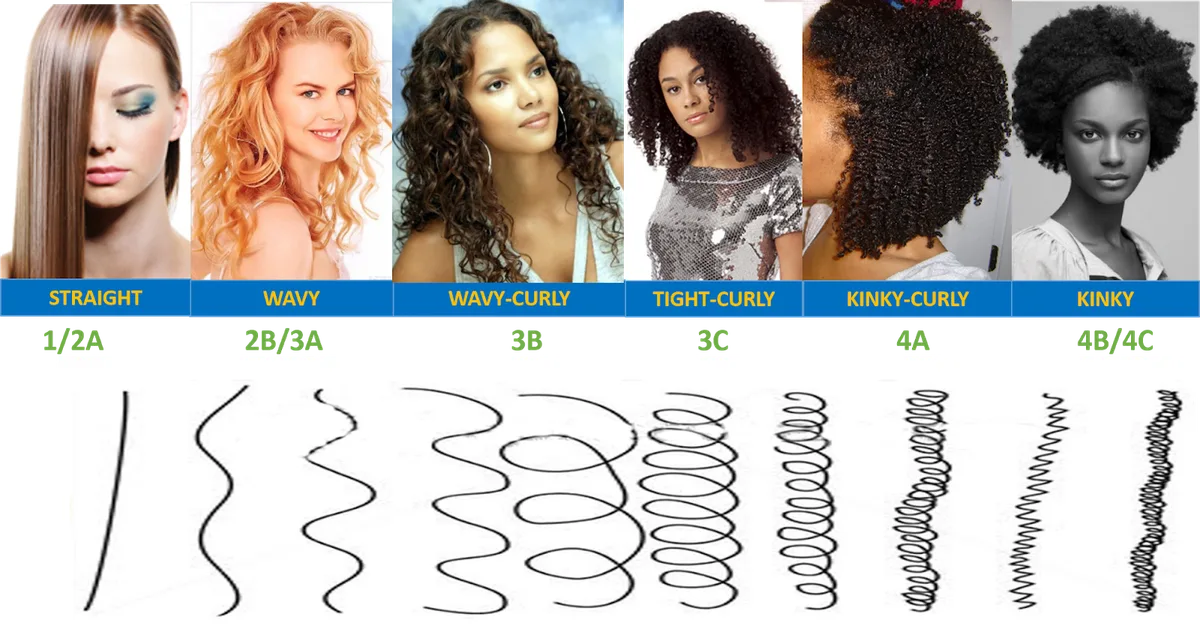
Image source: Bing (Web (fair-use with source credit))
Understanding which category (and sub-category) your hair falls into is key. For example, someone with 2C waves might benefit from techniques used for 3A curls, while a 4A coily texture will likely need very different products and handling than a 3B curl.
Hair Porosity: How Your Hair Drinks Up Moisture
Beyond the pattern of your curls, how well your hair absorbs and retains moisture is determined by its porosity. This refers to the condition of your hair's cuticle layer, the outermost protective layer. The more open the cuticle, the higher the porosity, and the easier it is for moisture to get in, but also to escape.
Low, Medium, and High Porosity Explained
Low Porosity: Cuticles are tightly closed. This hair resists moisture absorption, meaning products can sit on top rather than penetrate. Once moisturized, however, it tends to hold onto it well. This can lead to product buildup if heavy products are used.
Medium Porosity: Cuticles are neither tightly closed nor overly raised. This hair absorbs and retains moisture relatively easily. It's often considered the "ideal" porosity, requiring a balanced approach to moisture and protein.
High Porosity: Cuticles are raised or have gaps. This hair absorbs moisture quickly but loses it just as fast. It's prone to dryness and damage and benefits from heavier products and sealing techniques to lock in hydration.
Manufacturer specifications for hair products often highlight ingredients designed to address specific porosity needs; for example, lighter oils like jojoba might be recommended for low porosity, while heavier butters like shea might be better for high porosity. A simple test involves placing a clean strand of shed hair in a glass of water. If it floats, it's likely low porosity.
If it sinks slowly, it's medium. If it sinks quickly, it's high porosity.

Image source: Web (Bing) / tcatmon.com (Web image (fair-use with source credit))
The Curly Hair Washing Routine: Cleanse Without Stripping
Washing curly hair requires a gentle touch. Traditional shampoos, especially those with sulfates, can be too harsh. They strip away natural oils, leaving curls dry, frizzy, and prone to damage.
The goal here is to cleanse without compromising your hair's moisture balance.
Co-washing vs. Sulfate-Free Shampoo
Co-washing: This means washing your hair with conditioner only. It's an excellent option for those with very dry or coily hair who need maximum moisture retention. It effectively removes light product buildup and dirt without stripping natural oils. Aggregate reviews report it helps maintain curl definition and softness for many.
Sulfate-Free Shampoo: If you prefer a shampoo, opt for one explicitly labeled "sulfate-free." These cleaners use gentler surfactants that clean the scalp and hair without stripping them completely. They are formulated to be less harsh, helping to preserve the hair's natural moisture.
Many people with curly hair find that alternating between co-washing and a sulfate-free shampoo works best, depending on their hair's needs and how much product they've used. As of 2026, the market offers a wide array of formulations specifically designed for this purpose.
Deep Conditioning: The Moisture Powerhouse
This is arguably the most crucial step for curly hair. Deep conditioners, also called hair masks, are more potent than regular conditioners. They are packed with moisturizing and nourishing ingredients designed to penetrate the hair shaft and provide intense hydration.
- How to Apply: After cleansing, apply a generous amount of deep conditioner to damp hair, ensuring even distribution from root to tip.
- Let it Work: Use a shower cap to trap heat, which helps the conditioner penetrate better. Leave it on for at least 20-30 minutes. For a more intense treatment, you can leave it on for longer, even overnight.
- Rinse Thoroughly: Rinse with cool water to help seal the cuticle.
Regular deep conditioning, once a week or every other week, can dramatically improve your curls' health, elasticity, and overall appearance. If your hair feels dry, brittle, or lacks shine, increasing your deep conditioning frequency is often the solution.
Styling Your Curls for Definition and Bounce
Once your hair is clean and conditioned, styling is where you define your curls and lock in moisture. The right products and application techniques make a world of difference in achieving frizz-free, bouncy spirals.
Choosing the Right Styling Products
The styling product aisle can be overwhelming, but for curly hair, key players include:
- Curl Creams: These provide moisture and light hold, helping to soften curls and reduce frizz without making them stiff.
- Gels: Gels offer stronger hold and definition. They are excellent for creating a cast around the curl, which, when scrunched out, leaves curls defined and less prone to frizz. Look for gels that are not overly drying.
- Mousses: Mousses provide lighter hold and volume. They can be great for finer curls or for achieving a softer, less-defined look.
The best product or combination depends on your curl type and desired outcome. For instance, someone with fine, wavy hair might prefer a mousse for volume, while someone with tight coils needing maximum definition might opt for a curl cream followed by a strong-hold gel.
Application Techniques: Scrunching, Praying Hands, and More
How you apply products is just as important as the products themselves.
- Praying Hands: Smooth a product between your palms and gently press sections of your hair between them, as if praying. This method coats the hair evenly without disrupting the curl clumps.
- Scrunching: After applying product, cup sections of your hair in your hands and gently squeeze upwards towards the scalp. This encourages curls to form and clump together. You can do this with wet or damp hair.
- Raking: Use your fingers or a wide-tooth comb to distribute product through your hair. This is good for ensuring even coverage but can sometimes break up curl clumps if done too vigorously on very wet hair.
It's often beneficial to apply styling products to soaking wet hair. This helps create better curl clumps and reduces frizz as the hair dries. Many people with curly hair start with a leave-in conditioner, followed by a curl cream, and finish with a gel for hold.
Experimenting with these methods will help you discover what works best for your specific texture.
Drying Your Curls: Avoiding the Frizz Factor
The drying process is another critical stage where frizz can easily creep in. The goal is to dry your curls in a way that encourages them to set without friction or disruption.
Air Drying vs. Diffusing
Air Drying: This is the gentlest method. Simply apply your styling products, arrange your curls as desired, and let them dry naturally. It requires patience, as it can take several hours depending on your hair's length and thickness. Air drying is excellent for minimizing damage and preserving curl definition.
Diffusing: Using a hairdryer with a diffuser attachment is a faster way to dry curly hair. The diffuser disperses the airflow, preventing it from disrupting the curl pattern and causing frizz.
- Technique: Hold the diffuser at the ends of your hair and gently lift towards the scalp, allowing curls to cup in the diffuser bowl. Avoid excessive movement or high heat. Low to medium heat and speed are usually best.
- When to Use: Diffusing is particularly useful when you need to dry your hair more quickly or want to encourage more volume at the roots.
Many curly-haired individuals find a combination works well: air dry until hair is about 70-80% dry, then finish with a diffuser to achieve fullness and speed up the process. The key is to handle your hair gently during and after drying to maintain the curl's integrity.
Daily and Weekly Curl Maintenance
Maintaining healthy, defined curls doesn't end after wash day. Your routine needs to account for the days in between washes, as well as how you sleep. Consistent, gentle care will help preserve your curl definition and overall hair health.
Refreshing Curls Between Washes
Many curlies can go 2-4 days, sometimes longer, between washing. To revive your curls on non-wash days, you don't necessarily need to re-wet your entire head. A "refresh" can involve lightly misting your hair with water, or a diluted leave-in conditioner spray, and then reactivating your curl products.
- Methods: You can gently scrunch your hair with your hands after misting, or use a technique called "praying hands" to smooth product back over sections of hair. Focusing on specific areas that have lost definition or become frizzy is often more effective than trying to dampen the whole head.
- Product Choice: A light mist of water or a specific curl refreshing spray is usually best. Avoid heavy creams or gels, which can weigh down the hair and lead to buildup if not washed out properly. Our research indicates that over-application of heavy products on dry hair can lead to stringy, limp curls.
Protective Styling and Sleeping Habits
How you sleep significantly impacts your curls. Friction from cotton pillowcases can cause frizz and breakage.
- Pillowcase Upgrade: Switching to a silk or satin pillowcase is a simple yet effective change. These smooth surfaces allow your curls to glide, reducing friction.
- Protective Styles: Tying your hair up in a loose "pineapple" (a high ponytail on top of your head) or using a satin bonnet or scarf before bed can protect your curls overnight. These methods prevent your hair from being crushed or snagged against your pillow.
- Pineapple Technique: Gathering your hair into a loose, high ponytail on the very top of your head preserves the curl pattern at the crown and prevents flattening. Ensure it's not too tight, as this can cause tension and breakage.
Common Curly Hair Mistakes and How to Fix Them
Even with the best intentions, it's easy to fall into habits that can hinder your curls. Recognizing these common pitfalls is the first step toward correcting them and unlocking your hair's full potential.
- Over-washing: Washing too frequently, especially with harsh shampoos, strips natural oils, leading to dryness and frizz. If your hair feels dry, try co-washing or extending the time between washes.
- Harsh Towel Drying: Rubbing your hair vigorously with a traditional terrycloth towel creates friction, disrupting curl clumps and causing frizz. Always use a microfiber towel or a cotton t-shirt to gently scrunch out excess water.
- Using the Wrong Products: Not all products are formulated for curly hair's unique needs. Heavy silicones can cause buildup, while drying alcohols can lead to brittle strands. Choosing sulfate-free, silicone-free, and alcohol-free options is generally recommended.
- Detangling Dry Hair: Pulling a comb or brush through dry curly hair can lead to breakage and frizz. Always detangle your hair when it's wet and saturated with conditioner. Use a wide-tooth comb or your fingers, starting from the ends and working your way up.
- Ignoring Protein Balance: Curly hair often needs a balance of moisture and protein. Too much moisture can lead to limp, mushy curls, while too little protein can cause them to be weak and frizzy. Periodic protein treatments can help restore elasticity and strength.
Your Personalized Curly Hair Routine: A Decision Guide
Building your best hair care routine is an ongoing process of discovery. It's not about following a rigid set of rules, but understanding the variables and how they apply to you.
Here’s a flowchart to help guide your decisions:
| Your Hair Concern Is… | And Your Curl Pattern Is… | Consider This Initial Step… |
|---|---|---|
| Very Dry / Frizzy | 3A, 3B, 3C, 4A, 4B, 4C | Start with co-washing. Use a rich, moisturizing deep conditioner weekly. |
| Lacking Definition | 2C, 3A, 3B, 3C, 4A, 4B, 4C | Focus on curl clumping techniques with gels or curl creams during styling. |
| Prone to Breakage | All patterns, especially high porosity | Prioritize gentle detangling, protein treatments (if needed), and protective styling. |
| Weighs Down Easily | 2A, 2B, 3A | Opt for lighter styling products like mousses or light curl creams. Avoid heavy butters. |
- Experiment with Ingredients: Pay attention to ingredient lists. Glycerin can be great for moisture in humid climates but may cause frizz in dry ones. Shea butter is nourishing for dry hair, while lighter oils like grapeseed are better for low porosity.
- Listen to Your Hair: Your hair will tell you what it needs. If it feels dry and brittle, it needs more moisture. If it feels mushy and limp, it might need a protein boost or a clarifying shampoo to remove buildup.
Curly Hair FAQs
What is the most important factor for curly hair care?
The most important factor is understanding your unique curl pattern and hair porosity, as these dictate how your hair interacts with moisture and products.
How often should I wash my curly hair?
Most people with curly hair benefit from washing only once or twice a week, often alternating between co-washing and a sulfate-free shampoo to maintain moisture.
Can I use regular conditioner on my curly hair?
Yes, but a richer, more intensive rinse-out conditioner or a weekly deep conditioner is often more beneficial for curly textures than standard conditioners designed for all hair types.
When should I detangle my curly hair?
Always detangle your curly hair when it is wet and saturated with conditioner. Use a wide-tooth comb or your fingers, starting from the ends and gently working your way up to the roots to minimize breakage.
What is "curl clumping," and why is it important?
Curl clumping is when individual curls group together to form larger, more defined spirals. This is important because it leads to less frizz and more cohesive, bouncy curls.
Should I use heat to style my curly hair?
Heat styling should be used sparingly. If you must use heat, always use a diffuser attachment on a low or medium setting to minimize damage and frizz, and apply a heat protectant.