What Is the Best Hair Care Routine?
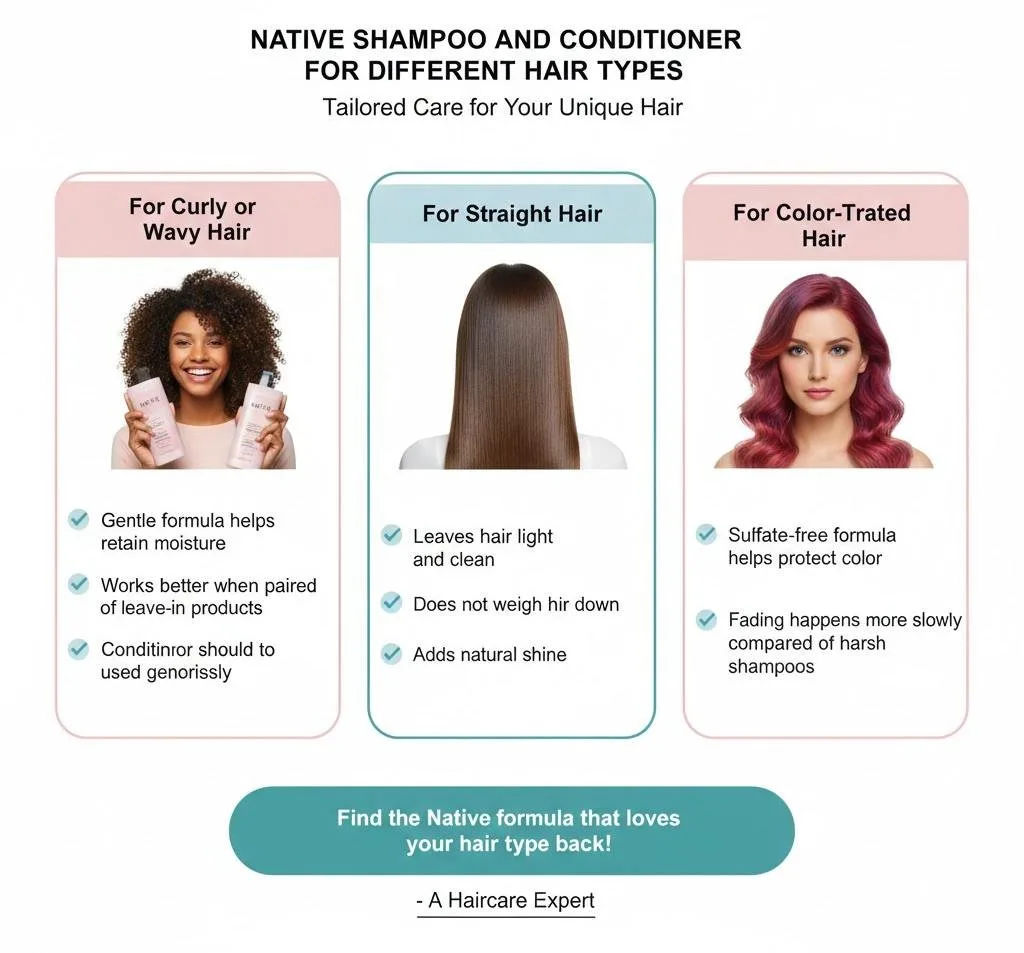
Image source: Bing (Web (fair-use with source credit))
Figuring out what your hair actually needs can feel like a guessing game. You've probably tried a million shampoos and conditioners, hoping for that one magic bullet, but the truth is, there's no single "best hair care routine" that fits everyone. What works wonders for your friend might leave your hair feeling dry or greasy.
It all comes down to understanding your unique strands.
Getting it right means looking at a few key factors, like how oily your scalp gets or how your hair reacts to moisture. For example, aggregate reviews indicate that hair can range from low to high porosity, affecting how quickly it absorbs and retains moisture, a critical factor in product effectiveness. Understanding these variables is the first step toward a routine that truly nourishes your hair from root to tip.
Quick Answer
The best hair care routine is personalized, focusing on your specific hair type, texture, and scalp condition. It involves using the right shampoo and conditioner, incorporating treatments as needed, and protecting your hair from damage. As of 2026, understanding your hair's porosity and how often to wash are key to preventing common issues like dryness or greasiness.
Decoding Your Hair's Needs: Oily, Dry, or Something Else?
Your hair care routine hinges on what your scalp is doing. Is it a constant battle against oiliness, or are you perpetually battling dryness and flakiness? Identifying your scalp's natural tendency is the foundational step in choosing the right products and frequency for washing.
- Oily Scalp: If your hair feels greasy or heavy within a day or two of washing, you likely have an oily scalp. This happens when your sebaceous glands produce too much sebum. You'll want to reach for clarifying shampoos or those formulated for oily hair, and potentially wash more frequently, perhaps every other day, to manage the buildup. Be careful not to over-wash, though, as this can sometimes stimulate even more oil production.
- Dry Scalp: A dry scalp often feels tight, itchy, and may produce small flakes. This means your scalp isn't producing enough sebum, or external factors are stripping its natural moisture. Look for moisturizing shampoos and conditioners with ingredients like hyaluronic acid or glycerin. Using a microfiber towel to dry your hair gently and avoiding very hot water during washing can also make a big difference.
- Balanced/Normal Scalp: If your scalp doesn't lean heavily towards oily or dry and feels comfortable most of the time, you're in the balanced category. You have more flexibility with product choices, but consistency is still key to maintaining that comfort and health.

Image source: Web (Bing) / theidearoom.net (Web image (fair-use with source credit))
Identifying Your Hair Porosity: Low, Medium, or High?
Porosity refers to how well your hair absorbs and holds moisture. It's determined by the condition of your hair's outer layer, the cuticle. Understanding your hair's porosity is crucial because it dictates how products will interact with your strands.
- Low Porosity Hair: The cuticle layers are tightly bound, making it difficult for moisture to get in. Once water is absorbed, it's also hard to release. This hair type can feel like it takes forever to get wet and also takes a long time to dry. Products can also sit on top of low porosity hair, leading to buildup.
- What to use: Lightweight, easily absorbed products are best. Avoid heavy oils and creams that can weigh hair down. Heat can help open the cuticle slightly, so consider using a hooded dryer for deep conditioning treatments.
- Medium Porosity Hair: The cuticle is slightly lifted, allowing moisture to enter and exit at a moderate rate. This hair type is generally easier to manage and styles well.
- What to use: Most shampoos, conditioners, and treatments will work well. You have a good balance and can experiment with a wider range of products.
- High Porosity Hair: The cuticle has large gaps or is even missing in places, meaning hair absorbs moisture very quickly but also loses it just as fast. This hair type often feels dry, frizzy, and prone to breakage.
- What to use: Heavier products, oils, and butters are beneficial for sealing in moisture. Look for ingredients like shea butter, coconut oil, or heavier silicones that can help fill those gaps. Protective styles and limiting heat exposure are also important.
To test your porosity at home, try the "float test": place a clean, dry strand of hair in a glass of water. If it floats, it's likely low porosity. If it sinks slowly, it's medium.
If it sinks quickly to the bottom, it's high porosity.
Understanding Your Scalp: The Foundation of Healthy Hair
Think of your scalp as the soil from which your hair grows. If the soil isn't healthy, the plant won't thrive. Your scalp’s health directly impacts your hair's strength, growth, and overall appearance.
- Scalp Irritation and Itchiness: This can be caused by product buildup, dryness, or even allergic reactions to ingredients. Gentle, sulfate-free shampoos and regular scalp exfoliation (using a scalp brush or a dedicated scrub) can help. If itchiness persists, consult a dermatologist to rule out conditions like psoriasis or eczema.
- Product Buildup: Residue from styling products, conditioners, or even hard water can clog hair follicles and weigh hair down. Using a clarifying shampoo once or twice a month, depending on your product usage, can effectively remove this buildup. Be mindful that clarifying shampoos can sometimes be drying, so follow up with a good conditioner.
- Sensitive Scalp: Some people have scalps that react easily to fragrances, sulfates, or certain preservatives. Opting for fragrance-free, hypoallergenic, and dermatologist-tested products is crucial. Reading ingredient lists and patch testing new products on a small area of skin before applying them all over your head is a smart move.
Building Your Personalized Shampoo & Conditioner Strategy
Choosing the right shampoo and conditioner is arguably the most critical step in any hair care routine. It's not just about lathering up; it's about selecting formulas that cater to your scalp and hair's specific needs, addressing issues like oiliness, dryness, or damage.
Shampoo Selection:
- For Oily Hair: Look for "clarifying" or "volumizing" shampoos. These are designed to strip away excess oil and buildup without being overly harsh. Formulas with ingredients like tea tree oil or salicylic acid can help control sebum production.
- For Dry/Damaged Hair: Opt for "moisturizing," "hydrating," or "repairing" shampoos. These typically contain richer ingredients like shea butter, argan oil, or keratin to replenish moisture and strengthen the hair shaft. Sulfate-free formulas are often recommended here to avoid stripping natural oils.
- For Color-Treated Hair: "Color-safe" or "color-protecting" shampoos are essential. They are formulated to be gentle, helping to prevent the color from fading prematurely, and often contain UV filters.
Conditioner Selection:
- For All Hair Types: A good conditioner smooths the hair cuticle, detangles, and adds moisture. Apply it from the mid-lengths to the ends, avoiding the scalp if you have an oily tendency.
- For Fine Hair: Lightweight conditioners are best to avoid weighing the hair down. Look for "volumizing" or "lightweight" formulas.
- For Thick/Coarse Hair: Richer, more emollient conditioners will provide the necessary moisture and manageability. Ingredients like natural oils and butters are beneficial.
Image source: Bing (Web (fair-use with source credit))
Beyond the Basics: When to Reach for Hair Masks and Treatments
Shampoo and conditioner form the core of your routine, but sometimes your hair needs a little extra TLC. This is where hair masks and specialized treatments come in. They offer concentrated doses of nourishment and targeted solutions for specific hair concerns.
Hair Masks: These are like intensive conditioners, designed for weekly or bi-weekly use.
- Hydrating Masks: Perfect for dry, brittle hair, these masks deliver deep moisture. Ingredients like avocado oil, honey, and panthenol are common.
- Repairing Masks: For hair that's damaged from heat styling, chemical treatments, or breakage, these masks often contain proteins like keratin or hydrolyzed wheat protein to help rebuild the hair structure.
- Color-Protecting Masks: Similar to color-safe shampoos, these help maintain vibrancy and prevent fading.
Scalp Treatments: These focus on the health of your scalp.
- Exfoliating Scrubs: Help remove dead skin cells and product buildup, promoting a healthier environment for hair growth.
- Moisturizing Scalp Serums: Can provide relief for dry, itchy scalps. Look for ingredients like aloe vera or hyaluronic acid.
- Growth-Stimulating Treatments: Some treatments contain ingredients like minoxidil or peptides claimed to support hair growth, though results can vary widely.
Leave-In Conditioners and Serums: These are applied after washing and conditioning and are left in the hair.
- Leave-in Conditioners: Provide ongoing moisture, detangling, and frizz control throughout the day. They are great for all hair types, especially dry or curly hair.
- Serums: Typically lighter than leave-ins, serums are often used for adding shine, taming flyaways, or providing heat protection. Many contain silicones that coat the hair shaft for a smooth finish. For instance, manufacturer specifications for many heat-protectant serums indicate they create a barrier that can withstand temperatures up to 450°F (232°C).
Styling Smarter: Products and Techniques for Every Texture
Once your hair is clean and conditioned, styling is how you shape and enhance its natural beauty. The key here is to work with your hair's texture, not against it, and to use products strategically to achieve your desired look while also protecting your strands. What works for straight hair won't necessarily be ideal for coily hair, and vice versa.
For Straight Hair: The goal is often adding volume or texture.
- Products: Mousses can provide lift at the roots, while texturizing sprays add grit and hold. Lightweight styling creams can add a bit of control without greasiness.
- Techniques: Blow-drying with a round brush can create body. For more defined styles, consider using a straightener or curling iron (always with heat protectant).
For Wavy Hair: Enhancing natural waves and controlling frizz are common goals.
- Products: Curl creams or enhancing lotions help define waves. Sea salt sprays can boost texture. Anti-frizz serums are crucial for humidity control.
- Techniques: Scrunching your hair upwards while damp can encourage wave formation. Air drying is often preferred, but a diffuser attachment on your blow dryer can add volume and definition without disrupting the wave pattern.
For Curly Hair: Defining curls, maintaining moisture, and preventing frizz are top priorities.
- Products: Curl creams, gels, and mousses are essential for hold and definition. Leave-in conditioners are a must for hydration. Natural oils like argan or jojoba oil can seal in moisture.
- Techniques: The "squish to condish" method (applying conditioner and then gently squishing it into the hair) can help hair absorb moisture. Applying styling products to soaking wet hair and then using techniques like finger coiling or the "raking" method can encourage defined, clumped curls.
For Coily Hair: Moisture retention, definition, and managing shrinkage are key.
- Products: Heavy creams, butters (like shea or mango butter), and thicker oils are excellent for sealing in moisture. Gels can provide definition and hold.
- Techniques: Lighter, more intricate styling methods like braid-outs, twist-outs, or bantu knot-outs can create beautiful definition. Layering products, often referred to as the "LOC" (Leave-in, Oil, Cream) or "LCO" (Leave-in, Cream, Oil) method, is highly effective for maximizing moisture retention.
Regardless of your texture, always aim to use products that complement your hair's porosity and scalp condition. And remember, less is often more when it comes to styling products to avoid buildup and stiffness.
Heat Styling Protection: Essential Steps to Minimize Damage
Blow dryers, straighteners, and curling irons can be fantastic tools for achieving polished looks, but the heat they emit can cause significant damage to your hair. This damage can manifest as dryness, breakage, split ends, and a dull appearance. Protecting your hair before, during, and even after heat styling is non-negotiable for maintaining its health.
- Always Use a Heat Protectant: This is the golden rule. Heat protectant sprays or serums create a barrier between your hair and the hot tool, helping to distribute heat more evenly and prevent moisture loss. Many professional-grade products are formulated to shield hair up to certain temperatures. For example, verified buyer feedback reports that many heat protectants can guard against temperatures exceeding 400°F (204°C).
- Ensure Hair is Completely Dry (for most tools): Using a flat iron or curling iron on damp hair essentially fries the strands, causing severe damage. Always ensure your hair is 100% dry before using these tools. Blow dryers, however, are designed for use on damp hair, and using them with a diffuser on lower heat settings can be a gentler way to dry and style.
- Use the Lowest Effective Heat Setting: You don't always need the highest setting to get the job done. Experiment with lower temperatures to find what works for your hair type. Thicker, coarser hair may tolerate higher heat, while fine or damaged hair requires much lower settings.
- Work in Small Sections: Don't try to style large chunks of hair at once. Working in smaller, manageable sections allows the heat to distribute more evenly and effectively, reducing the need to pass over the same section multiple times.
- Limit Frequency: The less you use heat styling tools, the healthier your hair will be. Embrace your natural texture more often, or explore heatless styling options like rollers or braids. Incorporating a weekly deep conditioning treatment or hair mask can also help counteract any dryness or damage caused by occasional heat styling.
Common Hair Care Mistakes (And How to Fix Them)
Even with the best intentions, it's easy to fall into habits that inadvertently harm your hair. Recognizing these common pitfalls is the first step to correcting them and fostering healthier strands. Many of these mistakes stem from using the wrong products or techniques for your specific hair type or overdoing treatments.
- Over-washing: Washing your hair too frequently can strip your scalp of its natural oils, leading to dryness, irritation, and sometimes even prompting your scalp to overproduce oil to compensate.
- Fix: Try extending the time between washes. If your hair gets oily, use a dry shampoo between washes or consider a co-wash (conditioner-only wash) on days you don't shampoo.
- Using Harsh Sulfates: Sulfates, like Sodium Lauryl Sulfate (SLS) and Sodium Laureth Sulfate (SLES), are powerful cleaning agents that can be too stripping for many hair types, especially dry, color-treated, or curly hair. They can leave hair feeling brittle and looking dull.
- Fix: Switch to sulfate-free shampoos. These cleanse effectively without stripping essential moisture, helping to maintain hair's natural balance.
- Skipping Conditioner or Heat Protectant: Conditioner smooths the hair cuticle, detangles, and adds moisture. Heat protectant shields hair from damaging temperatures. Skipping these steps leaves hair vulnerable to breakage, frizz, and heat damage.
- Fix: Always use a conditioner suited to your hair type after shampooing. If you use hot tools, apply a heat protectant generously before styling.
Expert Tips for Long-Term Hair Health
Beyond the daily routine, adopting a few long-term strategies can dramatically improve your hair's vitality and resilience. These are the habits that seasoned stylists and trichologists often emphasize for maintaining hair health over time. They focus on both external care and internal well-being.
- Regular Trims: Getting your hair trimmed every 6-8 weeks (or sooner if you notice split ends) is crucial. Trimming removes split ends before they can travel up the hair shaft and cause more damage. This doesn't mean you'll lose length overall; it ensures the length you do have stays healthy and strong.
- Gentle Handling: Treat your hair with care. Avoid aggressive towel drying, tight hairstyles that pull on the roots, and excessive brushing, especially when wet. Opt for wide-tooth combs or brushes designed for detangling. Using a silk or satin pillowcase can also reduce friction and breakage overnight.
- Listen to Your Hair: Pay attention to how your hair reacts to products and routines. If your hair feels dry, you might need more moisture. If it feels weighed down, you might need lighter products or to clarify more often. Your hair will tell you what it needs if you're observant.
Frequently Asked Questions About Hair Care Routines
How often should I wash my hair?
The ideal washing frequency depends on your hair type and scalp condition. Oily scalps may need washing every day or every other day, while dry or damaged hair might only need washing once or twice a week. Over-washing can strip natural oils, and under-washing can lead to buildup.
What is porosity, and why does it matter for my hair?
Porosity refers to how well your hair can absorb and retain moisture, determined by the cuticle's openness. Low porosity hair repels moisture, medium porosity absorbs and retains it well, and high porosity absorbs quickly but loses it just as fast. Knowing your porosity helps you choose products that effectively hydrate and protect your hair.
Should I use shampoo and conditioner with sulfates?
For most people, especially those with dry, damaged, or color-treated hair, sulfate-free shampoos and conditioners are recommended. Sulfates are strong detergents that can strip natural oils, leading to dryness and breakage. If you have a very oily scalp and don't have other concerns, a mild sulfate shampoo might be acceptable, but always monitor your hair's reaction.
How do I protect my hair from heat styling damage?
Always apply a heat protectant spray or serum before using hot tools like blow dryers, straighteners, or curling irons. Ensure your hair is completely dry before using flat irons or curling irons, and use the lowest effective heat setting for your hair type. Limiting the frequency of heat styling is also key to preventing damage.