How Often Should I Use Lip Scrub?
So, you're wondering how often you should be exfoliating your lips. It’s a great question because while lip scrubs are fantastic for sloughing off dry, flaky skin, it’s easy to go overboard and end up with irritated, sensitive lips.
Manufacturer specifications for popular lip scrubs often suggest usage once or twice a week, but this can vary. Your skin type and what your lips are currently feeling are the real deciding factors. Let's break down what that means for you.
Quick Answer
You should use a lip scrub about once or twice a week. Adjust this based on your lip's condition. Dry, flaky lips might need it every 3-4 days.
Sensitive lips may only need it once every ten days. Always be gentle.
Your Lip Condition: The Biggest Factor
The truth is, there's no single, magic number for how often everyone should use a lip scrub. What works wonders for one person might be too much for another. It all comes down to the current state of your lips.
Are they feeling parched and rough, or are they generally smooth and comfortable? Paying attention to these signals is the first step to figuring out your ideal routine.
Dealing with Dry, Flaky Lips
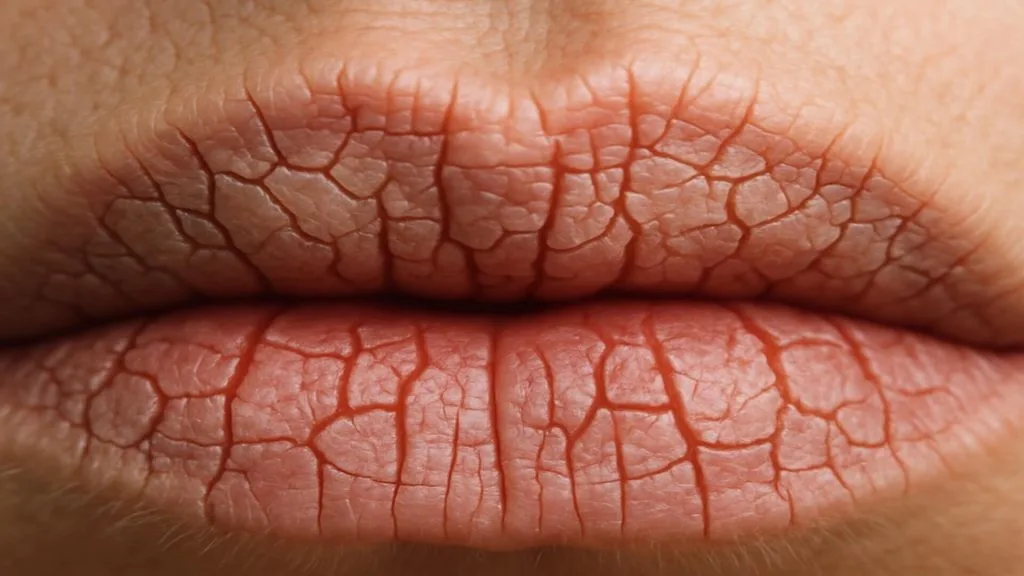
If your lips are constantly battling dryness, you've likely noticed that sometimes no amount of balm seems to help. This is usually a sign that dead skin cells have built up, creating a barrier that prevents moisture from sinking in. A lip scrub is designed precisely for this scenario.
It gently removes that rough outer layer, revealing the softer skin underneath. When your lips are notably dry and flaky, you might need to exfoliate a bit more frequently to break that cycle and allow your hydrating products to actually work.
Lips That Are Generally Smooth
For those whose lips tend to stay in good condition, you might not need to reach for a lip scrub very often. If you don't experience persistent flakiness or a rough texture, a lip scrub is more about maintenance rather than intense treatment. Using it too often when your lips are already smooth can actually do more harm than good by stripping away natural oils and potentially causing irritation.
In this case, less is definitely more.
How Often to Scrub for Best Results
When it comes to finding that sweet spot for lip scrubbing frequency, it’s all about listening to your skin. Think of it as a gentle guide rather than a strict rule. What feels good and looks good is the ultimate indicator.
Gentle Maintenance Frequency
If your lips are in pretty good shape most of the time, you're probably looking at a weekly exfoliation. This is the perfect frequency to keep things smooth without overdoing it. It helps to maintain softness and prepare your lips for any lip balm or color you plan to apply.
For many, this once-a-week routine is enough to prevent that annoying dry patch from ever forming.

Addressing More Stubborn Dryness
When your lips are feeling particularly dry or have visible flakes, you might need to increase the frequency of your lip scrub use. Instead of once a week, consider every three to four days. The key here is to be incredibly gentle.
Your lips are already stressed, so you don't want to add to their discomfort. If you notice any redness or sensitivity, scale back immediately.
Crucial Steps for Effective Lip Scrubbing
Using a lip scrub isn't just about the product itself; it's about how you use it and what you do afterward. These steps ensure you get the benefits without any of the potential downsides.
The Gentle Application Technique
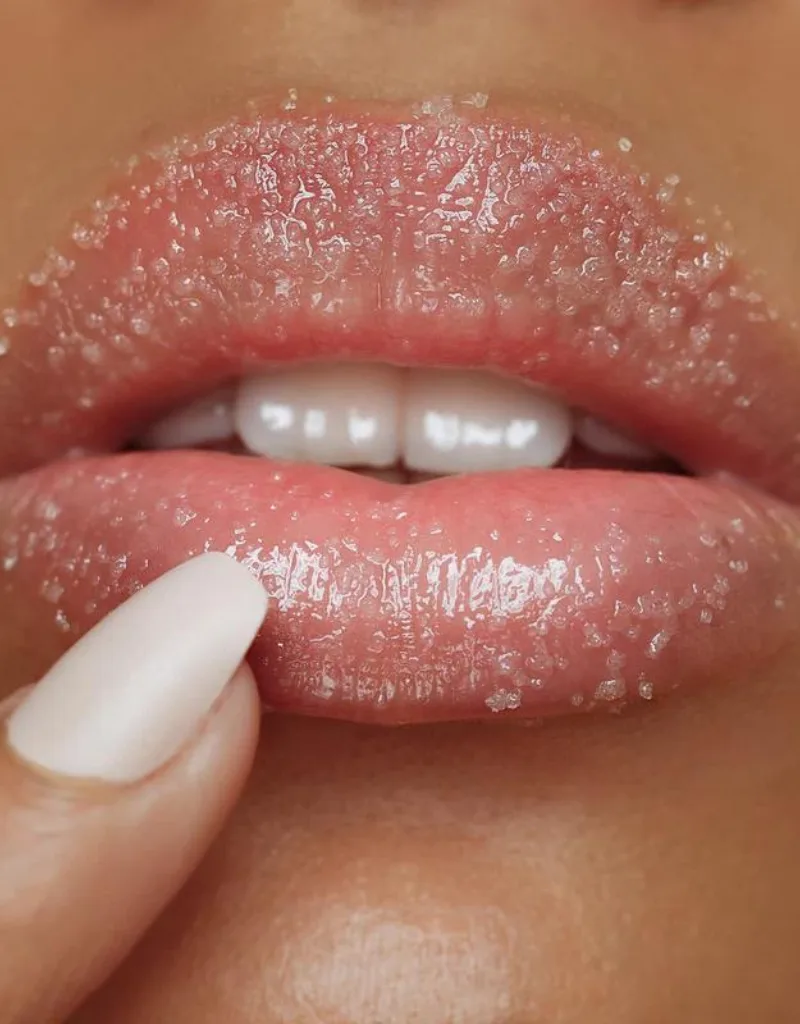
The most important part of applying a lip scrub is gentleness. You're not scrubbing your countertops; you're working with delicate skin. Scoop a small amount of the scrub onto your fingertip.
Then, using light, circular motions, gently massage the scrub over your lips for about 30 seconds. Avoid pressing too hard. The granules are doing the work, not your pressure.
Post-Scrub Care: Hydration is Key
After you’ve finished gently massaging the scrub, it's time to rinse it off. You can do this with a damp cloth or just by licking it off (if it's made with edible ingredients). The moment your lips are clean and dry, it's absolutely essential to follow up with a nourishing lip balm or a hydrating oil.
You've just removed a layer of dead skin, and your lips are now primed to absorb moisture. Skipping this step can leave your lips feeling even drier than before.
Common Lip Scrub Mistakes to Sidestep
Even with the best intentions, it’s easy to make mistakes when exfoliating your lips. Being aware of these common pitfalls can help you avoid them and ensure your lips stay happy and healthy.
Overdoing It and Causing Irritation
The most frequent mistake is using a lip scrub too often or too aggressively. Our research indicates that many users, eager for smooth lips, might scrub daily or with too much force. This can lead to micro-tears in the delicate lip skin, causing redness, soreness, and increased sensitivity.
It can also trigger a cycle of dryness as the skin tries to repair itself. Remember, gentle exfoliation once or twice a week is usually sufficient for most people.
Skipping the Moisturizing Step
Another common error is rinsing off the scrub and then forgetting to moisturize. Your lips have just been exfoliated, meaning the protective outer layer has been thinned. This makes them more vulnerable to moisture loss.
Applying a good quality lip balm or a rich ointment immediately after rinsing is crucial. This step seals in hydration, soothes the skin, and helps to maintain the smooth results you’ve achieved. Without it, your lips can quickly become dry and uncomfortable again.
When to Reconsider Your Scrubbing Routine
Sometimes, even if you think you're doing everything right, your lips might signal that it's time to adjust your lip scrub usage. This isn't about failure, but about listening to your skin's feedback. Your lips’ needs can change based on the season, your diet, or even other skincare products you're using.
As of 2026, many dermatologists recommend observing your lips’ response for at least a week before changing your exfoliation schedule. If you notice persistent redness, peeling that seems to worsen after scrubbing, or a general feeling of discomfort, it's a clear sign that your current routine might be too harsh or too frequent.
Signs Your Lips Need a Break
If your lips are feeling particularly sensitive, tight, or even a bit raw, that’s your body’s way of telling you to ease up on the exfoliation. This can happen if you’ve been scrubbing too often, using a scrub that’s too abrasive, or if your lips are already dealing with environmental dryness, like from cold weather or high winds. A good rule of thumb: if it stings or feels uncomfortable, stop immediately.
In such cases, putting away the lip scrub for a week or two and focusing solely on intense hydration with a rich balm is key. Look for ingredients like petrolatum, shea butter, or ceramides. This recovery period allows your lip barrier to heal and rebuild.
Once they feel comfortable again, you can reintroduce the scrub, but perhaps less frequently or with a gentler touch.
Lip Scrubs and Treatments
If you're using treatments that can dry out your skin, like topical retinoids for acne or certain medications, you need to be extra cautious with lip exfoliation. Our research shows that individuals on these treatments often experience increased lip dryness. While exfoliation might seem like a solution, it can sometimes worsen dryness or irritation if not done correctly.
It’s always best to consult with your dermatologist before incorporating a lip scrub into a routine that includes strong medications. They can advise on the safest frequency and product type, or even recommend specific hydrating treatments for your lips. They might suggest that a very gentle scrub, perhaps only once every ten days, is appropriate, or they might advise against it altogether during certain treatment phases.
Frequently Asked Questions About Lip Scrubs
Can I use a lip scrub every day?
No, using a lip scrub every day is generally not recommended. Daily exfoliation can strip your lips of their natural oils, leading to increased dryness, irritation, and sensitivity. Most people benefit from using a lip scrub just once or twice a week.
What kind of scrub is best for sensitive lips?
For sensitive lips, opt for sugar-based scrubs with fine granules. Look for formulations that include nourishing ingredients like shea butter, jojoba oil, or coconut oil, and avoid those with harsh chemicals or artificial fragrances. A gentle, moisturizing scrub is ideal.
Should I exfoliate my lips before applying lipstick?
Yes, exfoliating your lips before applying lipstick can be beneficial. A gentle scrub removes dead skin cells, creating a smoother surface for lipstick application. This helps your lipstick go on more evenly and prevents it from looking dry or flaky.
What should I do if my lips get irritated after using a lip scrub?
If your lips become irritated after using a lip scrub, stop using it immediately. Apply a thick, nourishing lip balm and give your lips a few days to recover. Focus on hydration and avoid any further exfoliation until the irritation has completely subsided.
Are DIY lip scrubs safe?
DIY lip scrubs can be safe and effective if made with appropriate ingredients. Common ingredients like sugar or finely ground coffee mixed with a carrier oil (like olive or coconut oil) and a touch of honey can work well. However, be cautious of using ingredients that are too abrasive or could cause allergic reactions.
Your Personalized Lip Scrub Plan
Figuring out the right frequency for your lip scrub is all about observation and a touch of trial and error. Think of it as tuning into your lips' unique needs. What works for someone else might not be perfect for you, and that's totally okay.
Start by assessing your lips. If they’re dry and flaky, begin with a scrub every 3 to 4 days, always being very gentle. If your lips are generally smooth, a weekly scrub is likely enough.
Pay close attention to how your lips feel and look after each use.
If you experience any redness, stinging, or increased dryness, that’s a signal to reduce the frequency or be even gentler. Always follow up with a rich lip balm to lock in moisture. By listening to your lips and adjusting accordingly, you can maintain their softness and health without causing irritation.