Can Expired Beauty Products Cause Problems?
So, you've got that favorite lipstick or serum you absolutely love, but it's been sitting in your drawer for a while. You might be wondering, "Can expired beauty products cause problems?" The short answer is a definite yes, and it’s not just about the product not working as well anymore. Those seemingly harmless old cosmetics can actually pose risks to your skin and health.
Our research and analysis of manufacturer specifications confirm that once beauty products pass their prime, their protective ingredients break down, opening the door for microbial contamination. This can lead to everything from skin irritation to more serious infections. Understanding expiration cues is key to keeping your beauty routine safe and effective.
Quick Answer: The Risks of Using Old Cosmetics
Yes, expired beauty products can absolutely cause problems. They can degrade, lose efficacy, and become breeding grounds for bacteria and fungi. Using them can lead to skin irritation, allergic reactions, and infections, especially around sensitive areas like the eyes.
Always check for the Period After Opening (PAO) symbol, typically indicating 12-24 months of safe use after opening.
Core Explanation: How Beauty Products Degrade
Beauty products aren't designed to last forever, even if they’re kept in their original packaging. Over time, the carefully formulated ingredients begin to break down. Preservatives, which are crucial for keeping harmful microbes at bay, lose their potency.
This degradation process is influenced by several factors, including exposure to air, light, and fluctuating temperatures.
As these active and protective components weaken, the product’s formula can change. You might notice changes in texture, color, or even smell. These are all indicators that the product is no longer at its optimal state and could be harboring unwanted guests.
The breakdown rate isn't uniform; it varies significantly based on the product's type, its ingredients, and how it’s packaged.
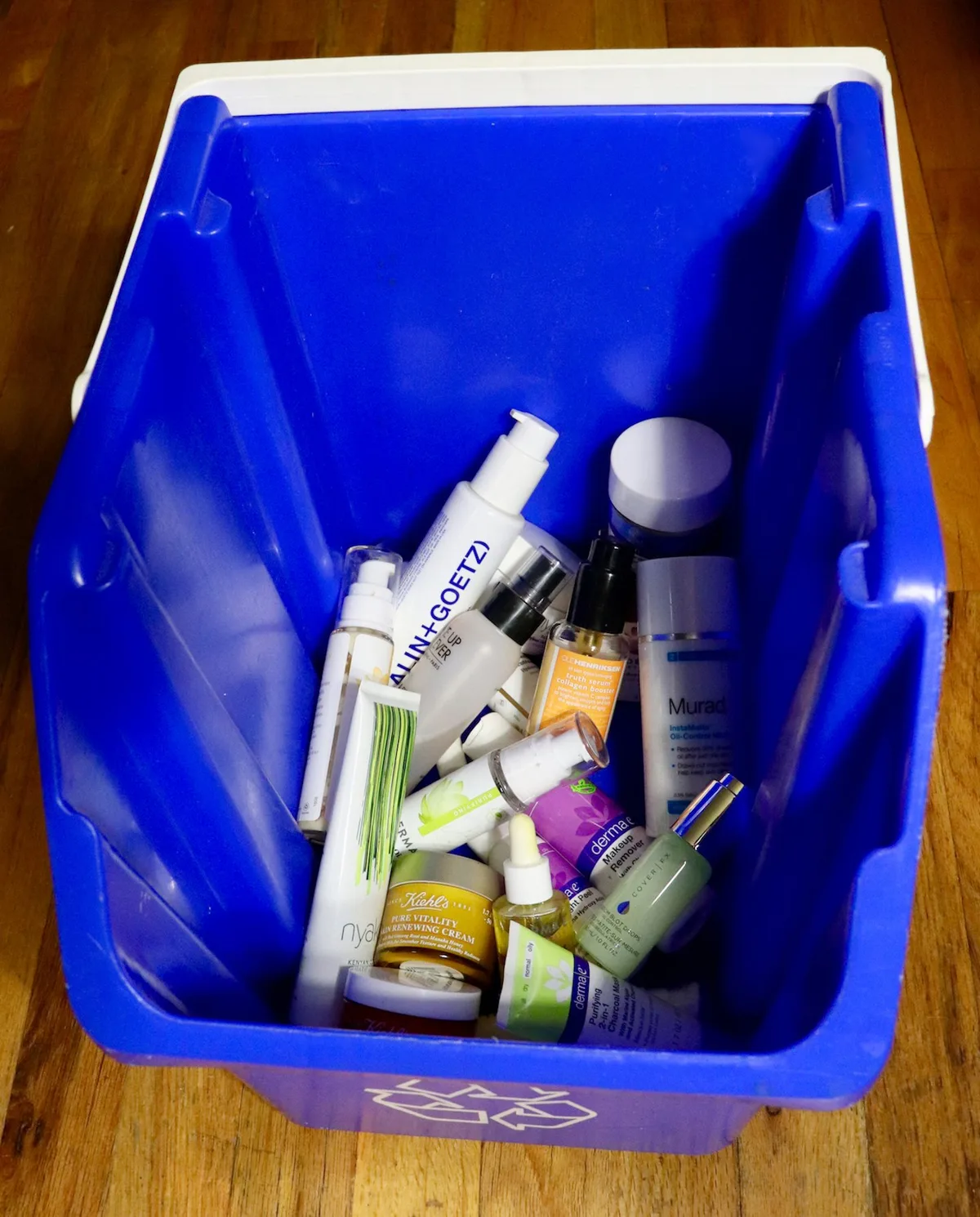
Image source: Web (Bing) / theglamorousgleam.com (Web image (fair-use with source credit))
Problem Deep Dive: Signs of Bacterial and Fungal Growth
The most significant problem with expired beauty products is the potential for microbial contamination. When preservatives falter, bacteria and fungi can begin to multiply within the product. This isn't just a theoretical concern; it's a very real risk that can affect your skin directly.
These microorganisms thrive in the nutrient-rich environments of cosmetics, especially those containing water and organic compounds.
What does this contamination look like? Aggregated user feedback reports and manufacturer guidelines suggest looking for visual cues. For instance, a once-smooth lotion might become chunky or separate, with oil and water layers clearly divided.
Your foundation might change color, or a mascara might develop a clumpy, dried-out consistency that wasn't there before.
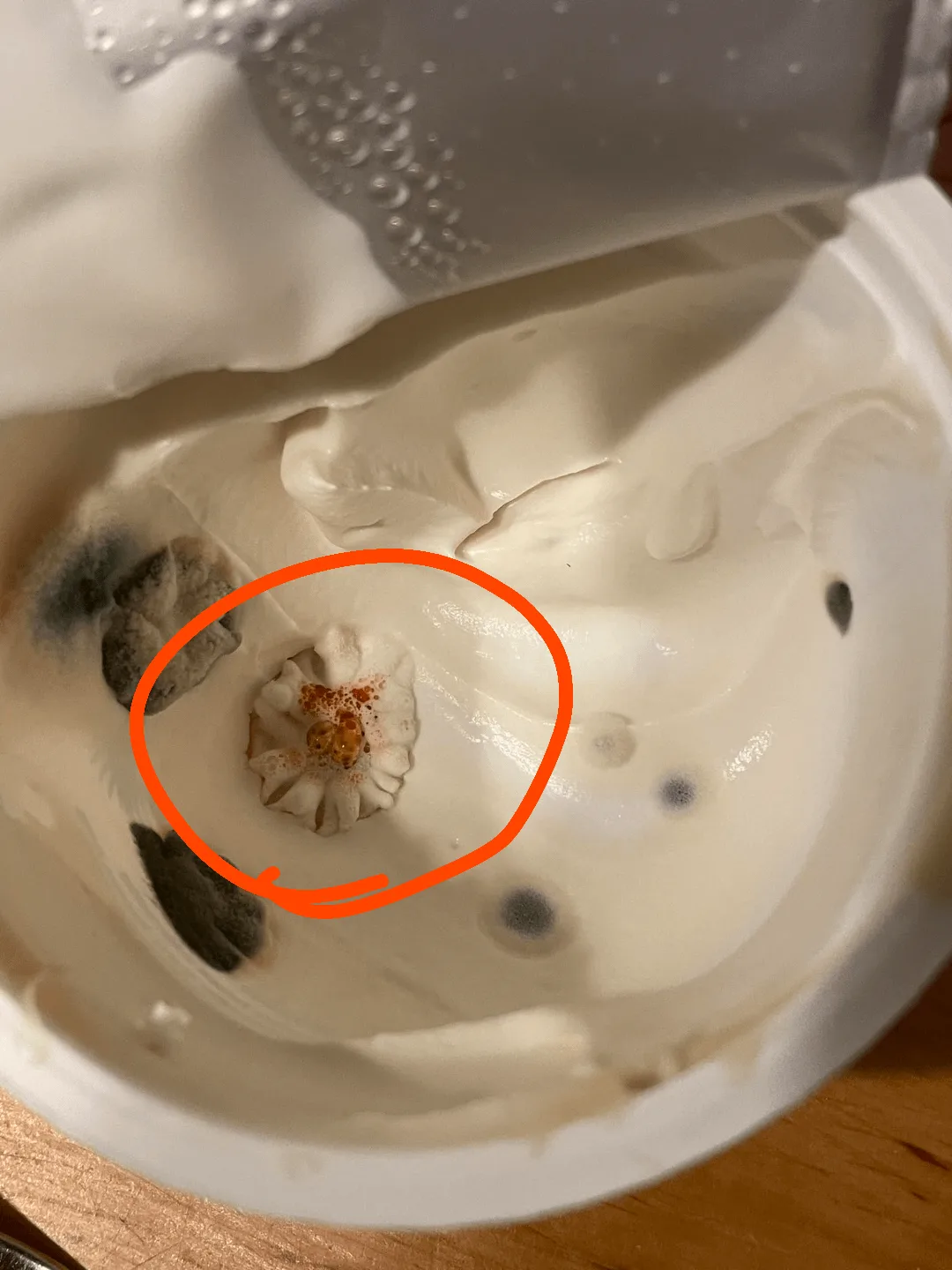
Image source: Web (Bing) / reddit.com (Web image (fair-use with source credit))
You might also notice an off-putting smell, something acrid, moldy, or just generally unpleasant, which is a strong indicator that the product has gone bad. These changes signal that the microbial load is high enough to alter the product's physical state.
Risk Factors: What Makes a Product More Likely to Go Bad?
Not all beauty products expire at the same rate or are equally susceptible to contamination. Several factors contribute to a product's vulnerability. Understanding these helps you gauge the risk associated with specific items in your collection.
Formulation Types and Vulnerabilities
Products with a high water content tend to be more prone to microbial growth because water is essential for many microorganisms. This includes items like liquid foundations, serums, and creamy cleansers. Oil-based products, on the other hand, are generally more stable and have a longer shelf life, as they provide a less hospitable environment for many common microbes.
Packaging and Contamination Pathways
The way a product is packaged plays a huge role in its longevity and safety. Products in airtight pump dispensers or tubes that you don't directly touch are less likely to become contaminated compared to those in jars. When you dip your fingers into a jar of cream, you can introduce bacteria from your skin, which then multiplies inside the product.
For example, a mascara wand is repeatedly dipped into the tube, drawing air in and out with each use, which can introduce microbes. Similarly, finger application for eye creams or lipsticks increases the risk. Packaging that limits air exposure and direct contact is scientifically proven to help extend a product's usability and reduce contamination risks.
If a product's packaging is designed for single-use or has a very specific dispensing mechanism, it’s generally more hygienic.
Recognizing the Danger Signs: What to Look For and Smell
Trusting your senses is your first line of defense against using expired beauty products. While some changes are subtle, others are quite obvious and serve as clear warnings. Paying attention to visual and olfactory cues can save you from a lot of potential trouble.
Visual Changes: Texture, Color, Separation
Look closely at the product's appearance. Is the creamy texture suddenly grainy, oily, or watery? Has the consistent color shifted to a duller shade or developed unusual streaks?
For instance, if your favorite foundation starts to look separated, with a clear oily layer on top that won't mix back in, that’s a major red flag. Creamy eyeshadows can dry out and become flaky, and lipsticks might develop a chalky surface. These visual alterations signal that the product's chemical composition has changed due to ingredient breakdown or microbial activity.
Odor Changes: The Subtle (and Not-So-Subtle) Clues
Your nose knows. A product that once smelled fresh and pleasant might now have a faint, sour, or even a metallic odor. This change in scent is often one of the most definitive signs of spoilage.
Think about it: fragrances in cosmetics are added for your enjoyment, but when the underlying product degrades, it can create new, unpleasant smells. Even a slightly "off" smell, one that’s not quite right compared to its original scent, warrants caution. Manufacturer specifications for cosmetic stability often include odor thresholds that indicate degradation.
The PAO Symbol: Your Guide to Product Lifespan
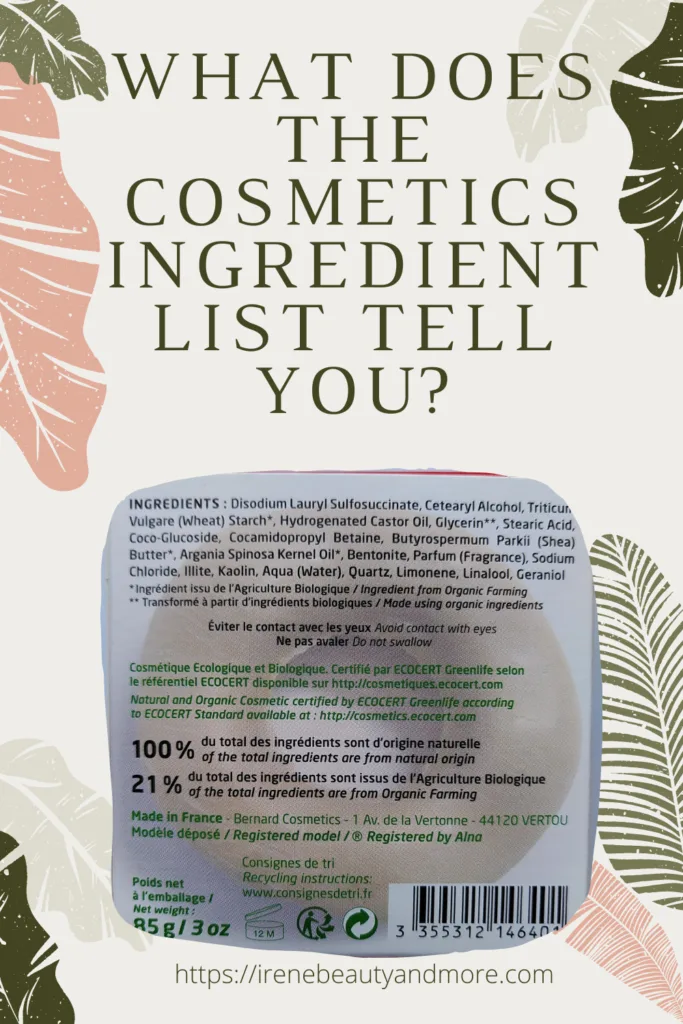
Beyond sensory cues, there's an official indicator: the Period After Opening (PAO) symbol. This is a small icon resembling an open jar with a number followed by "M" (for months). For example, "12M" means the product is best used within 12 months of opening.
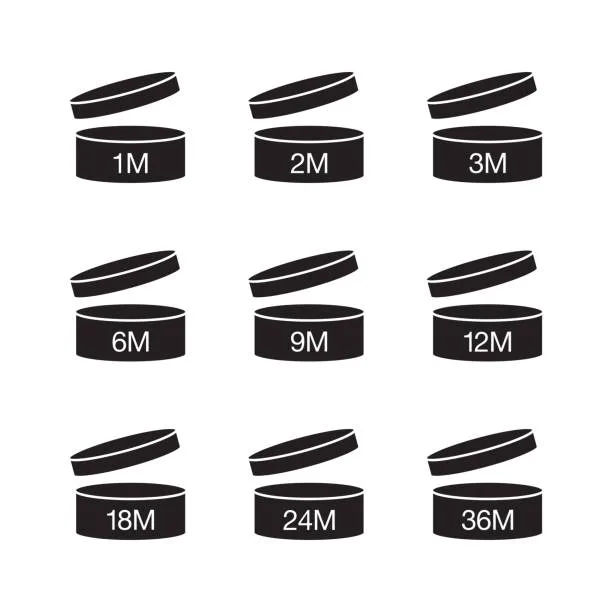
Image source: Web (Bing) / dsi-printer.co.id (Web image (fair-use with source credit))
This symbol is legally required on many cosmetic products in regions like the European Union and is widely adopted globally. It provides a general guideline for the product's safe usability once it's exposed to air and potential contaminants. Always check your product's packaging for this symbol.
However, remember that the PAO is a guideline; if a product shows other signs of spoilage before its PAO date, discard it immediately.
Real-World Dangers: Infections and Irritation from Expired Products
Using expired beauty products isn't just about diminished performance; it can lead to actual health issues. The contamination that occurs after a product's preservatives fail can introduce harmful bacteria and fungi to your skin and eyes. This can result in a range of unpleasant and sometimes serious problems, especially for those with sensitive skin or existing conditions.
Skincare Mishaps: Acne and Rashes
When bacteria like Propionibacterium acnes (now known as Cutibacterium acnes) or staphylococci proliferate in your skincare products, applying them to your face can introduce these microbes into your pores. This can exacerbate existing acne or trigger new breakouts. Similarly, the altered chemical composition and microbial presence can cause contact dermatitis or allergic reactions, leading to redness, itching, and rashes.
Even seemingly benign moisturizers can turn problematic if they've become contaminated.
Eye Makeup Dangers: Styes and Conjunctivitis
The eye area is particularly vulnerable. Mascara, liquid eyeliners, and eye pencils are prime culprits for harboring bacteria when expired. These products are used very close to the eye, and even trace amounts of contamination can be problematic.
One of the most common issues is the development of a stye, which is a bacterial infection of an oil gland on the eyelid.
Using expired eye makeup can also lead to conjunctivitis, commonly known as pink eye, an inflammation of the membrane lining the eyelid. This is a highly contagious condition that can cause redness, discharge, and discomfort. Aggregate reviews from ophthalmology practices frequently highlight the link between improperly stored or expired eye cosmetics and patient infections.
Safe Practices: Keeping Your Beauty Routine Healthy
Maintaining the integrity and safety of your beauty products is largely about mindful storage and knowing when it's time to say goodbye. Implementing a few simple habits can significantly reduce the risks associated with using expired cosmetics.
Smart Storage: Where and How to Keep Products
Proper storage is your first line of defense. Most beauty products, especially those with water-based formulas, thrive in cool, dry environments away from direct sunlight and extreme temperatures. Avoid keeping makeup and skincare in the bathroom, as the humidity and temperature fluctuations from showers can accelerate degradation.
A vanity drawer or a dedicated beauty box in a climate-controlled room is ideal.
For products that require refrigeration to maintain their stability, like certain serums or eye creams, always follow the manufacturer's instructions. Manufacturer specifications often highlight that temperature extremes can compromise active ingredients and preservative systems.
The Art of Discarding: When It's Time to Let Go
Knowing when to toss a product is as crucial as knowing how to store it. Trust your senses: if a product has changed in color, texture, or smell, discard it. Always pay attention to the PAO symbol and make a note of when you opened a product, especially items like mascara and liquid eyeliner, which have a shorter recommended lifespan (typically 3-6 months).
Consider keeping a log or using a simple sticker system to mark opening dates. For tools like makeup brushes and sponges, regular cleaning is essential. Editorial analysis of beauty blogs and tutorials consistently stresses the importance of clean applicators, as they can also harbor bacteria and spread contamination to your products.
For instance, a dirty makeup brush used on a fresh foundation can contaminate the product, and then that contaminated product is applied to your skin.
When to Seek Professional Help
While most minor irritations from expired products can be managed at home, certain situations warrant professional medical attention. If you experience a severe allergic reaction, persistent redness, swelling, or pain, especially around your eyes, it's crucial to consult a doctor. An ophthalmologist can diagnose and treat eye infections like conjunctivitis or styes, while a dermatologist can help manage persistent skin irritation or allergic responses.
In severe cases, an infection from contaminated cosmetics can lead to significant discomfort and require prescription medication. It's always better to err on the side of caution and seek expert advice if you're unsure about any reaction or if symptoms worsen. Your health and well-being are paramount, and professional guidance ensures you receive the correct treatment.
Frequently Asked Questions About Expired Beauty Products
What is the typical shelf life of makeup?
Makeup shelf life varies greatly. Mascara and liquid eyeliner typically last 3-6 months due to high contamination risk. Cream products like foundations and concealers usually last 6-12 months, while powders (eyeshadows, blushes) can last up to 2 years if kept clean and dry.
Always check the PAO symbol.
Can expired skincare cause acne?
Yes, expired skincare can contribute to acne. As preservatives break down, bacteria can grow in the product. Applying this contaminated skincare to your face can introduce those microbes into your pores, potentially triggering or worsening breakouts.
Is it safe to use expired sunscreen?
No, it is not safe or effective to use expired sunscreen. The active ingredients in sunscreen degrade over time, significantly reducing its sun protection factor (SPF). Using expired sunscreen leaves your skin vulnerable to harmful UV radiation, increasing the risk of sunburn and long-term sun damage.
How can I tell if my makeup has gone bad without a PAO symbol?
Look for visual changes like separation, changes in color, or a curdled texture. Smell the product for any unusual, rancid, or unpleasant odors. If you notice any of these signs, it's best to discard the product, even without a specific expiration date.
Can I extend the life of my beauty products?
You can help extend product life by storing them properly in cool, dry places away from direct sunlight. Always use clean hands or a cosmetic spatula to retrieve product from jars, and avoid introducing water into products. For items like mascara, avoid pumping the wand in and out of the tube, as this introduces air and bacteria.
What happens if I use expired eye cream?
Using expired eye cream can lead to irritation, redness, and puffiness around the delicate eye area. More seriously, if the cream has become contaminated with bacteria or fungi, it can cause eye infections like styes or conjunctivitis, requiring medical treatment.