What Are the Most Important Beauty Products?
So, you're wondering what the real essential beauty products are. It's a question I get a lot, and honestly, there's no single answer that fits everyone. What's crucial for me might be totally unnecessary for you, and that's perfectly okay!
Think of it less like a strict shopping list and more like a personal roadmap for your skin.
We'll figure out what your most important beauty products are by asking a few key questions about you and your skin. It's all about tailoring it to your needs, not some generic idea of what you "should" be using.
Quick Answer
The most important beauty products are those that provide fundamental skin health and protection. These typically include a gentle cleanser to remove impurities without stripping the skin and a broad-spectrum sunscreen with an SPF of 30 or higher, which is crucial for preventing sun damage. Beyond these, essential products are dictated by your specific skin type and concerns, potentially including hydrating serums, targeted treatments, and moisturizers.
Your Skin Type: The First Big Clue to What's Important
Before we even think about products, we need to get real about your skin. What's it like? Is it oily and shiny by lunchtime?
Dry and flaky, especially in winter? Or maybe somewhere in the middle, with occasional oily patches? Knowing your skin type is the absolute first step in determining what beauty products are truly important for you.
Finding Your Skin Type: Oily, Dry, Combo, or Sensitive?
Understanding your skin's natural tendencies helps you choose products that work with it, not against it. Here's a quick breakdown of common skin types:
- Oily Skin: You might notice shine, especially in your T-zone (forehead, nose, chin), and often deal with enlarged pores or breakouts.
- Dry Skin: Feels tight, might look dull, and can sometimes be a bit red or itchy. Makeup can sometimes look patchy if the skin isn't properly hydrated.
- Combination Skin: This is super common! You might have an oily T-zone but dry or normal cheeks. Products need to balance these different zones.
- Normal Skin: Not too oily, not too dry. It's usually balanced and doesn't have many extreme issues, making product selection generally easier.
- Sensitive Skin: Reacts easily to products, think redness, stinging, or itching. Fragrance and certain active ingredients can be common triggers.
And what about your main concerns? Are you trying to tackle acne, hyperpigmentation (dark spots), fine lines and wrinkles, or just generally boost your skin's health and glow? Your answers here will directly influence the "important" products you select next.
The Non-Negotiables: Cleaning and Protecting Your Skin
Seriously, these are the bedrock of any good routine, regardless of what else you do. Skipping these can undo any progress you make with other products and even lead to more problems.
Why a Gentle Cleanser is Your Daily Must-Have
You have to clean your skin to remove dirt, oil, makeup, and environmental pollutants. Using the wrong cleanser, however, can be counterproductive. It can strip your skin of its natural oils, leading to dryness and irritation, or it might not effectively remove impurities, clogging pores.
A gentle cleanser respects your skin's natural barrier while doing its job.
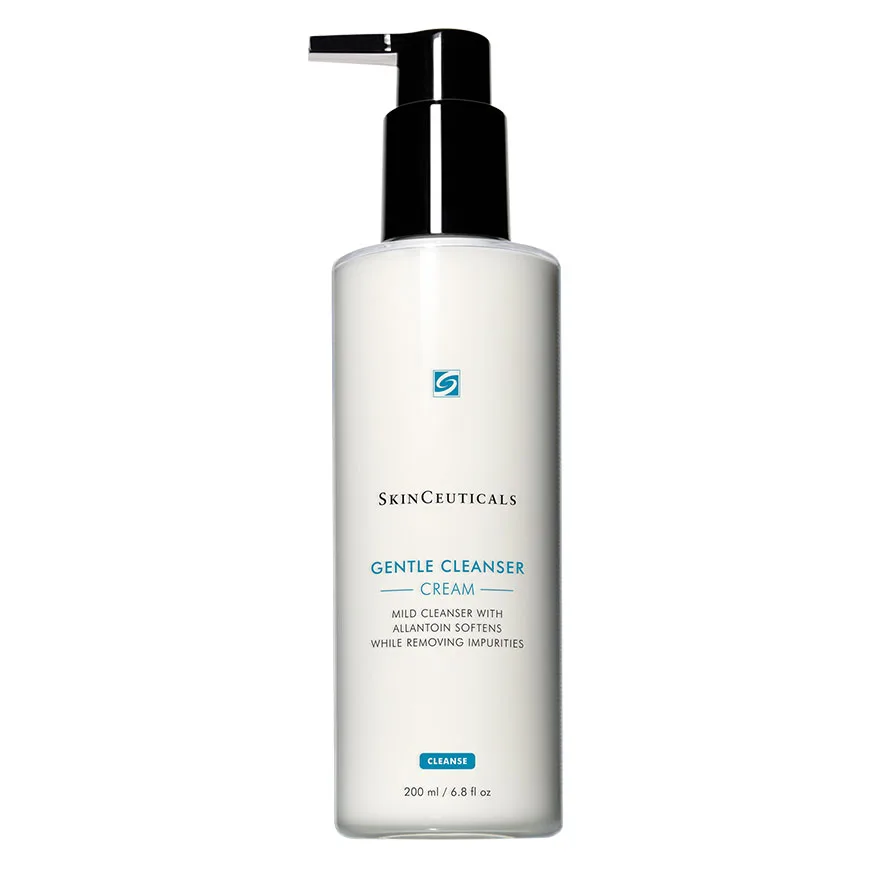
Image source: Web (Bing) / skinmiles.com (Web image (fair-use with source credit))
- For Oily/Acne-Prone Skin: Look for foaming or gel cleansers. These often contain ingredients that help break down excess oil and can be effective at clearing pores.
- For Dry/Sensitive Skin: Creamy, lotion-based, or hydrating cleansers are your best bet. They cleanse without stripping and often leave your skin feeling soft, not tight. Many find that using reusable cotton rounds with a gentle cleanser helps distribute it evenly.
Sunscreen: Your Ultimate Daily Shield (SPF 30+)
This is HUGE. Sun damage leads to premature aging, dark spots, and significantly increases your skin cancer risk. No matter your skin type or concern, wear it daily.
Seriously, daily! Protection against harmful ultraviolet (UV) radiation is non-negotiable for long-term skin health and appearance.
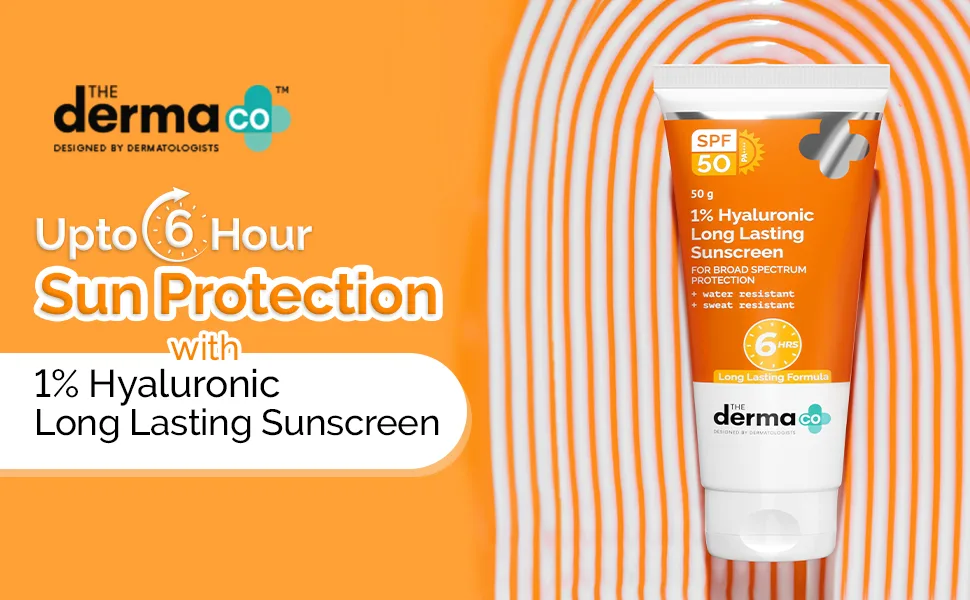
Image source: Web (Bing) / mitra.com.bd (Web image (fair-use with source credit))
- SPF Level: Look for a "Broad Spectrum" label, meaning it protects against both UVA (aging) and UVB (burning) rays. The minimum recommended SPF is 30, but many dermatologists suggest SPF 50 for optimal protection. The U.S. Food & Drug Administration (FDA) outlines specific testing and labeling requirements for sunscreens to ensure their stated SPF is accurate.
- Daily Application: Apply it generously as the last step in your morning skincare routine, even on cloudy days or if you're indoors near windows. If you're spending extended time outdoors, reapply every two hours. For thorough removal at night, consider using a gentle cleansing cloth like those found in best facial cleansing cloth roundups.
Tackling Your Unique Skin Concerns: Targeted Treatments
Once you've got those absolute basics covered, a good cleanser and daily sunscreen, we can start adding products that directly address your specific skin challenges. These are the "important" products that make a visible difference for your individual needs.
For Dryness & Dehydration: Boosting Moisture Levels
If your skin feels tight, looks dull, or has flaky patches, it's likely lacking moisture. Dehydrated skin can appear older and more prone to fine lines. The key is to add products that both replenish water content and seal it in.
- Hydrating Serum: Think ingredients like hyaluronic acid. This humectant draws moisture from the air into your skin, plumping it up. Niacinamide, another versatile ingredient, can also help improve the skin's moisture barrier.
- Moisturizer: This is crucial for locking in hydration. For very dry skin, a richer, creamier moisturizer is often best. Look for formulations with ceramides, which help repair the skin barrier, or fatty acids. If you struggle with makeup application due to dryness, a good hydrating primer can also be a vital step.
For Acne & Oiliness: Keeping Breakouts at Bay
Dealing with excess shine and frequent breakouts can be frustrating. The goal here is to control oil production without over-drying the skin, which can actually trigger more oiliness. Effective treatments target the causes of acne, like excess sebum and bacteria.
- Targeted Treatment: This could be a serum or spot treatment containing salicylic acid (a beta-hydroxy acid that penetrates pores to dissolve oil and dead skin cells) or benzoyl peroxide (which kills acne-causing bacteria). For persistent acne, consulting a dermatologist for prescription-strength options like tretinoin might be considered. Many find that using a specific acne treatment serum can be more effective than general products.
- Lightweight, Oil-Free Moisturizer: Even oily skin needs hydration. Skipping moisturizer can cause your skin to produce even more oil to compensate. Look for gel-based or water-based formulas that won't clog pores. Using a gentle clay mask once a week can also help absorb excess oil and impurities.
For Aging & Uneven Tone: The Power of Actives
If your focus is on reducing the appearance of fine lines, wrinkles, hyperpigmentation, or improving overall skin texture, then "active" ingredients become very important. These ingredients are specifically chosen for their ability to create noticeable changes in the skin over time. They work by encouraging cell turnover and stimulating collagen production.
- Retinoid (Retinol/Tretinoin): These Vitamin A derivatives are gold standards for anti-aging and skin renewal. They speed up cell turnover, diminish fine lines, improve skin texture, and can help with acne and dark spots. Start with a low concentration a few nights a week and gradually increase frequency as your skin tolerates it. Using a retinoid is a significant step in an anti-aging regimen.
- Vitamin C Serum: Applied in the morning, a Vitamin C serum acts as an antioxidant, protecting your skin from environmental damage that contributes to aging. It also helps to brighten the complexion and fade hyperpigmentation, leading to a more even skin tone. Many find that incorporating Vitamin C alongside a retinoid provides synergistic benefits.
For Sensitivity: Soothing and Calming Your Skin
Sensitive skin requires a gentler approach. Products that are too harsh can cause redness, stinging, and inflammation, making your skin look and feel uncomfortable. The priority is to support and strengthen your skin's natural barrier.
- Soothing Serum: Look for ingredients like ceramides (which are natural components of your skin barrier), niacinamide (which can help calm inflammation and strengthen the barrier), or plant-derived extracts like centella asiatica (cica). These help to reduce redness and discomfort.
- Fragrance-Free Everything: Fragrance, whether natural or synthetic, is a very common irritant for sensitive skin. Opting for fragrance-free formulations across all your products is a key step in managing sensitivity. When choosing makeup, especially foundation or concealers, look for sensitive skin-friendly options to avoid irritation.
Beyond the Basics: When to Add More to Your Routine
You've got the essentials covered, a good cleanser and daily sunscreen. Now, let's talk about those next-level products that can really boost your skin's health and address specific concerns. Think of these as powerful enhancements rather than absolute necessities for everyone.
They can make a significant difference if your skin needs that extra bit of help.
The Role of Serums, Eye Creams, and Toners
These products are designed to deliver concentrated ingredients or perform specific functions within your routine. They aren't always required, but they can be incredibly beneficial depending on what you want to achieve. For instance, many people find that a good toner can prep their skin for better absorption of subsequent products.
- Serums: These are potent treatments packed with active ingredients. They're usually lighter than moisturizers and are designed to penetrate deeper into the skin. You might use a serum for hydration (like hyaluronic acid), brightening (Vitamin C), or targeting signs of aging (retinoids). Choosing the right serum depends heavily on your primary skin concern.
- Eye Creams: The skin around your eyes is thinner and more delicate than the rest of your face. If you have specific concerns like dark circles, puffiness, or fine lines in this area, an eye cream formulated for these issues can be helpful. For many, their regular facial moisturizer is sufficient.
- Toners: Historically, toners were often harsh astringents. Today's toners are much more sophisticated. They can hydrate, gently exfoliate, balance pH, or deliver antioxidants. If you're looking to simplify, this is often a product you can skip without major impact, but a hydrating toner can add an extra layer of moisture. If your skin tends to get oily throughout the day, a balancing toner might be beneficial.
Common Skincare Mistakes to Sidestep
Even with the best intentions, it's easy to fall into skincare traps that hinder progress or even cause problems. Understanding these common missteps can save you time, money, and skin irritation in the long run. Being aware of what not to do is just as important as knowing what to do.
When "More is More" Backfires
One of the biggest mistakes people make is using too many products or too much of a good thing. Over-exfoliating, layering too many potent actives at once, or using harsh ingredients can disrupt your skin's natural barrier. This can lead to increased sensitivity, redness, breakouts, and overall skin irritation.
- Introduce Actives Slowly: When adding new treatments like retinoids or strong exfoliants, start with a low concentration and use them only a few times a week. Gradually increase frequency as your skin adjusts. This helps prevent irritation and allows your skin to build tolerance.
- Don't Over-Cleanse: Washing your face more than twice a day, especially with a harsh cleanser, can strip natural oils. This can lead to dryness and irritation, or paradoxically, prompt your skin to produce more oil.
Ignoring Your Skin's Actual Needs
Another common pitfall is using products that aren't suited to your specific skin type or concerns. You might see a popular ingredient or product and jump on the bandwagon without considering if it's right for you. What works wonders for one person might cause issues for another.
- Product Compatibility: Always check ingredient lists. For example, if you have sensitive skin, avoid products with high concentrations of alcohol, fragrance, or harsh sulfates. If you're targeting acne, look for non-comedogenic formulas that won't clog pores.
- Listen to Your Skin: If a product causes stinging, burning, or excessive redness, it's likely not a good fit. Don't push through the discomfort. Your skin will tell you what it likes and what it doesn't. It’s better to switch to something more suitable.
FAQs: Your Burning Beauty Product Questions Answered
What is the single most important beauty product?
The single most important beauty product is generally considered to be sunscreen with SPF 30 or higher. It protects your skin from damaging UV radiation, preventing premature aging, dark spots, and reducing the risk of skin cancer. This is followed closely by a gentle cleanser.
Do I need a separate eye cream?
Not necessarily. While eye creams are formulated with ingredients to address specific concerns around the delicate eye area, many people find their regular facial moisturizer is hydrating enough. If you have specific concerns like dark circles or puffiness, an eye cream might offer targeted benefits.
How often should I use active ingredients like retinol?
Start slowly with active ingredients like retinol, perhaps using them once or twice a week. Gradually increase frequency as your skin tolerates it, potentially up to every other night or nightly if your skin responds well. Always monitor for signs of irritation.
Can I use too many products?
Yes, you can absolutely use too many products, or too many active ingredients at once. This can overwhelm your skin, disrupt its barrier function, and lead to irritation, redness, or breakouts. It’s often better to focus on a few key products that address your primary concerns effectively.
How do I know if a product is right for my skin type?
Pay attention to how your skin feels after using a product. Oily skin types often prefer lightweight, gel-based, or water-based formulas that absorb quickly. Dry skin types benefit from richer creams and lotions that provide more emollience.
Sensitive skin should always prioritize fragrance-free and minimal-ingredient formulations.